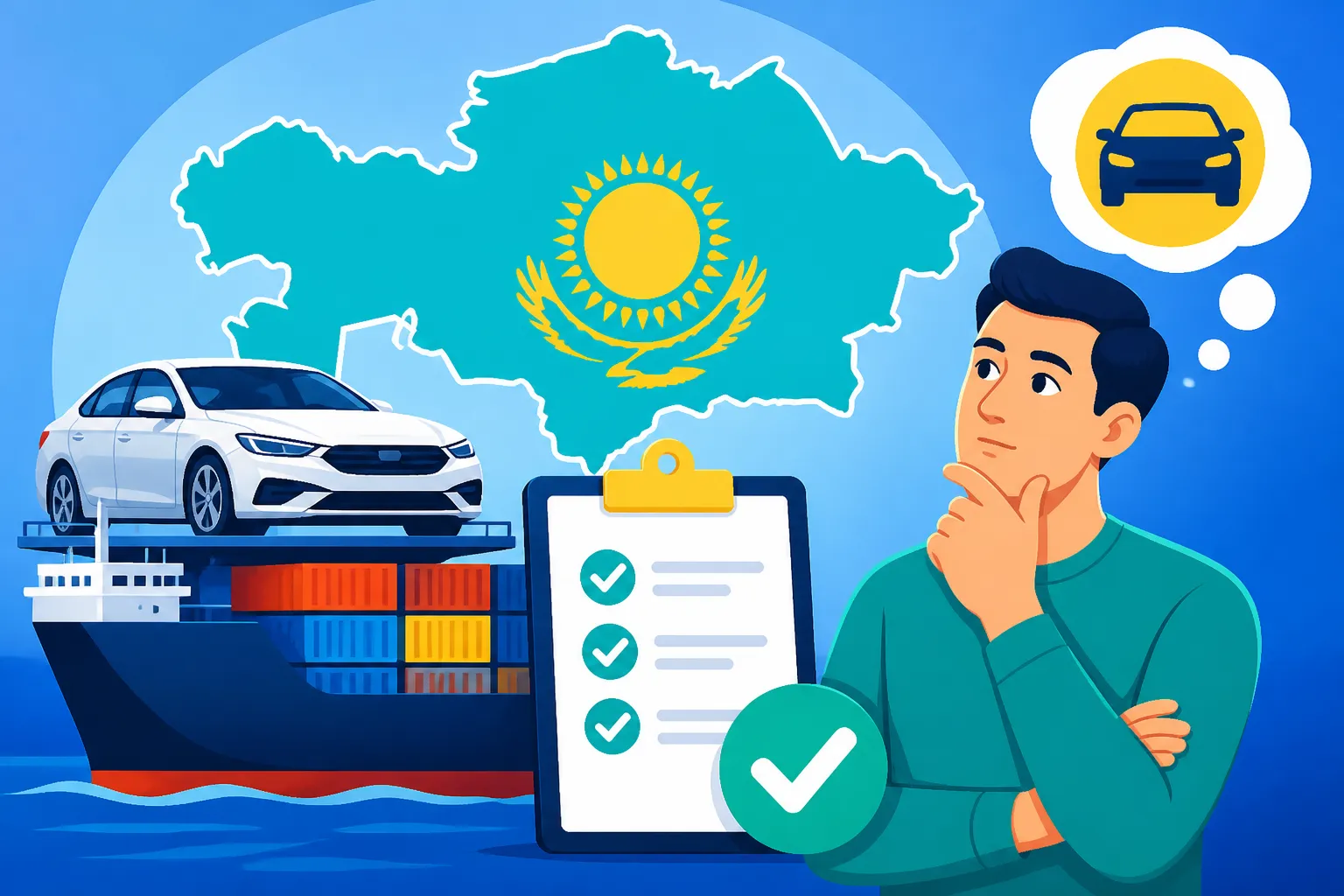
Can I Import My Car to Kazakhstan?
Ah, the big move to Kazakhstan! You've got your visa sorted, maybe even found a place, and now you're looking at your beloved car back home, wondering if it can join you on this grand adventure. It’s a completely natural question, especially when your car feels like an extension of your home, your freedom, and your comfort. Believe me, I’ve been there, staring at my own vehicle, debating whether to sell it or brave the international shipping saga. This guide will walk you through the nitty-gritty of importing your car to Kazakhstan, covering the legal hoops, financial surprises, and the honest truth about whether it’s truly worth the effort.
The Initial Reality Check: Can You Even Bring Your Car to Kazakhstan?
Before you start packing your car with sentimental items and dreaming of road trips through the Kazakh steppe, we need to have a serious chat about the practicalities. Kazakhstan's import regulations can feel like a labyrinth, and they're designed to protect the local market and ensure environmental standards are met. This isn't just a simple case of driving over the border; there are rules, and they can be quite strict.
Understanding the Regulations: Who Can Import?
First off, who exactly is allowed to bring a car into Kazakhstan? Generally, the rules differentiate between temporary and permanent import, and your residency status plays a huge role.
For temporary import, which means your car will only be in Kazakhstan for a limited period (usually less than one year), you might have an easier time. This option is sometimes available for those on certain types of work permits or short-term assignments. You typically won't pay full customs duties upfront, but you'll be required to export the vehicle again when you leave or face hefty penalties. It’s a bit like borrowing the car from your home country, with an expiry date attached. The vehicle remains registered in its original country. This can be a decent option if you're only here for a brief stint and truly can't part with your ride. However, remember, this isn't a loophole for permanent residency; the expectation is that the car leaves with you.
For permanent import, which is what most expats envision – bringing their car to stay – the requirements become much more stringent. This usually applies to individuals who are establishing long-term residence or have a permanent residence permit in Kazakhstan. In these cases, the vehicle essentially becomes a Kazakhstani vehicle, requiring full customs clearance, payment of all taxes, and local registration. This is where the real administrative heavy lifting begins. It's a fundamental shift, moving from merely visiting with your car to fully integrating it into the Kazakhstani system.
It’s crucial to understand your specific visa and residency status. A common scenario for expats is arriving on a work permit. While your employer might handle your residence permit, importing a personal vehicle is usually your responsibility and falls outside of their standard relocation package. Always double-check with the migration service or a specialist if your status allows for permanent vehicle import. This initial step can save you a lot of heartache and money down the line.
The Age and Emissions Gauntlet
Now, let's talk about the car itself. It's not just about who is importing it, but what is being imported. Kazakhstan, like many countries, has specific technical and environmental standards that imported vehicles must meet.
The age of your vehicle is often a significant hurdle. Generally, Kazakhstan has implemented regulations to limit the import of older vehicles, often pushing for cars that meet at least Euro-4 or even Euro-5 emission standards. What does this mean for you? If your car is more than a certain number of years old (the exact cut-off can shift, so always verify the latest regulations, but often it's around 7 years or sometimes less for certain categories), it might be outright ineligible for import, or subject to prohibitive taxes. This rule is designed to modernize the vehicle fleet and reduce pollution, but it can be a real blow if you have an older, cherished car. My friend, who had a perfectly good 2008 Toyota Camry, found this out the hard way. It was mechanically sound, but its age meant it simply couldn't enter the country without a massive, uneconomical tariff.
Beyond age, emission standards are non-negotiable. Most vehicles imported must comply with at least Euro-4 environmental class. If your car was manufactured for a market with lower emission standards (e.g., some older US-market cars or certain Asian models), getting it certified can be incredibly difficult, if not impossible. You'd need a certificate of conformity, and if your car doesn't meet the standard, retrofitting it to do so is usually impractical and hugely expensive. This isn't a small detail; it's a fundamental technical requirement. Don't assume your car will pass simply because it runs well in your home country.
The Bureaucratic Maze of Importing Your Vehicle
If your car passes the initial eligibility test, prepare yourself for a bureaucratic journey. Importing a vehicle to Kazakhstan isn't for the faint of heart, and it demands meticulous attention to detail and a large dose of patience. You'll quickly realize why many expats opt to buy a car locally.
Key Documents You'll Need (and Why They're a Headache)
Paperwork, paperwork, and more paperwork. This is where the process often bogs down. You'll need an extensive collection of documents, all perfectly translated and often notarized, and sometimes even apostilled.
First and foremost, you'll need all your vehicle ownership documents. This includes the original title deed, the vehicle registration certificate, and any proof of purchase or customs declarations from its previous import to your home country. These aren't just copies; customs often demands originals. Imagine losing your car's original title overseas – it's a nightmare.
Then comes your personal identification. Your passport, your IIN (Individual Identification Number), and your Kazakhstani residence permit are all essential. The IIN is your personal tax ID, absolutely crucial for any official transaction in Kazakhstan. If you haven't sorted this out yet, make it a priority. You can find detailed instructions on how to get one in our guide, "How to Get an IIN Individual Identification Number in Kazakhstan". Without it, you’ll be stuck before you even begin the customs process.
You'll also need specific customs declarations from the country of origin and transit, proving the car's legitimate journey. Keeping detailed records of every single step of your vehicle's transport is paramount.
The biggest headache often comes from the translation and notarization requirements. Every single document not in Kazakh or Russian must be translated by a certified translator and then notarized. Some authorities might even demand an apostille, which is an international certification that makes documents valid in countries that are part of the Hague Apostille Convention. This process adds significant time and cost, and any discrepancy can lead to delays or rejection. It's not uncommon for expats to have to re-do translations multiple times due to minor errors or specific wording demands from Kazakhstani officials.
Customs Clearance and Tariffs: Preparing for the Costs
Once your documents are in order, you face customs clearance, which is usually the most financially impactful part of the process. This isn’t a flat fee; it’s a complex calculation that considers multiple factors.
You will typically be liable for customs duties, Value Added Tax (VAT), and excise taxes. These charges are not trivial. They are calculated based on:
- The vehicle's value: This is often assessed by customs using their own databases, which might not always align with what you think your car is worth.
- Engine size: Larger engines generally incur higher taxes.
- Age of the vehicle: As mentioned, older vehicles can be subject to significantly higher, often punitive, duties.
- Country of origin: Vehicles from certain trade blocs (like the Eurasian Economic Union, which Kazakhstan is part of) might have different tariff structures.
For example, a luxury SUV with a large engine, even if only a few years old, could easily cost you tens of thousands of dollars in import duties alone. This is where the dream of bringing your car often crumbles. Many expats find that the total cost of duties and taxes far exceeds the car's actual market value in Kazakhstan, making it a financially unsound decision. Always get a clear estimate before you commit to shipping your vehicle.
The process itself involves presenting your vehicle and all its documentation at a designated customs point, often at a major border crossing or a specialized customs terminal near cities like Almaty or Astana. Be prepared for thorough inspections, potential delays, and the need to pay fees on the spot. This isn't a swift process; it can take days, sometimes weeks, to clear customs, during which your vehicle might be held in a customs warehouse, incurring storage fees.
Getting Your Car Registered and Licensed in Kazakhstan
Congratulations, you've cleared customs! Now, the final hurdle is getting your car officially registered and licensed in Kazakhstan. This means changing its identity from a foreign vehicle to a local one.
The first step is a technical inspection (tekhosmotr). This is a mandatory safety and emissions check to ensure your vehicle meets Kazakhstani standards. Even if your car is relatively new and well-maintained, it might fail for minor issues that are common in your home country but not permissible here, such as tinting levels, headlight beam patterns, or even the presence of certain non-standard accessories. You'll receive a diagnostic card upon passing.
Once your car passes inspection, you'll head to the traffic police (MIA) department responsible for vehicle registration. Here, you'll submit all your customs clearance documents, the technical inspection card, your personal ID, and fill out various forms. This is where your car will be issued Kazakhstani license plates and a new Kazakhstani vehicle registration certificate. This can feel like a marathon of waiting in lines and visiting multiple windows, so bring a good book and lots of patience.
Finally, before you can legally drive your newly registered vehicle, you must obtain mandatory vehicle insurance (OSAGO). This is a third-party liability insurance, and it's illegal to drive without it. You can purchase this from various insurance providers. Prices vary based on engine size, driver experience, and the region of registration. Understanding the local vehicle insurance market is key, and you might find useful insights in guides like "How Much Is Car Insurance in Kazakhstan?". Don't forget, driving without valid insurance will result in fines.
Weighing Your Options: Import vs. Buy Local
At this point, you're likely feeling a bit overwhelmed, and that's perfectly normal. Many expats reach this stage and wonder if all this hassle is truly worth it. It’s a valid question, and there are compelling arguments for both importing and buying a car once you're on the ground in Kazakhstan.
The Pros and Cons of Importing Your Car
Let's break down why you might still want to import your car, despite the hurdles, and the very real drawbacks.
Pros of Importing Your Car:
- Familiarity and Comfort: You know your car's history, its quirks, its maintenance schedule. There's a certain peace of mind that comes with driving a vehicle you're intimately familiar with, especially in a new country where everything else feels different.
- Known History: No worries about hidden problems or unknown accidents, as you've owned and maintained the vehicle yourself. This is a big plus in any used car market where transparency can sometimes be an issue.
- Specific Features/Models: Perhaps your car has features or is a model that isn't readily available or popular in Kazakhstan. For some, a specific vehicle configuration is non-negotiable.
Cons of Importing Your Car:
- Prohibitive Costs: As discussed, customs duties, VAT, and excise taxes can be astronomical, easily doubling the car's value or more. Add to that shipping costs (which can be thousands of dollars), inspection fees, translation and notarization costs, and temporary storage fees.
- Complex and Time-Consuming Bureaucracy: The sheer volume of paperwork, the need for certified translations, and navigating multiple government agencies (customs, traffic police) is incredibly arduous and prone to delays. You might spend weeks, or even months, dealing with this process.
- Potential for Rejection: Your car might not meet age or emission standards, leading to outright rejection at the border or a demand for re-export.
- Spare Parts and Servicing Challenges: If your car is a less common model in Kazakhstan (e.g., a specific European or North American make/model not widely sold here), finding spare parts and qualified mechanics can be a huge headache and very expensive. This is especially true for specialized or older vehicles.
- Winterization: Cars from warmer climates might not be adequately prepared for Kazakhstan's harsh winters, requiring additional modifications like block heaters or specific cold-weather fluids.
Why Buying Locally Might Be Easier (and Cheaper)
Honestly, for most expats, buying a car once you're in Kazakhstan is often the path of least resistance and generally more cost-effective.
Kazakhstan's vehicle market is robust, particularly for cars from Russia, Korea, and Japan. Brands like Lada, Hyundai, Kia, Toyota, and Lexus are extremely popular and widely available.
- Simplified Registration Process: When you buy a car locally, especially from a dealership or a reputable used car vendor, the registration process is significantly simpler. The vehicle already meets local standards and is often already within the Kazakhstani system.
- Cost-Effectiveness: You avoid all the international shipping costs, import duties, and complex tax calculations. The price you see is generally closer to the price you pay.
- Servicing and Spare Parts Network: For popular local models, spare parts are readily available, and there’s a wide network of mechanics familiar with these cars. This means less downtime and lower maintenance costs.
- Winter-Ready Vehicles: Cars sold in Kazakhstan are generally already equipped or easily adaptable for the severe winters, often coming with winter tires or pre-installed block heaters.
- Local Market Knowledge: Dealers and local mechanics are well-versed in what works best on Kazakhstani roads and in local conditions.
While the thought of buying a new car in a foreign language might seem daunting, it's often far less stressful than the import process. You can find many guides to help you, such as "How to Buy a Car as a Foreigner in Kazakhstan". For example, Almaty and Astana have thriving used car markets, both online and at physical bazaars, offering a wide range of options.
Temporary Import for Shorter Stays
If you’re absolutely set on bringing your car but know your stay in Kazakhstan is finite and relatively short (typically less than one year, though regulations can vary slightly), temporary import might be an option to consider.
Under temporary import, you can usually bring your vehicle in without paying full import duties and taxes, provided you commit to re-exporting it by a specified date. This is common for foreign workers on short-term contracts or those on certain multi-entry visas.
However, there are still requirements and limitations:
- Guarantees: You might need to provide a financial guarantee or deposit to ensure the vehicle leaves the country.
- Time Limit: Strict deadlines apply. Overstaying the temporary import period can result in heavy fines, confiscation of the vehicle, or even its forced permanent import with all associated duties and penalties.
- No Sale Allowed: You generally cannot sell a temporarily imported vehicle within Kazakhstan. It must leave with you.
- Registration: While you won't get Kazakhstani plates, you will still need to register your presence with the migration service and inform them of your vehicle.
This option works best if you truly plan to be here for a limited time and the cost of transport both ways is still less than buying and selling locally, or if your car is highly specialized. But remember, it’s not a way to avoid the rules for long-term residency.
Here's a quick comparison to help you visualize the choices:
| Feature | Importing Your Car to Kazakhstan | Buying a Car Locally in Kazakhstan |
|---|---|---|
| Initial Cost | Very High (Shipping, duties, taxes, fees) | Moderate to High (Purchase price) |
| Bureaucracy | Extremely Complex (Customs, multiple agencies, translations) | Relatively Simple (Dealership/private sale & registration) |
| Vehicle Age | Strict limits (often Euro-4/5, under 7 years) | No import limits, wide availability |
| Parts/Service | Potentially Difficult/Expensive for non-local models | Easy for popular local models |
| Timeframe | Weeks to Months | Days to Weeks |
| Resale Value | Potentially difficult to sell an imported, unique model locally | Generally strong for popular local models |
| Familiarity | High (your own car) | New (might take time to adjust) |
| Winter-Ready | May require modifications | Usually pre-equipped or easily adaptable |
Practical Tips and Expert Advice for a Smoother Process
If you've read all this and still feel determined to bring your car, hats off to you! You’re certainly not alone in your dedication. However, you absolutely do not want to go it alone. This process can quickly become a full-time job.
Seek Professional Help: Customs Brokers and Logistics
This is perhaps the most crucial piece of advice: do not attempt to navigate the permanent import process without professional help. The intricacies of Kazakhstani customs law, constantly evolving regulations, and the specific documentation requirements are far too complex for an individual to handle efficiently.
- Customs Brokers: A local, experienced customs broker (таможенный брокер – tamozhennyi broker) is worth their weight in gold. They specialize in managing all the paperwork, communicating with customs officials, calculating duties, and ensuring your vehicle clears the border without unnecessary delays. They understand the nuances that an ordinary person simply won’t. Ask for recommendations from other expats or reputable international moving companies. They can often provide a more accurate estimate of total costs.
- International Moving Companies: If you're shipping a full container of household goods, consider using an international moving company that also handles vehicle shipping. Companies like Sirelo often work with local partners who can manage the entire logistics chain, from picking up your car in your home country to delivering it to your new address in Kazakhstan, including the customs brokerage part. This can streamline the process, as they’re usually well-versed in the requirements. Be sure to specifically inquire about their experience with vehicle imports into Kazakhstan and get a detailed, itemized quote.
While hiring professionals adds to the cost, it will save you immense stress, time, and potentially more money in fines or unforeseen duties due to errors. Think of it as an essential investment.
Preparing for Life with Your Car in Kazakhstan
So, your car is finally here, legal, and ready to roll. Now what? Living with a car in Kazakhstan means adapting to local conditions and driving culture.
- Winterization Tips: Kazakhstan winters are no joke. If your car isn't already set up for extreme cold, consider getting it winterized. This includes ensuring you have proper winter tires (often studded for icy conditions), checking your antifreeze, and possibly installing a block heater if you don't have access to covered, heated parking.
- Understanding Local Driving Rules: While road rules are generally similar to European standards, there are local nuances. Familiarize yourself with speed limits, parking regulations, and the behavior of other drivers. Always be prepared for assertive driving styles, especially in cities like Almaty and Astana. You can find more specific guidance in our comprehensive article, "Driving in Kazakhstan: Licences, Registration and Rules for Expats (2027)".
- Staying Connected for Navigation: Having reliable internet access for navigation apps is invaluable. Consider getting a local SIM card or an eSIM from providers like Airalo as soon as you arrive. This allows you to use mapping services like Yandex.Maps or Google Maps, which are essential for getting around, especially in cities where street signs might not always be in English. It also helps you stay in touch if you break down or need assistance.
- Parking Challenges: In major cities, parking can be a challenge. Be aware of paid parking zones, and never park illegally, as fines are common and often enforced by cameras.
- Fuel Quality: Stick to reputable petrol stations for fuel to ensure quality, especially for newer or high-performance vehicles.
- Maintenance Schedule: Keep up with your car's maintenance. Find a trusted mechanic quickly, especially one who understands your vehicle's make and model.
Importing your car to Kazakhstan is a journey, not a sprint. It’s fraught with potential pitfalls, but with careful planning, professional assistance, and a realistic understanding of the process, it can be done. For many, though, the peace of mind and cost savings of buying locally simply make more sense. Choose the path that aligns best with your budget, your patience, and your emotional attachment to your ride.
Disclaimer
Please remember that immigration and customs regulations in Kazakhstan are subject to change without notice. The information provided in this guide is for general informational purposes only and does not constitute legal or professional advice. Always verify the latest requirements with the official government bodies of Kazakhstan, such as the State Revenue Committee (customs) and the Ministry of Internal Affairs (traffic police), or consult with a qualified local legal or customs specialist before making any decisions regarding vehicle import.