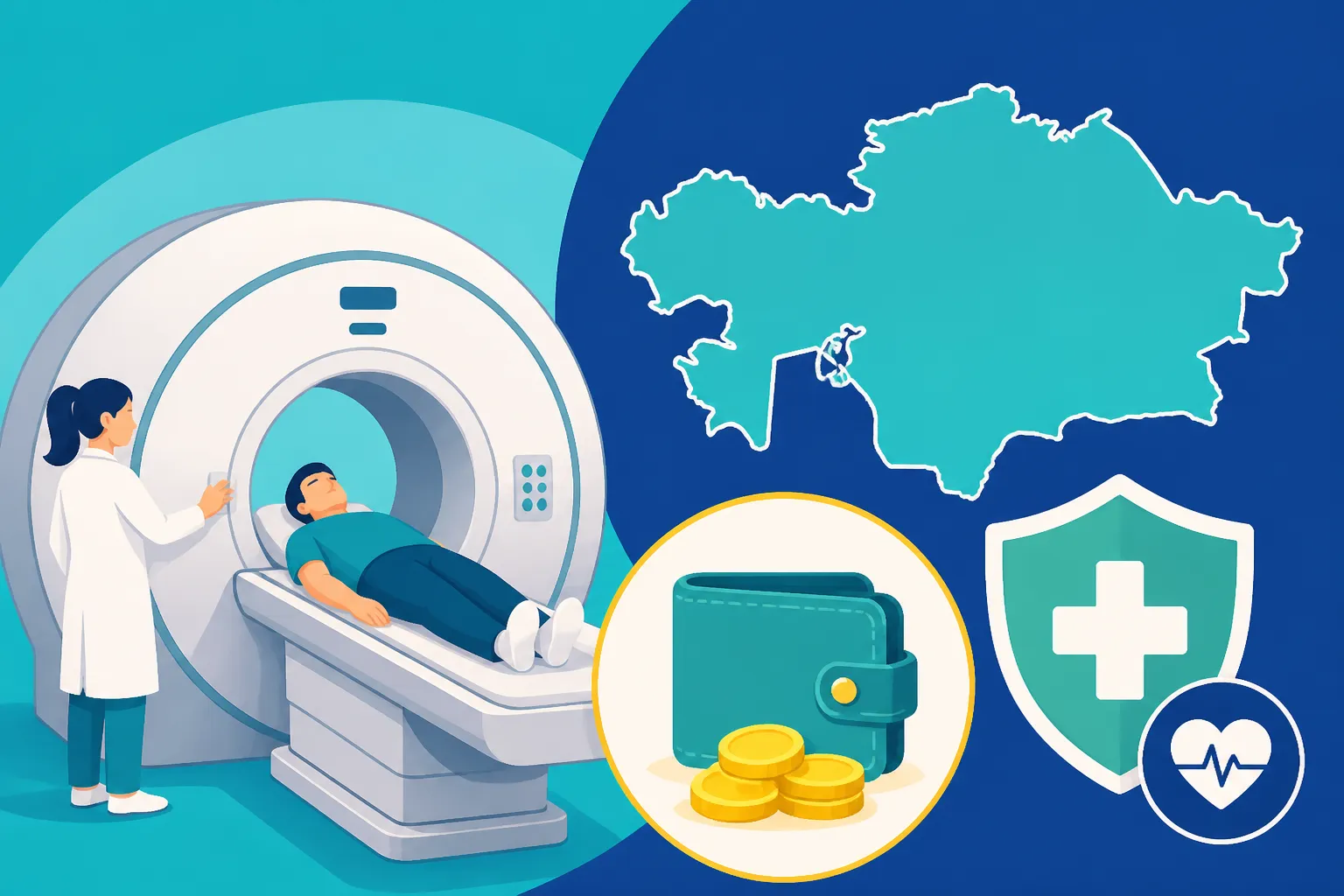
How Much Does an MRI Scan Cost in Kazakhstan in 2026?
Navigating the healthcare system in a new country can feel like solving a Rubik's Cube blindfolded, especially when you're faced with the need for specialized diagnostic tests like an MRI. It's a common worry for many expats: will I be understood? Will it cost an arm and a leg? This guide is here to unravel the mystery of MRI scan costs in Kazakhstan for 2026, offering realistic expectations and practical advice so you can get the care you need without the added stress of financial surprises.
How Much Does an MRI Scan Cost in Kazakhstan in 2026?
Let's cut right to the chase, because when you need an MRI, you're usually worried and just want the facts. The cost of an MRI scan in Kazakhstan for 2026 can vary significantly, ranging anywhere from 30,000 KZT to over 150,000 KZT, or even higher for very complex scans requiring advanced protocols or multiple contrast injections. This wide range isn't just about the procedure itself; it's a tapestry woven from several factors, including the specific body part being scanned, whether contrast dye is used, the type of clinic you choose, and even the city you're in.
For example, a standard MRI of the brain without contrast might sit at the lower end of that spectrum, perhaps around 40,000-60,000 KZT in a reputable private clinic in Almaty or Astana. However, if you need an MRI of the lumbar spine with contrast, that price could easily jump to 90,000-120,000 KZT. Pediatric MRIs, or those for less common conditions, can also incur higher costs due to specialized equipment or expertise required. It's a system that, while generally more affordable than many Western countries, still requires a bit of savvy navigation.
Factors Influencing MRI Costs
Understanding why the price fluctuates so much is key to not feeling ripped off. It's not always about gouging foreigners; there are legitimate reasons for the differences you'll encounter.
Firstly, the type of MRI makes a huge difference. A basic MRI of a single joint, like a knee or shoulder, will almost certainly be cheaper than a full spinal MRI or a detailed abdominal scan that requires multiple sequences. The more complex the imaging protocol, the more time the machine is occupied, and the more intricate the analysis required by the radiologist. This directly translates to a higher price tag.
Secondly, the use of contrast material significantly impacts the cost. Contrast agents, typically gadolinium-based, are injected intravenously to enhance specific tissues or pathologies, making certain abnormalities more visible. These dyes are pharmaceutical products, and their cost, plus the medical personnel required to administer them and monitor for reactions, is added to your bill. If your doctor suspects inflammation, tumors, or certain vascular issues, contrast will often be recommended, and you should factor in an additional 20,000-40,000 KZT for this alone.
Then there’s the clinic itself. Public hospitals and polyklinikas, if you can access an MRI through the state system, will be the cheapest option, potentially even free under OSMS if you meet the criteria (more on that later). However, getting an appointment can be a lengthy process. Private diagnostic centers, such as those popular with expats like Doktor O, Interteach, or those within larger private hospital networks, offer quicker appointments, often more modern equipment, and a better chance of finding English-speaking staff, but they come with a premium price. These private clinics invest heavily in cutting-edge MRI machines and highly trained specialists, which explains their pricing. Location also plays a role; an MRI in a bustling city like Almaty or Astana will generally be more expensive than in a smaller regional center, simply due to higher operating costs and demand.
Finally, urgency can be a factor. While not usually an explicit surcharge, if you need an MRI on very short notice, especially outside regular hours, you might find that only certain private clinics can accommodate you, and their standard rates for such quick turnaround might naturally be higher. It's not an emergency fee, per se, but rather the cost of their flexibility and availability.
Average Cost Ranges in Key Cities
To give you a clearer picture, here's a general breakdown of what you might expect to pay for different types of MRI scans in Kazakhstan's major expat hubs. Remember, these are estimates, and it's always best to get a direct quote from the clinic.
| MRI Type (without contrast) | Estimated Cost Range (KZT) in Private Clinics | City Examples | Notes |
|---|---|---|---|
| Brain MRI | 40,000 – 70,000 | Almaty, Astana | Standard scan |
| Spine MRI (Cervical, Thoracic, or Lumbar) | 45,000 – 80,000 | Almaty, Astana, Shymkent | Per segment; full spine will be more |
| Joint MRI (Knee, Shoulder, Ankle) | 35,000 – 65,000 | Almaty, Astana, Aktau | Single joint scan |
| Abdominal or Pelvic MRI | 60,000 – 100,000 | Almaty, Astana | Often requires more complex setup |
| Additional for Contrast Dye | 20,000 – 40,000 | All cities | Added to the base cost |
These figures can serve as a decent benchmark. If you're quoted significantly outside these ranges, it's worth asking for clarification or checking with another clinic. Don't be shy about calling around – it's your health and your wallet, after all.
Navigating the Process of Getting an MRI
So, you've got a general idea of the cost, but how do you actually go about getting an MRI here? It's not quite as simple as just walking into a clinic and asking for one. The Kazakhstani healthcare system, like many others, has protocols in place, especially for advanced diagnostics.
Getting a Referral
The first and most crucial step is almost always getting a referral from a doctor. You won't typically be able to just book an MRI directly off the street in Kazakhstan. This usually means seeing a general practitioner (GP) or a specialist, depending on your symptoms and the suspected issue.
If you're covered by the Compulsory Social Health Insurance (OSMS) and registered with a local polyklinika, your journey will start there. You'll need to schedule an appointment with your assigned GP, explain your symptoms, and they will decide if an MRI is medically necessary. If they deem it so, they will issue a referral. This process can sometimes feel slow, as public system doctors often follow a step-by-step diagnostic process before jumping to an MRI, which is an expensive resource. If you're looking for guidance on how to choose and register with a clinic (poliklinika) in Kazakhstan, that's a good place to start.
For expats who prefer the private route, or whose insurance directs them to private providers, the process is generally smoother. You can book an appointment directly with a private GP or specialist at a clinic like the International SOS Clinic (though often requiring a direct payment or private insurance), Interteach, or other private medical centers. These doctors are usually quicker to issue referrals for MRIs if they believe it's warranted, often due to their access to a wider range of diagnostic tools within their network and a focus on patient convenience. You can also explore options on how to find an English-speaking doctor in Kazakhstan to simplify communication.
Choosing a Clinic for Your MRI
Once you have that golden referral, you'll need to decide where to actually get the scan done. This choice usually boils down to public versus private, and each has its own set of pros and cons for expats.
Public Hospitals/Polyklinikas: If your referral comes from a public polyklinika and you're covered by OSMS, you'll likely be directed to a specific public hospital or diagnostic center. The main advantage here is cost – it might be partially or fully covered. However, prepare for potentially longer waiting times for appointments. These facilities can be crowded, and navigating them without fluent Russian or Kazakh can be a significant challenge. The equipment might also be older, though still perfectly functional for most diagnoses. It's a trade-off between cost and convenience. For a deeper dive into the system, you might want to read about how Kazakhstan's health system works: OSMS and Private Care Explained (2026).
Private Diagnostic Centers and Hospitals: This is where most expats end up, primarily for the convenience, speed, and often better patient experience. In major cities like Almaty and Astana, you'll find numerous private diagnostic centers specializing in imaging. Many also offer English-speaking staff, making the entire experience far less stressful. Clinics like Doktor O, Interteach, or Mediker are popular choices. They boast modern MRI machines (often 1.5 Tesla or 3 Tesla, offering higher resolution), professional radiologists, and efficient scheduling. The downside, of course, is the higher out-of-pocket cost if your insurance doesn't cover it or if you're paying cash. However, for many, the peace of mind and faster results are worth the investment. When considering these options, understanding the difference between public and private hospitals in Kazakhstan can be incredibly helpful.
When choosing, don't hesitate to:
- Ask about the type of MRI machine they use (1.5T or 3T – 3T offers higher detail but isn't always necessary).
- Inquire about the radiologists' qualifications and experience.
- Confirm if the report will be provided in English or if a certified translation service is available.
- Get a clear, itemized quote that includes the scan, contrast (if needed), and the radiologist's report.
Insurance and Payment Options
Now that you know what to expect in terms of cost and process, let's talk about how you'll actually pay for this. This is where your insurance situation comes into play, and it's a critical aspect for every expat to understand.
Understanding OSMS Coverage
Kazakhstan's Compulsory Social Health Insurance (OSMS) is designed to provide comprehensive medical care for residents who contribute to the system. If you are officially employed in Kazakhstan and making your regular OSMS contributions, you are generally covered. Under OSMS, medically necessary MRI scans should be covered. However, there are nuances.
First, the MRI must be deemed medically necessary by a doctor within the OSMS system, typically your polyklinika GP or a specialist they refer you to. You can't just get an MRI because you feel like it. Second, you'll likely be referred to a public diagnostic center or hospital that has a contract with the OSMS fund. This can mean longer waiting lists compared to private clinics. While theoretically covered, the practicalities of accessing an MRI through the public system for an expat can be challenging due to language barriers, administrative hurdles, and wait times. You might find yourself weighing the cost savings against the convenience and speed of private care. It’s worth checking your status and understanding how to register for OSMS health insurance in Kazakhstan (2026) to make sure you're properly enrolled.
Private and International Health Insurance
For many expats, private health insurance is the preferred route for specialized diagnostics like an MRI. This could be a local private plan purchased in Kazakhstan or an international health insurance policy you brought with you.
Local Private Insurance: Companies like Interteach or Mediker offer local private health insurance plans that often include coverage for outpatient diagnostics, including MRIs. These plans can be more budget-friendly than international options but might have limitations on network providers or direct billing. Always check the specific terms of your policy regarding diagnostic tests, referral requirements, and whether you need pre-authorization.
International Health Insurance: Many expats opt for robust international health insurance from providers like Cigna, Aetna, or Allianz. These plans typically offer more comprehensive coverage and often allow you to seek treatment at a wider network of private clinics, sometimes even with direct billing, meaning the clinic bills your insurance directly, and you only pay any co-pay or deductible. If you're covered by such a plan, you'll usually just need to follow your insurer's protocol for pre-authorization, get your referral, and then head to a private clinic of your choice. It's advisable to carry your insurance details and contact numbers at all times. For new arrivals or those on shorter stays, even a robust travel insurance like SafetyWing could cover emergency diagnostics, though usually after a deductible and for acute conditions. Many expats find SafetyWing an excellent option for covering unexpected medical incidents before they settle into a more permanent local or international health plan. To understand your options, take a look at understanding private health insurance plans in Kazakhstan.
Out-of-Pocket Payments
If you don't have OSMS coverage (e.g., you're a tourist, a new arrival not yet employed, or self-employed without voluntary contributions) or your private insurance doesn't cover the full cost, you'll be paying for your MRI scan out of pocket.
In this scenario, comparing prices between private clinics becomes even more important. Don't be afraid to call a few different diagnostic centers to get quotes. Make sure these quotes are comprehensive and include the scan itself, any contrast material, and the radiologist's report. Ask if there are any hidden fees.
Payment is typically expected at the time of service. Most private clinics accept cash (Kazakhstani Tenge), and major credit/debit cards. It’s always a good idea to confirm payment methods when you book your appointment. While it might seem like a lot of money upfront, remember that Kazakhstan's private healthcare costs, even for advanced diagnostics, are often considerably lower than what you'd find in Western Europe or North America. This is one of the reasons why Kazakhstan has affordable healthcare.
Tips for Expats Getting an MRI
Dealing with medical procedures in a foreign country is never a walk in the park. Here are a few insider tips to help make your MRI experience in Kazakhstan as smooth as possible.
Language Barriers and Assistance
This is often the biggest hurdle. While some private clinics in Almaty and Astana will have English-speaking staff, it's not guaranteed, especially for the radiologists or technicians. Don't assume.
- Ask in advance: When booking your appointment, specifically ask if English-speaking staff will be available during your scan.
- Bring a translator: If not, or if you're going to a public facility, consider bringing a Kazakh or Russian-speaking friend, colleague, or a professional medical translator. They can help you understand instructions, communicate any discomfort, and ensure you grasp the results.
- Use translation apps: Have a reliable translation app on your phone, though these are best for simple phrases, not complex medical discussions.
- Request an English report: Always ask if the final radiologist's report can be provided in English. If not, budget for a professional translation service afterward. This is crucial for your home country doctors if you plan to share results.
Comparing Prices and Quality
As we’ve discussed, prices vary, and so can the quality of the experience and technology.
- Get multiple quotes: Don't settle for the first quote you receive. Call at least two or three private diagnostic centers in your city. You might be surprised by the differences.
- Inquire about technology: While a 3 Tesla MRI machine offers superior image quality for certain conditions (especially brain and musculoskeletal imaging), a 1.5 Tesla machine is perfectly adequate for most diagnostic purposes and often less expensive. Ask what kind of machine they have.
- Check reviews: Online reviews (Google Maps, 2GIS, expat forums) can offer insights into other patients' experiences with specific clinics, particularly regarding wait times, staff friendliness, and communication.
- Consider a travel insurance like SafetyWing: If you're still on the fence about long-term insurance or are just visiting, SafetyWing can provide a safety net for unexpected medical costs, including diagnostics, offering a flexible and affordable option.
- Confirm all inclusions: Ensure the price you are quoted includes everything: the scan, the contrast (if needed), the radiologist's interpretation, and a copy of your images (usually on a CD/DVD or accessible online). Understanding hospital admission and billing in Kazakhstan can help you avoid unexpected charges.
By taking these steps, you empower yourself to make informed decisions, minimize stress, and ultimately get the diagnostic care you need in Kazakhstan without unnecessary financial burden.
Disclaimer
Please remember that this guide provides general information based on typical expat experiences and publicly available data for Kazakhstan in 2026. Healthcare costs and procedures can change rapidly. Always verify current prices, specific requirements, and insurance coverage directly with healthcare providers and your insurance company before undertaking any medical procedures. This article is not a substitute for professional medical or financial advice.