What Is OSMS and How Does It Work in Kazakhstan?
Ah, the Kazakhstani healthcare system. If you've just arrived in Kazakhstan, or even if you've been here a while, you've probably heard the acronym OSMS tossed around, often with a mix of confusion and resignation. It's the cornerstone of local healthcare, and understanding it is absolutely crucial, but figuring out what it is and how it actually works can feel like deciphering ancient runes, especially when you're already juggling a new language and culture. This guide is here to cut through the jargon and give you the real lowdown on Kazakhstan's mandatory social health insurance system, so you can navigate it with a bit more confidence.
Demystifying OSMS: What Exactly Is This Healthcare System?
Let's be honest, the moment you hear "mandatory social health insurance," your mind probably goes to complex government forms and endless queues. While there's a grain of truth to the bureaucratic aspect of life here, understanding OSMS at its core isn't nearly as daunting. Think of it as the foundational safety net, a collective effort to ensure everyone living and working in Kazakhstan has access to essential medical care. It’s a vital part of the daily life and social contract here, and as an expat, you’re almost certainly a part of it.
The Core Concept: Social Solidarity in Healthcare
OSMS, or Міндетті әлеуметтік медициналық сақтандыру (Mandatory Social Health Insurance), is Kazakhstan's answer to universal healthcare. It's built on a principle of social solidarity, meaning that everyone who can contributes a small portion of their income (or the state contributes on their behalf) into a common fund. This fund then pays for the healthcare services for everyone covered by the system. It’s not quite like private insurance where you pay for your own specific coverage; instead, it's a shared pool designed to distribute risk and provide broad access.
From an expat perspective, this might remind you of the public health systems found in many European countries or Canada, where contributions are made through taxes or payroll deductions, and in return, you receive care. It aims to ensure that no one is left without fundamental medical attention due to their financial situation. The goal is equitable access, focusing on primary care, necessary specialist visits, diagnostics, and hospitalization within the state-provided network.
Who Is Covered and Who Pays What?
This is where it gets a little more specific, but bear with me because it directly impacts you. Essentially, nearly all residents of Kazakhstan are covered by OSMS, but how you contribute depends on your employment status.
If you're working for a local company as an employee, congratulations! Your employer is typically responsible for deducting and contributing to OSMS on your behalf. This is usually a small percentage of your salary – currently, employers contribute 3% of your monthly income, and employees contribute 2%. It's a straightforward payroll deduction, so you might not even notice it much, but rest assured, those payments are securing your medical access.
For the self-employed, individual entrepreneurs (IPs), or those working under civil law contracts, the responsibility shifts to you. You're expected to make your own contributions. This is a fixed monthly payment based on the minimum wage, and it's essential to stay on top of it. Missed payments can lead to your OSMS status becoming "inactive," which means you won't be able to access services until you catch up on your arrears and pay any associated fines. The good news is that the state also covers contributions for certain vulnerable groups, like children, pensioners, disabled persons, and those on maternity leave, ensuring a wide safety net.
So, if you're a working expat, whether employed or self-employed, you are almost certainly paying into OSMS. This is your ticket to accessing the public healthcare infrastructure here.
Navigating the OSMS System: Your Access to Healthcare
Okay, so you're contributing. Now what? Getting into the system and actually using it is the next step, and for many expats, this is where the real adventure begins. It’s not always as intuitive as clicking a button, but once you understand the basic flow, it becomes much more manageable.
Registering for OSMS and Getting Your First Appointment
The very first hurdle, and often the most confusing for newcomers, is actually registering yourself within the OSMS system. For most employed expats, your employer usually handles the initial registration and ensures your contributions are made. However, you'll still need to ensure you have a valid IIN (Individual Identification Number), which is the absolute bedrock for any official interaction in Kazakhstan, including healthcare. If you don't have one, that's your first stop.
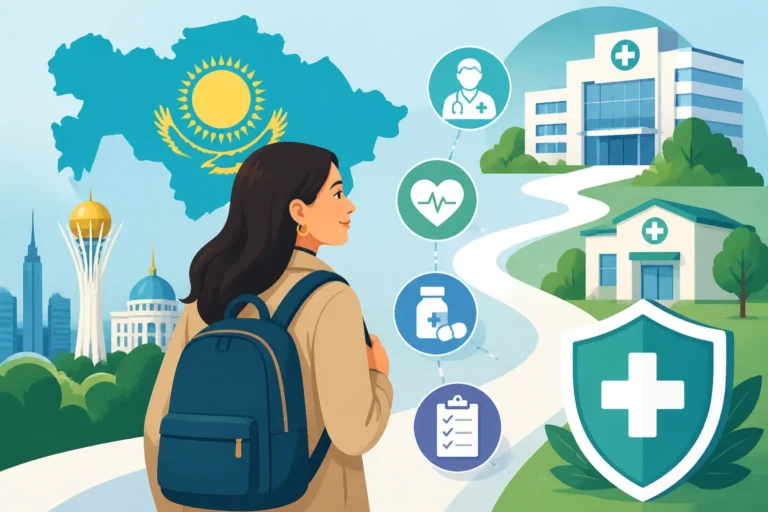
Once your employer starts making contributions, you're officially "active" in the system. But being active isn't enough; you need to attach yourself to a specific primary care provider. This is typically a poliklinika, a local poly-clinic that serves your residential area. This is your medical home, your first point of contact for virtually all non-emergency health concerns. You can't just pick any clinic; it’s usually determined by your registered address.
Registering with a poly-clinic involves visiting the chosen facility, often with your passport, IIN, and sometimes a temporary residence permit (if applicable). Be prepared for some paperwork, and if your Russian or Kazakh isn't up to scratch, bring a friend or colleague who can help translate. The eGov portal and the Taxpayer Cabinet are fantastic online resources that you'll become very familiar with during your time here for all things administrative. They're often where you can check your OSMS status or even apply to change your poly-clinic. For a more detailed walkthrough, you might want to look at our guide on How to Register for Compulsory Social Health Insurance (OSMS) in Kazakhstan.
What Services Are Covered Under OSMS?
The beauty of OSMS is its comprehensive nature for standard medical needs. When you're "active" and registered with your poly-clinic, you're entitled to a wide array of services. Your poly-clinic will be your gateway to primary care, including general practitioner visits, basic diagnostics (blood tests, urine tests, some X-rays), and routine check-ups. This is where you'll go for common colds, minor ailments, or to get a referral for something more serious.
The referral system is key here: you can't typically bypass your GP and go straight to a specialist. For example, if you suspect you need to see a dermatologist, you'll first visit your GP at the poly-clinic, explain your symptoms, and they will then provide a referral to a specialist within the OSMS network. This structure helps manage resources and ensures appropriate levels of care. Covered specialist consultations, diagnostics, and treatments are all part of the package once referred.
OSMS also covers emergency medical care (though how seamless this is for an expat without local language skills can vary), hospitalizations in state facilities, and a significant portion of prescription medications, particularly those on a government-approved list for chronic conditions or severe illnesses. For families, services like Understanding Maternity and Prenatal Care in Kazakhstan are largely covered, as are childhood vaccinations, which is a massive relief for expat parents. For a full picture of the benefits, check out What Is Covered by OSMS in Kazakhstan?.
Understanding Out-of-Pocket Costs and Limitations
Now, while OSMS is designed to be comprehensive, it's not entirely a "free at the point of use" system in every scenario, and it does come with certain practical limitations that expats often encounter. It's crucial to manage your expectations to avoid frustration.
Firstly, while many services are fully covered, there can be co-payments for certain specialized diagnostics or specific medications not fully subsidized by the state. You might find that while your doctor's visit is free, a particular lab test or a prescribed drug has a small charge. These "out-of-pocket" costs are usually minimal, but they exist. For a deeper dive into these, read Understanding Out-of-Pocket Healthcare Costs and Co-Payments in Kazakhstan.
Secondly, and this is a common point of contention for many expats, wait times can be a factor. While emergencies are handled swiftly, getting an appointment with a popular specialist or scheduling a non-urgent diagnostic scan through the OSMS system might involve waiting a few weeks. This isn't unusual for state-run systems worldwide, but it can be a shock if you're used to instant access. Language can also be a significant barrier; while some doctors, especially in larger cities like Almaty and Astana, might speak English, it's certainly not guaranteed, particularly in poly-clinics. You might find yourself needing to bring a translator or relying on a colleague to help you communicate your symptoms accurately.
These limitations often lead expats to consider supplementary private healthcare options, even if they are fully covered by OSMS. The system provides a solid base, but sometimes, for convenience, speed, or language preference, additional insurance or direct private payments become appealing.
OSMS vs. Private Insurance: Making the Right Choice for Expats
Navigating healthcare as an expat is rarely a one-size-fits-all situation. While OSMS provides a mandatory foundation, many foreign residents find themselves weighing its benefits against the appeal of private insurance. It's not necessarily an either/or decision; often, the optimal solution for an expat involves a strategic blend of both.
The Pros and Cons of Relying Solely on OSMS
For many, especially those on a tighter budget or whose employer handles all the administrative heavy lifting, relying solely on OSMS is a viable option.
Pros:
- Affordability: Since contributions are mandatory and often deducted from your salary or a small fixed sum, OSMS is generally a very affordable way to access healthcare, especially compared to the high costs of private insurance in some Western countries. If your employer pays, it feels almost "free" at the point of use.
- Comprehensive Basic Coverage: For general illnesses, common injuries, necessary diagnostics, and emergency situations that require hospitalization in public facilities, OSMS covers a broad spectrum. It's designed to prevent significant financial burden from unexpected medical events.
- Established Network: Kazakhstan has a wide network of poly-clinics and state hospitals across the country. Wherever you live, there will be an OSMS-affiliated facility.
- State-Backed System: As a government-mandated system, it provides a certain level of security and standardization, ensuring basic medical rights for all contributors.
Cons:
- Language Barrier: This is perhaps the most significant hurdle. While younger medical staff in major cities might have some English, relying on it in a public poly-clinic is risky. Miscommunication can lead to anxiety and potential errors.
- Potentially Longer Wait Times: For non-urgent specialist appointments or elective procedures, you might face wait times that are longer than you'd prefer, especially if you're used to systems with quick access.
- Limited Choice of Doctors and Clinics: You're generally assigned a poly-clinic based on your address, and your choice of specialists is limited to those within the OSMS network, with referrals being essential. Personal preferences for specific doctors might not be accommodated.
- Administrative Hassle: Dealing with paperwork, understanding processes (especially if they change), and navigating the eGov portal can be challenging without strong Russian or Kazakh language skills.
When Private Health Insurance Becomes a Game-Changer
Given these limitations, it's no wonder many expats choose to invest in private health insurance, not as a replacement, but as a vital supplement to OSMS. This is where options like international private insurance can really shine, filling the gaps that the public system, by its very nature, can't always address.
The primary benefits of private insurance are often centered around convenience, choice, and language. With a good private plan, you typically gain access to private clinics and international hospitals, which often boast English-speaking staff, shorter wait times, and more comfortable, modern facilities. Imagine being able to call a dedicated helpline in English, book an appointment directly with a specialist without a referral, and have peace of mind that your insurance covers the bill directly. This is a game-changer for many.
Many expats, myself included, find that a good international health insurance plan, like those offered by SafetyWing, provides that crucial peace of mind. It allows you to bypass some of the bureaucratic hurdles and language issues inherent in the public system. For instance, if you get a sudden ear infection, with private insurance you could likely go directly to a private ENT specialist who speaks English, rather than waiting for a GP referral in a busy poly-clinic where communication might be a struggle. Even with OSMS, having something like SafetyWing can fill gaps, especially for unforeseen emergencies when you might prefer care from a provider with English-speaking staff or when traveling regionally.
These private plans often cover things like direct access to a wider pool of specialists, faster appointments, access to higher-end diagnostic equipment, and sometimes even medical evacuation or repatriation – critical coverage for an expat. You can explore more about these options in our guide to Understanding Private Health Insurance Plans in Kazakhstan and decide if Do I Need Private Health Insurance in Kazakhstan? is the right question for you.
Practical Scenarios: Blending OSMS with Private Options
Let's look at how you might practically use both systems in your daily life in Kazakhstan, making the most of each for different situations.
Scenario 1: Routine Check-up or Minor Illness (e.g., common cold)
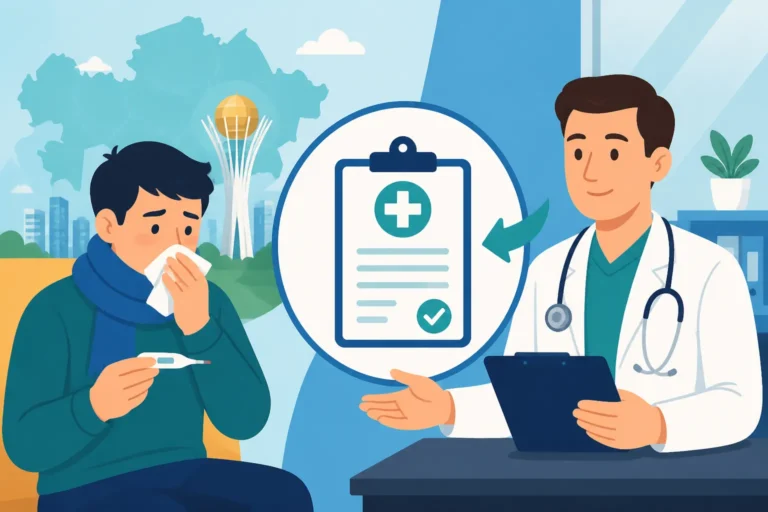
For a routine check-up, a flu shot, or a common cold that isn't severe, heading to your assigned OSMS poly-clinic is a perfectly sensible option. It's covered, it's accessible (once you're registered), and it manages basic primary care effectively. You might need to bring a translation app or a local friend to help with communication, but for straightforward issues, it works.
Scenario 2: Specialist Referral for a Non-Urgent Condition (e.g., persistent back pain)
If you develop persistent back pain, the OSMS route would involve visiting your GP at the poly-clinic first. They would assess you and, if necessary, provide a referral to an orthopedic specialist within the state network. This might involve a wait of a week or two for the specialist appointment.
Alternatively, if you have private insurance, you could often directly book an appointment with an English-speaking orthopedic specialist at a private clinic or international hospital. This offers faster access and potentially a more comfortable consultation experience. For those situations where rapid access to English-speaking medical professionals or international evacuation might be desired, a plan like SafetyWing offers a critical safety net alongside your mandatory OSMS.
Scenario 3: Medical Emergency (e.g., broken bone, severe allergic reaction)
For genuine life-threatening emergencies, the public ambulance service (103) will take you to the nearest state emergency room, and your treatment will be covered by OSMS. The care is focused on stabilizing your condition, and while effective, language can still be an issue. If you have private insurance, depending on its terms, you might be able to request transfer to a private hospital after initial stabilization (if medically appropriate) or have follow-up care covered at a facility of your choosing. For less critical but still urgent situations that aren't life-threatening, a private clinic offers a faster and more comfortable alternative to a public emergency room.
By understanding these distinctions, expats can strategically use OSMS for its core benefits while leveraging private insurance for added comfort, speed, and language support, creating a robust healthcare strategy for their time in Kazakhstan.
Common Expat Questions and Navigational Tips
Moving to a new country always throws up a million questions, and healthcare is usually right at the top. Let’s tackle some of the common queries and offer practical advice to make your OSMS journey a little smoother.
Language Barriers and Finding English-Speaking Help
This is perhaps the single biggest source of anxiety for expats interacting with the public healthcare system. Kazakhstan is a bilingual nation with Kazakh and Russian as official languages, and English is not widely spoken, especially outside of major international businesses or specific private clinics. So, how do you manage?
- Bring a Translator: Your best bet is to always try and bring a local friend, colleague, or even a professional translator to your appointments, particularly initial consultations. Even if a doctor speaks a little English, having someone fluent in Russian or Kazakh can ensure nothing is lost in translation, especially when discussing complex medical symptoms or instructions.
- International Clinics: In Almaty and Astana, there are several international clinics that specifically cater to expats and have English-speaking doctors and staff. While these typically fall under the private insurance umbrella, they are invaluable resources. Knowing where they are and their contact details is crucial, even if you only plan to use them in emergencies or for second opinions. Learn more about how to find English-speaking care in How to Find an English-Speaking Doctor in Kazakhstan.
- Employer Support: If you're working for an international company, they often have staff or resources dedicated to helping expats with administrative tasks, including healthcare appointments. Don't be shy to ask for their assistance!
- Translation Apps: While not perfect, apps like Google Translate or Yandex Translate can be lifesavers for basic communication or understanding written instructions. Just make sure the doctor is patient enough to let you use it.
What if I'm Self-Employed or a Digital Nomad?
The landscape for self-employed individuals and digital nomads has been evolving in Kazakhstan, particularly with the introduction of visas like the Neo Nomad visa. Your OSMS obligations here can be a bit more nuanced than for traditionally employed expats.
If you're registered as an Individual Entrepreneur (IP) in Kazakhstan, you are legally obligated to make your own OSMS contributions. These are usually a fixed monthly amount, distinct from employee deductions. It's vital to stay current with these payments, as falling into arrears will deactivate your OSMS status and prevent you from accessing services. The burden of ensuring timely payments and understanding the calculation falls directly on you. Our guide on Understanding Health Coverage for the Self-Employed in Kazakhstan goes into more detail.
For digital nomads, especially those considering or already on the Neo Nomad visa, the situation can differ. Some visas might require proof of international health insurance, effectively exempting you from mandatory OSMS contributions if you're not formally employed by a Kazakhstani entity. However, this varies, so it's absolutely crucial to check the specific requirements of your visa and residency status. This is another natural place for SafetyWing. If you're a digital nomad on the Neo Nomad visa or self-employed, understanding your OSMS obligations is key. Sometimes, an international health plan like SafetyWing is either required or highly recommended to ensure continuous comprehensive coverage, especially if your OSMS status isn't clear-cut or if you travel frequently. For more information on this, check out The Expat Guide to the Neo Nomad (Digital Nomad) Visa in Kazakhstan (2027). Always clarify your exact obligations with official sources or a local legal/accounting professional to avoid future headaches.
Here's a quick comparison to help you visualize the differences:
| Feature | OSMS (Mandatory Social Health Insurance) | Private Health Insurance (e.g., SafetyWing) |
|---|---|---|
| Purpose | Universal access, social solidarity | Supplemental, enhanced access, tailored coverage |
| Mandatory for Expats? | Yes, if working or resident (usually) | Optional, but highly recommended by many expats |
| Cost Basis | % of salary (employee/employer) or fixed monthly payment | Monthly/annual premium based on age, coverage, and provider |
| Provider Choice | Assigned poly-clinic; state hospitals | Wide choice of private clinics, international hospitals |
| Language Support | Primarily Russian/Kazakh; limited English | Often English-speaking staff and doctors |
| Wait Times | Can be longer for non-urgent specialists | Generally shorter for appointments and procedures |
| Referrals Required? | Yes, from GP to specialist | Often direct access to specialists (plan dependent) |
| Emergency Coverage | Yes, in state facilities | Yes, can include international evacuation (plan dependent) |
| Travel Coverage | Typically limited to Kazakhstan | Often includes international travel and repatriation |
| Administrative Ease | Can be complex for non-locals | Usually simpler, often with dedicated expat support |
This table highlights why many expats consider private insurance not as a luxury, but as a practical necessity to complement the essential services provided by OSMS, especially for peace of mind and overcoming common expat challenges.
Disclaimer
Please remember that I am an expat blogger sharing my experiences and research, not a licensed financial advisor or legal professional. The information provided in this guide is for general informational purposes only and may not apply to your specific situation. Healthcare regulations and insurance policies can change rapidly in Kazakhstan. Always consult with official government sources, legal experts, or professional insurance brokers to get the most accurate and up-to-date advice tailored to your personal circumstances before making any decisions related to your healthcare or insurance coverage in Kazakhstan.