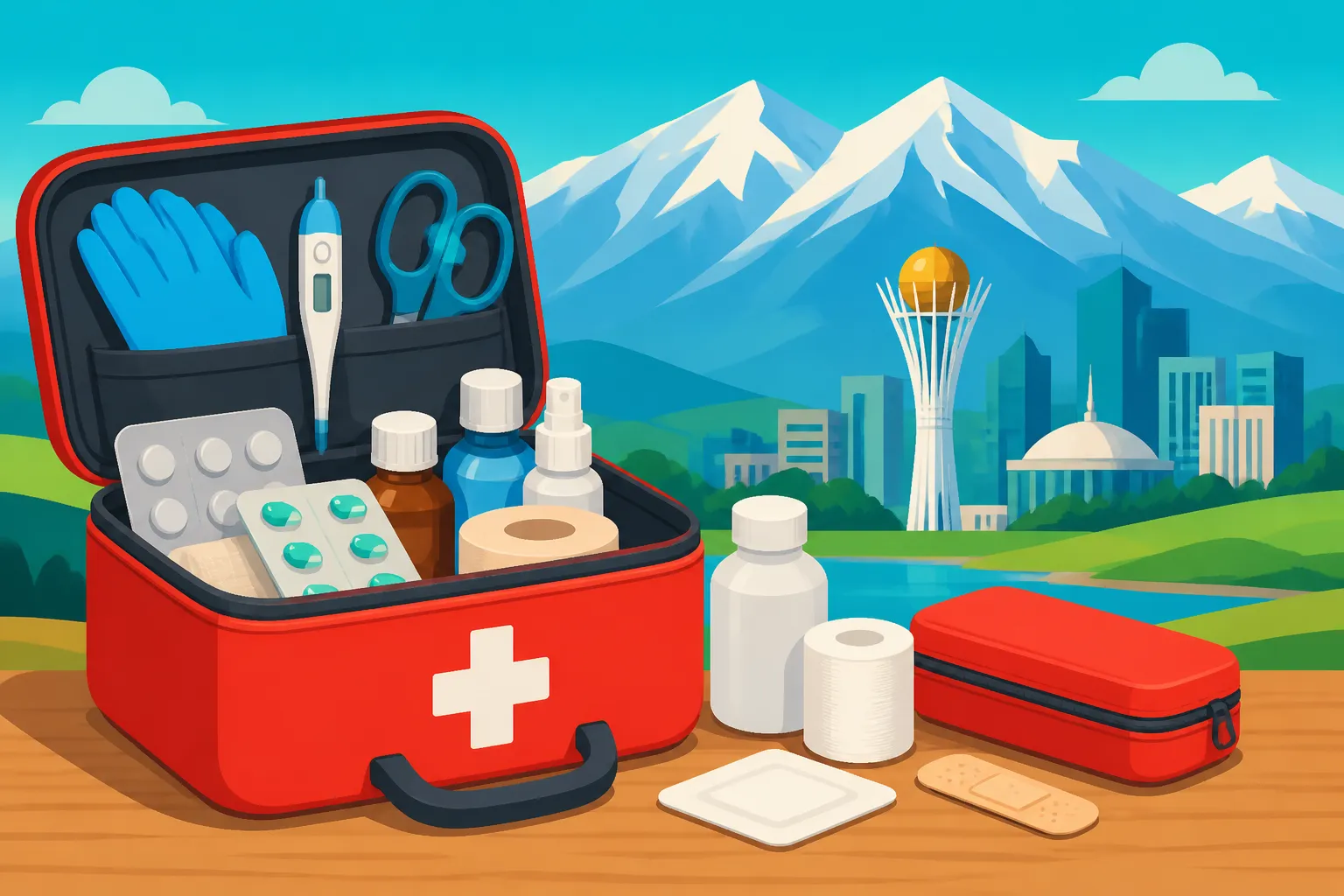
What Should I Pack in a Home Medical Kit for Kazakhstan?
Moving to Kazakhstan, whether for work, study, or adventure, brings with it an undeniable sense of excitement, but it also means stepping into the unknown, especially when it comes to something as crucial as your health. Navigating local pharmacies, language barriers, and figuring out what medications are available can be a real headache when you're feeling under the weather. This guide will help you assemble a comprehensive home medical kit, ensuring you're prepared for common ailments and minor emergencies long before you need to decipher a Kazakh or Russian prescription.
The Essentials: Your Everyday First Aid Arsenal
When you're far from home, a minor sniffle or an upset stomach can feel like a major crisis if you don't have your familiar remedies at hand. Think about what you usually reach for at home – that's your starting point. The availability and exact brand names of over-the-counter medications in Kazakhstan might surprise you, so it's always better to arrive prepared.
Pain Relievers and Anti-Inflammatories
Life in Kazakhstan, particularly in bustling cities like Almaty or Astana, can be physically demanding. Long walks, adapting to new climates, or even just the stress of settling in can bring on headaches, muscle aches, or period pain. Having a reliable pain reliever you trust is non-negotiable.
Pack a good supply of ibuprofen (like Advil or Nurofen) and paracetamol (Tylenol or Panadol). These are generally available here, but sometimes under different brand names, and you might find yourself in a pharmacy where English isn't widely spoken. Imagine trying to explain you need a "non-steroidal anti-inflammatory drug" with a throbbing migraine – not fun! Having your preferred brand ensures you get the right dosage and formulation you're accustomed to. Some people also find topical pain relief gels, like those containing diclofenac, incredibly useful for sprains or muscle strains. They're often cheaper and readily available in Kazakhstani pharmacies, but having one for immediate use after a minor mishap is prudent.
Allergy Relief and Cold/Flu Fighters
Seasonal allergies can hit hard, and the dry, continental climate of Kazakhstan can sometimes exacerbate respiratory issues for newcomers. A sudden allergic reaction, whether from pollen, dust, or an unfamiliar food ingredient, needs prompt attention. Stock up on your preferred antihistamines, both non-drowsy options for daytime relief (like cetirizine or loratadine) and a sedating one (like diphenhydramine) for nighttime symptoms or more severe reactions.
Colds and flu are unfortunately universal. While you might find local remedies and cold medicines, they might not contain the active ingredients you're familiar with, or the dosages might differ. Bring a solid multi-symptom cold and flu remedy – something that tackles coughs, congestion, and fever. Throat lozenges, saline nasal sprays, and perhaps even a decongestant spray can be lifesavers. While you can usually find these items in local apteka (pharmacies), the language barrier can make finding the exact product you need difficult when you're feeling miserable. Don't forget a strong immune booster, like vitamin C or zinc supplements, to help ward off those initial chills.
Digestive Distress and Stomach Saviours
Ah, the infamous traveler's tummy. It's almost a rite of passage when moving to a new country. Different food preparation, new spices, unfamiliar bacteria, or even just the stress of adapting can throw your digestive system into a tizzy. Trust me, you do not want to be caught unprepared.
Imodium (loperamide) for diarrhoea and Gaviscon or similar antacids for indigestion and heartburn should be at the top of your list. Probiotics are also an excellent idea to start taking before you arrive and continue daily to help your gut flora adjust. You might also consider bringing rehydration salts, especially if you're planning any strenuous activity or find yourself with severe stomach issues. A common scenario for expats involves trying new, delicious Kazakh cuisine, only to find their stomach isn't quite ready for the adventure. Having these "stomach saviours" means you can manage symptoms quickly and get back to enjoying your new life without unnecessary discomfort. For more serious concerns about medication, it's wise to consult guides like Prescription Medications and Pharmacies in Kazakhstan: The Complete Guide before you travel.
Wound Care and Minor Injury Management
Accidents happen, no matter where you are. A clumsy fall, a kitchen mishap, or even just a blister from exploring a new city can quickly become infected if not treated properly. Having a well-stocked wound care kit means you can handle these minor issues yourself, saving you a trip to a local clinic when it’s not truly an emergency, and potentially avoiding language difficulties.
Antiseptics and Cleaning Solutions
Keeping wounds clean is paramount. Alcohol wipes or a small bottle of antiseptic solution (like Betadine or a generic povidone-iodine solution) are crucial for disinfecting cuts and scrapes. While hydrogen peroxide is also an option, it can sometimes be harsh on skin. Consider bringing a small tube of antibiotic ointment (like Neosporin or Bacitracin) to prevent infection, especially for deeper cuts or abrasions.
In Kazakhstan, you can find various antiseptics, but the familiar brands might not be available, and understanding the labels can be tricky. Imagine you've scraped your knee badly after a stumble on a cobblestone street in Turkestan – the last thing you want is to play guessing games with an unfamiliar antiseptic. Having your preferred cleaning solution ensures effective and safe wound management from the get-go.
Bandages, Dressings, and Tapes
A variety of bandages is your best friend for minor injuries. Stock up on assorted sizes of adhesive bandages (plasters), from small ones for finger cuts to larger ones for knee scrapes. Consider waterproof versions if you'll be active or frequently washing your hands. Beyond the basics, sterile gauze pads are essential for covering larger wounds, and medical tape (micropore or cloth tape) to hold them in place.
Elastic bandages or crepe bandages are also invaluable for sprains or strains, offering compression and support. These are not always easy to find in the exact quality or size you might be used to, particularly in smaller towns outside of Almaty or Astana. Don't forget some moleskin or blister patches – walking around a new city often means lots of walking, and blisters are an unwelcome companion. While you can get most of these at local pharmacies as detailed in Understanding the Pharmacy System and Buying Medicines in Kazakhstan, having a small supply on hand can save you time and hassle.
Blister and Burn Care
Exploring new cities on foot is one of the joys of expat life, but it often comes with the painful price of blisters. Dedicated blister plasters, often hydrocolloid dressings, are far superior to regular bandages for these. They protect the wound, provide cushioning, and promote healing. Bring several sizes.
For minor burns – think a splash of hot tea or touching a hot pan – a burn gel or cream (like aloe vera gel or a silver sulfadiazine cream if you're prone to burns) can provide immediate relief and aid healing. While severe burns always warrant professional medical attention, having something for minor kitchen accidents can be very reassuring. Remember that even a small burn can be excruciatingly uncomfortable, and knowing you have a familiar treatment waiting in your kit can provide significant peace of mind.
Specialty Items and Personal Prescriptions
This section is where your medical kit becomes truly yours. Everyone has unique health needs, and packing these specific items is crucial for continuity of care and managing chronic conditions.
Prescription Medications: Your Lifelines
This is perhaps the single most critical component of your medical kit. If you rely on any prescription medication – for chronic conditions like diabetes, asthma, high blood pressure, or mental health – you must bring a substantial supply. Aim for at least a three-month supply, if not more, to give yourself ample time to navigate the Kazakhstani healthcare system and secure a local prescription. You'll need to know How to Register for OSMS Health Insurance in Kazakhstan (2027) if you plan on using public healthcare, or explore private options.
Always carry your medications in their original packaging with clear labels, and ideally, have a doctor's letter detailing your conditions and the medications you need, including generic names. This letter will be invaluable if you need to explain your situation to a local doctor or pharmacist, or if you encounter any customs issues. Some medications that are readily available in your home country might be prescription-only in Kazakhstan, or worse, not available at all. This foresight can prevent serious health complications and reduce immense stress. If you're wondering Can I Buy Antibiotics Over the Counter in Kazakhstan?, the answer is generally yes for some types, but it's best to consult a doctor.
Eyecare, Ear Care, and Dental Basics
Don't overlook your senses! If you wear contact lenses, pack plenty of solution, spare lenses, and a backup pair of glasses. Finding your specific brand of contact lens solution might be difficult, and you don't want to compromise your eye health with an unfamiliar product. Eye drops for dryness or irritation (especially in Kazakhstan's often dry climate) are also a good idea.
For ear care, consider ear drops for earaches or swimmer's ear, particularly if you plan on swimming or if you're prone to ear infections. Cotton swabs are readily available but often useful to have. When it comes to dental basics, beyond your usual toothbrush and toothpaste, consider a small dental first-aid kit if you're prone to issues. This could include temporary filling material or dental wax for braces – things that can tide you over until you can see a dentist, which you can learn about in Understanding Dental Care Costs in Kazakhstan.
Women's Health and Personal Hygiene
For women, specific items related to reproductive health are essential. If you use oral contraceptives or other hormonal medications, bring a generous supply, as finding an exact match for your formulation locally can be challenging and might require a doctor's consultation. Over-the-counter yeast infection treatments and UTI relief medications are also wise additions, as discussing these sensitive topics with a language barrier can be uncomfortable.
Beyond that, consider any personal hygiene items that are critical to your comfort or routine and might be hard to find. While most major brands are available in big cities, niche products might not be. This category is highly personal, but remember, comfort and familiarity can go a long way in making a new place feel like home.
Tools, Thermometers, and Travel Considerations
A medical kit isn't just about pills and bandages; it's also about the right tools and the right mindset for unexpected situations.
Essential Medical Tools
A good digital thermometer is a must-have. Fevers are common, and accurately monitoring your temperature is key to assessing your health. Forehead thermometers are convenient, but a simple oral or underarm digital thermometer works just fine. Nail clippers and small scissors are surprisingly useful for cutting bandages, opening packaging, or dealing with unruly hangnails – minor things that can become irritating if left untended. Tweezers are essential for splinter removal or tick extraction, especially if you plan on exploring Kazakhstan's beautiful natural landscapes. A small magnifiying glass can also be surprisingly handy for close inspection of skin irritations or splinters.
For those with allergies, an EpiPen (epinephrine auto-injector) is an absolute must if prescribed. Ensure it's in date and that you know how to use it. Always keep it easily accessible, not buried in your checked luggage.
Preparing for Travel and Emergencies
Even with a well-stocked kit, knowing how to react in a medical emergency is vital. Ensure your travel insurance, like a policy from SafetyWing, covers medical emergencies and evacuations in Kazakhstan. Read the fine print! Knowing you have a safety net for significant issues, like a broken bone or a serious illness requiring hospitalization, is incredibly reassuring. You can learn more about different options in Health Insurance in Kazakhstan: OSMS, Private and International Options Explained.
Always have a small, easily accessible "grab-and-go" kit with essential medications (prescriptions, pain relief, allergy meds) in your carry-on luggage when traveling, even short distances within Kazakhstan. This prevents a nightmare scenario if your main luggage is lost or delayed. For more serious situations, knowing What Is the Emergency Phone Number in Kazakhstan? (103 for ambulance, or 112 for general emergencies) is critical, though knowing a few key phrases in Russian or Kazakh could prove invaluable in conveying your situation quickly.
Understanding Local Pharmacies and Availability
While preparing your home kit, remember that Kazakhstan has a robust network of pharmacies, known as apteka. In major cities like Almaty and Astana, you'll find plenty of options, including 24-hour pharmacies. Many pharmacists are knowledgeable, but language can still be a barrier. If you need to seek local advice or replenish supplies, having a translation app ready or a friend who speaks Russian or Kazakh will be extremely helpful.
Availability of specific brands can be hit or miss. Generic medications are common and usually very affordable. For instance, you might find Nurofen (ibuprofen) or Panadol (paracetamol), but also many local equivalents. Antibiotics often require a prescription, though sometimes they can be acquired over the counter in smaller pharmacies or if you know the right terms. It’s always best to consult with a doctor first, and remember that local advice on How to Find an English-Speaking Doctor in Kazakhstan can save you a lot of trouble. This is where an extensive home kit really shines – it buys you time to figure out the local system without immediate pressure.
Home Medical Kit Checklist
Here's a handy table to help you pack your ultimate home medical kit for Kazakhstan:
| Category | Essential Items | Notes for Kazakhstan |
|---|---|---|
| Pain & Fever | Ibuprofen (e.g., Advil, Nurofen), Paracetamol (e.g., Tylenol, Panadol), Topical pain relief gel | Different brands available locally, but exact formulations might vary. Stock your trusted brands. |
| Allergy & Cold/Flu | Antihistamines (non-drowsy & drowsy), Multi-symptom cold/flu remedy, Throat lozenges, Nasal spray, Vitamin C/Zinc | Local brands might be unfamiliar. Dry climate can exacerbate respiratory issues. |
| Digestive Health | Loperamide (Imodium), Antacids (Gaviscon, Rennie), Probiotics, Rehydration salts | New foods can cause upset stomachs. Probiotics are a good preventative measure. |
| Wound Care | Antiseptic wipes/solution, Antibiotic ointment, Assorted adhesive bandages, Sterile gauze pads, Medical tape, Elastic bandage | Crucial for minor injuries when language might impede local pharmacy visits. |
| Specialty Care | Prescription medications (3+ month supply with doctor's letter), Contact lens solution/spare lenses, Eye drops, Ear drops, Dental first-aid | Absolute must-haves. Critical for chronic conditions. Local equivalent difficult to find. |
| Tools | Digital thermometer, Small scissors, Tweezers, Nail clippers, EpiPen (if prescribed) | Essential for monitoring health and minor self-care. Keep EpiPen accessible. |
| Women's Health | Oral contraceptives (extended supply), Yeast infection treatment, UTI relief medication | Sensitive issues, best to be prepared with familiar products. |
| Hygiene | Hand sanitizer, Any specific personal care items you can't live without | Good hygiene is key, especially when out and about. |
Getting your medical kit sorted before you even step foot in Kazakhstan is one of the smartest things you can do as an expat or a long-term visitor. It’s not about being a hypochondriac; it’s about being prepared, self-sufficient, and reducing stress in a new environment. While you'll definitely get to know the local apteka over time, having your familiar remedies provides a crucial buffer as you settle in and understand The Complete Guide to Healthcare in Kazakhstan for Expats (2027). Even with good insurance from providers like SafetyWing, dealing with minor ailments yourself allows you to save those clinic visits for when they're truly necessary. Happy and healthy exploring!
Disclaimer
The information provided in this guide is for general informational purposes only and does not constitute medical advice. While we strive to offer accurate and up-to-date guidance for expats in Kazakhstan, individual health needs vary. Always consult with a qualified healthcare professional before making any decisions related to your health or medications. The availability of specific products and regulations regarding medications can change, and local laws should always be verified.