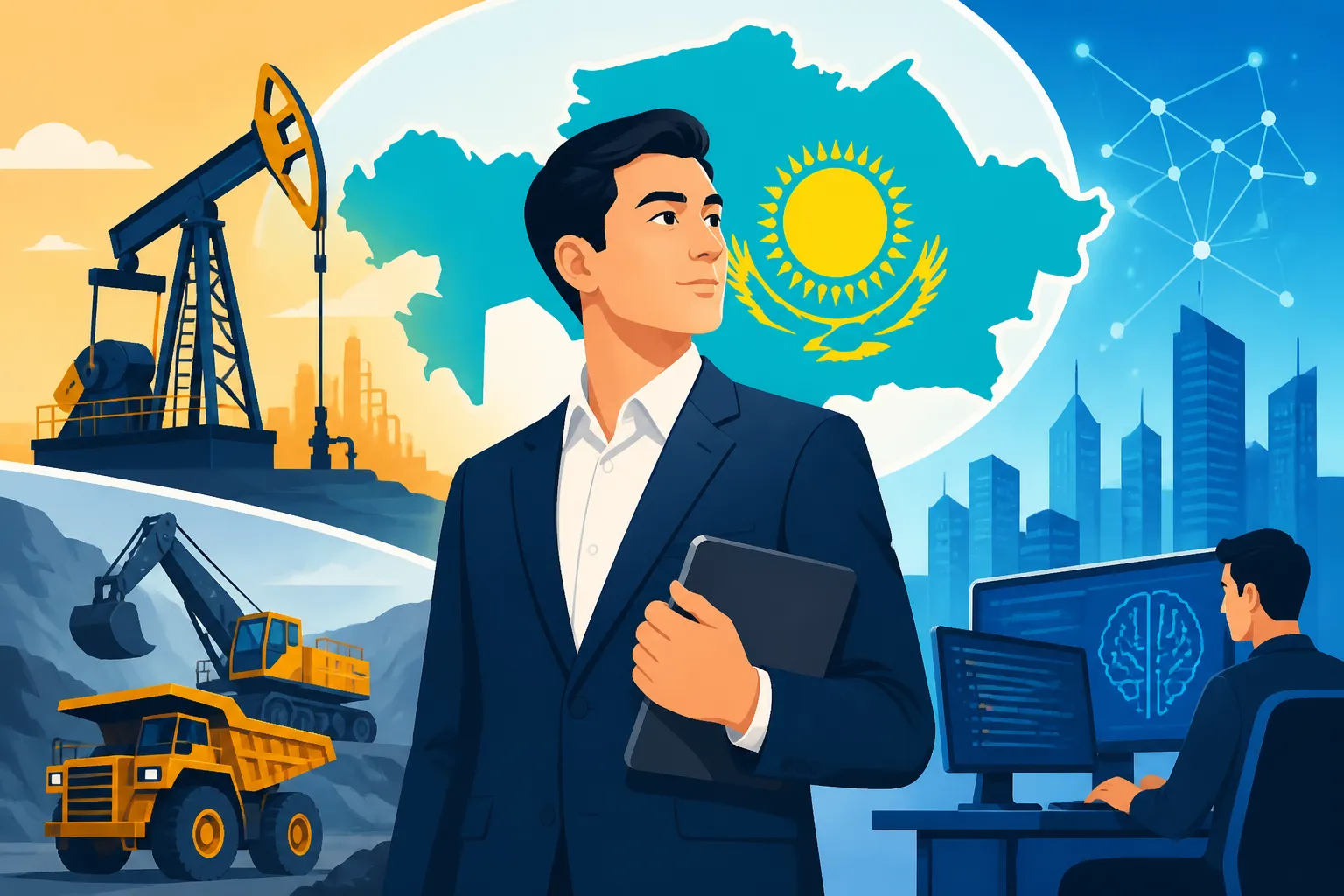
How to Get Hired by an Oil, Mining or Tech Company in Kazakhstan
So, you've got your sights set on working in Kazakhstan's heavy-hitter sectors – oil, mining, or tech. That's a fantastic ambition, and trust me, you're not alone. These industries are magnets for international talent, promising exciting challenges and often, very rewarding compensation packages. But let's be real, landing one of these coveted positions as a foreigner in Kazakhstan isn't like applying for a job back home. It involves a unique blend of navigating local recruitment practices, understanding the immense bureaucratic hurdles, and adapting to a professional culture that might be very different from what you're used to. This guide is going to walk you through the nitty-gritty of how to significantly boost your chances of getting hired by these major players, from tailoring your CV to understanding the visa labyrinth, offering a realistic roadmap forged from years of expat experience here.
Understanding the Landscape: Key Sectors and Major Players
Before you even think about hitting 'send' on that application, you need to understand the lay of the land. Kazakhstan's economy is heavily influenced by its vast natural resources, particularly oil, gas, and various minerals. In recent years, there's also been a significant push to diversify, with the tech sector emerging as a dynamic, if smaller, growth area. Each sector has its own nuances, dominant companies, and specific hiring needs.
The Powerhouse: Oil & Gas Industry
Kazakhstan is a major global player in oil and gas, boasting some of the largest proven reserves in the world. This means a constant demand for skilled professionals across the entire value chain, from exploration and production to refining and distribution. You'll find a strong presence of international giants alongside national companies.
Think of names like Tengizchevroil (TCO), a massive joint venture developing the Tengiz field, or Karachaganak Petroleum Operating B.V. (KPO), operating the Karachaganak field. These are colossal operations, often seeking engineers, project managers, HSE (Health, Safety, and Environment) specialists, finance professionals, and supply chain experts. Then there's the national behemoth, KazMunayGas (KMG), which also has various subsidiaries and joint ventures. What's crucial to understand is that while the primary language of operations in these large international consortia might be English, local knowledge, and even a basic grasp of Russian or Kazakh, can be a huge asset, especially for roles that involve interacting with local staff, contractors, or government officials. The work environments can be challenging, often involving rotational shifts in remote locations like Atyrau or Aktau, so a resilient spirit and a practical mindset are essential.
Digging Deep: The Mining Sector
Beyond oil and gas, Kazakhstan is incredibly rich in minerals, including copper, uranium, chrome, zinc, lead, and gold. This makes the mining sector another significant employer for expats, particularly those with specialized technical skills. It’s a bit less visible than oil and gas to the average person, but no less impactful on the economy.
Major players in this field include companies like Kazakhmys Corporation, a leading copper producer, and Eurasian Resources Group (ERG), a diversified natural resources company with extensive operations in mining and processing. You'll also find various smaller, but still significant, foreign and local companies involved in different mineral extractions. Roles here typically span geology, mining engineering, metallurgy, process engineering, maintenance, and project management. Similar to oil and gas, many mining operations are located in more remote areas, such as Karaganda, Ust-Kamenogorsk, or Zhezkazgan, meaning a willingness to adapt to specific camp living or remote work conditions is often a prerequisite. Health and safety standards are paramount, often mirroring international best practices, making it a demanding yet professional environment.
The Digital Frontier: Tech Sector Growth
While perhaps not as historically dominant as oil and mining, Kazakhstan's tech sector is rapidly expanding, especially in its two major cities, Almaty and Astana. The government is actively promoting digital transformation and innovation, leading to a vibrant startup ecosystem and increasing opportunities for tech professionals.
You'll find roles in areas like software development, data analytics, cybersecurity, fintech, and e-commerce. While fewer pure expat-specific roles exist compared to the resource industries, there's a growing demand for experienced international talent to help lead teams, introduce best practices, and scale operations. Companies like Kaspi.kz, a leading fintech and e-commerce platform, have truly revolutionized digital services in Kazakhstan. Other growing areas include IT service providers and local startups that are beginning to attract foreign investment and expertise. The tech scene is more cosmopolitan, often with English as the primary working language, but understanding the local market and consumer behavior can be a massive advantage. Opportunities might also extend to areas supporting the traditional industries, for example, developing software for oil and gas logistics or mining optimization. It's a field where continuous learning is key, and showcasing your ability to innovate and adapt quickly will be highly valued.
Crafting Your Application for Success: CVs, Cover Letters, and Online Presence
So, you know which industry you're targeting. Now, how do you make sure your application actually gets noticed? Forget the generic, one-size-fits-all approach. Kazakhstani companies, especially the big international ones, appreciate a tailored, professional application that respects their specific requirements and local nuances.
Tailoring Your CV and Cover Letter for the Kazakhstani Market
This is where many foreigners stumble. Your CV needs to be more than just a list of your past jobs; it needs to be a persuasive argument for why you are the best fit for their company in Kazakhstan. Start by ensuring your contact information is complete, including your nationality and current residence. For big international firms, an English CV is usually sufficient, but if you're targeting a local company or a role requiring deeper local engagement, having a professional summary or even the entire CV translated into Russian can set you apart. Remember to specify the job title you are applying for clearly.
When detailing your experience, don't just list responsibilities; highlight achievements. Quantify them whenever possible. Did you reduce project costs by X%? Did you improve safety compliance by Y points? Did you successfully implement a new system ahead of schedule? These are the details that grab attention. For positions in oil, mining, or heavy industry, safety records, project management skills, and experience with international standards (e.g., ISO, API) are highly valued. For tech roles, demonstrable experience with relevant programming languages, frameworks, and a portfolio of projects are crucial.
Your cover letter is your chance to shine and tell a story that your CV can't. Address it to a specific person if you can find their name. Express genuine interest in the company and the country. Briefly articulate why you want to work in Kazakhstan and what specific skills you bring that are directly relevant to the role and the company's operations here. Mention any previous international experience or your adaptability. Critically, explicitly state your understanding of the legal requirements for foreign workers, such as the need for a work permit, showing you’ve done your homework. This tells them you're serious and not just sending out mass applications. It's about demonstrating cultural awareness and commitment, not just technical prowess.
Building a Strong Online Professional Presence
In today's world, your online presence is often the first impression a recruiter gets, sometimes even before they open your CV. This means your LinkedIn profile needs to be impeccable and up-to-date.
Ensure your LinkedIn profile mirrors your CV, but potentially with more detail on projects and endorsements. Use keywords relevant to the oil, mining, or tech industries in Kazakhstan. Connect with recruiters, HR managers, and professionals working at your target companies like Tengizchevroil or Kaspi.kz. Actively engage with posts related to the Kazakhstani business environment or industry news. A well-maintained LinkedIn profile can act as a living portfolio, showcasing your skills, experience, and professional network. Beyond LinkedIn, if you're in the tech sector, having a strong GitHub profile, a personal website, or a portfolio of your work can be incredibly beneficial. For engineers, publishing papers or presenting at industry conferences (even online ones) can boost your credibility. Remember, these platforms are not just for showcasing; they're for networking, learning about potential opportunities, and signalling your serious intent to be part of the Kazakhstani professional landscape.
Navigating the Recruitment Process: From Interview to Offer
Getting your foot in the door with a compelling application is one thing, but converting that into an offer requires a strategic approach to the interview process, which often comes with its own set of cultural expectations.
Interview Stages and Cultural Nuances
Recruitment processes for major international and local companies in Kazakhstan typically involve several stages. Initially, you might face a preliminary HR screening call, often to confirm basic qualifications, salary expectations, and work permit eligibility. If successful, you’ll likely proceed to technical interviews, which can range from problem-solving exercises for engineers or developers to in-depth discussions of past projects and methodologies. For managerial roles, expect competency-based interviews focusing on leadership, teamwork, and cultural adaptability.
Crucially, be prepared for a strong emphasis on personal reliability and stability. Companies in Kazakhstan often look for candidates who demonstrate a long-term commitment and resilience, especially given the remote locations some roles entail. During interviews, always maintain a professional, respectful demeanor. Punctuality is highly valued, whether for a virtual call or an in-person meeting. Dress smartly, even for video interviews. When answering questions, be direct and concise, but also don't shy away from elaborating with concrete examples of your experience.
A unique aspect can be the importance of "face" and building trust. While less formal than some Asian cultures, personal connections and a sense of reliability carry weight. If you're interviewing locally, shaking hands (firmly, but not overly aggressive) is customary. Making eye contact is generally good, but don't stare intensely, which can be perceived as aggressive. Be prepared to discuss your reasons for wanting to move to or stay in Kazakhstan in more detail than you might elsewhere. They want to know you're not just passing through.
Salary Expectations and Negotiation
Understanding the salary landscape in Kazakhstan's key sectors is crucial before you even start the negotiation process. While often competitive by international standards, especially for expat packages, it's wise to research average salaries for similar roles within the country. Websites like Glassdoor or local job boards can give you a rough idea, but often, the true expat packages are negotiated directly.
When asked about salary expectations, try to provide a range rather than a single figure. This shows flexibility and allows for negotiation. It's also important to consider the total compensation package, which for expats often includes housing allowances, travel rotations, private health insurance (beyond the mandatory OSMS), and potentially school fees for children. Many large oil and gas or mining companies offer attractive expat benefits to mitigate the challenges of living in remote areas. For example, some might provide a "fly-in, fly-out" (FIFO) arrangement with regular flights home. Make sure you understand how these benefits factor into your overall earnings.
When you receive an offer, take your time to review it. Don't feel pressured to accept on the spot. If you need to negotiate, do so politely and professionally, justifying your requests with market data or your unique value proposition. Be aware that the total cost of living in Kazakhstan for expats is generally lower than in many Western countries, which can make your net income go further. However, factor in things like schooling if you have a family, as international schools can be costly. And remember, understanding your tax obligations as an expat in Kazakhstan is paramount. It’s definitely worth consulting with specialists like Taxes for Expats to ensure you understand your tax residency and reporting requirements, as these can significantly impact your take-home pay and could be a complex area, especially if you have income streams from multiple countries. It's far better to clarify these details upfront than to face surprises later.
Essential Legalities and Logistics: Work Permits and Relocation
Okay, you've aced the interviews, and an offer is on the table. Fantastic! But this is just the beginning of another adventure: navigating the administrative hurdles that come with working in Kazakhstan. The most significant of these is securing your work permit and residence.
The Work Permit and Employer Sponsorship
For most foreign nationals looking to work in Kazakhstan, a work permit (or a work visa, depending on your nationality and the type of employment) is an absolute necessity. The good news is that for major oil, mining, and tech companies, particularly international ones, they are typically experienced in sponsoring foreign employees. This means the onus will primarily be on your prospective employer to initiate and manage the work permit application process on your behalf.
Your employer will usually apply to the Ministry of Labour and Social Protection of the Population of Kazakhstan. This process involves proving that a local candidate could not fill the position, which is where your specialized skills and international experience become critical. You, as the candidate, will need to provide a considerable amount of documentation, including your academic diplomas (often requiring apostille or legalization), professional certifications, a medical certificate, and a police clearance certificate from your home country. Be prepared for a bureaucracy-heavy process; it can feel like a game of 'pass the parcel' with documents. The processing times can vary widely, from a few weeks to several months, so patience is key. During this period, you generally cannot start working until the permit is issued and your corresponding work visa (if needed) is affixed to your passport. Understanding how a work permit and employer sponsorship work in Kazakhstan is crucial for a smooth transition.
Once the work permit is approved, you will then need to apply for a work visa, usually type C3, at a Kazakhstani embassy or consulate in your home country or country of residence. This visa, coupled with your work permit, will then allow you to legally enter Kazakhstan and eventually apply for a temporary residence permit. Your employer should have a dedicated HR or visa support team that will guide you through each step. Don't try to go it alone for this part; rely heavily on their expertise and support.
Relocation Assistance and Settling In
Many major employers, especially the large international ones, recognize the complexities of relocating to a new country and offer substantial relocation packages to smooth your transition. This can include anything from covering your flight costs and providing temporary accommodation upon arrival to offering assistance with finding permanent housing, shipping your belongings, and even helping your family settle in.
For example, they might have a preferred real estate agent or a dedicated relocation service to help you find an apartment in Almaty or Astana, or guide you through setting up utilities like electricity and internet. Some might even offer a cultural assimilation program or language lessons. Take full advantage of these benefits. The first few months in any new country are always challenging, and Kazakhstan is no exception, especially when it comes to navigating the language barrier outside of your international workplace. Being proactive in learning even basic Russian or Kazakh phrases can make a massive difference in your daily life, from grocery shopping to engaging with colleagues outside of work. Tools like iTalki can be incredibly useful for finding tutors and getting a head start on the local languages, which will not only enhance your personal life but also your professional integration. Remember, while your employer will help with the initial setup, the long-term process of learning about living and working in Kazakhstan is largely up to you.
Building Your Network and Enhancing Your Skills
Getting the job is a huge accomplishment, but truly thriving in Kazakhstan requires continuous effort to build your professional network and proactively enhance your skills, both hard and soft.
Professional Networking and Industry Events
Networking in Kazakhstan, like anywhere, is vital. It’s how you learn about new opportunities, gain insights into industry trends, and build professional relationships that can support your career growth. Start by leveraging platforms like LinkedIn to connect with peers, industry leaders, and recruiters within your sector in Kazakhstan.
Beyond online connections, actively seek out professional associations and industry events. For the oil and gas sector, organizations like the Kazakhstan Petroleum Association (KPA) or local chapters of international bodies such as the Society of Petroleum Engineers (SPE) often host seminars, conferences, and networking events. For mining, look for relevant expos or forums, which are regularly held, especially in Almaty or Astana, bringing together experts from across the region. In the tech world, meetups, hackathons, and startup ecosystem events are abundant, particularly in the major cities. Attending these events not only provides valuable industry knowledge but also allows you to meet people face-to-face, fostering those all-important personal connections. Don't just collect business cards; engage in meaningful conversations, follow up, and offer to help others where you can. Remember, building a strong network isn't just about finding your next job; it's about building a community and becoming a recognized part of your industry in Kazakhstan.
Continuous Learning and Skill Development
The world of oil, mining, and tech is constantly evolving. To remain competitive and advance your career in Kazakhstan, continuous learning and skill development are non-negotiable. This means staying updated with the latest technologies, methodologies, and best practices relevant to your field.
For engineers and technical specialists, this might involve pursuing advanced certifications, attending specialized workshops, or enrolling in online courses that cover new software, safety protocols, or project management techniques (e.g., PMP certification). For tech professionals, mastering new programming languages, cloud platforms, or cybersecurity frameworks will keep you in demand. Many international companies offer internal training programs and professional development opportunities; make sure to take full advantage of these. Beyond technical skills, focus on developing your soft skills. Cross-cultural communication, leadership, and problem-solving are highly valued in diverse work environments. Even if your workplace language is English, learning some Russian or Kazakh through platforms like iTalki can significantly improve your ability to interact with local colleagues, understand local nuances, and navigate daily life, demonstrating a commitment to integrating into the country. This can be a huge differentiator in your career progression. Remember, the investment in your skills is an investment in your future in Kazakhstan.
Understanding Local Regulations and Employment Practices
Navigating the local employment landscape in Kazakhstan means understanding more than just your job description. It involves grasping the local labour laws and how they might affect your working life. This is where your deep dive into the practical aspects of working in Kazakhstan truly begins.
Labour Laws and Employment Contracts
Kazakhstan's Labour Code is the primary legal framework governing employment relations, and it's essential for both employees and employers to understand its provisions. Employment contracts for foreign specialists are typically fixed-term, coinciding with the validity of your work permit. It's crucial that you read your contract thoroughly and understand all its clauses, especially regarding working hours, annual leave, public holidays, and termination conditions. Don't be shy about asking your employer for clarification on any points that seem unclear.
Most large companies, especially international ones, will have contracts that largely align with international best practices while adhering to Kazakhstani law. However, nuances exist. For instance, understanding the standard working hours and the workweek in Kazakhstan is important. While a 40-hour workweek is standard, specific industries or project-based roles might have different schedules, particularly in remote oil and mining sites where rotational shifts are common. Pay attention to how overtime is managed and compensated. Also, be aware of your entitlements for annual leave and public holidays. Kazakhstan has numerous national holidays, many of which result in long weekends, offering great opportunities for exploring the country. If you're looking for more general insights into the employment rules, a good starting point is reading up on Understanding Kazakhstani Labour Law and Worker Rights (2026).
Social Contributions and Pension System
As a legally employed expat in Kazakhstan, you will be required to contribute to the country's social security and pension systems. These are mandatory deductions from your salary, similar to many other countries, and are designed to provide social protections and future pension benefits. Your employer will typically handle these deductions and remittances on your behalf.
The main contributions include the Compulsory Social Health Insurance (OSMS), Mandatory Pension Contributions (MPC), and Social Contributions (SC). The OSMS is particularly important, as it grants you access to public healthcare services, and for many expats, this is a supplementary layer to any private or international health insurance they might have. It's worth understanding How Kazakhstan's Health System Works: OSMS and Private Care Explained (2026). The rates for these contributions are set by law and can change, so it's always good to be informed. While the pension system might not directly benefit you if you're only staying for a few years, these contributions are still mandatory. Understanding income tax and pension contributions for employees in Kazakhstan will help you calculate your true take-home pay and ensure you're fully compliant with local regulations. Your employer's HR or finance department should be able to provide a clear breakdown of these deductions, and it’s always a good idea to cross-reference with official government sources or consult with a tax specialist if you have specific concerns about your overall financial planning.
Adapting to the Local Work Culture and Environment
Beyond the paperwork and the technical skills, successfully integrating into an oil, mining, or tech company in Kazakhstan means adapting to the unique work culture and environmental factors. This blend of international standards and local customs creates a truly distinct professional experience.
Communication Styles and Team Dynamics
Kazakhstani work culture, especially in large organizations, often blends elements of a hierarchical structure with a strong emphasis on personal relationships. While international companies might foster a more flat organizational structure and open communication, respecting the chain of command, particularly in formal settings, is still generally appreciated.
Direct communication, though valued, might sometimes be softened by a more indirect approach in sensitive situations to maintain harmony. Building trust with your colleagues, both local and international, is paramount. This often happens not just in the boardroom but also during informal coffee breaks, team lunches, or after-work gatherings. Be prepared to share aspects of your personal life in a professional context, as this can help build rapport. Teamwork is highly valued, and individual achievements are often seen in the context of collective success. If you're leading a team, demonstrate support and recognition for your local staff. Being approachable, patient, and open to understanding local perspectives will go a long way in fostering productive working relationships. Even small gestures, like acknowledging local customs or learning a few polite phrases in Russian or Kazakh, can significantly improve team dynamics and help you integrate more smoothly.
Embracing the Expat Life in Kazakhstan
Working in Kazakhstan, especially in sectors that might take you to remote corners of the country, is more than just a job; it's an immersive life experience. You'll encounter a fascinating blend of nomadic heritage, Soviet history, and modern ambition. Being open to this experience is as important as being good at your job.
The major cities like Almaty and Astana offer a vibrant expat community, with diverse culinary scenes, cultural events, and outdoor activities, particularly in Almaty's stunning mountains. However, if your role takes you to a smaller city or a remote site, the expat experience can be very different. It might mean more limited amenities, different social opportunities, and a greater reliance on your immediate colleagues for companionship. The weather can be extreme, with scorching summers and bitterly cold winters, so be prepared for both. What makes it all worthwhile, for many, is the unique sense of adventure, the genuine warmth of the Kazakhstani people, and the opportunity to work on truly significant projects. Many expats find great joy in exploring the vast, stunning landscapes, from the Steppe to the Tian Shan mountains. Resources like The Complete Guide to Moving to Kazakhstan: Your First 90 Days (2026) can offer invaluable practical advice for settling into the wider expat community and lifestyle. Ultimately, approaching your time here with an open mind, a sense of humor, and a willingness to adapt will be your greatest assets for a fulfilling experience in Kazakhstan.
| Sector | Typical Roles for Expats | Key Skills Sought | Average Experience Level |
|---|---|---|---|
| Oil & Gas | Project Manager, Drilling Engineer, HSE Specialist, Geologist, Finance Controller, Supply Chain Manager, Process Engineer | Project Management, Safety Certifications (NEBOSH, IOSH), Technical Engineering Expertise, Data Analysis, International Standards (API, ISO) | Mid to Senior Level |
| Mining | Mining Engineer, Metallurgist, Geotechnical Engineer, Mine Manager, Exploration Geologist, Maintenance Manager | Mineral Processing, Geological Surveying, Equipment Management, Project Planning, Safety Protocols, Resource Estimation | Mid to Senior Level |
| Tech | Software Developer (Python, Java, Go), Data Scientist, Cybersecurity Analyst, UX/UI Designer, Product Manager, IT Project Manager | Programming Languages, Cloud Technologies (AWS, Azure), Data Analytics, Agile Methodologies, AI/ML, Network Security | Mid to Senior Level |
Disclaimer
The information provided in this guide is intended for general informational purposes only and does not constitute legal, financial, or professional advice. While we strive to keep the information up-to-date and accurate, regulations and market conditions in Kazakhstan can change rapidly. Expats are strongly advised to consult with relevant legal, immigration, tax, and recruitment professionals for advice tailored to their individual circumstances before making any decisions related to employment or relocation in Kazakhstan.