Can I Get a Job in Kazakhstan Without a Degree?
It's incredibly frustrating, isn't it? You've got years of solid experience, a killer skillset, and a work ethic that could move mountains, but then you glance at job postings in Kazakhstan and see that ubiquitous "university degree required" line. It feels like a punch to the gut, making you wonder if your dream of working here is just that – a dream. But let me tell you, fellow expat, it's not a lost cause. This comprehensive guide will delve into the realities of navigating Kazakhstan's job market without a traditional degree, offering practical insights and alternative pathways to help you make your mark.
The Reality of Degree Requirements in Kazakhstan's Job Market
When you first start looking for jobs in Kazakhstan, the emphasis on formal education, specifically a university degree, can be quite striking. It's a hurdle many expats, particularly those from countries where practical experience is often valued equally, if not more, than academic qualifications, find themselves facing. This isn't just about company preference; it's often rooted in deeper systemic and cultural factors that shape the employment landscape here.
Why Degrees Often Matter, Especially for Foreigners
One of the primary reasons you'll encounter degree requirements so frequently stems from the legal and administrative framework surrounding foreign employment in Kazakhstan. To put it bluntly, securing a work permit for a foreigner is a bureaucratic process, and demonstrating that the foreign candidate possesses a specific, often academically-backed, qualification simplifies the justification for hiring them over a local. The migration service and labour authorities often look for clear-cut evidence of expertise, and a degree is the most straightforward way to provide this. Without it, employers might face additional scrutiny or be required to prove that your unique skills are truly indispensable and cannot be found within the local workforce. This isn't meant to be discouraging, but rather to set realistic expectations for the hoops an employer might need to jump through for you.
Beyond the legalities, there's also a cultural aspect. In many traditional Kazakhstani businesses and state-affiliated enterprises, a university degree is seen as a fundamental indicator of a candidate's intellectual capacity, dedication, and overall professionalism. It’s part of a deeply ingrained perception that formal academic training is the bedrock of a successful career. This often means that even if you possess incredible, job-specific skills acquired through years of hands-on experience, you might still find yourself up against a bias towards candidates with a bachelor's or master's degree. It's a mindset that's slowly evolving, especially in newer sectors, but it's still very present in the older, more established industries.
Exceptions and Flexibility in Specific Industries
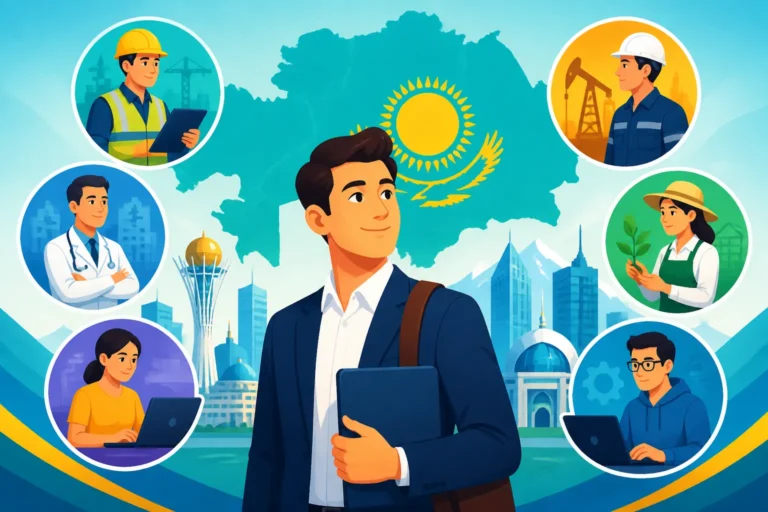
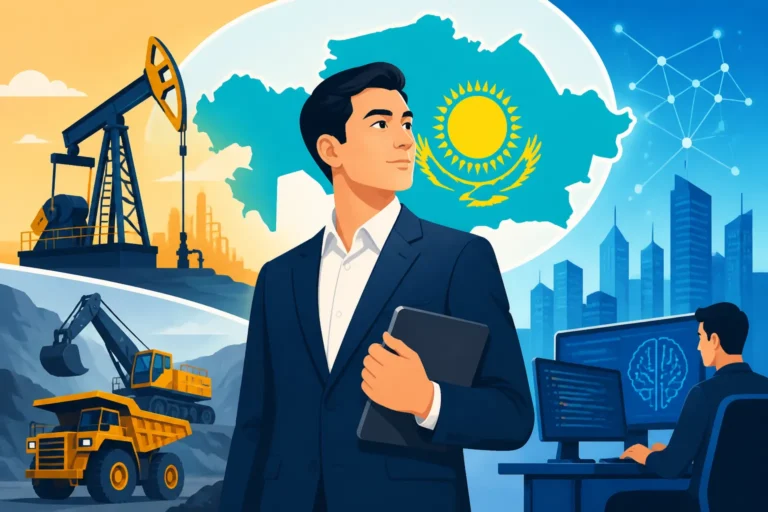
However, it's not all doom and gloom. Kazakhstan is a country in transition, and its economy is rapidly diversifying. While traditional sectors might cling to degree requirements, newer and more dynamic industries are showing greater flexibility. You'll find that companies, particularly within the burgeoning tech startup scene, creative fields, and certain specialized service industries, are increasingly prioritizing demonstrable skills, a robust portfolio, and proven experience over a piece of paper. These are often the employers who are less bound by rigid HR policies and more focused on practical output and innovation.
Consider the tech sector in cities like Almaty and Astana. Here, if you can code, design user interfaces, manage complex IT projects, or excel in data analytics, your portfolio of successful projects and your ability to pass technical assessments will often speak louder than your academic history. These companies are typically faster-paced and value agility and problem-solving capabilities above all else. Similarly, in creative roles such as graphic design, video production, photography, or digital marketing, a strong portfolio showcasing your artistic talent and successful campaigns is far more impactful than a university diploma. Your ability to show, rather than just tell, what you can do makes all the difference.
There are also instances in highly specialized vocational trades where a certified skill set, often gained through apprenticeships or technical colleges, can outweigh a university degree. For example, expert welders, electricians, or specialized machinery operators in the oil and gas or mining sectors might be in demand due to critical skill shortages, and their practical qualifications and safety certifications are what truly matter. These roles often come with competitive salaries, reflecting the high value placed on specific, hard-to-find technical expertise. It's about finding those specific niches where the what you can do profoundly overshadows where you learned it.
Identifying Niche Sectors and Skill-Based Opportunities
Navigating the Kazakhstani job market without a degree requires a targeted approach. Instead of casting a wide net, you need to identify the specific areas where practical skills, certifications, and experience are genuinely valued, often taking precedence over formal academic qualifications. This often means looking beyond the most obvious or traditional job listings.
High-Demand Skills That Trump Degrees
The global demand for certain technical and vocational skills is rising, and Kazakhstan is no exception. If you have expertise in IT, programming, or web development, for instance, a strong portfolio demonstrating your coding projects, successful app launches, or contributions to open-source initiatives will often carry more weight than a computer science degree. Many successful developers today are self-taught or have completed intensive coding bootcamps, proving that practical application and problem-solving abilities are what really count. Companies in Almaty and Astana are increasingly open to talent with demonstrable skills, especially in areas like Python, JavaScript, cybersecurity, and cloud management.
Beyond IT, specialized vocational trades are also a significant area of opportunity. Kazakhstan's industrial and construction sectors are continually expanding, creating a consistent demand for skilled professionals like certified welders, heavy machinery operators, master electricians, and experienced mechanics. These are roles where safety certifications, proven competence, and years of hands-on experience are paramount. If you possess such a skill, ensure your certifications are up-to-date and recognized internationally, as this can be a strong selling point. These roles might not always be advertised through traditional expat job boards, so networking within relevant industry groups is essential.
Finally, the creative industries, including graphic design, digital marketing, content creation, and even professional photography or videography, are ripe for skill-based opportunities. Your portfolio is your resume here. Instead of a degree, showcase your best work, client testimonials, and measurable results from past projects. A freelance graphic designer who can present a stunning array of branding projects or a digital marketer with a proven track record of increasing online engagement for clients will easily stand out, regardless of whether they have a marketing degree or not. These fields are dynamic and typically prioritize talent and results over formal academic credentials.
The English Teaching Landscape
For many expats without a traditional degree, English teaching has historically been a popular entry point into Kazakhstan's job market. While many established international schools or universities might require a Master's or a Bachelor's degree in Education, there are plenty of avenues where a degree might be waived in favor of recognized teaching certifications and native-speaker status.
Getting a CELTA (Certificate in English Language Teaching to Adults) or a reputable TEFL (Teaching English as a Foreign Language) certification can be your golden ticket. These intensive, practical courses equip you with the methodologies and classroom management skills needed to teach effectively. Many private language centers across cities like Almaty, Astana, and Shymkent will readily consider candidates with these certifications, especially if you are a native English speaker. They often prioritize your ability to engage students and deliver effective lessons over a broader academic degree. Some smaller, local schools might even hire you based on your native speaker status and strong interview, though having a certification always strengthens your application considerably. If you're looking for How to Find English Teaching Jobs in Kazakhstan, focus on these private academies first.
It's crucial to understand the hierarchy here: international schools like Haileybury Almaty or Nazarbayev Intellectual Schools will almost certainly require a teaching degree and usually several years of experience. However, smaller language academies like Interpress or Wall Street English, and even private tutoring gigs, are much more flexible. These roles are often advertised locally or through expat community groups, and demonstrating your passion for teaching and your ability to connect with students can truly set you apart.
Entrepreneurship and Freelancing as Viable Paths
If traditional employment feels like a closed door, why not open your own? Entrepreneurship and freelancing offer significant freedom and opportunities for expats without a degree to leverage their unique skills in Kazakhstan. This path, while requiring a strong entrepreneurial spirit and self-discipline, allows you to create your own opportunities rather than seeking them from others.
One of the most straightforward ways to become self-employed is by registering as an Individual Entrepreneur (IP), or "Individualny Predprinimatel." This legal structure is relatively simple to set up and is ideal for freelancers, consultants, or small business owners. As an IP, you can offer a wide range of services, from IT consulting and marketing to translation and specialized crafts. The key here is to identify a service or product that addresses a genuine need in the Kazakhstani market or caters to the expat community. For a deep dive into the specifics, check out our guide on Self-Employment in Kazakhstan: Registering as an IP and Going Independent (2027).
Navigating the legalities and financial aspects of being self-employed can seem daunting at first. However, Kazakhstan has a relatively straightforward tax system, including simplified tax regimes for small businesses. Consulting resources like "Taxes for Expats" can be incredibly helpful in understanding your obligations. Our guide on How to Register as an Individual Entrepreneur (IP) in Kazakhstan will walk you through the process step-by-step. The beauty of freelancing is that your portfolio and client testimonials become your most powerful credentials, proving your competence far more effectively than any degree ever could.
| Sector/Role Type | Degree Requirement (General) | Skills/Experience that Trump Degree | Visa/Permit Challenges |
|---|---|---|---|
| Traditional Corporate (e.g., Banking, Oil & Gas) | High (often Bachelor's/Master's) | Senior management experience (rare) | High, strict |
| IT/Tech Startups | Low to Moderate | Portfolio, coding skills, certifications | Moderate, skill-dependent |
| English Teaching | Moderate (CELTA/TEFL often accepted) | Native speaker, teaching certs, experience | Moderate, school-dependent |
| Vocational Trades | Low | Certified skills, extensive experience | Moderate, demand-driven |
| Creative Industries | Low | Strong portfolio, client results, unique talent | Moderate, project-based |
| Freelance/IP | None (self-employed) | Entrepreneurial drive, market need, skills | Depends on visa/residence |
Strategies to Enhance Your Employability Without a Degree
So, you don't have that university parchment. That's fine! It just means you need to be strategic and proactive in how you present yourself and develop your career here. The key is to build a compelling narrative around your skills, experience, and continuous learning.
Building a Powerful Portfolio and Practical Experience
In a job market that often prioritizes degrees, your best weapon is irrefutable proof of your abilities. This means building a portfolio that shows exactly what you can do, rather than just telling people about it. For graphic designers, this might be a Behance page filled with stunning projects. For developers, a GitHub profile showcasing your code and contributions. For writers, a collection of published articles or a strong blog. This isn't just about showcasing past work; it's also about demonstrating initiative. Take on pro-bono projects, volunteer your skills for local charities, or even create hypothetical projects to illustrate your problem-solving capabilities.
Beyond a portfolio, actively seek out ways to gain practical experience, even if it's not a full-time, salaried role. Consider internships, apprenticeships, or short-term contract work. While these might not always be highly paid, they offer invaluable opportunities to build local connections, understand the Kazakhstani business environment, and add relevant experience to your CV. When crafting your resume, focus on your achievements, quantifiable results, and the specific skills you utilized in previous roles. Emphasize transferable skills, problem-solving abilities, and any projects where you took initiative and delivered tangible outcomes. Our guide on How to Adapt Your CV for the Kazakhstani Job Market can provide further insights into tailoring your application for local employers.
Language Proficiency and Networking
Never underestimate the power of language in Kazakhstan. While English is increasingly common in international companies and expat circles, demonstrating proficiency in Russian or, even better, Kazakh, can open up a vast array of opportunities that would otherwise be inaccessible. It signals a genuine commitment to living and working in the country and drastically improves your ability to integrate into local teams and understand the nuances of the business culture. Even a basic conversational level can make a huge difference in your daily life and job search. Platforms like iTalki can be a fantastic resource for connecting with native speakers for one-on-one lessons, allowing you to learn at your own pace and focus on practical conversational skills.
Networking is another critical element, perhaps even more so when you're without a traditional degree. Many jobs in Kazakhstan are found through personal connections and referrals rather than public advertisements. Attend industry events, join expat groups, participate in professional meetups in cities like Almaty and Astana, and connect with people on LinkedIn. Don't be shy about reaching out for informational interviews or offering to share your expertise. You never know where a casual conversation might lead. Expats who have lived here for a while often have a strong network and can provide insights into companies that might be more flexible with degree requirements. Building a strong personal brand and a reputation for competence within the community can lead directly to opportunities.
Certifications and Online Learning
If you lack a formal degree, obtaining industry-recognized certifications can be an excellent way to validate your skills and boost your employability. Think about your chosen field: are there professional certifications that are highly respected? For project managers, a PMP (Project Management Professional) certification can be more valuable than some degrees. In IT, certifications from Microsoft, Cisco, AWS, or Google can demonstrate specialized expertise. Even in fields like marketing, certifications in specific platforms like HubSpot or Google Analytics can be powerful additions to your profile.
The world of online learning has also revolutionized access to education and skill development. Platforms like Coursera, Udemy, and edX offer a wealth of courses, specializations, and even micro-degrees from reputable universities, often at a fraction of the cost of traditional education. Completing these courses and earning verifiable certificates not only enhances your knowledge but also shows prospective employers your initiative, discipline, and commitment to continuous professional development. This proactive approach helps to counter any perception that a lack of a degree implies a lack of intellectual curiosity or a willingness to learn. Investing in your skills through these avenues makes you a more attractive candidate in a competitive market.
Navigating Visa and Legal Requirements
Securing a job in Kazakhstan is one thing; getting the legal right to work here is another. For expats without a university degree, understanding the nuances of work permits and alternative residence options becomes absolutely critical. This is where many of the initial hurdles arise, and it's essential to be well-informed and realistic.
Understanding Work Permit Challenges for Non-Degree Holders
The standard pathway for most foreigners to work legally in Kazakhstan involves obtaining a work permit and a subsequent work visa. The Ministry of Labour and Social Protection often has specific criteria, and a university degree is typically high on that list, making it easier for employers to justify hiring a foreign specialist over a local. Employers need to prove that they couldn't find a suitable Kazakhstani citizen for the role, and demonstrating that the foreign candidate has specialized qualifications (like a degree) helps with this argument. Without it, the burden of proof for the employer significantly increases. They would have to demonstrate that your unique skills and experience, even without a degree, are truly indispensable and unavailable domestically.
This isn't to say it's impossible, but it requires a very proactive employer who is willing to invest in the additional paperwork and potential justification to the migration service. Often, this happens when you possess a highly specialized skill set in a niche industry where there's a genuine shortage of local talent. For instance, if you're a master craftsman in a specific manufacturing process or an expert in a rare IT system, an employer might be more inclined to navigate the complexities. It’s important to familiarize yourself with How a Work Permit and Employer Sponsorship Work in Kazakhstan to understand the full scope of what your potential employer would face. Be prepared to highlight any unique training, certifications, or extensive experience that makes you irreplaceable.
Self-Employment Visas and the Neo Nomad Option
If direct employment via an employer-sponsored work permit seems too challenging without a degree, self-employment and digital nomad visas offer compelling alternative pathways. Kazakhstan has recently introduced the "Neo Nomad" visa, specifically targeting highly skilled foreign specialists, including those working remotely for foreign companies or offering freelance services. This is a game-changer for many who might not fit the traditional work permit criteria. This visa allows eligible individuals to live and work in Kazakhstan for up to a year, with the possibility of extension. Crucially, the focus here is often on your skills, income, and ability to contribute to the local economy, rather than a university degree.
To qualify for the Neo Nomad visa, you'll need to demonstrate stable income from external sources, professional experience, and often a clean criminal record. While some highly specialized roles might still implicitly favor degrees, the overall intent is to attract talent that can operate independently. For those aspiring to fully establish a business or extensive freelance operations within Kazakhstan, you might look into the specific requirements for self-employment visas, which tie into registering as an Individual Entrepreneur (IP). In this scenario, your visa status is linked to your entrepreneurial activity. Understanding how to navigate these options is part of Understanding How to Move to Kazakhstan Legally from Abroad (2027). Always consult the latest regulations, as immigration policies can change. Our article on The Expat Guide to the Neo Nomad Digital Nomad Visa in Kazakhstan (2026) offers a detailed breakdown.
Disclaimer
Please remember that immigration laws, employment regulations, and tax policies in Kazakhstan can change. The information provided in this article is intended for general guidance only and does not constitute legal, financial, or professional advice. Always consult with qualified legal and immigration professionals in Kazakhstan for advice tailored to your specific situation.