How Do I Get Tax Clearance Before Leaving Kazakhstan?
Leaving a country, especially one as administratively unique as Kazakhstan, can be a whirlwind of emotions and logistical hurdles. Amidst packing, saying goodbyes, and planning your next adventure, one crucial step often gets overlooked or underestimated: obtaining your tax clearance. This guide is here to walk you through the often-confusing process, ensuring you don't leave any loose ends that could lead to headaches down the road.
Why Tax Clearance is Absolutely Essential Before You Go
It's easy to think that once your bags are packed and your flight is booked, you're free and clear. But believe me, as an expat who has seen it all, ignoring tax clearance in Kazakhstan is a recipe for serious trouble. The Kazakhstani tax authorities, known as the State Revenue Committee (SRC), are thorough, and they want to make sure everyone has fulfilled their obligations before they permanently depart. This isn't just about paying what you owe; it's about getting an official stamp of approval that signifies you're squared away.
This often feels like an extra layer of bureaucracy, especially when you're already juggling so much, but it's a necessary evil. Think of it as your final administrative farewell, a last interaction with the government that can either be smooth or incredibly frustrating, depending on how prepared you are. Many expats only realize the gravity of this step when they encounter issues, often at the most inconvenient times, like at the airport or when trying to process a final payment.
The Consequences of Skipping Tax Clearance
Let me tell you, the thought of leaving without dotting all your i's and crossing all your t's might seem appealing in a rush, but the repercussions can be severe and long-lasting. If you don't secure your tax clearance certificate, Kazakhstan's tax authorities can, and often will, flag you in their system. This could lead to a host of problems, from being stopped at the border when you attempt to leave, potentially missing your flight, to facing significant fines and penalties down the line.
Imagine trying to return to Kazakhstan years later for a visit or a new job opportunity, only to find yourself on a blacklist due to outstanding tax issues. It happens more often than you'd think. Beyond the immediate travel disruptions, there's the risk of having your assets frozen or bank accounts blocked if you still have any financial ties to the country. This can impact any final salary payments, pension contributions, or even the sale of property. You might also find that transferring remaining funds out of the country becomes an impossible task without this clearance. It's truly not worth the risk.
Understanding Your Final Tax Obligations
Before you can even think about getting clearance, you need to have a clear picture of what taxes you owe or are responsible for up until your departure date. For most expats, this primarily revolves around individual income tax (IIT). Kazakhstan operates on a flat 10% income tax rate for individuals, which is usually deducted at source by your employer. However, if you have other sources of income, or if your employment contract is structured differently, you might have specific filing requirements.
It’s crucial to understand that your tax residency status plays a significant role here. If you've been in Kazakhstan for more than 183 days in any consecutive 12-month period, you are generally considered a tax resident and are liable for tax on your worldwide income. Even if you're leaving mid-year, you're still responsible for the portion of the year you were a resident. This means you’ll need to file a final tax return, often referred to as a "liquidation tax return," that covers your income up to your departure. Understanding Tax Residency Rules and the 183-Day Test in Kazakhstan is a good place to start to clarify your situation. Don't forget any potential property taxes if you owned real estate, or capital gains tax if you sold assets like shares or property. All these need to be accounted for.
The Step-by-Step Process to Obtain Your Tax Clearance
Navigating the Kazakhstani tax system can feel like deciphering an ancient script, especially when you're under pressure to leave. The process to obtain tax clearance primarily involves dealing with the State Revenue Committee (SRC), which is the main tax authority here. It's not always straightforward, but with the right preparation, you can make it as smooth as possible.
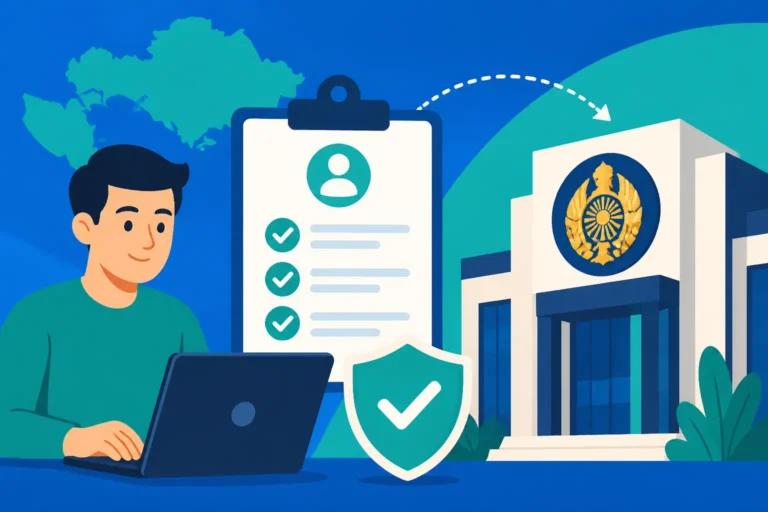
The core idea is to prove to the SRC that you have no outstanding tax liabilities. This typically involves filing your final tax declaration, settling any payments, and then applying for a certificate that confirms your tax obligations are met. Expect a degree of patience and persistence, as these things rarely happen overnight.
Gathering Your Documents and What to Expect
Preparation is key. Before you even think about approaching the SRC, gather all the necessary documents. This will save you countless trips and frustrations. The exact list can sometimes vary slightly depending on your specific circumstances (e.g., self-employed vs. employed, property owner vs. renter), but here’s a general rundown of what you’ll likely need:
- Your Passport: Original and copies of all relevant pages, including your visa and residence permit.
- Individual Identification Number (IIN): This is your personal tax ID. You absolutely cannot do anything tax-related without it. If you haven't already, make sure you know How to Get an IIN (Individual Identification Number) in Kazakhstan.
- Employment Contract: Original and copy. This proves your employment period and terms.
- Employer’s Certificate of Income (Form 200.00/210.00): Your employer should provide a certificate detailing your total income and taxes withheld up to your departure date. This is critical.
- Bank Statements: Statements from all Kazakhstani bank accounts, covering your entire period of stay or at least the last few years, showing income and outgoing payments.
- Tax Declarations (Form 270.00 or 200.00): Copies of all previously filed annual tax declarations. If you’re not sure about the filing process, check out Filing Your Tax Return with the State Revenue Committee in Kazakhstan: The Complete Walkthrough.
- Documents related to asset sales: If you sold property, a car, or any other significant assets, you’ll need the sales contracts and proof of payment of any associated taxes.
- Utility Bill Payments: Proof of final utility payments can sometimes be requested, especially if you owned property.
- A Power of Attorney (if applicable): If someone is acting on your behalf, this document is essential.
Once you have these, it's a good idea to make multiple copies and have everything meticulously organized. When you submit your documents, expect them to be reviewed, possibly over several weeks or even months. The SRC might request additional information or clarification, so be prepared to respond promptly.
Here's a quick reference table for commonly required documents:
| Document Category | Specific Document/Purpose | Importance | Notes |
|---|---|---|---|
| Personal Identification | Passport (original + copy), IIN | High | Essential for all formal interactions. |
| Employment/Income | Employment Contract, Employer's Income Certificate (Form 200/210) | High | Proves employment period, income, and taxes withheld. |
| Tax Filing History | Previous Tax Declarations (Form 270/200) | High | Demonstrates compliance with past tax obligations. |
| Financial Records | Kazakhstani Bank Statements | Medium | Shows financial activity, especially for those with diverse income sources. |
| Asset Related (if any) | Property/Car Sales Contracts, proof of tax payment | High | Required if you sold assets subject to capital gains tax. |
| Final Payments | Proof of final utility payments, other outstanding bills | Low | Occasionally requested; good to have for due diligence. |
Navigating the State Revenue Committee SRC
Armed with your documents, your next step is to engage with the State Revenue Committee (SRC). For most individuals, this will mean visiting your local SRC office – typically the one associated with your registered address. Be prepared for potential queues and the need for Russian or Kazakh language skills, or bring someone who can translate for you.
You'll need to formally submit your application for tax clearance, which involves submitting your final tax declaration (if you haven't already filed your annual tax return for the current year) and all supporting documents. The SRC will then conduct an audit of your tax records to ensure everything is in order. This audit can take anywhere from a few weeks to several months, depending on the complexity of your tax situation and the workload of the specific office. They are looking to confirm that you have declared all income, paid all applicable taxes, and are not leaving with any outstanding debts to the state. Sometimes, they might even ask for a copy of your flight ticket or a letter from your employer confirming your departure date. This is why starting early is so important.
What to Do If You Owe Money or Need a Refund
It's entirely possible that your final tax calculation might show you either owe additional tax or are due a refund.
If you find that you owe more tax, perhaps due to a bonus that wasn't fully taxed, or because you had foreign income not declared previously, you’ll need to pay this amount to the SRC. They will provide you with the necessary payment details, which can usually be done via bank transfer through your Kazakhstani bank account or at designated payment points. Make sure to keep all payment receipts as proof. Without settling any outstanding amounts, your tax clearance will not be issued.
On the flip side, you might be eligible for a tax refund. This could happen if, for example, too much tax was withheld from your salary, or if you qualify for certain tax deductions. If you are owed a refund, you'll need to explicitly apply for it as part of your tax clearance process. The SRC will verify your claim, and if approved, the funds will be transferred to your designated Kazakhstani bank account. Be warned: receiving a refund can often take significantly longer than making a payment, so factor this into your departure timeline. You can learn more about How to Claim a Tax Refund from the State Revenue Committee in Kazakhstan. It’s a process that demands patience.
Common Challenges and Pro Tips for Expats
Navigating the tax clearance process in Kazakhstan can be daunting. It’s not always a simple walk-through, and many expats encounter hurdles that can delay their departure or cause unnecessary stress. Being aware of these common challenges and having some pro tips up your sleeve can make a world of difference.
Language Barriers and Bureaucracy
One of the biggest obstacles for many foreign residents is the language barrier. While some SRC officers might speak a little English, don't count on it. The official communication and all documentation will be in Kazakh or Russian. This is where having a trusted local friend, colleague, or professional translator comes in handy. Trying to muddle through complex tax forms and explanations in a language you don't fully understand is a recipe for errors and frustration.
Beyond language, Kazakhstani bureaucracy, like many post-Soviet systems, can be rigid and process-driven. There might be specific forms that need to be filled out precisely, queues to endure, and multiple visits to different departments within the same building. Sometimes, the person you speak to on Monday might give different advice than the person on Tuesday. Don't take it personally; this is just how the system often operates. A good strategy is to bring all possible documents, even if you think you might not need them, to avoid having to make extra trips.
Timing is Everything: When to Start the Process
This is perhaps the most critical piece of advice: start early. Do not wait until your last few weeks in Kazakhstan. The entire process, from filing your final return to receiving the clearance certificate, can easily take anywhere from one to three months, sometimes even longer if there are complications or a backlog at the SRC.
I'd recommend initiating the process at least three to four months before your intended departure date. This buffer gives you ample time to gather documents, file your final tax declaration, respond to any SRC queries, settle payments, and await the final certificate. If you're dependent on a final salary payment from your employer, coordinating this with your tax clearance is essential, as employers generally require proof of clearance before releasing final funds. Trying to rush this will only add immense stress to an already busy moving period.
Seeking Professional Help and Using Digital Tools
For many expats, especially those with complex tax situations or limited language skills, seeking professional help is not just an option but a necessity. Reputable tax consultants or law firms specializing in expat tax affairs in Kazakhstan can guide you through every step, liaise with the SRC on your behalf, and ensure all documents are correctly filed. This can be an invaluable investment for peace of mind. Companies like Taxes for Expats often have experience with international tax matters and can streamline the process, ensuring you meet all Kazakhstani requirements without unnecessary hassle.
While the SRC process can feel very paper-based, Kazakhstan is modernizing its administrative services. The eGov portal and the Taxpayer Cabinet website are digital platforms that allow you to access some services online, like checking your IIN details or viewing your tax ledger. You might be able to submit certain declarations or track the status of your filings through these portals, assuming you have an Electronic Digital Signature (EDS) and the know-how to navigate them. However, for the final tax clearance certificate, a physical interaction or a representative might still be needed.
After You Have Your Clearance: Tying Up Loose Ends
So, you've done it! You've navigated the administrative labyrinth and finally hold that coveted tax clearance certificate in your hands. Take a moment to celebrate this achievement, as it means a significant hurdle has been overcome. But before you completely mentally check out, there are a few more vital steps to ensure a truly clean break from your life in Kazakhstan. These are the final pieces of the puzzle that many expats forget until they are already gone, leading to complications down the line.
Closing Bank Accounts and Final Transfers
With your tax clearance in hand, one of your immediate priorities should be to formally close any bank accounts you hold in Kazakhstan. Many local banks, such as Kaspi Bank or Halyk Bank, require proof of tax clearance before they will finalize the closure of an account or facilitate large international transfers. This is their way of ensuring you're not trying to evade any last-minute financial obligations to the state.
The process of closing an account typically involves visiting your bank branch, presenting your passport, IIN, and the tax clearance certificate. Any remaining funds in your account can then be transferred to an international bank account or withdrawn in cash, depending on the bank's policies and current currency regulations. For international transfers, using services like Wise can be a convenient and cost-effective way to send your remaining Tenge to your bank account back home or in your next destination. Always ensure you get a confirmation of account closure from your bank. Keeping some Tenge for your final days or airport transfer might be a good idea, but don’t leave a significant amount hoping to withdraw it at the airport.
Cancelling Residence Permits and Other Registrations
While not directly tied to tax clearance, cancelling your residence permit and any other official registrations is a crucial final step for a clean exit from Kazakhstan. If you had a work permit or a temporary residence permit (often referred to as a "residence card" or "вид на жительство"), your employer will usually be involved in its cancellation. However, it's ultimately your responsibility to ensure it's properly deregistered with the migration service. You wouldn't want to accidentally remain "registered" in the system long after you've left, which could cause issues if you were ever to return or apply for other visas internationally. The Complete Guide to Kazakhstan Visas and Immigration for Expats (2027) offers a broader perspective on these matters.
Similarly, if you were registered at a specific address (a requirement for most long-term residents), you should ensure this registration is cancelled. This often goes hand-in-hand with cancelling your residence permit. Make sure to collect any final documents, such as a confirmation of deregistration, for your records. This ensures that all official ties, not just financial, are severed cleanly, allowing you to move on to your next chapter with peace of mind.
Disclaimer
The information provided in this guide is intended for general informational purposes only and does not constitute professional tax, legal, or financial advice. Tax laws and regulations in Kazakhstan are subject to change and may vary based on individual circumstances. While every effort has been made to ensure accuracy, readers are strongly advised to consult with a qualified tax advisor or legal professional specializing in Kazakhstani tax law for advice tailored to their specific situation before making any decisions related to their tax obligations or departure from Kazakhstan.