How Do I Prepare My Home for a Kazakhstani Winter?
If you've just arrived in Kazakhstan, particularly from a warmer climate, the thought of your first winter here can feel incredibly daunting, like preparing for a literal ice age. Trust me, I've been there – that first autumn chill sends shivers down your spine, and it’s not just the temperature! This guide is here to walk you through exactly how to prepare your home for a Kazakhstani winter, ensuring you stay warm, safe, and sane when the snow starts falling.
Understanding the Kazakhstani Winter: More Than Just Cold
Kazakhstani winters are legendary for a reason. They aren't just a bit nippy; they are a force of nature, plunging temperatures far below zero, sometimes for weeks on end. For an expat, this isn't just about bundling up; it's about understanding that your home needs to be a fortress against the elements. Ignoring this can lead to uncomfortable, expensive, and even dangerous situations.
The Sheer Scale of It: What to Expect
When I first heard people talk about "real winter" in Kazakhstan, I nodded, thinking, "Yeah, sure, like a Canadian winter." Oh, how naive I was! Almaty, for instance, has relatively mild winters compared to the northern steppes, but even here, temperatures consistently hover between -10°C and -25°C from December to February, often dropping lower. In cities like Astana, it's a whole different ball game, with averages around -20°C to -30°C, and occasionally plunging into the -40s. It’s not just the cold, though; it's the duration. The cold snap isn't a weekend affair; it’s a three-to-four-month endurance test.
This deep freeze brings heavy snowfall, icy conditions, and biting winds that can make even a short walk feel like an expedition. The air becomes crisp and dry, which can be lovely in small doses, but unrelenting when you're trying to keep your apartment warm. It’s a completely different climate challenge compared to many other expat destinations, demanding proactive rather than reactive home maintenance. You simply cannot wait until the first frost to start thinking about insulation or heating.
Common Winter-Related Home Issues
The cold is unforgiving, and it will exploit any weakness in your home. The most common issues expats face range from minor annoyances to major crises. Drafts are incredibly prevalent, especially in older buildings or apartments with poorly sealed windows and doors. You’ll feel that icy tendril of air creeping in, no matter how high you crank the radiator. Then there's the risk of frozen pipes, which can lead to burst pipes, massive water damage, and a complete lack of water when you need it most. Trust me, trying to explain "frozen pipes" to a landlord who only speaks Russian or Kazakh at 3 AM is not an experience you want.
Beyond the immediate structural concerns, there’s the constant battle against dampness and mold if your ventilation is poor, or conversely, extremely dry air if the heating is too intense without humidification. Power outages, while not daily occurrences, can happen during heavy snowstorms or extreme cold, leaving you without heat or light. Knowing how to deal with these effectively can make or break your winter experience. It's truly a test of preparedness, and you want to pass with flying colours!
Essential Preparations Inside Your Home
Your apartment is your sanctuary during the Kazakhstani winter, and making sure it's up to the task is paramount. This isn't just about comfort; it's about safety.
Heating System Checks and Maintenance
Before winter truly bites, typically in late September or early October, you absolutely must ensure your heating system is in top shape. Most apartments in Kazakhstan, especially in cities like Almaty and Astana, rely on a central heating system managed by the building or municipal services. You don't have individual control over turning it on or off for the entire building, but you do have radiators in your home that need attention.
First, check all your radiators. Are they getting warm evenly? Sometimes air gets trapped in the system, preventing hot water from circulating properly. You might need to "bleed" your radiators – a simple process involving a small key to release the air. If you're unsure how, ask your landlord or a knowledgeable neighbour. It's a common maintenance task here. Secondly, consider a professional check. While central heating means less individual responsibility for the boiler, a quick check by a handyman or an expert from the KSK (the homeowners' association or building management) can identify any potential leaks or inefficiencies. You really don't want your heating to fail when it's -20°C outside. Learning about your monthly utility bills and how they relate to heating is also crucial, and you can find more details in guides like Understanding Water and Central Heating Bills in Kazakhstan.
Window and Door Sealing: Keeping the Cold Out
This is perhaps the single most impactful step you can take. Even in modern buildings, the quality of window and door seals can vary wildly. In older apartments, it's almost guaranteed you'll find drafts. That faint whistle you hear might be the wind chilling your bones.
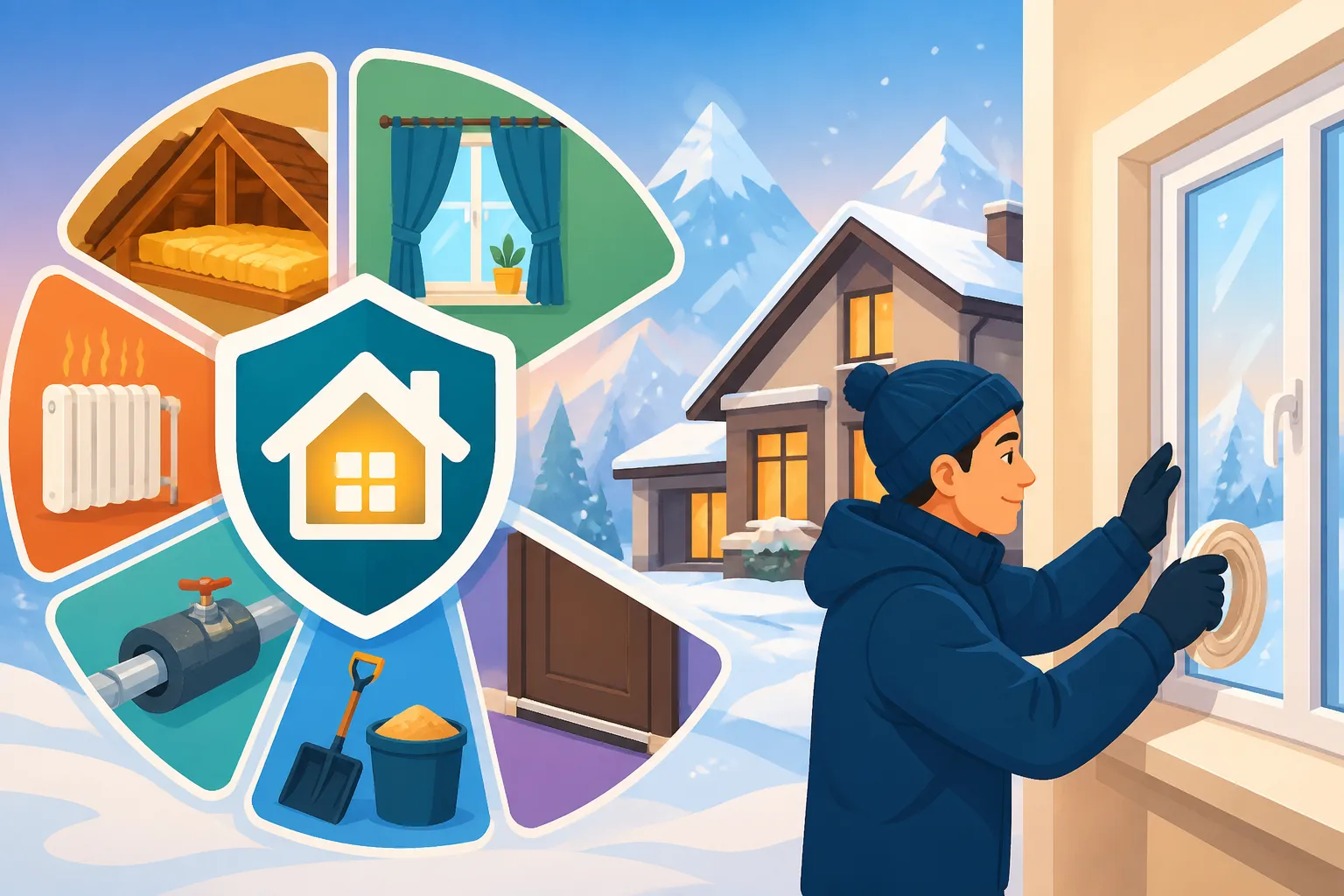
Start by inspecting every window and door leading outside or to unheated common areas (like a shared hallway). Feel for drafts, especially around the edges of frames. For persistent drafts around windows, consider inexpensive self-adhesive foam strips or rubber seals, readily available at hardware stores (e.g., Technodom, Sulpak, or smaller local shops). For serious gaps, silicone sealant might be needed, which can be applied with a caulking gun. Don't forget the bottom of your doors! Door sweeps or draft stoppers are excellent for keeping that cold air from creeping under the door. Curtains are also your friend. Thick, insulated curtains can add an extra layer of protection, trapping warm air inside. It's not just an aesthetic choice; it’s a practical one that can significantly reduce your heating loss and subsequently, your utility costs. Remember, every degree you lose through a draft is a degree your heating system has to work harder to replace.
Preventing Frozen Pipes: A Critical Step
Burst pipes are a nightmare, and they are preventable. In Kazakhstan, where temperatures drop so dramatically, water pipes are highly susceptible to freezing, especially if they run through unheated areas like balconies, basements, or exterior walls.
If you have exposed pipes in your apartment or on your balcony, consider insulating them. Foam pipe insulation sleeves are cheap and effective, available at most hardware stores. For pipes that run into areas that might not be consistently heated, especially if you're going away for an extended period, it's wise to take extra precautions. Leave your heating on low, even when you're out, to prevent the internal temperature from dropping too much. If you're leaving for a long time, turn off your main water supply and drain your pipes if possible, though this is usually only necessary for houses or very specific apartment setups, and should be done by someone who knows what they're doing. Always consult with your landlord or building management (KSK) about their recommendations, as they know the building's specific vulnerabilities. Being proactive here can save you thousands in repairs and a huge headache.
Preparing for Power Outages
While not a daily occurrence, heavy snowfall or extreme cold can sometimes lead to localized power outages, especially outside the main city centers or in older districts. Losing power means losing heat (if your heating system relies on pumps or electronic controls) and light.
It's essential to have an emergency kit ready. This should include:
- Flashlights and Headlamps: More reliable than relying solely on your phone's torch. Keep extra batteries.
- Power Banks: For charging your phone and other small devices. Make sure they are fully charged.
- Candles: For ambient light, but use them with extreme caution and never leave them unattended.
- Warm Blankets: Extra layers are crucial if the heating goes out.
- Bottled Water: Always good to have on hand.
- Non-Perishable Food: Enough for at least 24-48 hours.
- A Fully Charged Mobile Phone with an eSIM: Having a reliable mobile connection is vital for emergencies. Services like Airalo can ensure you have a data connection even if your home Wi-Fi is down, allowing you to check news updates or contact emergency services.
Familiarize yourself with your building's emergency procedures, if any. Know where your circuit breaker is located. While less common, a small, portable gas or electric heater can be a lifesaver for a single room during an outage, but always use these with extreme care, ensuring proper ventilation to avoid carbon monoxide poisoning, especially with gas heaters.
Outdoor and Building Maintenance
Your home isn't just the inside of your apartment; it's also your balcony, common areas, and the building's exterior. These elements play a big role in your winter comfort.
Balcony and Exterior Area Checks
Your balcony often acts as a buffer against the cold, but it can also be a significant source of heat loss or even danger if not properly prepared. Clear your balcony of anything that could be damaged by freezing temperatures or heavy snow. This includes plants (bring them inside!), outdoor furniture, and any items that could become projectiles in strong winds.
If your balcony is glazed, ensure all window and door mechanisms are working properly and seal tightly. Cracked panes should be repaired before winter to prevent heat loss. If you have any external pipes running across your balcony, check their insulation – this is a prime spot for freezing. During heavy snowfall, be prepared to clear snow from your balcony. Accumulating snow can be surprisingly heavy and might put undue stress on the structure, especially for older buildings. Many people use their balconies for extra storage, but think carefully about what you leave out there over winter. Anything sensitive to extreme cold or dampness should be brought inside.
Dealing with Snow and Ice
Snow removal is often a shared responsibility in apartment buildings. While the KSK or building management typically handles main entrances and pathways, you might be responsible for clearing areas directly outside your apartment door, or your specific balcony. Keep a shovel handy, and perhaps some sand or salt for icy patches. Black ice is a real danger in Kazakhstan, especially in cities like Almaty where temperatures can fluctuate.
Be mindful of icicles forming on roofs or balconies above you. These can become dangerous falling hazards. If you see large icicles forming on your building, report them to your KSK. They have a responsibility to ensure the safety of residents. On a personal note, always wear appropriate footwear with good grip when venturing out, and walk slowly and deliberately on icy surfaces. A slip on ice can ruin your winter faster than anything else.
KSK and Apartment Building Responsibilities
The KSK (Кооператив Собственников Квартир), or the equivalent homeowners' association or building management, plays a crucial role in winter preparedness. They are responsible for the overall structural integrity of the building, the central heating system beyond your apartment's radiators, and often, snow and ice removal in common areas.
Before winter sets in, it's a good idea to communicate with your KSK. Ask them about their winter preparation plans:
- When do they plan to turn on the central heating for the season? (Usually late September to early October, depending on external temperatures).
- What measures are they taking to prevent pipes in common areas from freezing?
- What is their protocol for snow removal and de-icing communal pathways?
- Who should you contact in case of a major issue like a burst pipe or a complete heating failure in the building?
Having this information beforehand will save you a lot of stress if an issue arises. Remember, they are often the first line of defence against major winter problems, so knowing how to effectively communicate with them is key. For more on navigating the intricacies of apartment living, check out Understanding Building Maintenance Fees KSK for Apartments in Kazakhstan. If you're still in the process of moving to Kazakhstan, remember that services like Sirelo can help coordinate your relocation, and ensure your belongings are ready for the winter climate upon arrival.
Personal Preparedness and Mindset
Beyond your home's physical structure, your personal preparedness and mindset are crucial for a comfortable winter.
Stocking Up: Food, Water, and Essentials
A well-stocked pantry is a blessing during winter. While Kazakhstan's cities are well-supplied, there might be days when the weather is simply too brutal to venture out, or during a rare, extended power outage.
- Food: Keep a good supply of non-perishable foods – canned goods, pasta, rice, dried fruits, nuts. Also, plenty of comfort foods like tea, coffee, and hot chocolate.
- Water: Always have bottled water on hand, especially if you experience unexpected water shut-offs or pipe issues.
- Medications: Ensure you have a sufficient supply of any prescription medications, as well as over-the-counter cold and flu remedies. Pharmacies are usually accessible, but it's better to be prepared. Take a look at Prescription Medications and Pharmacies in Kazakhstan: The Complete Guide for more details on the local pharmacy system.
- Emergency Supplies: Beyond flashlights and power banks, consider a basic first-aid kit, extra blankets, and perhaps a small radio (battery-powered) for news updates if internet and mobile networks are disrupted.
Winter Wardrobe and Comfort
This might seem obvious, but proper winter clothing is non-negotiable. Kazakhstanis dress for the weather, and you should too. Layers are your best friend.
- Thermal Underwear: A good quality set of thermals makes a huge difference, whether you're indoors or venturing out.
- Warm Outerwear: A heavy, insulated, waterproof/windproof jacket is essential. Look for one designed for extreme cold.
- Hats, Gloves, Scarves: These are not accessories; they are vital protection against frostbite, especially for your extremities.
- Waterproof Boots: With good grip and insulation. You’ll be walking through snow and slush, and dry, warm feet are a game-changer.
- Cozy Homewear: Think warm socks, slippers, and comfortable sweaters for lounging around your apartment.
Don't underestimate the mental impact of feeling perpetually cold. Invest in quality winter gear early, before the best selection is picked over.
Staying Connected and Safe
Being physically prepared is one thing, but staying connected and mentally resilient is another. Winter can sometimes feel isolating, especially if you're new to the country.
- Reliable Internet and Mobile: Ensure your home internet is robust. Consider a backup mobile data plan or an eSIM from providers like Airalo to ensure you always have a connection, even if your primary service temporarily fails. This is crucial for staying in touch with loved ones, accessing information, and in emergencies. Read How to Set Up Internet and Mobile Service in Kazakhstan for more on this.
- Know Emergency Numbers: In Kazakhstan, 101 for fire, 102 for police, and 103 for ambulance. The general emergency number is 112. Make sure these are easily accessible.
- Connect with Your Community: Reach out to other expats, join local groups, or connect with your Kazakhstani neighbours. Having a support network can make a huge difference during the colder months. Plan indoor activities, host potlucks, or explore the many cozy cafes.
- Embrace the Winter: It’s easy to dread the cold, but Kazakhstan's winter also offers unique beauty and activities. Try ice skating, skiing in the mountains near Almaty, or simply enjoying the crisp, clear air on a sunny winter day. A positive mindset can truly transform your experience.
| Home Area | Key Winter Preparation Tasks | Importance | Estimated Time (DIY) |
|---|---|---|---|
| Windows & Doors | Seal drafts with foam strips, caulk, or door sweeps; install thick curtains. | High | 1-3 hours |
| Heating System | Bleed radiators; ensure all are working efficiently; check for leaks. | High | 30 mins – 1 hour |
| Pipes | Insulate exposed pipes (especially on balconies); understand building's freeze prevention. | High | 1-2 hours |
| Balcony | Clear all movable items; check window seals; be prepared to clear snow. | Medium | 1 hour |
| Emergency Kit | Stock flashlights, power banks, blankets, non-perishable food, water. | High | 2-3 hours |
| Clothing | Acquire warm, layered, waterproof outerwear, thermal underwear, good boots. | High | Ongoing |
| Communication | Ensure reliable internet/mobile, know emergency contacts. | High | Ongoing |
Disclaimer
The information provided in this guide is for general informational purposes only and does not constitute professional advice. While we strive to offer accurate and up-to-date guidance based on expat experiences in Kazakhstan, local regulations, conditions, and best practices can vary and change. Always consult with your landlord, building management (KSK), or relevant local authorities for specific advice regarding your home and safety during the winter months. We cannot be held responsible for any issues arising from reliance on this information.