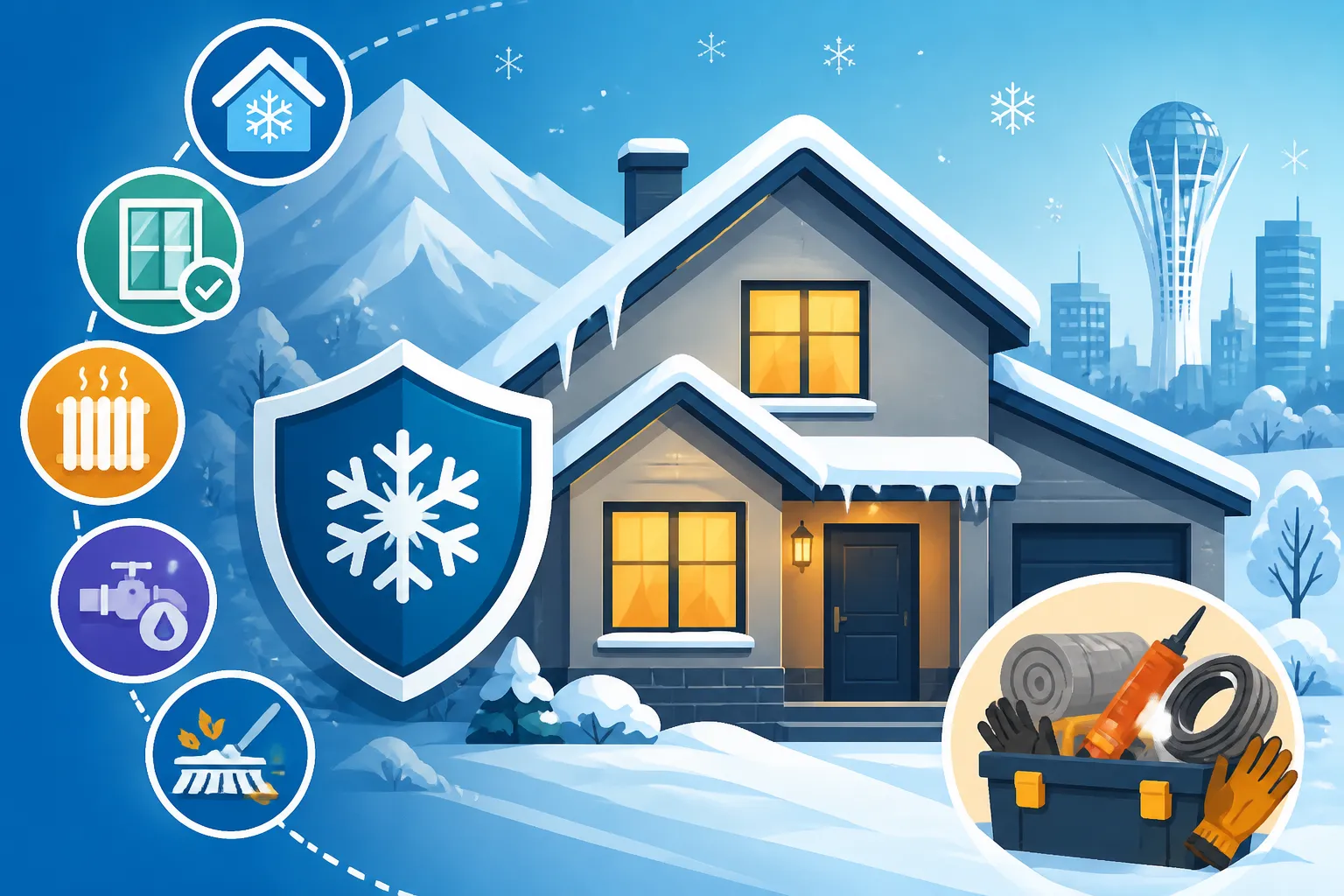
Understanding How to Prepare Your Home for Winter in Kazakhstan
Oh, winter in Kazakhstan. If you’re anything like me when I first arrived, you probably imagined a bit of snow, some chilly days, and then promptly realized you were utterly unprepared for the sheer, unapologetic cold. This isn't just a season; it's a force of nature here, and your cozy apartment can quickly become a drafty icebox if you don't take the right precautions. This guide is going to walk you through everything you need to know, from the minor tweaks to the major overhauls, to ensure your home stays a warm, welcoming sanctuary, not a frozen tundra.
Understanding the Kazakhstani Winter Climate
Let's be real: the winter here is no joke. It's not just a few snowflakes and a brisk breeze; it's a profound, pervasive cold that demands respect and thorough preparation. As an expat, especially if you're from a milder climate, this can be a real shock to the system, and your home needs to be ready to withstand it.
The Sheer Scale of Cold: What to Expect
When I first heard "minus thirty," I genuinely thought it was an exaggeration for dramatic effect. Nope. That's a Tuesday in January for many parts of Kazakhstan, sometimes even colder. Average winter temperatures across the country, particularly in the northern and central regions like Astana, often hover between -15°C and -25°C, with frequent dips below -30°C. Almaty, nestled against the mountains, tends to be a bit milder but still experiences significant snowfall and temperatures well below freezing, often staying below zero for months on end.
What truly intensifies this bone-chilling cold isn't just the temperature reading; it's the wind. The vast, open steppes mean there’s nothing to break the wind, leading to brutal wind chill factors that can make -20°C feel like -35°C in an instant. This combination of extreme low temperatures, heavy snowfall, and relentless wind means your home isn't just battling cold air; it's fighting a constant assault from the elements. Ignoring this reality is like bringing a spoon to a snowball fight – you’re going to lose.
Impact on Homes: Why Preparation is Crucial
The relentless cold and heavy snow put an immense strain on homes, especially older buildings. Expats often move into what seemed like perfectly good apartments in autumn, only to find themselves battling drafts, frozen pipes, and inadequate heating once winter truly bites. The heating system, often centralized and district-wide in many cities, works tirelessly, but if your apartment isn't properly sealed and insulated, much of that precious heat simply escapes.
Think about it: heat naturally moves from warmer areas to colder ones. If your windows are old and leaky, your exterior walls poorly insulated, or your front door isn't properly sealed, your heating system will constantly be playing catch-up, leading to significantly higher utility bills. More critically, unprotected water pipes, especially those running along exterior walls or through unheated spaces like balconies or basements, are highly susceptible to freezing and bursting. Trust me, dealing with a burst pipe in the middle of winter, with water gushing into your living space, is an experience you never want to have. It’s disruptive, costly, and can ruin your belongings.
Essential Pre-Winter Checks and Maintenance
Before the real chill sets in, usually by late October or early November, it's absolutely critical to conduct a thorough inspection of your home. Think of it as preparing your home for battle against the elements. A little proactive effort now can save you a lot of grief and money later.
Inspecting Windows and Doors for Drafts
Drafts are the silent killers of warmth in any home, especially in older Kazakhstani apartments. They let in cold air and allow your expensive heat to leak out. The easiest way to check for drafts is surprisingly simple: on a windy day, light a candle and move it slowly around the edges of your windows and doors. If the flame flickers or bends, you’ve found a draft. You can also just use the back of your hand to feel for cold air seeping in.
Once you’ve identified the culprits, it’s time to seal them up. For windows, self-adhesive weatherstripping tape (available at any stroitelny magazin or construction shop) is your best friend. For larger gaps, silicone caulk works wonders. You might even consider those temporary plastic film kits that you heat-shrink over your windows – they can make a surprisingly big difference. Don’t forget your front door! A draft stopper at the bottom and weatherstripping around the frame can prevent a shocking amount of cold from entering your entryway. This simple step is fundamental to keeping your home toasty.
Heating System Servicing and Radiator Readiness
Kazakhstan largely relies on centralized district heating systems in urban areas, meaning heat is supplied to entire neighborhoods from a central plant. You don't usually have individual control over turning the system on or off, but you do have control over your radiators. Before winter, take the time to inspect all your radiators. Make sure they’re clear of furniture or curtains that might block heat circulation. If a radiator isn't heating up evenly, or has cold spots at the top, it likely needs to be "bled" to release trapped air. This is a simple process, usually involving a small key and a cup, to turn a valve and let out air until water starts to trickle out.
If you have an individual boiler system (more common in private houses or newer, higher-end apartments), it’s wise to have it professionally serviced before winter. These systems are complex, and a malfunction during peak cold can be catastrophic. If you're renting, remember to clarify "How Do I Set Up Water and Heating in Kazakhstan?" with your landlord and building management. If you encounter any issues with your radiators or heating, don’t hesitate to contact your building's santechnik (plumber/heating technician) or your landlord immediately. Delaying can lead to a very uncomfortable, very cold situation.
Insulation and Energy Efficiency Strategies
Once the major drafts are dealt with, it's time to think about retaining the heat you're paying for. Improving insulation and adopting energy-efficient habits can dramatically increase your comfort and reduce your "The Complete Guide to Cost of Living in Kazakhstan for Expats (2026)" during the colder months.
Enhancing Window and Wall Insulation
Beyond just sealing up drafts, you can add layers of insulation to your windows. Heavy thermal curtains or blinds are a fantastic investment. They act as an extra barrier against the cold glass, trapping warmth inside your room. Close them at night to maximize their effect, and open them during the day if the sun is out to capture some passive solar heat. For older, single-pane windows, applying specialized window insulation film can be surprisingly effective. These kits create an airtight seal and a thin layer of insulating air, reducing heat loss significantly.
As for walls, while you probably won't be tearing down drywall to add insulation as a renter, you can still help. Arranging furniture strategically, like placing large bookshelves or wardrobes against exterior walls, can add a layer of thermal mass. Even hanging large tapestries or thick wall art on cold walls can make a noticeable difference in preventing heat from radiating outwards. Remember, every little bit helps in a Kazakhstani winter.
Managing Ventilation to Prevent Condensation
When you seal your home tightly, you inevitably reduce natural ventilation. This is great for keeping heat in, but it can create another problem: condensation. Warm, moist air (from breathing, cooking, showering) hitting cold surfaces like windows can lead to excessive moisture, which, if left unchecked, can cause mold and mildew. This is a common expat frustration, especially in bathrooms and corners of bedrooms.
The trick is finding a balance. While you don't want to leave windows open all day, short, targeted bursts of ventilation are essential. Open windows wide for 5-10 minutes twice a day to air out your apartment, especially after showering or cooking. This quickly replaces humid air with drier, albeit colder, air without drastically cooling down your walls and furniture. Dehumidifiers can also be a lifesaver in particularly damp spaces, actively removing excess moisture from the air. Keeping your home adequately heated also helps prevent condensation, as warmer surfaces are less likely to attract moisture.
Protecting Pipes and Preventing Bursts
This is perhaps the most critical aspect of winter home preparation, especially if you live in an older building or one with exposed plumbing. Burst pipes are not just an inconvenience; they can cause extensive damage and leave you without water in sub-zero temperatures.
Identifying Vulnerable Plumbing
Take a walk around your apartment and identify any water pipes that are exposed or run along exterior walls. Pay particular attention to pipes in unheated areas like balconies, basements (if you have access), or utility closets that might not get the full benefit of your apartment's heating. Even pipes in kitchen or bathroom cabinets that are against an outside wall can be at risk if the cabinet doors are left open or insulation is poor. Balcony taps or washing machine hookups on a balcony are notorious culprits.
Also, consider the type of pipes. Older metal pipes are often more susceptible to freezing and bursting than modern plastic ones, though all are at risk in extreme cold. If you've just moved in, perhaps with the help of a service like Sirelo to get your belongings here, it's worth asking your landlord or building manager specifically about the plumbing system's winter readiness. Understanding "Understanding the Role of OSMS and Your Local Clinic in Kazakhstan" might seem unrelated, but knowing your local services and contacts is vital for any emergency, including burst pipes.
Practical Steps to Safeguard Water Systems
Once you've identified vulnerable pipes, there are several actions you can take. For exposed pipes in cold areas, insulation is key. You can buy foam pipe insulation sleeves at hardware stores and easily wrap them around the pipes. For short periods of extreme cold, leaving a tap dripping slowly (a pencil-thin stream) can prevent pipes from freezing, as running water is less likely to freeze solid. This is especially true for taps furthest from the main water intake or those on exterior walls.
Most importantly, know where your main water shut-off valve is. This is your first line of defense if a pipe does burst. It’s usually located near where the main water line enters your apartment or in a shared utility closet. Make sure everyone in your household knows how to turn it off. If you're going away for an extended period during winter, it's often advisable to turn off your main water supply and drain your pipes (your landlord or building management can usually assist with this) to eliminate any risk of freezing. Don't forget about your hot water heater; check its settings and ensure it's functioning optimally to prevent any unexpected cold showers.
Emergency Preparedness and Winter Essentials
Even with the best preparations, winter in Kazakhstan can throw curveballs. Power outages, unexpected illnesses, or simply needing to stay indoors for extended periods due to blizzards are all possibilities. Being prepared for these eventualities is key to staying safe and comfortable.
Building a Winter Emergency Kit
A well-stocked emergency kit is a non-negotiable for winter here. While major power outages aren’t super common in cities like Almaty, they can happen, especially during heavy snowstorms or high winds. Your kit should include:
- Lighting: Flashlights with extra batteries, headlamps, and battery-powered lanterns. Candles are an option, but remember fire safety!
- Heating: Extra warm blankets, sleeping bags, and warm clothing. Portable, non-electric heaters are risky; consider a supply of hand warmers or even just a good old-fashioned hot water bottle.
- Food and Water: At least a 3-day supply of non-perishable food (canned goods, dried fruit, nuts, energy bars) and bottled water. A manual can opener is crucial!
- First-Aid: A comprehensive first-aid kit, including any prescription medications, pain relievers, cold and flu remedies, and bandages. You can read up on "Understanding the Pharmacy System and Buying Medicines in Kazakhstan" to know what's readily available.
- Communication: A fully charged power bank for your phone, and if you're concerned about internet reliability, consider having a local SIM card with a data plan and perhaps even an eSIM for international roaming as a backup. Brands like Airalo offer convenient eSIM solutions that can keep you connected even if your primary service temporarily falters, especially if you frequently travel between countries or need a reliable backup.
- Cash: Keep a small stash of local currency, as ATMs and card readers might not work during power outages.
Staying Connected and Safe
Beyond the physical kit, knowing how to reach help and having reliable communication is paramount. Make sure you have the emergency numbers programmed into your phone: 103 for ambulance, 101 for fire, 102 for police, and 112 for all-purpose emergency services. It's also wise to have your landlord's number, your building management (KSK) contact, and a trusted local friend or colleague readily accessible. For serious medical emergencies, knowing about "Emergency Medical Care in Kazakhstan: What Every Expat Needs to Know" is vital.
If you have gas heating, ensure you have a working carbon monoxide detector. While most central heating systems in apartments are safe, individual boilers or supplemental gas heaters pose a risk. Clear snow and ice from pathways around your home to prevent falls, and be extra cautious on slippery sidewalks. Winter here can be isolating, so check in with friends and family, and let them know your plans if you're venturing out.
Communication with Landlords and Building Management (KSK)
Navigating winter preparations can be particularly tricky for expats, as you’re often dealing with a new language, different bureaucratic systems, and unfamiliar expectations. Clear communication with your landlord and building management (KSK) is absolutely vital.
Clarifying Responsibilities in Rental Agreements
Before winter truly arrives, sit down with your landlord and revisit your rental agreement, specifically focusing on maintenance and repair responsibilities. Who is responsible for fixing a leaky window? Who pays if a pipe bursts due to lack of insulation? What about major heating system repairs? It's essential to have these discussions proactively. Document everything in writing, even if it's just a text message or email confirming a verbal agreement. This prevents misunderstandings and potential disputes later on.
If you’re unclear about "Understanding Tenant and Landlord Rights in Kazakhstan", it's worth doing some research or asking a trusted local for clarification. Many expats have been caught off guard because they assumed their landlord would cover something, only to find out it was considered the tenant’s responsibility. Don't be afraid to ask for a tour of the heating and water systems if you're unfamiliar, and ask your landlord to point out the main shut-off valves.
Engaging with Your KSK Homeowners' Association
Many apartment buildings in Kazakhstan are managed by a KSK (Kooperativ Sobstvennikov Kvartir), which is essentially a homeowners' association responsible for the upkeep of common areas and shared building systems, including the crucial central heating and water supply lines that run throughout the building. Your KSK is your go-to for any building-wide issues.
If your radiators aren't getting hot enough, or if you suspect an issue with the building's main heating supply, the KSK is who you call first. They can also often dispatch the santechnik (plumber/heating technician) or other maintenance staff for issues within your apartment, though the cost might depend on your rental agreement. Learning how to navigate "Understanding Building Maintenance Fees KSK for Apartments in Kazakhstan" is a key part of expat life here. Be prepared for some back-and-forth, and sometimes a bit of persistence, but knowing their role and how to approach them is invaluable for a smooth winter.
Winter Home Preparedness Checklist
To make things a bit easier, here’s a quick overview of common winter problems and how to tackle them.
| Winter Home Problem | Signs to Look For | Recommended Action | Who to Contact |
|---|---|---|---|
| Drafty Windows/Doors | Cold spots, flickering candle flame, noticeable air movement | Seal gaps with weatherstripping, caulk, or window insulation film. Install draft stoppers at door bottoms. Use heavy curtains. | DIY / Landlord (for major repairs) |
| Inefficient Radiators | Radiator cold at top or unevenly heated, room not warming up | Bleed radiators to release trapped air. Ensure they are not blocked by furniture. Check thermostat settings if individual boiler. | DIY / KSK or Landlord (if problem persists or system-wide) |
| Condensation/Mold | Moisture on windows, damp smell, dark spots on walls/ceiling | Increase ventilation with short, frequent airing. Use a dehumidifier. Ensure adequate heating to warm surfaces. Wipe down condensation immediately. | DIY / Landlord (if structural issue) |
| Vulnerable Pipes | Pipes near exterior walls, in unheated spaces, outdoor taps | Insulate exposed pipes with foam sleeves. For extreme cold, leave taps dripping slowly. Know main water shut-off location. | DIY / Landlord / KSK (if building pipes at risk) |
| Heating Outage | No heat from radiators, cold water | First check if it's localized or building-wide. Check circuit breakers if individual boiler. | KSK / Landlord / Emergency services (if extreme and prolonged) |
| Power Outage | Lights out, appliances off | Access emergency kit: flashlights, power bank, blankets. Unplug sensitive electronics. Call electricity provider if it's only your apartment. | KSK / Landlord (to report building outage) / Emergency services (if widespread and prolonged, but often city-wide alerts) |
| Communication Issues | Slow internet, no mobile signal | Have a backup plan: local SIM, eSIM (e.g., Airalo), fully charged power bank. Ensure emergency contacts are written down. | Service Provider / DIY |
Winter in Kazakhstan is an experience, and while it presents unique challenges, being well-prepared is half the battle. By taking the time to inspect your home, seal up drafts, protect your pipes, and prepare for emergencies, you'll be well on your way to enjoying a cozy, safe season. For more general advice on settling in, be sure to check out guides like "The Complete Guide to Renting an Apartment in Kazakhstan (2027)" or "The Expat Guide to Setting Up Utilities Electricity Water Heating in Kazakhstan" to ensure you've covered all your bases.
Disclaimer
The information provided in this guide is intended for general informational purposes only and does not constitute professional advice. While we strive to offer accurate and up-to-date guidance based on expat experiences in Kazakhstan, situations can vary greatly. Local regulations, building codes, and landlord agreements can differ. Always consult with your landlord, building management (KSK), or relevant local professionals for specific advice tailored to your individual circumstances.