Understanding the Residency Requirement for Kazakhstani Citizenship
Dreaming of making Kazakhstan your forever home? It’s a wonderful aspiration, but the path to becoming a Kazakhstani citizen isn't a quick sprint; it's a marathon that requires significant time and dedication. This guide will meticulously break down the crucial residency requirements you'll need to meet, helping you navigate the sometimes-confusing process with confidence.
What Does Kazakhstani Citizenship Mean for Expats?
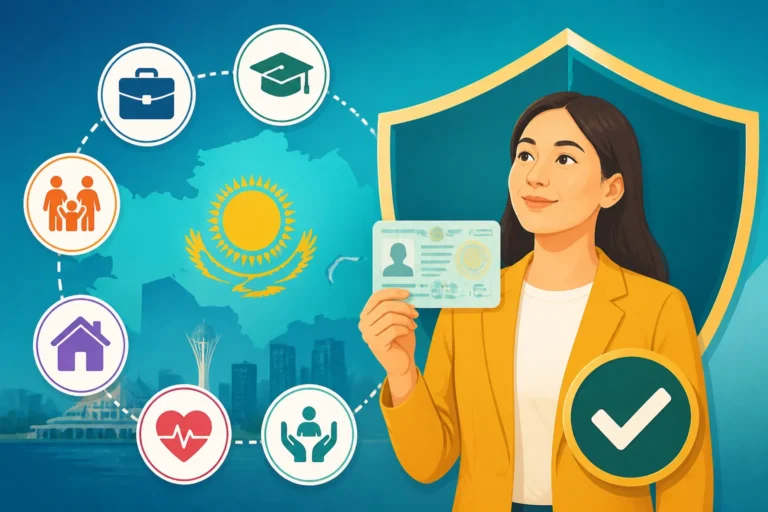
Becoming a citizen of Kazakhstan is about more than just a passport; it signifies a deep commitment to the country and grants you full rights and responsibilities. While temporary residence permits or even permanent residence statuses offer many benefits, citizenship removes virtually all restrictions that typically apply to foreigners, integrating you fully into Kazakhstani society.
Benefits and Responsibilities of Citizenship
The perks of Kazakhstani citizenship are numerous. You gain full political rights, including the right to vote and even run for office, which is obviously a massive step beyond what any expat can achieve. You won't need to worry about renewing residence permits, and your freedom to travel in and out of the country becomes entirely unrestricted by immigration rules. Access to state-funded healthcare and social benefits solidifies, and you’ll find administrative processes generally smoother. Furthermore, children born in Kazakhstan to Kazakhstani citizens typically acquire citizenship automatically, simplifying family life and future planning.
However, with these rights come responsibilities. As a citizen, you're expected to uphold the Constitution and laws of Kazakhstan, pay taxes diligently, and potentially fulfill military service obligations (though often there are exemptions or alternatives for those who naturalize). You will also be fully subject to Kazakhstani jurisdiction, meaning your primary legal identity is tied to the country.
Distinguishing Citizenship from Permanent Residence
Many expats mistakenly equate permanent residence with citizenship, but they are fundamentally different. A permanent residence permit, often referred to as a "вид на жительство" (vid na zhitelstvo), grants you the right to live and work indefinitely in Kazakhstan without the need for periodic visa renewals or temporary permits. It's a fantastic step towards stability and provides many similar rights to citizens, like access to healthcare and social services, and the ability to work without further permits. You can even How to Get Permanent Residence in Kazakhstan and establish a very comfortable life.
However, permanent residents usually cannot vote, hold public office, or obtain a Kazakhstani passport. They also often face restrictions on certain types of employment (e.g., in government or national security sectors) and may need to register their absences from the country if they are prolonged. The process for Understanding Kazakhstani Residence Permits: Work, Study and Investment varies, but none offer the full scope of rights and protections that citizenship does. Citizenship is the final legal step, a complete assimilation, while permanent residence is a long-term, but still foreign, status.
The Core Residency Requirement for Naturalization
The most significant hurdle for most expats seeking Kazakhstani citizenship is meeting the continuous residency requirement. Kazakhstan generally adheres to a strict rule for naturalization, ensuring that applicants have genuinely integrated and made the country their long-term home before granting citizenship.
The Standard 5-Year Continuous Residence Rule
For the vast majority of applicants, the law stipulates that you must have resided permanently in Kazakhstan for at least five years continuously before you can even apply for citizenship by naturalization. This isn't just about being in the country; it means holding a valid permanent residence permit (вид на жительство) for that entire duration. The clock starts ticking from the date your permanent residence permit was issued, not from your first entry into Kazakhstan or the start of a temporary work visa.
This "continuous" aspect is where many expats get tripped up. It implies more than just having lived here for a total of five years over a longer period. It means maintaining your residency status without significant breaks that could indicate a lack of intent to reside permanently. For instance, if you were living here on a work visa for three years, then obtained permanent residence, only the time spent under permanent residence counts towards the five-year requirement. It’s a commitment, plain and simple, and the government wants to see that you've truly established your life here.
Understanding "Permanent Residence" in This Context
When the law refers to "permanent residence," it's not just a casual term. It specifically means holding a document that grants you the legal right to reside indefinitely in Kazakhstan, typically the Permanent Residence Permit. This is distinct from temporary residence permits issued for work, study, or family reunification. While these temporary permits allow you to live in the country, they do not count towards the five-year naturalization period.
To qualify, you need to have completed the separate process of obtaining permanent residency first. This involves demonstrating stable income, housing, and sometimes even renouncing your previous citizenship (though this renunciation often happens later in the actual citizenship application process, it’s a good indicator of intent for permanent residency). The Migration Service of Kazakhstan, the official body handling these matters, will scrutinize your records to ensure your permanent resident status has been legitimate and uninterrupted for the required duration. It's a crucial distinction, and many people only realize this after years of living here on temporary visas, meaning their citizenship clock hasn't even started ticking yet!
Exceptions and Reduced Residency Periods
While the five-year rule is standard, Kazakhstan does offer some pathways to citizenship with reduced residency requirements, mainly for individuals with strong ties to the country, often related to family or specific contributions. These exceptions are critical for certain groups of expats.
One of the most common exceptions applies to individuals who are married to a Kazakhstani citizen. In such cases, the residency requirement is often reduced to three years of continuous permanent residence. This acknowledges the family ties and immediate integration into a Kazakhstani household. You can find more details on Family and Dependent Residence in Kazakhstan: Bringing Your Loved Ones, and how marriage impacts your long-term stay.
Another significant exception is for ethnic Kazakhs (oralmany) who repatriate to Kazakhstan. These individuals, and often their immediate family members, can typically apply for citizenship with a significantly reduced or even waived residency requirement, reflecting the government's policy of supporting the return of ethnic Kazakhs from abroad. Additionally, individuals with outstanding achievements in science, culture, or sports, or those whose profession is of particular interest to Kazakhstan, might also be considered for a shorter residency period, although these are rare and highly discretionary cases. These categories require robust documentation and often direct government invitation or sponsorship.
Calculating Your Residency Period: What Counts and What Doesn't?
The notion of "continuous residence" isn't as simple as counting days. The Kazakhstani authorities are looking for a genuine, uninterrupted commitment to living in the country. This means understanding how absences are treated and what documentation proves your continuous stay.
Permissible Absences and Their Limits
Even with "continuous" residence, the Kazakhstani law understands that expats, and even citizens, need to travel. Short trips abroad for holidays, business travel, or visiting family are generally permitted and will not break your continuity, provided they are reasonable in duration and frequency. However, there isn't a universally published, definitive maximum number of days you can be outside Kazakhstan per year that won't jeopardize your "continuous" status for citizenship purposes.
Typically, extensive absences – for example, being out of the country for six months or more in a single year, or frequently spending longer periods abroad over several years – could be interpreted by the migration authorities as an indication that Kazakhstan is not your primary place of residence. This could lead to a denial of your citizenship application, as it goes against the spirit of "continuous permanent residence." It’s a bit of a grey area, so if you anticipate needing to be outside Kazakhstan for a significant amount of time, it’s always best to consult with legal counsel specializing in immigration within Kazakhstan. They can provide advice based on your specific circumstances and recent interpretations of the law. Think of it this way: your life, your home, your primary base should clearly be Kazakhstan.
Documenting Your Continuous Stay
Proving continuous residence is all about documentation. The migration authorities will meticulously review your official records to confirm you've met the requirement. The most crucial document, of course, is your permanent residence permit itself, showing its issuance date and validity.
Beyond that, official records from the Migration Service showing your entries and exits from the country will be paramount. Every time you cross the border, your passport is stamped or electronically registered, creating a log of your movements. They will be checking this very carefully. To bolster your application, you should also gather supporting evidence that paints a clear picture of your life in Kazakhstan:
- Proof of address: Utility bills (electricity, water, heating) in your name, rental agreements, or property ownership documents for the entire period.
- Employment records: Employment contracts, tax statements (proving you've been working and paying taxes in Kazakhstan), and salary slips.
- Financial records: Bank statements from a Kazakhstani bank (like Kaspi or Halyk Bank) showing regular transactions and income. This helps demonstrate your financial rootedness here.
- Social contributions: Records of your contributions to the Compulsory Social Health Insurance (OSMS) and pension funds.
- Other ties: Any documents showing involvement in local community, education (if you have children in school), or long-term memberships.
Essentially, you need to be able to demonstrate an unbroken chain of living and contributing to life in Kazakhstan. Remember, these authorities aren't just looking at dates; they're looking for evidence of genuine integration.
| Category of Applicant | Minimum Continuous Permanent Residence Required | Key Conditions / Notes |
|---|---|---|
| General Applicant | 5 years | Must hold a valid Permanent Residence Permit for the entire duration. Strict "continuous" interpretation applies. |
| Married to a Citizen | 3 years | Requires a valid marriage certificate and proof of the spouse's Kazakhstani citizenship. |
| Ethnic Kazakh (Oralman) | Reduced or waived (details vary) | Must have obtained oralman status. Specific requirements outlined by the Ministry of Labour and Social Protection. |
| Special Achievements | Discretionary (often less than 5 years) | Requires official recognition of achievements or a letter of recommendation from a relevant government body. Rare. |
Navigating the Application Process: Beyond Just Time
Meeting the residency requirement is a massive step, but it's just one piece of the puzzle. The actual application process for Kazakhstani citizenship by naturalization is multifaceted and demands careful attention to detail, adherence to legal procedures, and often a fair bit of patience.
Required Documents and Translations
Once you’ve met the residency criteria, preparing your documentation is crucial. The list is extensive and often requires certified translations and notarizations, which can be a time-consuming and sometimes costly endeavor. Typically, you'll need:
- Your passport (and copies of all relevant pages).
- Your permanent residence permit.
- Your IIN (Individual Identification Number), which is essential for almost any official transaction in Kazakhstan. If you haven't got one yet, you absolutely need to. How Do I Get an IIN in Kazakhstan? is a great starting point for that.
- Your birth certificate.
- Marriage certificate (if applicable, especially for reduced residency requirements).
- Certificates for any children.
- Police clearance certificates from all countries you've lived in for a significant period.
- A medical certificate confirming you are free of certain diseases.
- Proof of financial solvency (e.g., bank statements, employment contract).
- Receipts for state fees.
- Photos meeting specific requirements.
Crucially, any documents issued outside of Kazakhstan must be properly apostilled or legalized by the Kazakhstani embassy/consulate in the issuing country. This ensures their legal validity here. The process for How to Get Your Documents Apostilled for Kazakhstan Immigration can be complex, so start early! All documents not in Kazakh or Russian will need to be officially translated and notarized in Kazakhstan. Don't cut corners here; any discrepancies or uncertified translations can cause significant delays or even rejection.
Language Proficiency and Knowledge of the Constitution
Unlike some countries, Kazakhstan currently does not have a mandatory, formal language proficiency test for citizenship by naturalization for most applicants. However, this doesn't mean language is irrelevant. The expectation is that individuals seeking citizenship will have a working knowledge of the state language, Kazakh, or at least Russian, which is widely spoken. While not formally tested, an interview might be conducted during the application process, where basic communication in one of the official languages could be implicitly assessed. Demonstrating a genuine effort to learn Kazakh will undoubtedly be viewed favorably.
Furthermore, applicants are generally expected to show a basic understanding of the Constitution of the Republic of Kazakhstan and its fundamental laws. Again, there isn't typically a formal "civics test," but the interviewing officer may ask general questions to gauge your commitment to the country's legal framework and societal norms. It’s important to understand the principles of the state you wish to become a part of. Spending time engaging with local culture, understanding the history, and making an effort to learn the language aren't just bureaucratic checks; they are essential parts of true integration.
Renouncing Your Previous Citizenship
This is perhaps one of the most significant and often emotionally challenging aspects for many expats. Kazakhstan, as a general rule, does not recognize dual citizenship. This means that if you are applying for Kazakhstani citizenship, you will almost certainly be required to formally renounce your previous citizenship(s) upon approval of your Kazakhstani application.
This renunciation process typically occurs towards the very end of the citizenship application journey. You will receive notification that your application for Kazakhstani citizenship has been approved, contingent upon you providing proof of renunciation of your prior nationality. You will then have a set timeframe (often a few months) to initiate and complete this renunciation with your home country's embassy or consulate. Once you provide official proof of renunciation, your Kazakhstani citizenship will be formally granted. It’s a huge decision, one that requires careful consideration of the long-term implications for travel, property ownership, and family ties in your country of origin. This is why many expats choose to stick with permanent residence rather than taking this final step.
Special Considerations for Spouses and Children
Family reunification is a strong principle in Kazakhstani immigration policy, and specific provisions exist to simplify the path to citizenship for family members of Kazakhstani citizens or those who are themselves applying for citizenship.
Citizenship Through Marriage
As mentioned earlier, marrying a Kazakhstani citizen can significantly shorten the residency requirement for naturalization, bringing it down to three years of continuous permanent residence. This is a common pathway for many foreigners who have established deep personal ties in Kazakhstan. However, simply being married isn't a guarantee; the marriage must be legitimate, properly registered, and the couple must reside together in Kazakhstan. The authorities will look for genuine relationships, not marriages of convenience.
When applying, you'll need to provide your marriage certificate, proof of your spouse's Kazakhstani citizenship (e.g., their passport), and evidence of your shared residence. This could include utility bills, tenancy agreements, or property ownership documents showing both your names at the same address. The entire process of getting How to Apply for Residence to Join My Spouse in Kazakhstan and then eventually citizenship, emphasizes the family unit. It's designed to make it easier for families to integrate fully.
Citizenship for Children of Applicants
The situation for children varies depending on their age and whether one or both parents are Kazakhstani citizens or are applying for citizenship.
- Children born in Kazakhstan to Kazakhstani citizens: These children automatically acquire Kazakhstani citizenship at birth.
- Children born outside Kazakhstan to Kazakhstani citizens: These children can generally acquire Kazakhstani citizenship through their parents, usually by registration.
- Children of naturalizing parents: If one or both parents are applying for Kazakhstani citizenship by naturalization, their minor children (under 18) can often be included in the parent's application or apply alongside them, usually with a reduced or waived residency requirement. The child's consent may be required if they are above a certain age (e.g., 14 years old).
The legal framework aims to keep families together and ensure children can share the nationality of their parents. However, if the children hold another citizenship, the same rules regarding dual citizenship generally apply, meaning they might also be required to renounce their other nationality. It’s a complex area, so it’s wise to get specific advice from the Migration Service or a legal expert on How to Add Dependents to Your Health Coverage in Kazakhstan and citizenship processes to ensure everything is done correctly for your little ones.
Potential Hurdles and How to Overcome Them
The journey to Kazakhstani citizenship is rarely without its challenges. From bureaucratic hurdles to unexpected legal complexities, it’s wise to be prepared for potential roadblocks and know how to navigate them effectively.
Bureaucracy and Documentation Challenges
Kazakhstan, like many countries, has its fair share of bureaucracy. The sheer volume of documents required, the precision needed for translations and notarizations, and the multiple agencies involved can be overwhelming. One common frustration is the exact formatting or specifics required for certain documents, which might differ from what you're used to in your home country. For example, a birth certificate might need to be an "original long-form certificate" or certain documents might need a specific stamp that isn't immediately obvious.
Tips for overcoming this:
- Start early: Give yourself ample time for document collection, translation, apostille, and notarization. Seriously, don't underestimate this step.
- Be meticulous: Double-check every single document against the official requirements. A single missing stamp or an incorrectly translated word can lead to delays.
- Keep copies: Make certified copies of everything you submit, and keep your originals safe.
- Organize: Create a well-organized folder (physical and digital) for all your documents. This helps you quickly retrieve anything needed and track your progress.
Another aspect is dealing with the various government bodies. You'll interact with the Migration Service, potentially local Notary Publics, and potentially your own country's embassy. Each has its own procedures and, sometimes, waiting times. Patience is definitely a virtue here!
Common Reasons for Application Rejection
Understanding why applications get rejected can help you avoid common pitfalls. Besides not meeting the residency requirement, typical reasons for denial include:
- Incomplete or incorrect documentation: As discussed, this is a major one. Missing documents, uncertified copies, or errors in translations are frequent culprits.
- Criminal record: Having a serious criminal record, either in Kazakhstan or in your home country, is a significant barrier to citizenship. Minor infractions might be assessed on a case-by-case basis.
- Threat to national security: If the authorities deem you a threat to Kazakhstan's national security, public order, or health, your application will be denied. This can be broadly interpreted.
- Providing false information: Any attempt to mislead the authorities or provide fraudulent documents will result in an immediate rejection and could lead to further legal consequences. Honesty and transparency are paramount.
- Failure to renounce previous citizenship (if required): If your application is approved conditionally on renunciation, and you fail to provide proof of it within the stipulated time, the offer of citizenship will be withdrawn.
- Not demonstrating sufficient ties: While not a formal test, a perceived lack of integration or connection to Kazakhstan (e.g., never learning basic Kazakh, no consistent employment, frequent long absences) could weigh negatively.
Seeking Professional Legal Advice
Given the complexity and the significant personal investment involved, seeking professional legal advice is highly recommended. An experienced immigration lawyer in Kazakhstan can:
- Assess your eligibility: They can provide a clear picture of your specific situation and advise on the most appropriate pathway to citizenship.
- Guide you through documentation: They know exactly what documents are needed, how they need to be prepared, translated, and legalized, saving you immense time and preventing costly mistakes.
- Represent your interests: In case of an interview or if there are complications, a lawyer can represent you or advise you on how to best handle interactions with the Migration Service.
- Anticipate issues: They can foresee potential hurdles based on your background or past travels and help you proactively address them.
While it's an additional cost, the peace of mind and the increased likelihood of a successful application often make it a worthwhile investment. Think of it as purchasing expertise to navigate a complex, life-changing process. Reputable firms or individual lawyers specializing in immigration can be found in major cities like Almaty and Astana. When considering a long-term move, even for household items, companies like Sirelo can help you find reliable international movers, but for legal matters, local expertise is irreplaceable. Also, considering health insurance options like Cigna Global even when you plan to become a citizen is a smart move, as healthcare can be complicated, and private options offer greater flexibility, especially during the transition period.
Disclaimer
Please remember that immigration laws and regulations in Kazakhstan, like anywhere else, can change. While this guide is compiled based on current understanding and best practices, it is intended for informational purposes only and does not constitute legal advice. Always verify information with official government sources or consult with a qualified immigration lawyer in Kazakhstan for advice tailored to your specific situation.