What Currency Does Kazakhstan Use?
When you first land in Kazakhstan, the vibrant energy of the place is unmistakable, but then reality hits: you need to pay for things, and suddenly, you're faced with a new currency. It can feel a bit overwhelming trying to figure out what's what, how much things cost, and the best way to manage your cash. Don't fret, because this guide will walk you through everything you need to know about the Kazakhstani Tenge (KZT), from its physical appearance to practical tips on how to handle your money like a local.
Getting Acquainted with the Kazakhstani Tenge KZT
Stepping into Kazakhstan, the first thing you'll need to wrap your head around is its national currency: the Tenge, officially abbreviated as KZT. While many countries use names like dollar or euro, Tenge (тeңге) has a distinct Central Asian heritage, derived from the Turkic word for "scale" or "balance," much like the Russian "dengi" (деньги) for money. It's been the official currency since 1993, replacing the Soviet ruble after Kazakhstan gained independence, and it’s a big part of the country’s modern identity.
Denominations: Notes and Coins
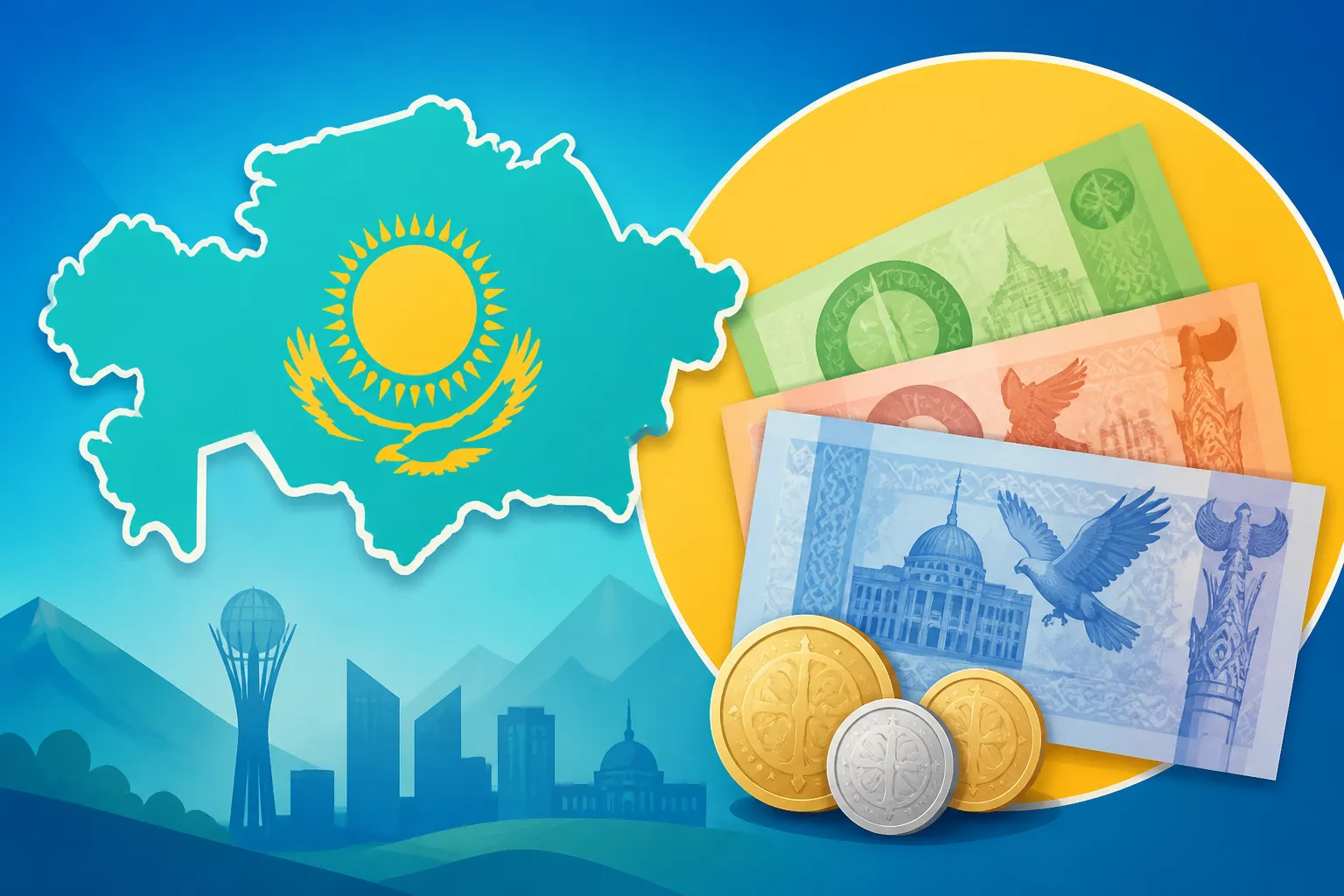
When you get your first stack of Tenge, you’ll notice a beautiful array of banknotes and, depending on your transactions, a few coins. The designs are quite striking, often featuring iconic Kazakh architecture, national symbols, and historical figures, which is a nice touch and a small window into the country's rich culture.
The banknotes are what you’ll be handling most of the time for everyday purchases. Currently, you’ll find denominations of 200, 500, 1000, 2000, 5000, 10000, and 20000 Tenge. The 200 and 500 Tenge notes are quite small, useful for minor purchases or adding to exact change. The 1000, 2000, and 5000 Tenge notes are your workhorses, perfect for groceries, restaurant meals, and mid-range expenses. The 10000 and 20000 Tenge notes are larger denominations, less frequently used for small transactions but handy for bigger purchases or when withdrawing from an ATM. Be aware that breaking a 10,000 or 20,000 Tenge note for a small purchase at a tiny corner shop might be a challenge, especially in smaller towns, so always try to keep some smaller notes handy.
Then there are the coins. You'll encounter coins in denominations of 1, 2, 5, 10, 20, 50, and 100 Tenge. While the 1, 2, and 5 Tenge coins technically exist, they are rarely used in daily transactions, and prices are often rounded. The 10, 20, 50, and especially the 100 Tenge coins are much more common. You’ll find them useful for things like bus fares, vending machines, or getting exact change at shops. Honestly, as an expat, you'll quickly get a feel for which notes and coins are most practical for your daily life.
Historical Context and Symbolism
The introduction of the Tenge in 1993 was a pivotal moment for newly independent Kazakhstan, signifying its economic sovereignty. The initial designs often featured prominent figures and landmarks that resonated with the nation's newfound independence and rich historical tapestry. Over the years, the designs have evolved, but they consistently showcase elements that are deeply rooted in Kazakh culture and history.
For instance, you might see images of the national symbol, the Samruk bird, often depicted as a mythical eagle, representing freedom and the future. Architectural marvels like the Baiterek Tower in Astana or monuments in Almaty frequently adorn the notes, celebrating the country's modern achievements and ancient heritage. These aren't just pieces of paper; they're miniature canvases that tell a story of Kazakhstan's past, present, and aspirations. Understanding this adds another layer to your expat experience, connecting you more deeply with the local culture every time you handle money.
Exchanging Your Foreign Currency in Kazakhstan
Converting your home currency into Kazakhstani Tenge is one of the first financial hurdles you'll face. It might seem daunting at first, but with a bit of knowledge, you’ll be exchanging money like a seasoned local in no time. The key is to know where to go and what to look out for.
Where to Exchange Money: Banks vs. Exchange Offices
You essentially have two main options for exchanging currency in Kazakhstan: traditional banks and private exchange offices, often called "obmenniks" (обменники). Each has its own set of advantages and disadvantages, and knowing them can save you time and money.
Banks, like Halyk Bank or Kaspi Bank, are generally the most secure option. Their exchange rates are official, transparent, and you’re less likely to encounter any issues. However, banks can be slower. You might face longer queues, especially during peak hours, and their operating hours are often limited, usually adhering to standard business days and times. If you need to exchange a large sum and prefer the absolute security of a regulated institution, a bank is a solid choice. You’ll also find that banks might require your passport for larger transactions. If you're a long-term resident, you'll eventually want to open a local bank account, and understanding The Expat Guide to Opening a Bank Account in Kazakhstan is crucial.
Private exchange offices, or "obmenniks," are ubiquitous, particularly in major cities like Almaty and Astana. They are often located in shopping malls, markets, and along busy streets. Many expats find these a more convenient option because they often offer slightly better exchange rates than banks, operate with extended hours, and the transaction process is usually much quicker. However, a word of caution: while most obmenniks are legitimate, it’s vital to use reputable ones. Look for those in well-lit, busy areas, ideally within established shopping centres or near banks. Avoid any that look rundown or are located in isolated spots. Always confirm the rate displayed matches what you receive, and count your money before you leave the counter.
Best Practices for Currency Exchange
Having lived here for a while, I’ve picked up a few tricks that can make your currency exchange experience smoother and more cost-effective. First off, absolutely avoid exchanging money at the airport if you can help it. The rates there are almost always the worst, preying on newly arrived, desperate travellers. Exchange just enough for your immediate needs, like a taxi or initial food, and then seek out better rates in the city.
Secondly, always use official, licensed exchange points. This cannot be stressed enough. These places will have their rates clearly displayed on a board, usually updated in real-time. If an exchange office doesn't clearly display rates, walk away. Don't be afraid to compare rates between a few different obmenniks if you're exchanging a significant amount – even small differences can add up. It’s a good practice to ask for smaller denominations when exchanging. While having 10,000 or 20,000 KZT notes is fine, having a mix of 1000, 2000, and 5000 KZT notes will make your daily transactions much easier, especially when dealing with taxis, smaller shops, or street vendors who might struggle with large notes.
For any substantial transactions, especially at banks, you'll likely need your passport and potentially your Individual Identification Number (IIN). If you haven't sorted that out yet, definitely look into How to Get an IIN (Individual Identification Number) in Kazakhstan as it's a foundational step for almost all financial and administrative tasks here.
Using Your Money: Cash, Cards, and Digital Payments
Once you've got your Tenge, the next step is actually using it. Kazakhstan's payment landscape is a fascinating mix of traditional cash-based transactions and surprisingly advanced digital solutions. It's truly a country that embraces mobile payments, sometimes even more so than many Western nations.
Cash is Still King, But Cards are Catching Up
While Kazakhstan is modernizing rapidly, cash is still an undeniable part of daily life. For many smaller vendors, independent shops, local markets, and especially taxis (unless you're using a ride-hailing app like Yandex Go), cash is king. It's always wise to carry a decent amount of Tenge on you, especially when venturing outside the main city centres of Almaty and Astana. Don’t be caught without cash if you need to buy a quick snack from a kiosk or pay for a short bus ride.
That said, card acceptance has grown tremendously. Most supermarkets, modern restaurants, cafes, large retail stores, and hotels in major cities will readily accept Visa and Mastercard. American Express is less commonly accepted, so it's always best to have a backup Visa or Mastercard. Contactless payments are also widely available, which is a huge convenience. ATMs are also widespread, often found in bank branches, shopping malls, and sometimes even smaller grocery stores. When using ATMs, stick to those attached to bank branches during banking hours if possible, in case of any issues. Be mindful of potential fees from your home bank and the local bank, and be aware that daily withdrawal limits can apply.
Digital Payment Solutions and Local Banks
This is where Kazakhstan really shines and often surprises newcomers. The country has enthusiastically adopted digital payment systems, to the point where they are often preferred over cash or even physical cards for many transactions. The undisputed king of this realm is Kaspi.kz. If you’re living in Kazakhstan, you’ll see the distinctive red Kaspi logo everywhere – on payment terminals, on people's phones, even on small stands in the bazaar.
Kaspi.kz is an entire ecosystem that integrates banking, payments, online shopping, and even a peer-to-peer transfer system. People use the Kaspi.kz app to pay for everything: groceries, utilities, petrol, taxi fares, restaurant bills, and even transfer money to friends in an instant. It’s incredibly convenient. As an expat, once you manage to open a local bank account, ideally with Kaspi or Halyk Bank, you'll want to get on board with their mobile banking apps. Understanding the Difference Between Kaspi, Halyk and Other Banks in Kazakhstan will help you choose the right fit for you. Setting up these apps will dramatically simplify your financial life here.
For those needing to send money internationally or receive funds from abroad, services like Wise (formerly TransferWise) have become incredibly popular among expats. They offer competitive exchange rates and lower fees compared to traditional bank transfers, making it a smart choice for managing your money across borders. Whether you're sending money home or bringing funds into Kazakhstan, understanding How to Transfer Money Into and Out of Kazakhstan as an Expat is essential, and Wise is often highlighted as a reliable and transparent option.
Managing Your Finances as an Expat
Living as an expat in Kazakhstan means more than just knowing which notes to use; it's about shrewdly managing your overall finances in a new economic environment. From daily budgeting to understanding tax obligations, a bit of foresight can save you a lot of headaches.
Budgeting and Cost of Living Considerations
One of the pleasant surprises for many expats in Kazakhstan is the relatively affordable cost of living compared to many Western countries. However, "affordable" is a relative term, and your budget will depend heavily on your lifestyle. Housing, especially in the central districts of Almaty or Astana, can be a significant expense, but outside of those prime areas, it becomes much more reasonable. Utilities are generally inexpensive. Groceries, especially local produce, are quite cheap, but imported goods can be surprisingly pricey. Dining out can range from extremely cheap local eateries to international restaurants with prices similar to European capitals.
It’s crucial to set up a realistic budget in KZT, tracking your expenses diligently. This will help you get a real sense of where your money is going. Don't assume that because the overall cost of living is lower, you can be lax with your spending. Sudden fluctuations in the Tenge's value can also affect your purchasing power if your income is in a foreign currency. For a comprehensive overview, I highly recommend checking out The Complete Guide to Cost of Living in Kazakhstan for Expats (2026), as it breaks down various expenses in detail.
Tax Implications and Financial Planning
Navigating the tax system in a foreign country is rarely straightforward, and Kazakhstan is no exception. As an expat, your tax obligations will depend on your residency status and the source of your income. Generally, Kazakhstan boasts a flat 10% individual income tax rate for residents, which is quite attractive compared to many other countries. However, understanding what constitutes tax residency, how foreign income is treated, and your social and pension contributions can be complex. You can learn more about Understanding Income Tax and the Flat 10% Rate in Kazakhstan and How Much Income Tax Will I Pay in Kazakhstan in 2026? to get a better grasp of the basics.
For those with more complicated financial situations, perhaps with income from multiple countries or investments abroad, seeking professional advice is highly recommended. Firms specializing in expat taxation can be invaluable. This is where services like Taxes for Expats come into play. They can provide expert guidance on how to navigate the Kazakhstani tax system, ensuring compliance and potentially optimizing your tax situation, especially if you have foreign-sourced income or need to understand double taxation agreements. Detailed information on this can be found in The Complete Guide to Taxes in Kazakhstan for Expats (2027) and How to File Taxes If You Have Both Foreign and Kazakhstani Income. Planning ahead and understanding these nuances will prevent any unwelcome surprises down the line. Remember, diligent financial planning is a cornerstone of a stress-free expat life.
| Feature | Banks (e.g., Halyk, Forte) | Private Exchange Offices (Obmenniks) |
|---|---|---|
| Exchange Rates | Official, generally slightly lower | Often slightly better rates |
| Transparency | High, rates clearly displayed | High, rates clearly displayed |
| Security | Very high, regulated institution | Generally high, but verify reputability |
| Transaction Speed | Can be slower, queues possible | Usually very quick |
| Operating Hours | Standard business hours | Often extended, including weekends |
| Documentation | Passport often required for larger sums | Usually just passport for larger sums, sometimes none for small amounts |
| Location | Bank branches, major commercial areas | Widespread, malls, markets, street-side |
| Best For | Large sums, absolute security, official record | Convenience, better rates for smaller daily exchanges |
Disclaimer
Please remember that while I strive to provide the most current and accurate information based on my experiences and available data, rules and regulations in Kazakhstan, particularly concerning finance, taxes, and immigration, can change. Always consult official government sources, financial advisors, or legal professionals for advice tailored to your specific situation. This guide is for informational purposes only and should not be considered professional financial or legal advice.