What Is the Average Utility Bill for an Apartment in Kazakhstan?
Ah, the joys of settling into a new country! One of the first things that hits you, often after the initial rush of finding a place and getting your IIN, is the monthly dance with utility bills. Back home, it might have been straightforward, but here in Kazakhstan, with its unique system of central heating, KSK fees, and various payment portals, it can feel like deciphering ancient scrolls. Believe me, I've been there, staring at a bill written entirely in Kazakh and wondering if I'd accidentally bought the entire city's electricity for the month. This guide is here to demystify your apartment's utility costs, break down what you can expect, and help you navigate the system like a seasoned local.
Deconstructing Your Average Utility Bill in Kazakhstan
When you first get your hands on a utility bill in Kazakhstan, especially in cities like Almaty or Astana, it can look like a patchwork of different charges. It’s not usually one consolidated bill, but often several, each for a different service. Understanding what each part represents is the first step to feeling more in control of your monthly expenses.
The Core Services: Heating, Water, and Electricity
These are generally your biggest hitters and the most essential services that keep your apartment running smoothly.
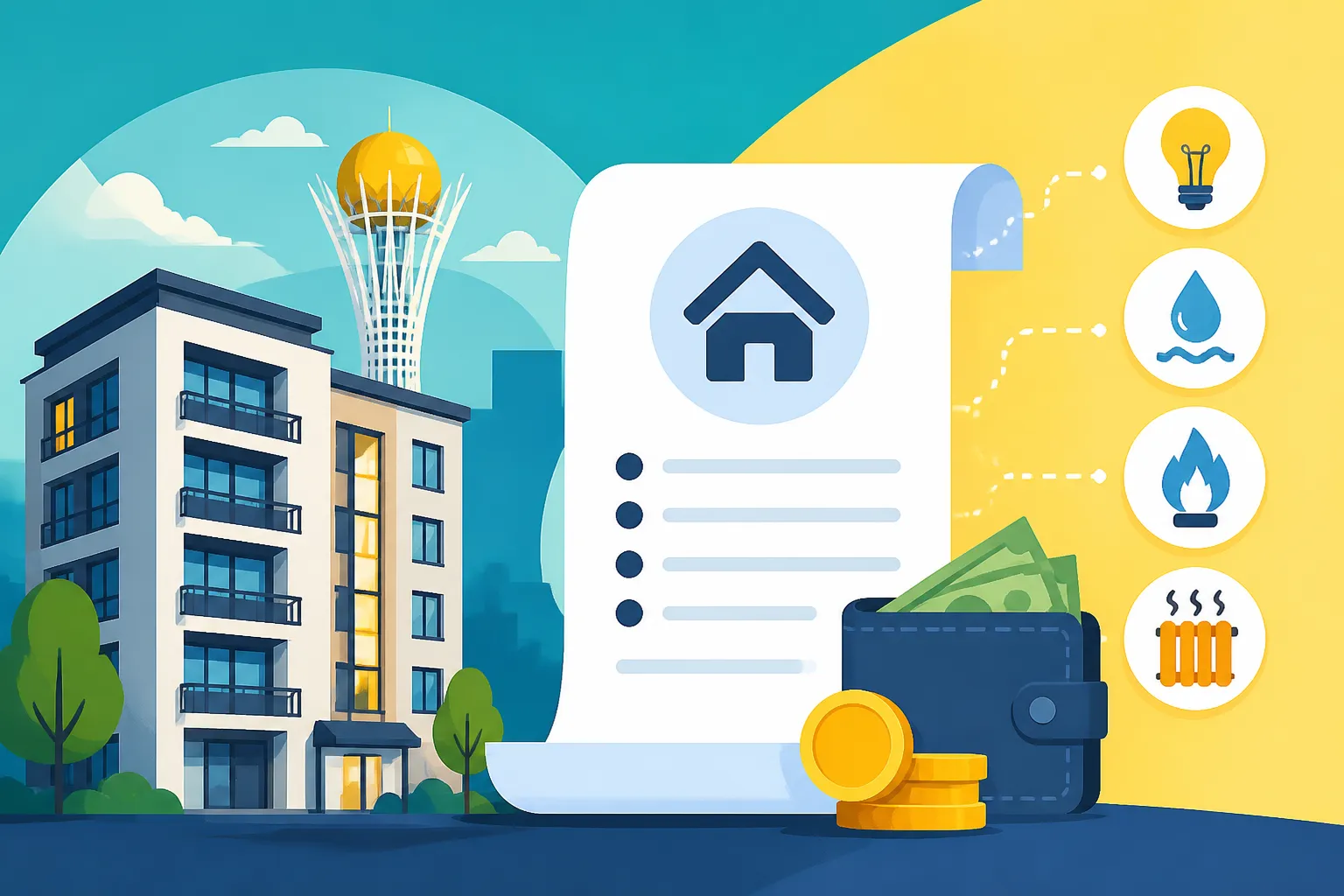
- Heating (Otopleniye): This is often the heftiest part of your winter bill, and for good reason. Most apartment buildings in Kazakhstan rely on a centralized heating system, which means your heating is provided by a municipal service, not an individual boiler in your apartment. The cost is typically calculated based on the area of your apartment in square meters. You'll find that heating charges are usually only levied during the colder months, roughly from October to April, although the exact start and end dates can vary slightly each year based on weather conditions. This also means your overall utility bill will fluctuate significantly throughout the year – prepare for a noticeable jump when the heating season kicks in! Many expats find it surprising that they can't directly control the temperature in their apartment, as it's regulated centrally. This is a common frustration, so invest in good layers and maybe a portable heater for those extra chilly days, or a fan for surprisingly warm spring days before the central system switches off.
- Water (Su): This is usually split into two categories: cold water (suyk su) and hot water (ystyq su). Most modern apartments, and many older ones that have been renovated, will have individual meters for both cold and hot water. You'll pay based on your consumption, measured in cubic meters. It's crucial to ensure your landlord or you (if you're managing payments directly) are providing regular meter readings to avoid estimated bills that could be higher or lower than your actual usage. If you're wondering how to properly set up water and heating in your new place, there are guides on that specifically.
- Electricity (Elektr energia): Electricity is straightforward; you pay for what you use, measured in kilowatt-hours (kWh). Similar to water, having a functional meter and submitting readings regularly is key. Tariffs can sometimes vary slightly based on consumption thresholds, but generally, it's a flat rate per kWh. Keep an eye on your usage, especially if you have older appliances or rely heavily on air conditioning in the summer or electric heaters in the winter.
Beyond the Basics: Gas, Internet, and KSK Fees
While heating, water, and electricity form the backbone of your utility costs, there are other essential services that contribute to your overall monthly spend.
- Gas (Gaz): In many urban apartments, particularly in cities like Almaty, gas is not individually metered for cooking. Instead, it might be a flat monthly charge or even included within a broader KSK (Kvartirno-ekspluatatsionnaya sluzhba – Apartment Exploitation Service) fee. Some older buildings or certain regions might have individual gas meters for cooking ranges, but it's less common for central heating via gas in city apartments. Always clarify with your landlord if gas is a separate charge or part of another payment.
- Internet and Mobile Service (Internet zhane Uyaly Baylanys): In today's world, internet isn't a luxury, it's a utility! You'll typically choose from several internet service providers like Beeline, Kazakhtelecom (Alma-TV), or Tele2/Altel, depending on what's available in your building. Packages vary widely in speed and price, but you can expect to pay anywhere from 4,000 to 8,000 KZT per month for decent fiber optic internet. Mobile service is usually separate, and prepaid plans are very popular and affordable. For newcomers, or even if you’re just traveling between cities, having an eSIM from a provider like Airalo can be a lifesaver for instant connectivity while you sort out local options. You can read up on how to set up internet and mobile service in Kazakhstan for more detailed insights.
- KSK Fees (Kvartirno-ekspluatatsionnaya sluzhba): This is a unique Kazakhstani concept and often a source of confusion for expats. KSK, or the "Homeowners' Cooperative" (or simply a management company), is responsible for the general upkeep and maintenance of the common areas of your apartment building. This includes things like cleaning stairwells, minor repairs to the building's facade or roof, maintaining elevators, communal lighting, and sometimes even trash collection. The fee is usually calculated per square meter of your apartment. KSK fees can vary significantly based on the age and condition of the building, the services provided, and the general management quality. In newer, more luxurious complexes, these fees can be considerably higher due to amenities like security, concierges, and landscaped grounds. Understanding building maintenance fees (KSK) for apartments in Kazakhstan is crucial for managing your budget.
- Waste Collection (Qoqys shygaru): Often, this is a separate, relatively small monthly fee, sometimes managed by the KSK or a specific municipal service.
Factors Influencing Your Monthly Utility Spend
Now that we've broken down the components, let's talk about what makes these numbers go up or down. Your utility bill isn't just a fixed sum; it's a dynamic figure influenced by several factors that are worth considering.
Apartment Size, Location, and Building Type
These structural aspects play a huge role in your overall utility expenditure.
- Apartment Size: This might seem obvious, but a larger apartment means more space to heat, more square meters for KSK calculations, and potentially more rooms consuming electricity. A cozy one-bedroom will naturally have lower base costs than a sprawling three-bedroom. When considering how much does it cost to rent an apartment in Almaty, remember that size directly correlates with utility base costs.
- Location: While major utilities often have standardized tariffs across a city, regional differences can exist. For instance, the general cost of living in Kazakhstan for expats varies between Almaty, Astana, and smaller cities. Tariffs in a bustling economic hub like Almaty might be slightly different from those in a smaller, more rural town. Additionally, prestige neighborhoods often come with more expensive KSK fees due to higher-end services or amenities.
- Building Type and Age: This is a big one. Older Soviet-era buildings, while charming, often have less efficient insulation and older plumbing systems. This can lead to higher heating losses in winter and potentially higher water consumption if pipes are not in optimal condition. Newer, modern complexes, especially those built to international standards, typically boast better insulation, more efficient heating systems, and sometimes even individual thermostats for residents, giving you more control over your heating bill. This can make a significant difference in your monthly outlay.
Personal Consumption Habits and Seasonal Changes
Beyond the fixed costs, your daily choices and the relentless march of the seasons will dictate a large portion of your bill.
- Seasonal Fluctuations: This is arguably the most impactful factor. Kazakhstan experiences extreme temperatures, with scorching summers and brutally cold winters. As mentioned earlier, central heating costs skyrocket in winter, often making it your single largest utility expense. Conversely, in summer, you might rely more on air conditioning, which can significantly drive up your electricity bill. Be prepared for this cyclical change in your budget. I remember my first winter bill – it was a shock, but once you know it's coming, you can budget for it.
- Energy and Water Usage: This is where you, as the resident, have the most control. Long, hot showers, leaving lights on in empty rooms, running energy-intensive appliances unnecessarily, or blasting the AC all day will add up. Being mindful of your habits, such as turning off lights when you leave a room, unplugging chargers, taking shorter showers, and only running washing machines when full, can make a noticeable difference.
Practical Tips for Managing and Paying Your Utility Bills
Navigating the payment process for utilities in Kazakhstan can be daunting at first, especially with language barriers and different platforms. But once you get the hang of it, it's quite manageable.
Navigating Billing Cycles and Payment Methods
Forget a single, neat bill arriving in your mailbox. Here, it's often a collection of separate charges.
- Understanding Billing Cycles: Most utility bills operate on a monthly cycle. You'll typically receive bills (or access them online) towards the end of the current month or the beginning of the next, covering the previous month's consumption. For instance, your January utility bill will likely arrive in early February. Payments are usually due within a couple of weeks of receiving the bill.
- Popular Payment Methods:
- Kaspi.kz: This is the undisputed champion of digital payments in Kazakhstan. The Kaspi.kz app is incredibly user-friendly and allows you to pay almost all your utility bills (electricity, water, heating, internet, KSK, etc.) with just a few taps from your phone. You can usually link your apartment number or personal account number for each service, and it will automatically pull up your current balance. I cannot stress enough how much easier Kaspi.kz makes life here. If you haven't already, getting a Kaspi Gold card and using the app is one of the first things you should do after opening a bank account as a foreigner in Kazakhstan.
- eGov Portal: The government's eGov portal is another option for paying some utilities and managing various public services. It's more complex than Kaspi.kz but can be useful for certain official payments.
- Bank Transfers/Branches: You can also pay directly through bank branches (like Halyk Bank) or via their online banking systems, though this is often more cumbersome than using Kaspi.kz.
- Post Offices: Kazpost branches also accept utility payments, though expect longer queues and potential language barriers.
- Meter Readings: For metered services like water and electricity, make sure meter readings are submitted regularly. Your landlord might handle this, or you may be expected to do it yourself through an online portal, a dedicated app, or even by sending a photo via a messaging app to your KSK or utility provider. Neglecting this can lead to estimated bills that might not reflect your actual usage.
Strategies for Saving on Your Utility Costs
While some costs are fixed, there are always ways to shave a few tenge off your monthly spend.
- Insulation and Drafts: If you live in an older building, check for drafts around windows and doors. Simple solutions like weather stripping or heavy curtains can make a huge difference in retaining heat during winter and keeping cool in summer, reducing the strain on your heating or cooling systems. You might not be able to "prepare your home for winter in Kazakhstan" in a big way if you're renting, but small hacks can help!
- Mindful Consumption: This goes back to basic energy-saving habits. Turn off lights, unplug electronics when not in use, take shorter showers, and only run dishwashers or washing machines when full. Even small changes accumulate over time.
- Negotiate Internet Plans: Don't be afraid to compare internet providers periodically. The market is competitive, and new deals pop up often. If you're out of contract, you might be able to get a better speed for the same price or a lower price for your current speed.
- Understand Your KSK: While you can't usually directly influence KSK fees as a renter, understanding what they cover can help you hold your KSK accountable for services. If you own your apartment, engaging with your KSK can lead to better building management and potentially more efficient use of funds, which can indirectly save on common area utilities.
What's the Average Utility Bill Really Like? A Snapshot
Okay, let's get down to the numbers. While "average" can be tricky due to all the variables we've discussed, I can give you a realistic range based on common expat experiences in major cities like Almaty and Astana.
Typical Monthly Ranges for a Standard Apartment
For a 1-bedroom (around 40-50 sq meters) to a 2-bedroom apartment (around 60-80 sq meters) in a mid-range building, you can expect the following:
| Utility Component | 1-Bedroom Apartment (Monthly Average) | 2-Bedroom Apartment (Monthly Average) | Notes |
|---|---|---|---|
| Heating (Winter) | 8,000 – 15,000 KZT | 12,000 – 25,000 KZT | Highly dependent on apartment size, insulation, and outdoor temperatures. Only charged Oct-Apr. |
| Cold Water | 1,500 – 3,000 KZT | 2,500 – 5,000 KZT | Based on consumption, number of occupants. |
| Hot Water | 2,000 – 4,000 KZT | 3,500 – 7,000 KZT | Based on consumption, number of occupants. |
| Electricity | 2,500 – 6,000 KZT | 4,000 – 9,000 KZT | Varies greatly with usage of AC, electric heaters, and appliances. |
| Gas (if applicable) | 500 – 1,500 KZT | 700 – 2,000 KZT | Often a flat fee or included in KSK. For cooking only. |
| Internet | 4,000 – 8,000 KZT | 4,000 – 8,000 KZT | Flat fee for package. |
| KSK/Maintenance Fees | 3,000 – 7,000 KZT | 5,000 – 12,000 KZT | Varies significantly by building type, age, and amenities. |
| Waste Collection | 300 – 800 KZT | 500 – 1,200 KZT | Usually a small flat fee per person or household. |
| Total (Summer) | 11,800 – 27,800 KZT | 16,200 – 40,200 KZT | Excludes heating, lower end if minimal AC use. |
| Total (Winter) | 19,800 – 42,800 KZT | 28,200 – 65,200 KZT | Includes heating, higher end with heavy electricity use for extra heating. |
Note: 1 USD is approximately 450-470 KZT as of late 2023 / early 2024, but exchange rates fluctuate.
These are rough estimates, of course. Your actual bill could be lower if you are extremely frugal or higher if you're living in a very large, older apartment with poor insulation, or if you crank the AC/heating constantly. The crucial takeaway is the significant difference between summer and winter bills due to heating. Always factor this into your budget planning, especially if you're considering the overall cost of living in Almaty per month.
When you're first setting up your home here, or even looking to move your belongings, services like Sirelo can help you get an idea of international moving costs, which, while not a utility, is a major upfront expense for many expats. Understanding these initial costs and ongoing utilities is part of a broader financial picture.
Regional Variations: Almaty vs. Astana and Beyond
While the general structure of utility billing remains consistent across Kazakhstan, the exact tariffs and average costs can vary.
Major Cities: Almaty and Astana
Both Almaty and Astana are major economic and administrative centers, and consequently, the cost of living, including utilities, tends to be higher than in smaller towns.
- Almaty: Being the former capital and a vibrant commercial hub, Almaty has a diverse range of housing, from old Soviet blocks to brand new, high-rise luxury apartments. Utility costs here are generally on the higher end of the national average, especially in well-serviced central districts or newer complexes where KSK fees can be substantial. For example, some of the nicer, modern buildings in central Almaty can see KSK fees easily reach 10,000-20,000 KZT or more, depending on the amenities (gym, pool, security).
- Astana: The current capital, Astana, is known for its modern architecture and extreme climate. Winters are even harsher than in Almaty, which can mean higher central heating consumption overall, though the efficiency of newer buildings might counteract some of that. Utility tariffs are comparable to Almaty, but specific KSK charges can also be quite variable.
Smaller Cities and Towns
In smaller cities like Shymkent, Karaganda, or Aktau, utility tariffs are often slightly lower than in the two main metropolitan areas. Housing stock might also lean more towards older buildings, which could mean lower KSK fees, but potentially higher heating bills due to poorer insulation. The availability of high-speed internet might also be less widespread or offer fewer provider choices, though this is rapidly improving nationwide.
Ultimately, regardless of where you settle, always ask your landlord for recent utility bills for the apartment you are considering renting. This is the single best way to get a realistic picture of the expected costs for that specific unit, rather than relying solely on averages. It will also help you understand what documents you need to rent an apartment in Kazakhstan and what to look out for in your rental contract.
Disclaimer
Please remember that this guide provides general information based on common expat experiences in Kazakhstan. Utility tariffs, regulations, and payment systems can change. It's always a good idea to confirm specific details with your landlord, KSK, or relevant utility providers upon your arrival or when signing a new rental agreement.