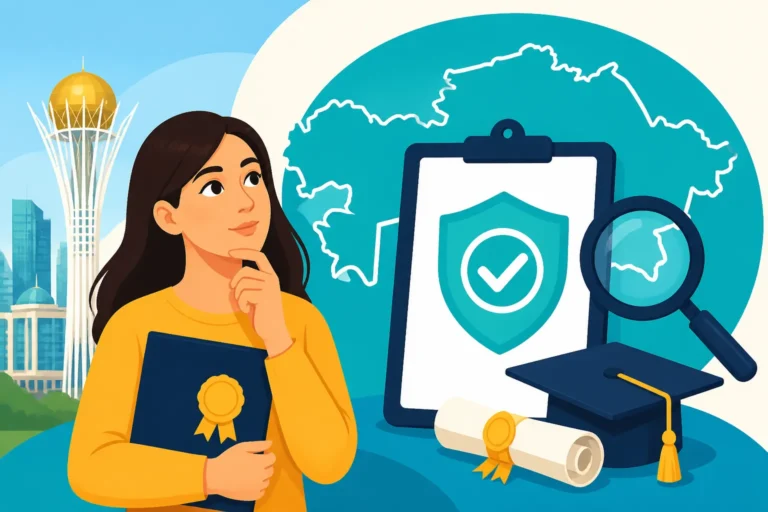
Working Remotely from Kazakhstan: The Definitive Expat Guide (2027)
Ah, the dream of working remotely from a new corner of the world! Kazakhstan, with its vast landscapes, dynamic cities, and surprisingly affordable lifestyle, has certainly caught the eye of many digital nomads and remote workers. But let’s be real, navigating a new country's legal, financial, and administrative systems while trying to maintain your overseas job isn't always a walk in the park. The rules can be a bit opaque, the paperwork daunting, and figuring out how your foreign income fits into the local tax structure can feel like solving a Rubik's Cube. Don't worry, my fellow expat, this guide is here to cut through the confusion and give you the definitive, no-nonsense roadmap to successfully working remotely from Kazakhstan in 2026.
The Legal Landscape of Remote Work in Kazakhstan for Foreigners
This is often where the biggest headaches begin, isn't it? You've got your laptop, your Wi-Fi connection, and your international job, but where do you legally stand in Kazakhstan? It’s not as straightforward as just showing up with a tourist visa and hoping for the best. Many expats get into sticky situations, so that getting your legal status right from the start is paramount.
Understanding Your Visa and Residence Permit Status
When you first arrive, your visa or permit is your golden ticket, dictating what you can and cannot do. For remote workers, this is especially critical because while your income might not be coming from a Kazakhstani employer, your presence and activity in the country still have legal implications.
Tourist Visa or Visa-Free Entry: Many nationalities enjoy visa-free entry to Kazakhstan for up to 30 days. This is fantastic for a quick visit or scouting trip. However, officially, working — even remotely for a foreign company — is generally not permitted under a tourist visa or visa-free status. While it might seem like a grey area because you're not "taking a local job," the government's stance is that any activity that constitutes "gainful employment" should be properly authorized. Staying for extended periods and routinely engaging in remote work on a tourist status can lead to issues with the migration service, including fines, deportation, or even future entry bans. It's a risk not worth taking if you plan to make Kazakhstan your longer-term base.
Business Visa: A business visa is typically for individuals engaging in business activities like meetings, negotiations, or setting up a company. It's usually sponsored by a local entity. Again, this isn't designed for sustained remote work from your apartment for an overseas employer. While you might be able to conduct some remote tasks during a business trip, using it as your primary, ongoing remote work visa is problematic and not the intended use.
Work Visa and Residence Permit: This is the most common path for those directly employed by a Kazakhstani company. Your employer obtains a work permit for you, which then allows you to get a work visa and a temporary residence permit. For most remote workers, this isn't directly applicable unless your foreign company has a local branch and is sponsoring you through that channel, or if you transition to a local role. However, understanding How a Work Permit and Employer Sponsorship Work in Kazakhstan can give you context on the rigorous processes involved for traditional employment.
The "Grey Area" Dilemma: Many remote workers around the world operate in a legal grey zone, relying on short-term visas and hoping for the best. While it might work for a few weeks, doing this long-term in Kazakhstan carries genuine risks. The authorities are increasingly aware of global digital nomad trends and are tightening regulations. You don't want to be caught off guard, especially if you've settled in and built a life here.
Navigating the Neo Nomad Visa for Remote Workers
Thankfully, Kazakhstan has recognised the potential of remote workers and digital nomads! In a move to attract foreign talent, the country introduced the "Neo Nomad" visa. This is a game-changer for many, offering a legitimate pathway to live and work remotely in Kazakhstan.
The Neo Nomad visa, officially known as a 'visa for digital nomads' or 'visa for remote workers', is specifically designed for individuals who earn their income from sources outside Kazakhstan. This is precisely what most of us remote workers are doing!
Eligibility and Benefits: To be eligible, you typically need to demonstrate a stable income above a certain threshold (this amount can fluctuate, so always check the latest requirements from the migration service) and usually have a clean criminal record. The primary benefit is obvious: legal residency and peace of mind. It allows you to stay for an extended period, usually with options for renewal, without constantly worrying about visa runs or legal repercussions. It also streamlines other processes like opening a bank account and dealing with local authorities, as you have a clear legal status. You can find detailed information on the requirements and application process in our guide on How to Apply for the Neo Nomad Digital Nomad Visa in Kazakhstan.
Application Process and Required Documents: While the exact list of documents can vary, expect to provide:
- Your passport, valid for at least six months beyond your intended stay.
- Proof of sufficient funds or stable income (bank statements, employment contracts with your foreign company, freelance client contracts).
- Proof of health insurance valid in Kazakhstan.
- A clean criminal record certificate from your home country.
- A letter of intent explaining your remote work, financial means, and why you choose Kazakhstan.
- Accommodation details in Kazakhstan.
The process often involves an initial online application or submission to a Kazakhstani consulate in your home country, followed by in-country registration once you arrive. It’s crucial to gather all documents meticulously and ensure they are translated into Kazakh or Russian and notarized if required. This isn't a process you want to rush or take lightly.
Challenges and Practical Tips: Even with a dedicated visa, expect some bureaucratic hurdles. Patience is key. The migration service, like many government bodies, operates at its own pace. My best advice? Start the application process well in advance, keep copies of everything, and don't hesitate to seek advice from local legal consultants who specialize in immigration. They can often navigate the nuances and communication challenges much more smoothly.
The Importance of Official Registration
Regardless of your visa type, once you arrive in Kazakhstan, official registration is almost always a requirement. This isn't just a formality; it's how the government keeps track of foreigners in the country.
Migration Service Registration: For most visitors, particularly those on a visa or a visa-free stay exceeding a few days (often 5-10 days, depending on your nationality and entry point), you must register with the Migration Service. If you stay in a hotel, they often handle this for you. If you're renting an apartment, your landlord is responsible, but it's your responsibility to ensure it's done. Failure to register within the specified timeframe can lead to fines and issues when trying to leave the country or apply for extensions. Always double-check the current rules with the Migration Service or your embassy upon arrival.
Individual Identification Number (IIN): This little number is your administrative lifeline in Kazakhstan. Think of it like a tax ID or social security number. You'll need an IIN for almost everything: opening a bank account, setting up utilities, filing taxes, registering an Individual Entrepreneur (IP), and sometimes even getting a local SIM card. Getting your IIN is usually one of the very first things you should do after arriving and settling into your accommodation. It’s a relatively straightforward process at a Public Service Center (often called a ЦОН – "TsON" in Russian), but you'll need your passport and migration card. We've got a detailed walkthrough on How to Get an IIN Individual Identification Number in Kazakhstan that will help you.
Why it Matters for Remote Workers: Even if your income isn't local, your physical presence means you're part of the system. Proper registration ensures you're a legitimate resident, making everything else, from banking to healthcare, much smoother. It avoids unnecessary stress and potential legal problems down the line.
Tax Obligations and Financial Considerations for Remote Expats
Ah, taxes. The topic that makes even the most seasoned expat sigh. When you're working remotely for a foreign company, the tax situation can feel like a labyrinth. "Am I taxed here, there, or both?" is the universal expat question. Kazakhstan has a relatively straightforward tax system, but understanding how it applies to your specific remote work scenario is crucial.
Understanding Kazakhstani Tax Residency and Income Tax
Kazakhstan boasts a flat 10% Individual Income Tax (IIT) rate for residents, which is quite attractive compared to many other countries. But the key here is "resident."
The 183-Day Rule: Generally, you are considered a tax resident of Kazakhstan if you spend 183 or more calendar days in the country within any consecutive 12-month period that ends in the current tax year. This is the golden rule. If you meet this criterion, your worldwide income could become subject to Kazakhstani tax. This is a critical point for remote workers, as it means your income earned from your foreign employer, even if paid into an overseas bank account, might need to be declared. Our guide on Understanding Income Tax and the Flat 10% Rate in Kazakhstan 2026 goes into more detail.
When Foreign Income Becomes Taxable in Kazakhstan: Once you establish tax residency, Kazakhstan's tax laws generally dictate that residents are taxed on their worldwide income. This means the salary you earn from your company back home, or the payments you receive from your international clients, are technically liable for the 10% IIT.
However, many countries have Double Taxation Agreements (DTAs) with Kazakhstan to prevent you from being taxed twice on the same income. You'll need to understand if such an agreement exists between Kazakhstan and your home country, and how to apply for tax relief under it. This often involves obtaining a certificate of tax residency from Kazakhstan and potentially submitting it to your home country's tax authority, or vice-versa. Navigating these agreements can be complex, and many expats find specialized services like Taxes for Expats invaluable for understanding their unique situation and ensuring compliance in both countries. They can help you figure out if you even need to declare your foreign income and how to avoid being double-taxed.
Filing Your Tax Return: If you are deemed a tax resident and your foreign income is taxable in Kazakhstan, you'll be responsible for filing an annual income tax declaration with the State Revenue Committee. This typically involves using their online "Taxpayer Cabinet" portal. It's not the most intuitive system, especially if you don't speak Russian or Kazakh, so be prepared for a learning curve or seek professional assistance.
Navigating Social Contributions and Pension Funds
Beyond income tax, many countries require contributions to social security and pension funds. For remote workers, this again depends heavily on your employment status and whether you're formally registered in Kazakhstan.
If Employed by a Foreign Company (Not Registered Locally): If you remain formally employed by a company outside Kazakhstan and don't register any local business entity, you are generally not obligated to contribute to Kazakhstan's Compulsory Social Health Insurance (OSMS), social contributions, or pension funds. Your social security and pension obligations would typically remain with your employer's country or your home country, based on your original employment contract.
However, it's worth noting that without OSMS contributions, your access to certain public healthcare services might be limited or require full payment out-of-pocket. This is why many expats opt for private health insurance even if they aren't paying into the state system. You can explore this further by understanding How Your Residence Status Affects OSMS Enrolment in Kazakhstan and Health Insurance in Kazakhstan: OSMS, Private and International Options Explained.
If Registered as an Individual Entrepreneur (IP) in Kazakhstan: This is where it changes. If you choose to register as a local Individual Entrepreneur (IP) to legally process your remote earnings within Kazakhstan (which we'll discuss next), then you will be required to make mandatory social contributions, pension contributions, and often OSMS payments as a self-employed individual. These are usually calculated as a percentage of your declared income, and they ensure you have access to the state healthcare system and contribute to your future pension within Kazakhstan.
Understanding Your Options: It's a trade-off. Staying fully "off the books" with foreign income might seem simpler, but it can leave you vulnerable legally and without access to public services. Formally integrating into the Kazakhstani system through an IP registration offers legal clarity and benefits but comes with local contribution obligations. You need to weigh the risks and benefits carefully.
Simplified Tax Regimes for Self-Employed Remote Workers
For many remote workers, especially freelancers or consultants who don't have a traditional employer, registering as an Individual Entrepreneur (IP) under a simplified tax regime is the most viable and legally sound option. This provides a clear framework for operating your remote business.
Registering as an Individual Entrepreneur (IP): This is essentially setting yourself up as a sole trader. The process involves getting your IIN, then registering your IP at a Public Service Center (ЦОН). You'll need to specify your activity type (e.g., IT services, consulting, content creation – usually under a general service code). The good news is that Kazakhstan has made this process relatively accessible for foreigners. Our dedicated guide on How to Register as an Individual Entrepreneur IP in Kazakhstan will walk you through every step.
Benefits of the Simplified Tax Regime: Once registered as an IP, you can opt for a simplified tax regime. The most popular one for small businesses and self-employed individuals is the "Simplified Declaration" (Упрощенная декларация).
- Low Tax Rate: Under this regime, you typically pay a very low combined tax rate on your gross income, often around 3% of your revenue, which includes both income tax and some social payments. This is incredibly attractive for small businesses and freelancers.
- Ease of Reporting: As the name suggests, reporting is simplified, often requiring quarterly declarations.
- Legal Standing: It gives you a legitimate legal entity in Kazakhstan, making it easier to open a business bank account, receive payments, and interact with other local businesses if needed.
Practical Examples and Considerations: Let’s say you are a freelance web developer earning $3,000 USD (approximately 1,350,000 KZT at current exchange rates) per month from international clients. If you're registered as an IP under the simplified regime, your quarterly income would be roughly 4,050,000 KZT. Your combined tax payment on this could be as low as 3%, meaning around 121,500 KZT (approx. $270 USD) per quarter. Additionally, you'd have small monthly pension and social contributions. This is a significantly lower tax burden than in many Western countries and makes living and working remotely here very appealing financially.
Important Note: Even with the simplified regime, you must keep proper records of your income and expenses. While the tax rate is low, compliance is expected. If you have any doubts, consulting with a local accountant who understands expat taxation is always a smart move. They can ensure you're setting things up correctly and taking advantage of any applicable deductions.
Setting Up Your Remote Workspace: Internet, Utilities, and Banking
Okay, with the legal and tax stuff hopefully clearer, let's talk about the practicalities of making your remote work actually work in Kazakhstan. Because what's a digital nomad without solid internet, a functional home, and a way to get paid?
Reliable Internet and Mobile Connectivity
In 2026, fast and reliable internet is no longer a luxury, it's a necessity for remote work. Kazakhstan generally delivers, especially in the major cities.
Best Internet Providers:
- Kazakhtelecom (Казахтелеком): This is the national telecommunications provider and often the most widespread, offering both fiber optic and ADSL services. In Almaty and Astana, fiber optic speeds are excellent and reliable. They have various packages for home internet, often bundled with TV services. Their customer service might require a bit of patience and Russian/Kazakh language skills, but the service quality is generally high.
- Beeline (Билайн) and Kcell (Кселл)/Activ (Актив): While primarily mobile network operators, Beeline also offers home internet (via fiber or ADSL in some areas) and is known for competitive pricing and good customer support. Kcell and Activ are strong contenders for mobile internet, offering good 4G/5G coverage in urban areas. Tele2 is another mobile operator in the mix.
Getting a SIM Card: This is usually the first connectivity task. You'll need your passport and IIN (Individual Identification Number). You can get a SIM card at any official store for providers like Beeline, Kcell/Activ, or Tele2. Plans are very affordable, offering generous data allowances for daily use. Expect to pay a few thousand Tenge (KZT) per month for a decent plan.
Setting Up Home Internet: Once you have your apartment sorted, contact your chosen provider. For fiber optic, an installation technician will come to your home. This might take a few days, so plan accordingly. Ensure your landlord is aware and provides any necessary consent. Speeds in cities like Almaty and Astana can easily reach 100-500 Mbps, which is more than enough for video calls, large downloads, and streaming. If you're heading to a smaller town, speeds might be slower, so do your research on local providers. Our guide on How to Set Up Internet and Mobile Service in Kazakhstan offers more detailed advice.
Connectivity Speeds and Reliability: In Almaty and Astana, you'll generally find excellent fiber internet and strong 4G/5G mobile coverage. Outside these major hubs, mobile data can still be good, but fixed-line internet may become less reliable or slower. Always check local reviews or ask people in expat groups about specific areas if you plan to live somewhere more rural. Power outages are rare in major cities but can happen. It's always a good idea to have a power bank for your phone and possibly a small UPS for your router if your work is super critical.
Banking for Foreign Remote Workers
Getting your finances sorted locally is essential. You'll need a place to receive payments, pay bills, and manage your daily expenses.
Opening a Bank Account: The good news is that opening a bank account as a foreigner in Kazakhstan is generally straightforward, provided you have your IIN and a valid residence permit (or Neo Nomad visa).
- Kaspi Bank (Каспий Банк): This is arguably the most popular and user-friendly bank, almost an ecosystem in itself. It offers excellent online banking, a super intuitive mobile app, and covers everything from payments to shopping, even tax payments. It’s a favourite among locals and expats alike for its convenience.
- Halyk Bank (Народный Банк): As the largest bank in Kazakhstan, Halyk has an extensive branch network and offers a full range of services. It's very reliable and widely accepted.
- ForteBank (ФортеБанк) and Jusan Bank (Жусан Банк): These are other reputable options with good digital services and competitive offerings.
You can find a comprehensive comparison in Understanding the Difference Between Kaspi, Halyk and Other Banks in Kazakhstan.
IIN Requirement and Documents: You absolutely must have your IIN before attempting to open a bank account. Beyond that, you'll need your passport, your migration card, and proof of your legal right to reside in Kazakhstan (e.g., your Neo Nomad visa or temporary residence permit). Some banks might ask for additional documents, like a local address confirmation. The process usually takes a single visit to a branch, and you can walk out with a debit card on the same day.
Receiving Foreign Currency Payments: Most Kazakhstani banks allow you to open multi-currency accounts, which is incredibly useful for remote workers. You can typically hold funds in KZT, USD, EUR, and sometimes RUB. This makes it easy to receive payments from your foreign employer or clients directly into your USD or EUR account, minimizing exchange rate losses before you convert to Tenge for daily expenses. Services like Wise (formerly TransferWise) or other international money transfer platforms work well for sending money to your Kazakhstani bank accounts.
Managing Utilities and Home Office Logistics
Once you've got a roof over your head, you'll need to sort out the essentials to make your remote work environment comfortable and productive.
Electricity, Water, Heating Setup: If you're renting, utilities are usually straightforward. Sometimes they're included in your rent, but more often, you pay them separately. Your landlord will guide you on how to set up accounts or where to make payments. Most utility payments can be made online through banking apps like Kaspi or Halyk, or at kiosks found in supermarkets and shopping centers. Kazakhstan has a central heating system in most apartment buildings, which is managed by a local KSK (Homeowners' Association) or service provider. Understanding The Expat Guide to Setting Up Utilities Electricity, Water, Heating in Kazakhstan will be a huge help.
Co-working Spaces vs. Home Office Setup:
- Home Office: Many remote workers prefer the comfort and privacy of a home office. Ensure your chosen apartment has good natural light, a comfortable setup, and minimal distractions. Good quality furniture is widely available in Almaty and Astana.
- Co-working Spaces: If you crave social interaction, a more structured environment, or backup internet, co-working spaces are a great option. Cities like Almaty and Astana have several modern co-working spaces with amenities like high-speed internet, meeting rooms, and sometimes even cafes. They offer a good opportunity to meet other remote workers, local entrepreneurs, and even find collaborators. Look up places like SmArt.Point or Astana Hub for examples. They are fantastic for separating work and home life, especially if you’re living in a smaller apartment.
Ergonomics and Equipment: Don't forget the basics for remote work: a good ergonomic chair, a monitor, and a reliable laptop. You can buy electronics and office supplies easily at stores like Technodom or Sulpak, or online through Kaspi.kz Marketplace. Investing in a comfortable workspace is crucial for long-term productivity and health.
Adapting to Life and Work Culture in Kazakhstan
Moving to a new country and working remotely means you're not just changing your physical location; you're immersing yourself in a new cultural context. While your "work" might still be tied to your home culture, your "life" is undeniably Kazakhstani. Embracing this duality is key to a fulfilling expat experience.
Bridging the Cultural Gap in a Remote Environment
Even if your daily interactions are mostly online with colleagues back home, understanding and appreciating local culture will profoundly impact your daily life and integration.
Understanding Local Etiquette: Kazakhstan is a country with rich traditions and strong hospitality. While you might not be in a local office, you’ll encounter Kazakhstani culture daily in shops, cafes, and with neighbours. People are generally very friendly and curious about foreigners. Politeness, respect for elders, and a general sense of community are highly valued. A simple "Salemetsiz be" (Hello in Kazakh) or "Zdravstvuyte" (Hello in Russian) goes a long way. Small gestures of respect, like not pointing with your finger and accepting offers of tea, can make a huge difference in building connections.
Building Local Connections: It’s easy to get stuck in the expat bubble, especially when your work is remote. But actively seeking out local interactions enriches your experience. Join local hobby groups, visit traditional markets, or frequent smaller, family-run cafes. Don't be afraid to strike up a conversation (even with limited language skills). Locals often appreciate the effort. These connections can offer invaluable insights into local life and help you feel more at home.
Language Skills: A Game Changer for Integration
While English is increasingly spoken in business and international circles in Almaty and Astana, Russian remains the lingua franca for daily life, and Kazakh is the state language. Investing in language learning will pay dividends.
Importance of Learning Russian or Kazakh: You absolutely can get by in Almaty or Astana with just English for your basic needs. However, for anything beyond transactions – like navigating bureaucracy, making friends, understanding local news, or even getting better service at a repair shop – Russian is incredibly helpful. Learning some basic Kazakh phrases will also be deeply appreciated and shows respect for the local culture. It’s not just about communication; it’s about cultural immersion and unlocking a deeper understanding of the country.
Learning Resources: There are numerous resources available. Local language schools offer group or private lessons in Russian and Kazakh. Online platforms are fantastic for remote workers with flexible schedules. For example, iTalki is an excellent platform where you can find affordable tutors for both Russian and Kazakh, often native speakers, for one-on-one lessons tailored to your needs. A few hours a week can make a massive difference in your confidence and ability to navigate daily life. Even just mastering the Cyrillic alphabet will make reading signs and menus much easier!
Practical Benefits: Imagine being able to chat with your favourite barista, read the local news, or understand instructions at the post office. These small wins make expat life so much more rewarding and less stressful. Language proficiency also opens doors to local social circles beyond the expat community.
Navigating Time Zones and Work-Life Balance
Working remotely for a company in a different time zone can be a blessing and a curse. It requires careful management to maintain productivity and prevent burnout.
Dealing with Time Zone Differences: Kazakhstan generally operates on GMT+5 or GMT+6, depending on the region (most major cities are GMT+5). If your team is in Europe, North America, or Asia, you'll likely have to adjust your working hours.
- Early Starts/Late Finishes: Be prepared for early morning meetings if your team is far to the west, or late evening calls if they're far to the east.
- Overlap Strategy: Identify your core "overlap" hours with your team and dedicate that time to collaborative work and meetings. The rest of your day can be flexible, focused work.
- Clear Communication: Always communicate your working hours and availability clearly with your manager and team. Set expectations to avoid being pulled into calls at unreasonable times.
Embracing Local Rhythms and Public Holidays: Kazakhstan has a generous number of public holidays, often leading to long weekends. Embrace them! These are excellent opportunities to explore the country, recharge, and enjoy local festivities. While your foreign company might not observe these, it's a good time to take a personal day if your workload allows. Learn about Understanding Annual Leave and Public Holiday Entitlements in Kazakhstan if you plan to ever work for a local company, but also to just enjoy the country's rhythm.
Setting Boundaries: The biggest challenge for many remote workers is defining the line between work and personal life. When your office is also your home, it's easy for work to bleed into all hours.
- Dedicated Workspace: If possible, have a dedicated corner or room for work.
- Routine: Stick to a routine. Start and finish work at roughly the same time each day.
- Disconnect: Make a conscious effort to disconnect after work. Go for a walk, meet friends, cook dinner, or explore your neighbourhood. This is essential for mental well-being and preventing expat burnout.
Finding the Right Spot: Cities and Cost of Living for Remote Expats
Kazakhstan is a vast country, and where you choose to set up your remote base will significantly impact your experience. From bustling metropolises to serene natural escapes, each region offers something different.
Almaty: The Vibrant Cultural Hub
Almaty, nestled at the foot of the magnificent Zhetysu Alatau mountains, is often the first choice for expats, and for good reason. It’s a city that balances Soviet-era architecture with modern amenities, vibrant culture, and stunning natural beauty.
Pros for Remote Workers:
- Excellent Infrastructure: Almaty boasts the best internet connectivity in the country, reliable utilities, and a developing public transport system, including a metro.
- Expat Community: It has the largest and most active expat community, making it easier to connect with fellow foreigners, find English-speaking services, and navigate administrative hurdles with shared advice.
- Café Culture: A thriving café scene with many co-working-friendly spots, perfect for a change of scenery or meeting people.
- Nature at Your Doorstep: Incredible mountains, hiking, skiing, and national parks are just a short drive away, offering a fantastic work-life balance for nature lovers.
- Cultural Offerings: Numerous theatres, museums, art galleries, and a dynamic nightlife.
Cons:
- Cost of Living: While still affordable by Western standards, Almaty is the most expensive city in Kazakhstan, particularly for rent.
- Traffic and Air Quality: Traffic can be heavy, and winter air quality can sometimes be an issue due to inversions and vehicle emissions.
Specific Neighbourhoods:
- Bostandyk District: Popular with expats, offering modern apartments, good infrastructure, proximity to universities, and parks. Areas around Dostyk Avenue and Furmanov Street are quite sought after.
- Medeu District: Known for its green spaces, historical sites, and access to the mountains. It tends to be a bit quieter and more residential.
- Almaly District: More central, with a mix of older and newer buildings, closer to many commercial areas and transport links.
You can get a good idea of typical costs by looking at How Much Does It Cost to Rent an Apartment in Almaty in 2026?.
Astana: The Modern Capital and Its Appeal
Astana (now officially Nur-Sultan, but colloquially often still referred to as Astana by many), is Kazakhstan's purpose-built capital in the northern steppe. It's a city of futuristic architecture, wide boulevards, and rapid development.
Pros for Remote Workers:
- Modern Infrastructure: State-of-the-art buildings, excellent new roads, and very stable internet. Everything feels new and efficient.
- Fast-Paced Environment: A dynamic, professional atmosphere, often appealing to those who thrive in a rapidly developing capital city.
- Clean and Orderly: Generally very clean, with less traffic than Almaty.
- Government Services: As the capital, access to government services (like migration or tax offices) can sometimes be more streamlined.
Cons:
- Climate: The continental climate means scorching summers and bitterly cold winters, with heavy snow. This is often the biggest deterrent for expats.
- Less Green: Compared to leafy Almaty, Astana is newer and has fewer mature trees and natural green spaces within the city.
- Vibe: Some expats find Astana lacks the 'soul' or established cultural vibe of Almaty, feeling more like a concrete jungle.
Specific Neighbourhoods:
- Left Bank (Левый Берег): The newer, iconic part of the city with most of the futuristic buildings, government offices, and modern residential complexes. This is where most expats live.
- Right Bank (Правый Берег): The older, more traditional part of the city, which offers a different, perhaps more 'local', experience and often more affordable accommodation.
For a broader perspective on city choices, consider reading What Are the Best Cities to Live in Kazakhstan?.
Other Cities and Rural Areas: Considerations
While Almaty and Astana attract most expats, Kazakhstan has other cities and regions that might appeal to certain remote workers, especially those seeking a more authentic experience or lower cost of living.
- Shymkent: In the south, Shymkent is one of the oldest cities in Central Asia, with a warmer climate and a more relaxed pace of life. It’s significantly cheaper than the two capitals, but English is less prevalent, and internet infrastructure might be slightly less developed.
- Aktau: A port city on the Caspian Sea, Aktau is primarily an oil and gas hub. It has a smaller but present expat community, mostly tied to the industry. The climate is hot and dry, and while it offers sea views, it's not known for its lush greenery.
- Rural Areas: If you truly want to immerse yourself, rural areas offer incredible natural beauty and a deep dive into Kazakh culture. However, internet access can be a significant challenge, medical facilities limited, and English virtually non-existent. This option is generally only feasible for highly adaptable individuals with very flexible work requirements and robust backup connectivity solutions.
Cost of Living Comparisons Table (Approximate Monthly Costs for a Single Person – 2026):
| Category | Almaty (KZT) | Astana (KZT) | Shymkent (KZT) | Notes |
|---|---|---|---|---|
| Rent (1-bed apt, city center) | 250,000 – 450,000 | 200,000 – 400,000 | 100,000 – 200,000 | Can be higher for luxury, lower outside center |
| Utilities (basic) | 20,000 – 35,000 | 18,000 – 30,000 | 12,000 – 25,000 | Includes heating, electricity, water, gas |
| Internet (fiber) | 6,000 – 10,000 | 5,500 – 9,000 | 4,000 – 7,000 | High-speed packages |
| Mobile (data + calls) | 3,000 – 5,000 | 2,800 – 4,500 | 2,500 – 4,000 | Generous data allowances |
| Groceries | 80,000 – 120,000 | 70,000 – 110,000 | 60,000 – 100,000 | European goods often more expensive |
| Dining Out (mid-range) | 30,000 – 60,000 | 25,000 – 50,000 | 15,000 – 35,000 | Frequent dining adds up |
| Transport (public) | 8,000 – 12,000 | 7,000 – 10,000 | 5,000 – 8,000 | Monthly pass or ride-hailing |
| Total Estimated (excluding personal travel/leisure) | ~400,000 – 700,000 | ~350,000 – 600,000 | ~200,000 – 400,000 | (Approx. $900 – $1550 USD in Almaty) |
Note: These are approximate figures and can vary based on lifestyle, exact location, and currency exchange rates (KZT to USD approx. 450:1).
Practicalities and Challenges of Remote Work in Kazakhstan
Even with the best planning, life as an expat remote worker will always throw a few curveballs. It's not always sunshine and seamless Wi-Fi. Knowing what challenges to expect can help you prepare and face them with a bit more grace.
Bureaucracy and Administrative Hurdles
Kazakhstan, like many countries, has its fair share of bureaucracy. While things are steadily improving with digital initiatives like eGov, navigating the administrative system can still be a test of patience, especially for foreigners.
Dealing with Government Offices: Whether it's the migration service, the Public Service Centers (ЦОНs), or the State Revenue Committee, expect a process that might feel slower or less transparent than what you're used to. Queues can be long, forms can be complex (and often only in Russian/Kazakh), and you might be asked for documents you didn't anticipate.
- Patience and Persistence: These are your best friends. Don't get frustrated; just keep at it.
- Translation Services: Keep a local translator on speed dial or use a translation app. For official documents, professional, notarized translations are often required.
- Local Helpers: Consider hiring a local assistant or consultant, especially for complex tasks like IP registration or tax filing. They know the system and can save you immense time and stress.
The eGov Portal and Taxpayer Cabinet: Kazakhstan's eGov portal is a fantastic resource for many services, from getting your IIN confirmed to checking fines. However, it's primarily in Kazakh and Russian, and some services still require a physical visit. The Taxpayer Cabinet (Кабинет Налогоплательщика) is where you'll file your taxes if you're registered as an IP or a tax resident. It has an English interface but some nuances might still require assistance. Embrace these digital tools, but remember they're not always a complete substitute for human interaction.
Healthcare and Well-being for Digital Nomads
Your health is paramount, and understanding how to access medical care in a new country is crucial for peace of mind.
Accessing Medical Care: Kazakhstan has a dual healthcare system: state-funded compulsory social health insurance (OSMS) and private clinics.
- OSMS: If you're officially employed by a local company or registered as an IP and making your monthly OSMS contributions, you'll have access to the public healthcare system. This includes registering with a local clinic (poliklinika) and receiving basic care, referrals, and some specialist services. However, language barriers and potentially longer wait times can be an issue in the public system.
- Private Clinics: For many expats, private clinics are the preferred option. Cities like Almaty and Astana have modern private hospitals and clinics, often with English-speaking staff and Western-trained doctors. These offer a higher standard of comfort and service, shorter wait times, and direct access to specialists. Popular choices include Interteach, SOS International Clinic, and several others depending on the city. You will pay out-of-pocket or through private insurance.
- Private Health Insurance: I cannot stress this enough: get comprehensive private health insurance that covers you in Kazakhstan. Even if you're eligible for OSMS, private insurance offers peace of mind and access to the best facilities. This is especially important for emergencies or if you have pre-existing conditions. Many expats opt for international health insurance plans. Our guide on The Complete Guide to Healthcare in Kazakhstan for Expats 2026 is a must-read.
Mental Health Resources: Remote work, while flexible, can also be isolating. Combine that with the challenges of expat life, and mental well-being becomes even more important. While local mental health services may have language barriers, several international practitioners offer online therapy sessions. Expat communities on social media can also provide support and recommendations for English-speaking counsellors or online platforms. Don't hesitate to seek help if you're struggling.
Staying Healthy:
- Food and Water: Tap water is generally not safe to drink without boiling or filtering. Bottled water is widely available and cheap. Food safety standards are generally good, but always exercise caution with street food, as you would anywhere.
- Exercise: Utilize the fantastic outdoor activities around Almaty, or join a gym in any major city. Staying active is vital for physical and mental health.
- Vaccinations: Consult your doctor before moving to ensure all your routine vaccinations are up to date and discuss any recommended travel vaccines for Kazakhstan.
Safety and Security Advice
Kazakhstan is generally a safe country, especially in major cities. However, like anywhere, it pays to be aware of your surroundings and take precautions.
General Safety Tips:
- Petty Crime: Pickpocketing can occur in crowded areas like markets or on public transport. Keep valuables secure.
- Taxis: Use official taxi apps like Yandex Go. Avoid hailing unmarked cars on the street, especially late at night.
- Demonstrations: While rare, avoid any public demonstrations or large gatherings.
- Emergency Numbers: Know the emergency numbers: 102 for police, 103 for ambulance, 101 for fire. The universal emergency number is 112. More details on Emergency Medical Care in Kazakhstan What Every Expat Needs to Know.
- Be Aware: Stay aware of your surroundings, particularly at night, and avoid walking alone in poorly lit areas.
Digital Security for Remote Workers:
- VPN: Always use a Virtual Private Network (VPN) for sensitive work tasks, especially on public Wi-Fi. This encrypts your internet traffic and protects your data.
- Secure Devices: Ensure your laptop, phone, and other devices are password-protected and have up-to-date antivirus software.
- Data Backup: Regularly back up your work data to cloud storage or an external hard drive.
- Scams: Be vigilant against online phishing attempts or scams, which target expats in every country.
Expanding Your Network and Professional Growth
Working remotely doesn't mean working in isolation. Building a network, both personal and professional, is crucial for your well-being and career development while living abroad.
Local Networking Opportunities
Even without a traditional office job, you can still tap into various communities to connect with like-minded individuals.
Expat Groups: Social media platforms (Facebook, Telegram) host numerous expat groups in Almaty and Astana. These are fantastic resources for asking questions, sharing experiences, getting recommendations, and organizing social gatherings. It’s a great way to meet people who understand the unique challenges and joys of expat life.
Co-working Spaces: As mentioned earlier, co-working spaces are not just about desks and Wi-Fi. They're hubs for networking. Attend their events, chat with fellow members, and you might find collaborators, new friends, or even business opportunities.
Industry Events: If your remote work is in a specific industry (e.g., IT, design, marketing), look for local meetups, conferences, or workshops. Websites like Meetup.com or local event listings might highlight relevant gatherings. Kazakhstan's tech scene, especially in Almaty and Astana, is growing, offering many opportunities for those in the digital sphere.
Cultural and Hobby Groups: Join a local hiking club, an art class, a sports team, or a book club. These are excellent ways to meet both locals and expats who share your interests, fostering deeper connections outside of just work or expat-specific topics.
Upskilling and Development
Just because you’re working remotely in a new country doesn’t mean your professional growth has to stagnate. In fact, it's an opportunity to broaden your horizons.
Online Courses and Certifications: The beauty of remote work is that you can continue your professional development from anywhere. Take advantage of online courses, certifications, or even remote university programs to enhance your skills. Platforms like Coursera, Udemy, or edX offer a vast array of options.
Local Workshops and Seminars: Keep an eye out for local workshops or seminars, particularly those related to your field. Even if they are conducted in Russian, they might offer valuable insights or networking opportunities. Some larger international companies or educational institutions in Almaty and Astana might offer English-language programs.
Learning a New Skill (e.g., Language): As discussed, learning Russian or Kazakh is not just for daily life; it's a valuable skill that enhances your cognitive abilities and shows commitment to your adopted home. This can be listed on your CV as a tangible skill developed during your time abroad. Remember iTalki is a fantastic resource here.
Volunteering: Volunteering for a local charity or organization is a great way to give back to the community, gain new experiences, and expand your network. It can also provide opportunities to develop new skills or apply existing ones in a different context, which can be professionally enriching.
Departure Considerations for Remote Workers
Even if you're not planning to leave anytime soon, it's wise to be aware of the administrative steps involved when you eventually decide to move on from Kazakhstan. A smooth exit ensures you leave on good terms and avoid any lingering complications.
Tax Clearance and Deregistration
Just as you registered your tax status upon arrival (or became a tax resident), you'll need to formally deregister before you depart.
Ensuring All Tax Obligations Are Met: If you were a tax resident or registered as an Individual Entrepreneur (IP), you must file your final tax declaration and ensure all taxes, social contributions, and pension payments are fully settled. It's highly recommended to consult with a local accountant to get a "tax clearance" certificate, confirming you have no outstanding liabilities. This is crucial for avoiding issues with the State Revenue Committee and ensuring you can re-enter Kazakhstan in the future if desired.
Closing Bank Accounts and Cancelling Utilities: Don't forget to close your local bank accounts, especially if they hold foreign currency. Banks usually require an in-person visit for this. Similarly, cancel all your utility services (electricity, water, internet, mobile phone contracts) to avoid accumulating charges after you leave. Make sure any final bills are paid and deposits are returned.
Finalizing Your Legal Status
Properly concluding your visa and residence permit status is just as important as setting it up correctly when you arrived.
Properly Ending Your Residence Permit or Visa Status: If you held a Neo Nomad visa or a temporary residence permit, you need to ensure it's formally cancelled or that its validity naturally expires before you leave. Overstaying or leaving with an unresolved residence status can lead to fines, deportation, and potential bars from future entry into Kazakhstan.
Migration Service Clearance: Check with the Migration Service or a trusted legal consultant to confirm there are no outstanding issues related to your stay. They can advise on any final steps, such as officially notifying them of your departure. For most people, if you leave before your visa or residence permit expires, and you have no outstanding fines, the departure process is smooth.
By taking care of these departure steps, you ensure a clean break, leaving Kazakhstan with fond memories and an open door for future visits.
Disclaimer
The information provided in this guide is for general informational purposes only and does not constitute legal, tax, or professional advice. While we strive to keep the information accurate and up-to-date, regulations in Kazakhstan can change rapidly. It is essential to consult with qualified legal, tax, and immigration professionals for advice tailored to your specific situation before making any decisions related to working remotely, visas, or financial obligations in Kazakhstan. We cannot be held responsible for any actions taken based on the information presented herein.