Navigating the Kazakhstani Healthcare System: An Expat’s Roadmap (2027)
Moving to Kazakhstan can feel like a grand adventure, a wild ride into a fascinating culture, but let's be honest, the moment you even think about needing medical care, a wave of anxiety can hit. You're suddenly grappling with a completely new system, different rules, and a language barrier that turns simple questions into daunting tasks. This guide is your personal roadmap, drawn from years of expat experience, to help you understand and confidently navigate the Kazakhstani healthcare system.
The Lay of the Land: Understanding Kazakhstan's Healthcare System
Alright, let's pull back the curtain on healthcare here. It's not like back home, no matter where "home" is for you, and that's okay. But understanding the core structure is the first step to feeling a little less lost when you're faced with a sniffling child or a sudden ache. Kazakhstan operates with a fascinating blend of public and private options, all underpinned by a mandatory social health insurance system that can be quite the puzzle for newcomers.
Public, Private, and OSMS: The Three-Tiered Approach
At its heart, Kazakhstan’s healthcare system, like many post-Soviet states, still carries elements of its public, state-funded past, but it has evolved significantly. Today, you're primarily looking at three key players:
First, there's the Compulsory Social Health Insurance system, known as OSMS (Obyazatel’noye Sotsial’noye Meditsinskoye Strakhovaniye). This is the big one, and it's mandatory for almost everyone who resides here and has an official income or status. Think of it as the country's national health service, but with a unique Kazakhstani flavor. If you're officially employed, your employer contributes to it; if you're self-employed or not formally employed but registered, you'll need to contribute yourself. OSMS is designed to provide a basic, but comprehensive, package of medical services at state-run clinics and hospitals. It's the foundation of care for most residents and provides access to a network of public polyclinics and hospitals across the country. For a deep dive into its mechanics, you might want to check out our comprehensive guide, "How Kazakhstan's Health System Works: OSMS and Private Care Explained (2026)".
Then we have the public healthcare facilities themselves – the polyclinics (poliklinikas) and state hospitals. These are the institutions OSMS feeds into. Poliklinikas are your first point of contact, offering general practitioner services, basic diagnostics, and referrals to specialists. State hospitals handle more serious conditions, surgeries, and inpatient care. While these facilities have improved drastically over the years, they can still present challenges for expats, from language barriers to longer wait times, and sometimes, older infrastructure. The quality of care can vary quite a bit between major cities like Almaty and Astana and more rural areas.
Finally, there's the burgeoning private healthcare sector. This is where many expats often find themselves gravitating, especially those who come from countries with well-developed private systems or who have robust international health insurance. Private clinics and hospitals in Kazakhstan, particularly in the major cities, offer modern facilities, advanced equipment, shorter wait times, and crucially for many of us, English-speaking staff. They operate outside the direct OSMS system, meaning you pay for services out-of-pocket or through private insurance. This sector provides a much more streamlined and familiar experience for many foreigners, often feeling closer to the medical care standards you might be used to.
Why It Feels So Different: Cultural Nuances and Bureaucracy
Let's be real for a moment: navigating any new healthcare system is tough, but Kazakhstan adds its own unique spice to the mix. It's not just about language; it's a whole different approach to patient care, administration, and even the doctor-patient relationship. Many expats I've spoken to (and myself included!) have found themselves scratching their heads, thinking, "Why is this so complicated?"
One of the biggest hurdles is the bureaucracy. Oh, the paperwork! Even with significant digitalization efforts through portals like eGov, there's still a deep-seated reliance on physical documents, stamps, and signatures. You might find yourself needing to print out endless forms, get them signed, then take them to another office to get them stamped, only to be told you need a different form altogether. This can be incredibly frustrating, especially when you're feeling unwell or dealing with a sick family member. The "paper trail" is alive and well here, and understanding exactly which document you need for what specific service can feel like a full-time job.
Another difference lies in the doctor-patient dynamic. In many Western cultures, there's an expectation of a collaborative discussion, shared decision-making, and often, a lot of explanation. Here, it can sometimes feel more paternalistic, with doctors providing directives rather than extensive discussions. Questions might be met with terse answers, or the expectation might be that you simply follow instructions. This isn't a universal rule, of course, and you'll find wonderful, communicative doctors, but it's a common cultural difference that can be jarring for some.
Communication barriers are also a huge factor. While more medical professionals in private clinics, particularly younger ones, are speaking English, in the public sector, Russian and Kazakh are almost exclusively spoken. Even with translation apps or a kind Kazakhstani friend, expressing complex medical symptoms or understanding nuanced diagnoses can be a genuine struggle. This is why finding an English-speaking doctor in Kazakhstan becomes paramount for many expats. It adds an extra layer of stress when you're already vulnerable.
Finally, there's a different concept of privacy and patient comfort. Public clinics might have less private consultation spaces, and examinations might feel less discreet than what you're accustomed to. Waiting rooms can be crowded, and the general atmosphere might feel more utilitarian than comforting. It’s not necessarily a bad thing, just different, and being prepared for these cultural nuances can help manage expectations. Understanding these foundational differences will help you navigate the system with a bit more grace and less surprise.
Your Gateway to Healthcare: The Compulsory Social Health Insurance (OSMS)
Okay, let's talk about OSMS. This is the cornerstone of healthcare for most people living and working in Kazakhstan, and for expats, it's often the first administrative hurdle you'll encounter on your healthcare journey. It's mandatory, it's comprehensive in its own way, and understanding how to get into it and what it offers is absolutely crucial.
Who Needs OSMS and How to Get Registered
Simply put, if you're a legal resident of Kazakhstan with an official status – whether employed, self-employed, or a dependent of someone who is – you're generally expected to be a part of the OSMS system. It’s not optional for most long-term residents.
Who is required to contribute?
- Employees: If you're employed by a local company, congratulations, your employer handles the heavy lifting! They are legally obliged to register you and make contributions on your behalf. A portion will typically be deducted from your salary, and the employer will contribute their share too.
- Individual Entrepreneurs (IPs) and Self-Employed Individuals: This is where it gets a bit more hands-on. If you're working for yourself, freelancing, or running your own small business as an IP, you are responsible for registering yourself and making your own monthly contributions to the Social Health Insurance Fund (Medical Social Insurance Fund – FMS). This is a vital step for any freelancer or entrepreneur looking to settle here.
- Dependents: Spouses and children of officially employed or self-employed individuals are also typically covered, but they need to be registered correctly. This usually means linking them to the main contributor's OSMS account.
- Certain Unemployed Individuals: The state provides coverage for vulnerable groups, including children, pensioners, individuals with disabilities, and certain categories of the officially unemployed.
How to Get Registered (if you’re not employed by a local company):
The process can feel a bit like a treasure hunt, but it's doable. The primary requirement for anyone needing OSMS is an Individual Identification Number (IIN). This is your unique national ID number, and you literally can't do anything official without it. If you don't have one, that's your very first step.
Once you have your IIN, the general steps for self-registration or for dependents usually involve:
- Checking Your Status: You can verify your OSMS status through the eGov portal or the FMS website. It's always a good idea to confirm if you're already in the system, especially if you recently started a job.
- Making Contributions: For self-employed individuals, contributions are typically a fixed percentage of a minimum wage, and you pay this monthly. You can usually pay through online banking (like Kaspi.kz or Halyk Bank apps) or at bank branches. Make sure you select the correct payment code for OSMS contributions. You'll want to remember this step, as understanding mandatory health insurance contributions in Kazakhstan is essential for long-term residency.
- Registering Dependents: If you have family members who need coverage, you usually need to register them with your local poliklinika (more on that later) after your own OSMS contributions are active. This involves providing their IINs and proof of relationship.
Keep all your payment receipts and registration documents! In Kazakhstan, proof of payment is often just as important as the payment itself. For a detailed, step-by-step walkthrough, our guide "How to Register for OSMS Health Insurance in Kazakhstan (2026)" is an invaluable resource.
What OSMS Actually Covers: Services and Limitations
Now, the million-dollar question: what do you actually get for your contributions? The OSMS system is designed to provide a foundational level of comprehensive medical care, but it's important to understand the scope and the typical realities.
Services generally covered by OSMS include:
- Primary Healthcare: This means visits to your assigned general practitioner (GP) at your local polyclinic, basic diagnostic tests (blood tests, urine tests, some basic imaging like X-rays, ultrasound), and routine check-ups.
- Specialist Consultations: If your GP determines you need to see a specialist (e.g., a cardiologist, endocrinologist, dermatologist), they will issue a referral. These specialist visits are covered.
- Emergency Medical Care: In most emergency situations, OSMS covers the ambulance service (by calling 103) and initial treatment at a state hospital's emergency room.
- Hospitalization: If you require inpatient treatment, surgery, or further diagnostics that necessitate a hospital stay, these services are covered by OSMS in state hospitals.
- Maternity and Child Healthcare: Essential prenatal care, childbirth in state maternity hospitals, and routine pediatric care and vaccinations for children are included.
- Certain Medications: While not all medications are free, OSMS does cover a list of essential medicines for certain conditions, typically provided at the polyclinic or hospital. For chronic conditions, patients might receive free or subsidized medications.
However, it’s vital to understand the limitations and realities:
- Choice of Doctor/Clinic: With OSMS, you are typically assigned to a specific polyclinic based on your registered address. While you can apply to switch polyclinics once a year during a designated period, you generally don't have the freedom to choose any doctor you want within the public system.
- Wait Times: For specialist consultations or non-emergency procedures in the public system, wait times can sometimes be considerable, especially in popular specialties. This is one of the main reasons many expats look to the private sector.
- Infrastructure and Amenities: While state-of-the-art public hospitals exist, especially in the capital, many facilities, particularly older polyclinics, might not have the same modern amenities or levels of comfort found in private clinics.
- Medication Coverage Gaps: While essential medications are covered, many newer, more specialized, or non-essential drugs are not. You might find yourself paying out-of-pocket for a significant portion of your prescriptions. Our guide "Prescription Medications and Pharmacies in Kazakhstan: The Complete Guide" delves into this further.
- Elective Procedures and Specific Treatments: Aesthetic procedures, advanced dental work beyond basic extractions, and some highly specialized treatments might not be covered, or require significant co-payments.
The OSMS system provides a good safety net, ensuring access to essential healthcare for all residents. However, for those accustomed to different standards or desiring more flexibility and comfort, combining OSMS with private sector access, potentially via additional private insurance, becomes a common strategy.
Diving Deeper: Public Clinics (Poliklinikas) and Hospitals
Once you're all set up with OSMS, your journey into the public healthcare system usually begins at your local poliklinika. These neighborhood clinics are the backbone of primary care in Kazakhstan, and understanding their role is key to unlocking your OSMS benefits.
Registering with a Local Poliklinika: Your First Port of Call
Think of your poliklinika as your primary care hub, your GP's office, and often, your gatekeeper to specialist care. It's where you'll go for routine check-ups, minor ailments, and to get your all-important referrals.
Why is registering with a poliklinika so important?
- OSMS Access: Your OSMS coverage is activated through your registration with a specific polyclinic. Without it, you won't be able to access covered services.
- Assigned GP: You'll be assigned a general practitioner (GP) at your polyclinic. This doctor will be your main point of contact for most health concerns.
- Referral System: All referrals to specialists, diagnostic tests, and public hospitals generally originate from your polyclinic GP. You can't just walk into a state hospital for a specialized consultation; you need that referral.
- Preventative Care: Polyclinics also handle preventative care, vaccinations, and public health programs.
The Registration Process:
This is one of those times where a little bit of patience and perhaps a Kazakhstani-speaking friend can go a long way. The process typically looks like this:
- Identify Your Poliklinika: This is usually determined by your registered address (the address you provided when you obtained your temporary residence permit or registered your temporary stay). You can sometimes check this on eGov, or by simply asking a local who lives near you.
- Gather Documents: You'll need your passport, your temporary residence permit (or other proof of legal residency), and your IIN. Make sure you have photocopies, as they often prefer to keep copies rather than just view originals.
- Visit the Registration Desk (Registratura): Head to your designated polyclinic. The first stop is usually the registratura, which is the main registration and information desk. This is where you state your intention to register for services.
- Fill Out Forms: Be prepared for forms, likely in Russian or Kazakh. This is where a translation app or a local friend is invaluable. You'll provide your personal details, IIN, and contact information.
- Assign a GP: Once registered, you’ll typically be assigned a GP. You might not get to choose, but often polyclinics have a list of available doctors.
- Get Your Medical Card (Optional but Recommended): While much is digitalized, some polyclinics still maintain physical medical cards (meditsinskaya karta) that document your visits, diagnoses, and treatments. It’s a good idea to keep track of this, if issued.
It's common practice to register with a polyclinic once a year, usually in the autumn, during a campaign called prкрепление (attachment). If you move, you'll need to re-register at the polyclinic corresponding to your new address. For more detailed insights on this, refer to our guide on "How to Choose and Register with a Clinic (Poliklinika) in Kazakhstan".
Navigating Referrals and Specialist Care in the Public System
Once you're registered and have your GP, accessing specialist care follows a very specific pathway within the OSMS system. This is a key difference from many Western countries where you might have direct access to some specialists.
The Referral Process:
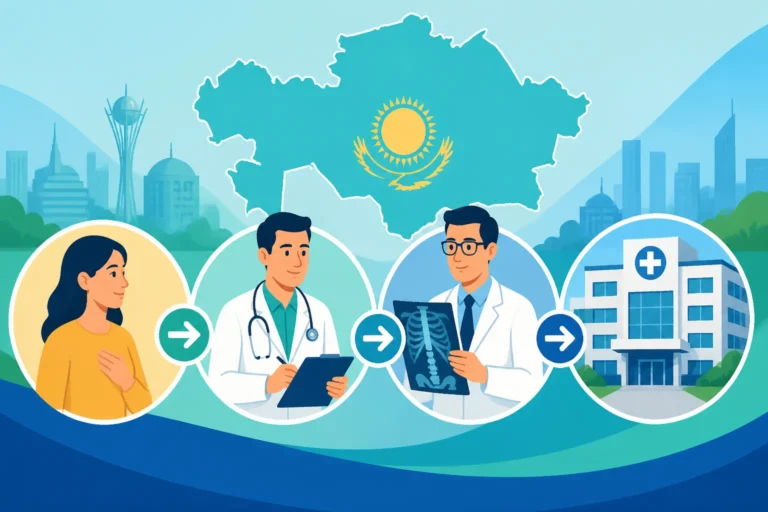
- GP Consultation: Your first step for any health concern that might require specialist attention is to schedule an appointment with your assigned GP at the polyclinic.
- Diagnosis and Assessment: During your consultation, your GP will assess your symptoms, conduct basic examinations, and may order some initial diagnostic tests (blood work, general ultrasound) within the polyclinic.
- Referral Issuance: If your GP determines that your condition warrants a specialist's expertise, they will issue a formal referral (napravleniye). This document is crucial; it's your golden ticket to seeing a specialist within the public system. It will typically state the specialty required and sometimes recommend a specific state hospital or clinic.
- Booking the Specialist Appointment: Armed with your referral, you'll then need to contact the relevant specialist clinic or hospital to book your appointment. This can be done through the polyclinic's registratura (they might help you book it, or give you the contact details), or sometimes directly with the hospital.
Challenges and Realities of Specialist Care:
- Wait Times: This is often the biggest pain point for expats. Depending on the specialty and the demand, wait times for non-emergency specialist appointments can range from a few days to several weeks, or even longer for highly specialized fields. For example, getting in to see a common specialist like an endocrinologist might be quicker than a very niche one.
- Language Barrier: Again, in public facilities, English-speaking specialists are rare. If your GP doesn't speak English, the referral process and subsequent specialist visit will require a translator.
- Limited Choice: While you might get a referral to a specific hospital, you generally don't get to choose which specialist you see within that hospital. It’s typically assigned.
- Diagnostic Equipment: While major state hospitals in cities like Almaty and Astana are generally well-equipped, some older polyclinics might have more basic diagnostic capabilities, meaning you might be referred to a larger facility for more advanced scans like MRIs or CTs, which further extends the process.
Advocating for Yourself:
It's important to be proactive. Don't be afraid to ask questions (even with a translator), bring a list of your symptoms and concerns, and follow up if you haven't heard back about an appointment. Sometimes, persistence is key. If you find the public system's wait times or language barriers too challenging, it’s often at this point that expats consider the private sector, as discussed in our article "Understanding the Difference Between Public and Private Hospitals in Kazakhstan".
The Private Sector: When You Need a Different Approach
Let's face it, for many of us, particularly those who've grown up with a certain level of comfort and convenience in healthcare, the public system, while functional and essential, can feel like a labyrinth. This is where the private sector in Kazakhstan steps in, offering a different, often more familiar, experience for expats.
Why Expats Often Turn to Private Clinics
The reasons are pretty straightforward, and they resonate deeply with the expat community. After a few frustrating encounters with language barriers or long waits in the public system, many choose to invest in private care.
- English-Speaking Staff: This is often the number one draw. In major private clinics in Almaty and Astana, you'll find a significant number of doctors, nurses, and administrative staff who speak English, or at least enough to facilitate communication. This immediately reduces stress, allows for clearer explanations of symptoms, and fosters a more comfortable doctor-patient interaction. Clinics like Mediker, International SOS Clinic, and several others in the larger cities are well-known for catering to the expat community precisely for this reason.
- Shorter Wait Times: Gone are the days of waiting weeks for a specialist. In the private sector, you can often get an appointment with a GP or even a specialist within a day or two, sometimes even on the same day for urgent matters. This efficiency is a huge relief when you're unwell.
- Modern Facilities and Equipment: Private clinics tend to be housed in newer, more aesthetically pleasing buildings, with comfortable waiting areas. They are often equipped with the latest diagnostic technology, offering a wider range of tests and services in-house, minimizing the need to go to multiple locations.
- Direct Access to Specialists: In many private clinics, you don't necessarily need a GP referral to see a specialist. You can often book an appointment directly with the cardiologist, gynecologist, or dermatologist of your choice, which speeds up the process considerably.
- Higher Level of Patient Comfort and Service: From the moment you walk in, the private sector generally offers a more patient-centric approach. The staff are often more attentive, and the overall experience feels less rushed and more personalized. They often have better communication systems, including online booking and reminders.
- Transparency in Billing: While you pay out of pocket, private clinics usually have clear price lists for their services, which can be a relief compared to the sometimes opaque processes in the public system.
For many expats, the slightly higher cost of private care is a worthwhile trade-off for the peace of mind, efficiency, and familiar standards of service they provide. It significantly eases the burden of dealing with medical issues in a foreign country.
Costs and Payments: What to Expect Out-of-Pocket
While the private sector offers a premium experience, it naturally comes with a price tag. It’s crucial to understand the costs involved and how payments typically work, especially if you're relying solely on out-of-pocket payments or planning to claim reimbursement from your private insurance.
Typical Costs (Estimates for 2026, subject to change):
- GP Consultation: A standard consultation with a general practitioner in a reputable private clinic in Almaty or Astana can range from 8,000 to 15,000 KZT (approximately $18-$35 USD).
- Specialist Consultation: Seeing a specialist will naturally be more expensive, typically starting from 12,000 KZT and going up to 25,000 KZT or more ($28-$58 USD) depending on the specialist's expertise and the clinic's reputation.
- Diagnostic Tests:
- Basic Blood Test Panel: 5,000 – 10,000 KZT ($12-$23 USD)
- Ultrasound (e.g., abdominal): 8,000 – 18,000 KZT ($18-$42 USD)
- X-Ray: 5,000 – 10,000 KZT ($12-$23 USD)
- MRI/CT Scan: These are significantly more expensive, ranging from 30,000 KZT to 70,000 KZT ($70-$160 USD) or higher depending on the area scanned and contrast media used.
- Minor Procedures: Small outpatient procedures, like stitches or minor wound care, can range from 10,000 KZT upwards, plus the cost of materials.
- Emergency Room Visit (Private): While true emergencies usually go to state hospitals, some private clinics have urgent care centers. An initial visit might cost similar to a specialist consultation, but any treatment, tests, or procedures will add significantly to the bill.
Payment Methods:
- Direct Payment: Most private clinics accept cash (KZT), major credit/debit cards (Visa, Mastercard), and increasingly, payments via local banking apps like Kaspi.kz. It's always a good idea to confirm payment methods before your appointment.
- Insurance Reimbursement: If you have private health insurance, you will often pay for the services upfront and then submit a claim to your insurer for reimbursement. Ensure you get detailed receipts and medical reports that clearly state the services rendered, diagnoses, and costs. This is where a good international plan like SafetyWing can be incredibly helpful, as they are used to processing claims from various countries.
- Direct Billing (Less Common): Some high-end international clinics might have direct billing agreements with certain international insurance providers, meaning the clinic bills your insurer directly, and you only pay any deductible or co-payment. However, this is not the norm, so always clarify this beforehand with both your clinic and your insurance provider.
Understanding the costs allows you to budget for your healthcare or ensures you have adequate private insurance coverage. Many expats find "The Cost of Healthcare in Kazakhstan: A Complete Breakdown for Foreigners (2026)" to be an insightful read on this topic.
Insurance Options Beyond OSMS: Bridging the Gaps
While OSMS provides a vital safety net, many expats find that it doesn't quite cover all their needs or preferences, particularly regarding choice, comfort, and direct access to English-speaking care. This is where supplemental health insurance comes into play, offering options to bridge those gaps.
Private Local Health Insurance: Is It Worth It?
Kazakhstan has a developing market for private local health insurance, offered by domestic insurance companies. These plans are designed to supplement OSMS or provide an alternative for those who don't qualify for OSMS (like some short-term visitors or certain categories of foreign workers).
What local private insurance generally offers:
- Access to Private Clinics: The main benefit is gaining easier, and often pre-paid, access to private clinics and hospitals within Kazakhstan. Many plans will cover consultations, diagnostics, and even some inpatient care at these facilities.
- Choice of Doctors and Hospitals: Unlike OSMS, private plans typically allow you to choose from a network of private providers, often including the most popular expat-friendly clinics.
- Reduced Out-of-Pocket Expenses: Instead of paying for every visit and test, your insurance covers a significant portion, or all, after any deductibles or co-payments.
- English-Speaking Support: Some local insurers that cater to expats might offer English-speaking helplines or administrative support.
Considerations and Potential Drawbacks:
- Coverage Scope: Local plans can vary widely. Some are quite comprehensive, while others might have significant exclusions, low annual limits, or high deductibles. Always read the fine print regarding outpatient vs. inpatient, specific treatments, and medication coverage.
- Geographical Limitation: These plans are typically valid only within Kazakhstan. If you travel frequently to neighboring countries or back home, you won't be covered outside the country's borders.
- Pre-Existing Conditions: Like most insurance globally, coverage for pre-existing conditions can be tricky. Some plans might exclude them entirely, apply waiting periods, or charge significantly higher premiums.
- Language of Policy: The policy documents themselves might be primarily in Russian or Kazakh, requiring careful translation to fully understand your benefits and obligations.
- Cost: While often more affordable than full-blown international plans, local private insurance can still be a significant annual expense, especially for comprehensive family coverage.
For some expats, particularly those on tighter budgets or whose primary concern is simply access to local private clinics, a local plan can be a good option. However, it's crucial to understand exactly what you're buying. Our article "Understanding Private Health Insurance Plans in Kazakhstan" explores this in greater detail.
International Health Insurance: Your Safety Net Abroad
For many long-term expats, especially those with families or who travel frequently, international health insurance is often the preferred choice. These plans are designed with global mobility in mind and offer a level of comprehensive coverage that local plans might not match.
Key Advantages of International Health Insurance:
- Global Coverage: This is the standout feature. Your policy covers you not just in Kazakhstan, but also when you're traveling for work or leisure, and often includes an option for emergency coverage back in your home country. This is a huge relief for people who are truly living an international lifestyle.
- Comprehensive Benefits: International plans typically offer very robust coverage across a wide range of services, including inpatient care, outpatient visits, diagnostics, specialist consultations, emergency evacuation, and often dental, optical, and mental health benefits (depending on the plan chosen).
- Direct Billing Networks: Reputable international insurers often have direct billing relationships with top private hospitals and clinics in major cities worldwide, including Kazakhstan. This means less out-of-pocket payment and less hassle with claims.
- English Customer Service: You can expect 24/7 English-speaking customer support, which is invaluable when dealing with medical emergencies or complex claims.
- Emergency Evacuation: A critical benefit for expats in regions with developing healthcare systems. If you suffer a serious medical condition that cannot be adequately treated in Kazakhstan, your international policy will often cover the cost of medically necessary evacuation to a higher standard facility in another country.
- Portability: If you move to another country, your policy can often move with you, ensuring continuous coverage without new waiting periods or exclusions.
Things to Consider:
- Cost: International health insurance is generally more expensive than local plans due to its extensive coverage and global reach. However, for many, the peace of mind and access to quality care wherever they are is worth the investment.
- Deductibles and Co-payments: Understand any deductibles (the amount you pay before your insurance starts covering) and co-payments (a percentage you pay for each service) as these can affect your out-of-pocket costs.
- Choosing the Right Plan: There are many international providers, and plans vary. It's important to compare what they cover, their limits, their network of providers, and their customer service reputation. For temporary trips or as an initial safety net, providers like SafetyWing offer flexible and affordable travel medical insurance options that can be particularly useful for digital nomads or those in transitional periods, providing coverage for emergencies and unexpected medical events. For longer-term, comprehensive coverage, you would explore their full expat health insurance options.
Many expats find that combining OSMS (for basic local care if required) with a robust international health insurance plan like those offered by SafetyWing gives them the best of both worlds: local access when needed, and comprehensive global protection for serious conditions or travel.
Emergencies and Prescriptions: The Essentials You Need to Know
Knowing what to do in a medical emergency and how to get your medications filled are two critical pieces of information for any expat. When you're in a stressful situation or simply trying to manage your health, clarity on these points can make all the difference.
What to Do in a Medical Emergency
Medical emergencies can happen anywhere, anytime. In Kazakhstan, knowing the right steps can significantly impact the outcome.
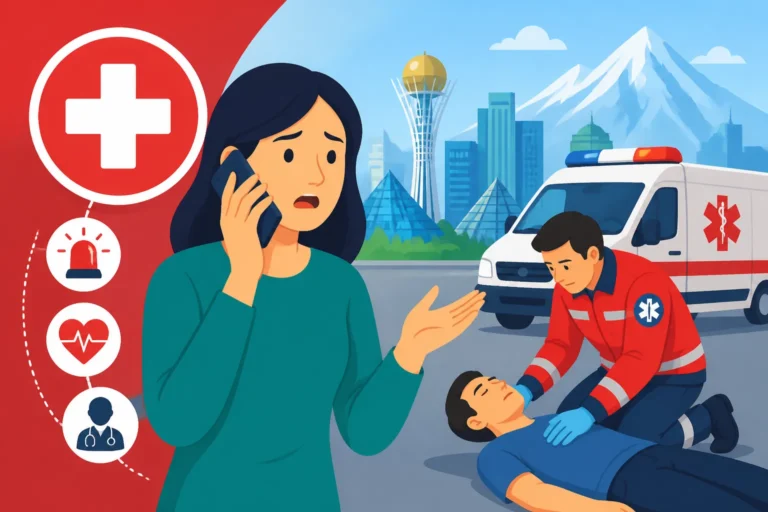
1. Dial 103 for Ambulance Services:
- This is the national emergency medical services number for an ambulance.
- What to expect: When you call, you'll reach a dispatcher. It's highly likely they will speak Russian or Kazakh, so if you don't, try to have a local friend, colleague, or even a helpful passerby make the call for you. Clearly state your location (full address, nearest cross street, and any landmarks), the nature of the emergency, and the patient's condition.
- Response Time: Ambulance response times can vary depending on your location (urban vs. rural) and the severity of the emergency. In major cities like Almaty and Astana, response is generally quick, but expect it to potentially take longer than in some Western countries.
- Ambulance Staff: Ambulance crews are generally well-trained to stabilize patients and provide initial critical care. They will transport the patient to the nearest appropriate state hospital emergency department.
2. Heading to the Emergency Room (ER):
- State Hospitals are Key: For true emergencies (e.g., severe injuries, heart attack symptoms, stroke, major accidents), state hospitals with emergency departments are the go-to. These are equipped to handle critical situations regardless of your OSMS status, though your IIN and passport will be requested for registration.
- What to bring: If conscious and able, always try to bring your passport, IIN, and any relevant insurance information.
- Language Barrier: The ER staff will likely primarily speak Russian or Kazakh. If you're alone and don't speak the language, prepare for communication challenges. Have a translation app ready or try to call a friend who can interpret.
- Waiting Times: For non-life-threatening emergencies, wait times in public hospital ERs can be long, similar to many public systems worldwide. Critical cases are always prioritized.
- Costs: Emergency care for life-threatening conditions is generally provided regardless of insurance. However, follow-up treatments, non-emergency care, or if you are without OSMS, you may incur costs. It's crucial to understand how emergency medical care in Kazakhstan works for foreigners.
3. Private Clinics for Urgent, Non-Life-Threatening Issues:
- For less severe but urgent issues (e.g., high fever, severe flu, minor cuts that need stitches but aren't critical), some larger private clinics in major cities have urgent care departments or can offer same-day appointments. This can be a good option if you want to avoid public ER wait times and access English-speaking staff, but be prepared to pay upfront or use your private insurance.
Always prioritize getting immediate medical attention in a true emergency. Worry about the paperwork and payments later.
Pharmacies and Medications: Getting Your Prescriptions Filled
Getting your medicines in Kazakhstan is generally straightforward, but there are a few things to keep in mind, especially regarding prescriptions and availability.
1. Pharmacy Accessibility:
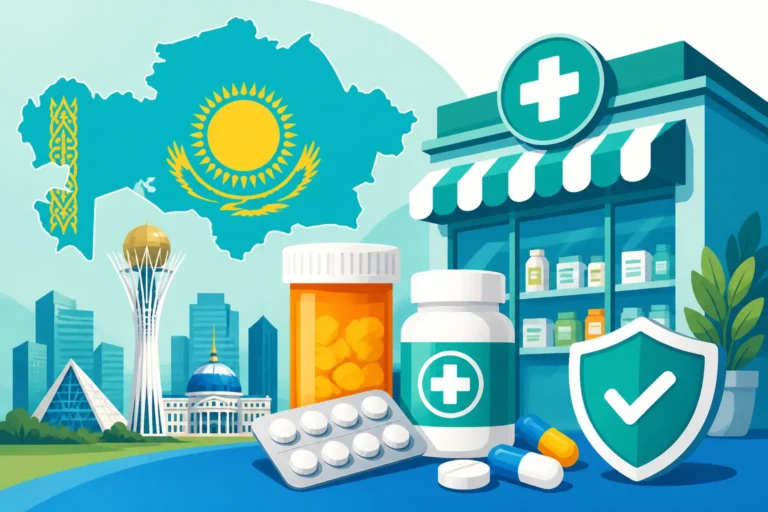
- Ubiquitous: Pharmacies (apteka) are everywhere in Kazakhstan, especially in cities. You'll find them on almost every street corner, often marked by a green cross. Many operate 24/7, particularly in larger residential areas.
- Well-Stocked: Generally, pharmacies are well-stocked with a wide range of medications, both local and international brands.
2. Prescription Requirements:
- Varies by Medication: This is where it gets a bit nuanced. For many common medications (e.g., antibiotics, painkillers, cold/flu remedies, some stomach medications), you can often purchase them over the counter without a prescription.
- Strictly Controlled Meds: For stronger painkillers, certain antidepressants, anxiolytics, and other controlled substances, a valid prescription from a Kazakhstani doctor is strictly required. You cannot use a foreign prescription for these. If you're on such medication, your first priority upon arrival should be to see a local doctor to get a Kazakhstani prescription.
- Bringing Medications from Home: If you rely on specific medications, especially controlled ones, bring a supply with you, along with your doctor's prescription from your home country, especially for the first few weeks. Check Kazakhstan's customs regulations for bringing medicines, as some might have limits or require specific documentation.
3. Generic vs. Brand Names:
- Availability: Both generic and brand-name medications are widely available. Generics are, as expected, usually more affordable.
- Doctor's Preference: Doctors here might prescribe by brand name, but you can always ask the pharmacist if a cheaper generic equivalent is available.
4. Language at the Pharmacy:
- Pharmacists Speak Russian/Kazakh: Most pharmacists will speak Russian or Kazakh. If you don't, show them your prescription (if you have one) or use a translation app to clearly state the medication you need. Knowing the active ingredient name can be more helpful than just a brand name if there's a language barrier.
5. Costs:
- Generally Affordable: Medications, especially generics, are quite affordable compared to many Western countries.
- OSMS Coverage: As mentioned earlier, OSMS covers a list of essential and chronic disease medications, usually provided through your polyclinic. For most other medications, you'll pay out-of-pocket.
It’s always a good idea to keep a small personal first-aid kit with basic over-the-counter remedies for common ailments when you first arrive. For more in-depth information, you can refer to our dedicated guide on "Prescription Medications and Pharmacies in Kazakhstan: The Complete Guide".
Common Expat Concerns and Practical Tips
Beyond the formal structures of healthcare, expats often face specific challenges and have unique questions. Drawing on years of experience, here are some common concerns and practical tips to help you navigate your health journey more smoothly.
Finding English-Speaking Doctors and Support
This is arguably one of the biggest anxieties for any expat when thinking about healthcare. Being able to communicate effectively with your doctor is paramount.
1. Private Clinics are Your Best Bet:
- As highlighted earlier, the private healthcare sector in major cities is where you'll most reliably find English-speaking medical professionals.
- In Almaty: Clinics like International SOS Clinic Almaty are specifically geared towards the expat community and have a strong reputation for English-speaking staff. Another popular choice is Mediker which has multiple branches and usually has English-speaking doctors. Smaller private clinics might also have one or two doctors who speak English, so it's worth calling ahead to inquire.
- In Astana: Similar to Almaty, clinics such as Interteach and branches of Mediker often have English-speaking specialists. The new university hospitals like Nazarbayev University Medical Center also have international departments that can cater to foreign patients.
2. Word of Mouth and Expat Forums:
- Leverage the expat community! Online forums, Facebook groups for expats in Kazakhstan, and social gatherings are invaluable resources. Ask for recommendations for English-speaking GPs, pediatricians, dentists, or specialists. Other expats have been through it and are usually happy to share their experiences and direct you to trusted professionals.
3. International Departments in Public Hospitals:
- Some of the larger, more modern public hospitals, particularly in Astana and Almaty, have started to establish "international departments" or specific contact points for foreign patients. While not as widespread as private clinics, these can sometimes offer English-speaking assistance or designated coordinators for expat patients.
4. Translation Services:
- If you must use a public clinic or see a specialist who doesn't speak English, consider hiring a professional medical translator. While an additional cost, it ensures clear communication and prevents potentially dangerous misunderstandings. Sometimes, your employer might provide this as a benefit.
- For less complex issues, a trusted Kazakhstani friend can act as an interpreter, but for serious diagnoses or treatment plans, a professional is recommended. Our article "How to Find an English-Speaking Doctor in Kazakhstan" offers a more comprehensive list of resources.
Dental, Mental Health, and Maternity Care Specifics
These specialized areas often come with their own unique considerations for expats in Kazakhstan.
Dental Care:
- Predominantly Private: Dental care in Kazakhstan is largely provided by private clinics. While some basic services might be available in polyclinics, for quality, modern dentistry, you'll head to a private dental practice.
- High Quality and Affordable: The good news is that dental care in Kazakhstan, especially in cities, is often of a very high standard and significantly more affordable than in many Western countries. This makes it a popular destination for "dental tourism" for some.
- English-Speaking Dentists: You can find English-speaking dentists in major cities, particularly in clinics catering to expats. Again, asking for recommendations from other expats is a great way to find a good one.
- Insurance Coverage: OSMS does not cover routine dental care beyond emergency extractions. If you want dental coverage, you'll need a private health insurance plan (local or international) that specifically includes dental benefits.
Mental Health Services:
- Increasing Awareness: Awareness and acceptance of mental health issues are growing in Kazakhstan, but the services are still developing, especially in comparison to Western countries.
- Private Psychologists/Therapists: Finding English-speaking psychologists or therapists is challenging but not impossible. Your best bet is again the expat community for recommendations, or looking for private practitioners in Almaty and Astana who cater to international clients. Online therapy with providers from your home country is also an option many expats utilize.
- Confidentiality: Private mental health services generally uphold patient confidentiality.
- Insurance Coverage: Standard OSMS might offer very basic psychological support within the public system, but for comprehensive therapy or counseling in English, you'll need private insurance that includes mental health benefits or be prepared to pay out-of-pocket. For a deeper discussion, refer to "How to Access Mental Health Services in Kazakhstan as an Expat."
Maternity Care:
- Public and Private Options: Kazakhstan offers both public and private maternity care.
- OSMS and Public Care: If you're covered by OSMS, you're entitled to prenatal care at your polyclinic and childbirth in a state maternity hospital. The quality varies, but major city maternity hospitals are well-equipped.
- Private Maternity Hospitals: For a more personalized experience, private maternity hospitals and clinics are available in Almaty and Astana. These offer modern facilities, private rooms, and often English-speaking staff. They come at a higher cost but are a popular choice for expats seeking more comfort and a familiar birthing experience.
- Registration: It’s important to register early for prenatal care, regardless of whether you choose public or private.
- Adding Dependents: Once your baby is born, remember to register them for their own IIN and add them to your OSMS or private health insurance plan.
Your Health Journey in Kazakhstan: Staying Proactive
Living abroad means taking extra responsibility for your health. While Kazakhstan has a functional healthcare system, being proactive and organized will significantly improve your experience and reduce stress.
Maintaining Your Health and Wellness
An ounce of prevention is worth a pound of cure, right? This rings especially true when you're an expat. Staying healthy means you'll have fewer reasons to navigate the medical system in the first place.
- Routine Check-ups: Don't skip your annual health checks. Even if you feel fine, a regular check-up with a GP (either through OSMS or privately) can catch potential issues early. This is also a good opportunity to establish a relationship with a local doctor before you actually need urgent care. Many private clinics offer comprehensive health check packages.
- Stay Active: Kazakhstan's natural beauty, especially in areas like Almaty with its stunning mountains and parks, offers ample opportunities for outdoor activities. Join a gym, explore hiking trails, or simply take regular walks. Staying physically active boosts your immune system and overall well-being.
- Mind Your Diet: Fresh fruits and vegetables are abundant and affordable in local markets (bazars). Embrace the local cuisine, but also ensure a balanced diet. Be mindful of food hygiene, especially when eating street food or in less established eateries.
- Vaccinations: Ensure your routine vaccinations are up-to-date. Depending on your origin and travel plans, discuss any recommended travel-specific vaccinations with a doctor before or upon arrival.
- Stress Management: Expat life, while exciting, can be stressful. Culture shock, language barriers, and administrative hurdles can take a toll. Find healthy coping mechanisms, connect with other expats, and don't hesitate to seek support if you're struggling with your mental health.
Being proactive about your health allows you to enjoy your time in Kazakhstan fully, rather than spending it worrying about potential medical woes.
Documentation is Key: Keep Everything!
If there's one golden rule for expats in Kazakhstan when it comes to official matters, it's this: document everything. This applies tenfold to healthcare. You'll thank yourself later when you're not frantically searching for a long-lost receipt or a crucial medical report.
- Keep Physical Copies: Despite digitalization, many institutions still prefer or require physical copies. Make photocopies of your passport, IIN, residence permit, OSMS registration documents, insurance cards, and any medical reports or prescriptions. Keep them in a well-organized folder.
- Digitalize Everything: Take photos or scan all your important documents and store them securely in cloud storage (e.g., Google Drive, Dropbox) or on an encrypted USB stick. This provides a backup in case physical documents are lost or damaged.
- Medical Records: Keep a personal record of your medical history, including past diagnoses, allergies, current medications, and any chronic conditions. If you've had tests or consultations, ask for copies of the results and reports. This is particularly important if you're switching between public and private providers, or if you ever seek medical care outside Kazakhstan.
- Payment Receipts: Always, always keep receipts for any medical payments you make, whether it's for a private consultation, diagnostic test, or medication purchase. These are essential for tax purposes, insurance claims (especially if you're dealing with reimbursement from an international provider like SafetyWing), or simply proving you paid for a service.
- Translation of Key Documents: For essential medical documents (e.g., a diagnosis for a chronic condition, allergy list), consider getting them professionally translated into Russian. This can be invaluable in an emergency situation where English might not be spoken.
Having all your ducks in a row when it comes to documentation will save you immense headaches and stress down the line. It empowers you to navigate the system more confidently and ensures continuity of care, no matter where your expat journey takes you within Kazakhstan or beyond.
Comparing Healthcare Options in Kazakhstan
To help you visualize the differences, here's a quick comparison of the main healthcare avenues available to expats in Kazakhstan:
| Feature | Compulsory Social Health Insurance (OSMS) | Private Local Insurance (Supplemental) | International Private Insurance | Pay-as-You-Go (Private Clinics) |
|---|---|---|---|---|
| Mandatory for Residents? | Yes, for most legal residents | No | No | No |
| Primary Access | State Polyclinics & Hospitals | Private Clinics & Hospitals in KZ | Global network of private facilities | Private Clinics & Hospitals in KZ |
| English-Speaking Staff | Rare, mostly in major city hospitals' intl. depts. | Varies, some support in major cities | Yes, for customer service | Common in major cities |
| Wait Times | Can be long for specialists | Generally short | Generally short | Generally short |
| Choice of Doctor/Clinic | Limited, assigned polyclinic | Network of providers | Global choice | Choose your clinic/doctor |
| Coverage Scope | Basic comprehensive, essential meds | Varies, usually limited to KZ | Highly comprehensive, global | No coverage, direct payment |
| Emergency Evacuation | No | No | Yes | No |
| Cost | Monthly contributions (employer/self) | Moderate monthly/annual premium | Higher monthly/annual premium | Variable, per service charge |
| Claim Process | Direct access (once registered) | Reimbursement or direct billing | Reimbursement or direct billing | Direct payment at point of service |
Disclaimer
The information provided in this guide is for general informational purposes only and does not constitute medical or legal advice. While we strive to ensure accuracy and up-to-date information for 2026, healthcare regulations, policies, and costs in Kazakhstan can change. Always consult with qualified medical professionals or legal experts for advice tailored to your specific situation. We recommend verifying current regulations with official Kazakhstani government sources or your local embassy/consulate.