How Specialist and Hospital Referrals Work in Kazakhstan
Navigating the healthcare system in a new country can feel like trying to solve a Rubik's Cube blindfolded, and in Kazakhstan, getting a referral to a specialist or a hospital often adds another layer of complexity. Many of us expats have found ourselves utterly baffled by the process, wondering why we can't just book an appointment directly with the expert we need. This guide is here to shed light on how specialist and hospital referrals truly work in Kazakhstan, helping you understand the system so you can get the care you need without pulling out your hair.
The Gatekeeper: Understanding Your Poliklinika and General Practitioner
When you first arrive in Kazakhstan, one of the most important things you’ll do, health-wise, is register with a local poliklinika (poly-clinic) and get assigned a uchastkovy vrach – essentially, your general practitioner (GP) or family doctor. This isn't just a formality; your poliklinika and GP are the absolute foundation of the public healthcare system here, acting as the primary gatekeepers for almost all further medical care. It's a system that can feel a bit old-school if you're used to direct access, but understanding its role is key to unlocking the services you need.
The Role of the GP in the Referral Process
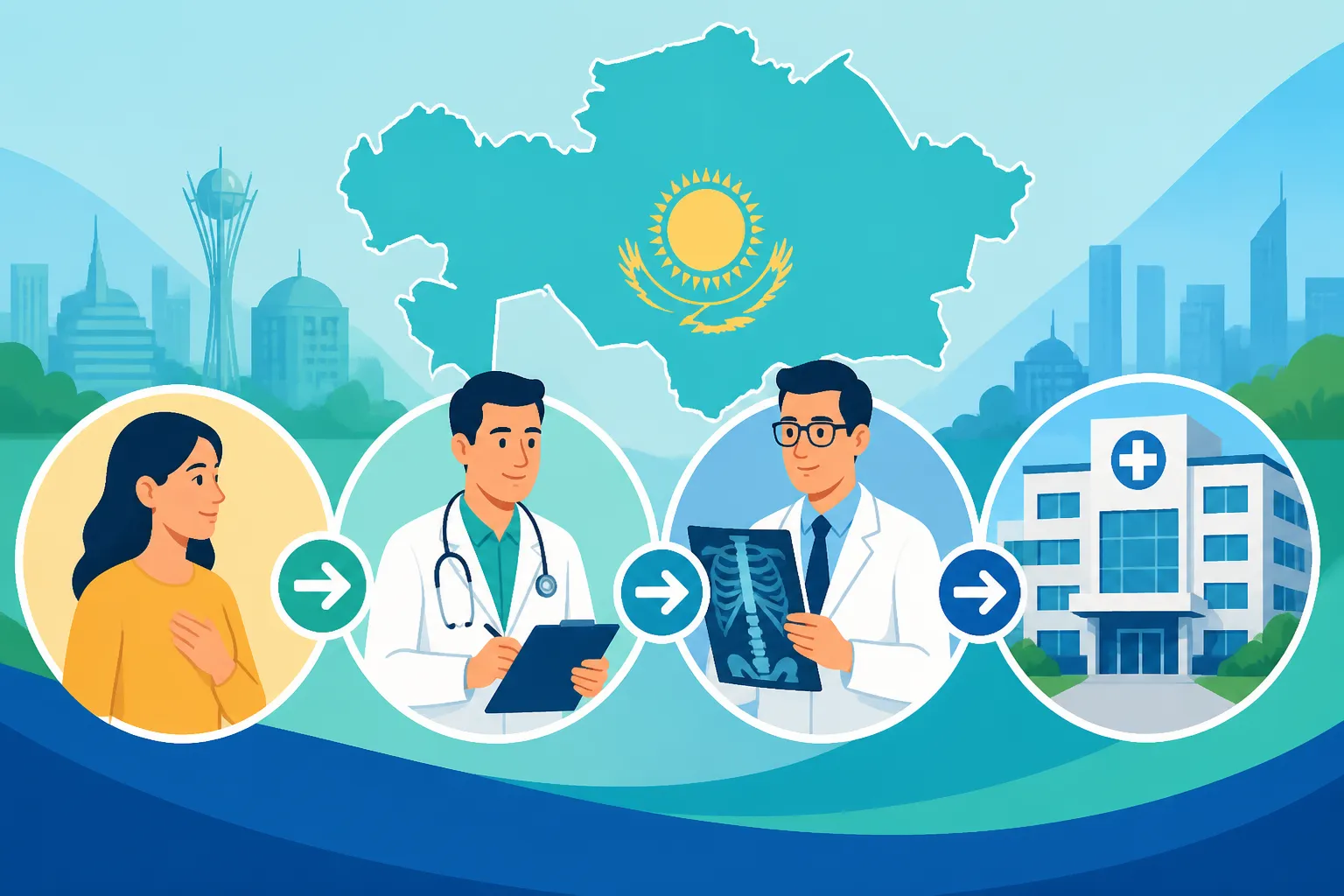
Your assigned GP at the poliklinika is your very first port of call for any non-emergency health issue. Think of them as the captain of your healthcare journey. When you feel unwell, have a persistent symptom, or need a routine check-up, you go to your uchastkovy vrach first. They're responsible for the initial assessment, basic diagnostics like blood pressure or temperature checks, and general advice. They'll also order common lab tests or basic imaging if they deem it necessary.
This initial consultation is crucial because it's your GP who decides if your condition warrants a referral to a specialist. They evaluate your symptoms, medical history, and initial test results to determine which specific expert you need to see – be it a cardiologist, an endocrinologist, or a neurologist. This step ensures that specialists aren't overwhelmed with minor ailments that can be managed at the primary care level, supposedly making the system more efficient. However, for an expat who knows exactly which specialist they need from previous experience, this can feel like an unnecessary hurdle. It's their role to manage patient flow, and bypassing them isn't usually an option within the public system. For a deeper dive into the system, read about Navigating the Kazakhstani Healthcare System: An Expat's Roadmap (2027).
Why the Poliklinika System is Both Challenging and Essential
Let's be real, the poliklinika system can be a source of significant frustration for expats. The facilities in some poliklinikas might seem dated compared to what you're used to back home. Language barriers are a huge hurdle, as not all staff will speak English, and even simple requests can get lost in translation. The administrative processes can feel slow and bureaucratic, with lots of paperwork and waiting. It’s not uncommon to spend a good part of your morning just trying to get through the initial consultation and get your referral processed. Many of us have been there, waiting in a crowded hallway, wondering if we’re in the right place, or even the right century!
Despite these challenges, the poliklinika system is absolutely essential, particularly if you are covered by the Compulsory Social Health Insurance (OSMS). It acts as the backbone of public health, providing accessible primary care to the masses and strategically allocating resources. It ensures that healthcare costs are managed and that specialists, who are fewer in number, are reserved for those who genuinely require their expertise. Without the poliklinika acting as a filter, the specialist clinics and hospitals would be utterly swamped, leading to even longer wait times and a breakdown of the entire system. While it might test your patience, understanding its foundational role helps you appreciate the logic, even if the execution sometimes leaves a lot to be desired. You can learn more about How Kazakhstan's Health System Works: OSMS and Private Care Explained (2027).
Navigating the Referral to a Specialist
So, you’ve had your initial consultation with your GP, and they've agreed you need to see a specialist. What happens next? This is where the actual referral process begins, and it can vary slightly depending on whether you're using the public OSMS system or opting for private care. Even within the public system, some poliklinikas are more digitized than others, adding to the variation.
The Process of Getting a Specialist Referral
Once your GP determines a specialist consultation is necessary, they will issue an electronic referral. In more modern poliklinikas and cities like Almaty and Astana, this referral is usually entered into an electronic health system (often called DAMU Med or integrated with the eGov platform). This electronic referral is then sent to the specialist clinic or department where you're meant to be seen. You'll typically receive a printed copy of this referral, which you absolutely must keep safe. This document will contain key information such as the specialist's department, the reason for the referral, and sometimes even a proposed appointment date or window.
You'll then be instructed on how to book the actual appointment. Sometimes, the poliklinika staff will help you schedule it, or you might need to call the specialist clinic yourself. This is another point where language skills become critical. Make sure you have your Individual Identification Number (IIN) ready, along with your passport and the physical referral document. It's a process that demands diligence, patience, and often a good bit of back-and-forth. For insights into finding medical professionals, check out How to Find and Register with a Doctor in Kazakhstan.
Common Challenges and How to Overcome Them
Honestly, getting that specialist referral and then the appointment itself can be a test of endurance. One of the biggest challenges is wait times. Depending on the specialist and the urgency of your condition, you might be looking at a few days, a week, or even longer before you can get an appointment within the public system. For a highly sought-after specialist, this can be even more extended. This is where private options can shine, offering faster access but at a cost.
- Language Barriers: As mentioned, this is a recurring theme. Always try to bring a Kazakh or Russian-speaking friend with you, or at least have a translation app ready. Some larger poliklinikas in expat-heavy areas might have English-speaking staff, but don't count on it.
- Availability: Specialists might have limited availability, or the specific one your GP recommends might be on leave. Be prepared to be flexible with dates and times.
- Bureaucracy and Paperwork: Keep copies of everything! Your referral, previous test results, passport, and IIN. Having all your documents organized can significantly smooth the process.
- "Informal Payments" (Avoid if Possible): While not officially sanctioned, you might hear whispers about informal payments to expedite services. As an expat, it's always best to stick to official channels to avoid complications. If you feel pressure, politely decline and insist on the standard procedure. If you have private insurance like SafetyWing, you can often bypass these issues altogether by using private clinics.
- Private Clinic Advantage: If time is of the essence, or you prefer a more streamlined experience, private clinics are often a good alternative. You can typically book directly with specialists without a GP referral, although having one still provides valuable medical history. The downside, of course, is the cost, which might not be covered by OSMS. Understanding these dynamics is crucial for expats deciding between Public vs Private Healthcare in Kazakhstan: What Expats Need to Know.
Understanding Hospital Referrals and Admissions
The distinction between seeing a specialist in an outpatient setting and being admitted to a hospital for inpatient care is important. While both often stem from a GP referral, the process and criteria differ significantly. Hospital admissions are reserved for more serious conditions, surgeries, or complex diagnostic procedures that require continuous medical supervision.
When a Hospital Referral is Necessary
A hospital referral from your GP (or a specialist they've referred you to) becomes necessary when your medical condition goes beyond the scope of outpatient treatment. This could be for a planned surgical procedure, a severe illness requiring round-the-clock monitoring, complex diagnostic tests that need specialized hospital equipment, or post-operative recovery. For example, if you have a complicated fracture that requires surgery, or a chronic condition that suddenly flares up and needs intensive treatment, your doctor will initiate the hospital referral.
It's not just about getting a diagnosis; it's about the level of care and resources required. If your GP suspects something serious that demands the facilities of a hospital – perhaps advanced imaging like an MRI or CT scan that isn't available at the poliklinika, or a surgical intervention – they will issue a referral for hospitalisation. This is a much more involved process than a simple specialist consultation.
The Admission Process and What to Expect
Once a hospital referral is issued, the admission process typically begins. For planned admissions (e.g., scheduled surgery), you might need to undergo a series of pre-admission tests at the hospital or your poliklinika to ensure you are fit for the procedure. This often includes blood tests, ECG, and sometimes consultations with an anaesthesiologist. You'll be given a specific date and time for admission.
On the day of admission, you'll need to bring your referral, passport, IIN, and any relevant medical records. The administrative staff will process your paperwork, and you’ll be assigned a ward and a bed. For emergency admissions, the process is much faster, focusing on immediate stabilisation. While the referral system still technically underpins it, in a life-threatening situation, you'll be admitted first, and the paperwork will follow. Regardless of the type of admission, prepare for waiting times at the admissions desk, even with a referral. It's just part of the system here. Keep copies of all your documents, especially if you plan to claim reimbursement from private health insurance. For emergency information, see Emergency Medical Care in Kazakhstan: What Every Expat Needs to Know.
Public vs. Private Healthcare: Referral Pathways
The path to a specialist or hospital in Kazakhstan can look quite different depending on whether you're relying on the public OSMS system or opting for private healthcare, often supported by private or international health insurance. Each pathway has its own set of rules, benefits, and challenges.
Referrals within the OSMS Public System
If you're an expat employed in Kazakhstan, chances are you're contributing to and covered by the Compulsory Social Health Insurance (OSMS). Under OSMS, referrals are strictly controlled by your poliklinika GP. This means you cannot just walk into a specialist's office or a public hospital and expect to be seen, unless it's an emergency. Your GP is the mandatory first step. They issue the electronic referral, which then allows you to access specialist consultations, diagnostic tests, and hospital admissions that are covered by your OSMS contributions.
The benefits of the OSMS system are clear: it provides broad coverage for necessary medical care at a relatively low personal cost (through mandatory contributions). However, the downsides often include longer wait times for appointments, the potential for language barriers, and less choice over which specific specialist or hospital you get to see. The system aims for equitable access, but this can mean you're assigned to the next available doctor rather than one with specific experience or who speaks your language. Understanding How to Register for Compulsory Social Health Insurance (OSMS) in Kazakhstan is crucial for expats.
Accessing Specialists and Hospitals Privately
For many expats, private healthcare offers a more comfortable, efficient, and direct route to medical care. The referral rules in the private sector are far more flexible. While it’s always good practice to have a referral from a GP (even a private one) as it provides crucial medical history, you can often directly book an appointment with a specialist in a private clinic. This means you bypass the poliklinika gatekeeper entirely, saving time and bureaucracy. Private clinics typically boast modern facilities, shorter wait times, and a higher likelihood of finding English-speaking staff and doctors.
However, convenience comes at a price. Without OSMS coverage, all costs for private consultations, tests, and hospital stays must be paid out-of-pocket or covered by private health insurance. This is where a good international health insurance plan, like those offered by SafetyWing, becomes invaluable. Policies from SafetyWing can cover the costs of these direct specialist visits and private hospital admissions, giving you peace of mind and access to high-quality care without the public system's referral hoops. This flexibility and enhanced service are often worth the investment for expats who want more control over their healthcare. You can also explore Understanding Private Health Insurance Plans in Kazakhstan.
Here's a quick comparison of the two systems:
| Feature | Public (OSMS) Healthcare | Private Healthcare |
|---|---|---|
| Referral Needed | Mandatory GP referral from assigned poliklinika for specialists and hospital admission. | Often optional, but recommended. Can usually book directly with a specialist. |
| Cost | Covered by mandatory OSMS contributions (low out-of-pocket costs at point of service). | Paid out-of-pocket or covered by private health insurance (e.g., SafetyWing). |
| Wait Times | Can be longer for popular specialists or non-urgent procedures. | Generally shorter, often same-day or next-day appointments. |
| Doctor Choice | Limited, assigned by poliklinika or next available specialist. | Greater choice of specialists and clinics. |
| Facilities | Varies, some poliklinikas and hospitals can be older. | Generally modern, well-equipped clinics and hospitals. |
| Language | Primarily Kazakh/Russian; English-speaking staff are rare. | Higher likelihood of English-speaking staff and doctors. |
| Flexibility | Less flexible, strict adherence to referral pathways. | More flexible, direct access, patient-driven scheduling. |
Essential Tips for Expats Navigating Referrals
a few tips can make navigating the referral system in Kazakhstan a little less daunting. It's all about being prepared, persistent, and proactive. The system here requires you to be your own advocate, especially when language and cultural differences come into play.
Documentation and Communication is Key
I cannot stress this enough: keep meticulous records. Every single piece of paper, every test result, every referral form, every doctor’s note – keep it organized. Create a dedicated folder for your medical documents. If you have any medical history from your home country, get it translated into Russian or Kazakh and keep those translations handy too. When you visit your GP or specialist, bring everything. This helps them get a complete picture of your health, reduces the need for redundant tests, and provides undeniable proof of your medical journey.
Effective communication is equally vital. If your Russian or Kazakh isn't up to par (and let's face it, for many of us, it isn't), always try to bring a trusted friend or colleague who can translate. Failing that, use a reliable translation app on your phone. Don't be shy about asking questions, even if you have to repeat yourself or ask the doctor to explain things in simpler terms. A misunderstanding at this stage can lead to incorrect referrals or delayed treatment. Clear communication, even through a translator, is essential for ensuring you get the right care and that your concerns are properly understood.
Knowing Your Rights and Options
Understanding your entitlements, whether through OSMS or private insurance, empowers you. If you're enrolled in OSMS, familiarise yourself with what is covered and what isn't. Know the official process for complaints or seeking second opinions if you feel your referral isn't appropriate or if there's an undue delay. You have the right to quality healthcare, and sometimes you need to assert that right. For those covered by OSMS, it's worth Understanding the Role of OSMS and Your Local Clinic in Kazakhstan.
For those with private health insurance, thoroughly review your policy details. What specialists are covered? Which hospitals are in your network? What is the procedure for direct billing versus reimbursement? Companies like SafetyWing are excellent because they understand the expat lifestyle and often offer flexible plans that simplify direct access to private care, providing a crucial layer of security. Knowing your insurance terms means you can confidently access the best available private services without worrying about unexpected costs. Don't hesitate to call your insurance provider's customer service if you're unsure about any aspect of your coverage. Seeking a second medical opinion, either through the public system or by leveraging your private insurance, is also a valid option if you feel uncertain about a diagnosis or treatment plan.
What Happens in an Emergency (No Referral Needed)
It's a huge relief to know that in a genuine medical emergency, the entire referral system as described above is bypassed. When every second counts, you won't be sent to your poliklinika GP first. Kazakhstan's emergency services are designed to provide immediate care to those in critical need, regardless of their referral status.
Direct Access to Emergency Services
In Kazakhstan, if you or someone around you experiences a serious medical emergency – think heart attack, severe accident, stroke, or any life-threatening situation – you can directly call for an ambulance. The emergency numbers are 103 (for medical emergencies) or 112 (a general emergency number that can connect you to medical, fire, or police services). These numbers are staffed 24/7, and ambulances are dispatched immediately.
Upon arrival at the emergency room (traumatology department or skoraya pomoshch), medical professionals will assess the patient's condition and provide urgent care. Your passport and IIN will still be required for registration purposes, but the priority is always saving lives and stabilising the patient. Don't worry about referrals or insurance cards in that critical moment; focus on getting to the nearest appropriate hospital. In major cities like Almaty and Astana, the emergency services are generally quite responsive. For crucial insights, read Understanding Emergency Numbers (103 and 112) and Ambulance Care in Kazakhstan.
Post-Emergency Follow-up
While emergencies bypass the referral system for immediate treatment, the long-term follow-up care will often loop back into the standard system. Once a patient is stabilised and discharged from the emergency ward or hospital, they will typically be advised to follow up with their assigned GP at the poliklinika or a specialist for ongoing care. This is where your GP will review your hospital discharge summary, manage any necessary medications, and issue referrals for rehabilitation, further diagnostic tests, or specialist consultations as needed.
This return to the referral system ensures continuity of care and proper management of your health post-emergency. It's important to promptly schedule these follow-up appointments and bring all your hospital documents with you to your poliklinika. This step prevents any gaps in your medical record and ensures that your recovery or ongoing condition is properly monitored within the broader healthcare framework.
Disclaimer
The information provided in this guide is intended for general informational purposes only and does not constitute medical, legal, or professional advice. Healthcare regulations and procedures in Kazakhstan can change. While we strive to keep our information up-to-date, we recommend consulting with healthcare professionals, relevant government authorities, or legal experts for the most current and specific advice tailored to your individual situation.