How Do I Get a Vehicle Inspection in Kazakhstan?
Trying to make sense of vehicle rules in a new country can feel like navigating a maze blindfolded, especially when it comes to something as critical as getting your car inspected. It’s not just about compliance; it’s about safety and avoiding those dreaded fines. This guide will walk you through the nitty-gritty of vehicle inspections in Kazakhstan, from understanding the 'why' to successfully passing your tekhosmot and keeping your wheels legally rolling.
Understanding Vehicle Inspections in Kazakhstan: The Basics for Expats
When you first arrive in Kazakhstan and start getting settled, there’s a whole new world of administration to learn. If you've brought your own car or are planning to buy one here, understanding the local vehicle inspection system, known as tekhosmot (технический осмотр), is absolutely crucial. It’s not just a suggestion; it’s a non-negotiable legal requirement to ensure that every vehicle on the road is safe and roadworthy. Trust me, the last thing you want is a run-in with the traffic police over something avoidable.
Why Inspections Matter and Who Needs One
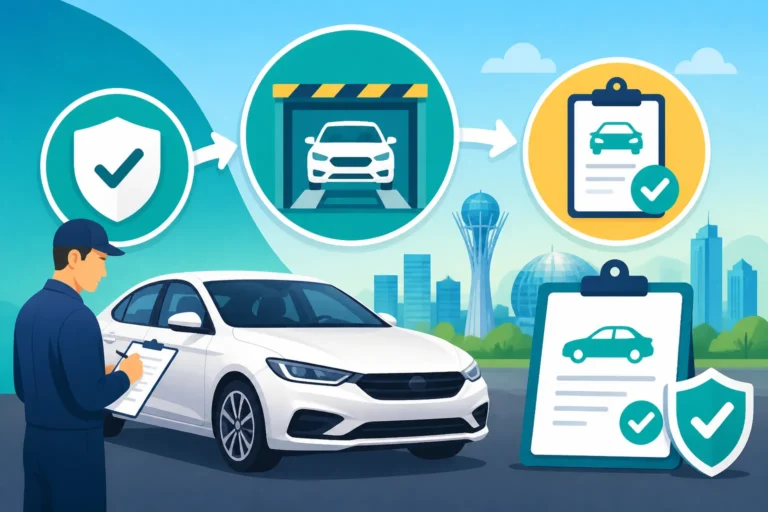
Kazakhstan's vehicle inspection system is designed to maintain road safety and environmental standards. It's a standard practice in many countries, but the local nuances can throw expats for a loop. Essentially, the inspection checks your vehicle's mechanical and environmental health. For most passenger cars that are seven years old or newer, a technical inspection is required every two years. However, for vehicles older than seven years, or for certain types of commercial transport, taxis, and public transport, it becomes an annual affair. This is a critical detail many expats miss, assuming a one-time check is enough. It's not!
There are some exemptions, primarily for brand new cars, which usually get a grace period before their first inspection. But for the vast majority of us driving around Almaty, Astana, or Shymkent, this inspection is part of the annual (or biennial) rhythm of vehicle ownership. Trying to skip it or drive with an expired certificate isn't just risky, it can lead to fines and potentially even having your vehicle impounded. Think of it as your car's regular health check-up; it might be a hassle, but it's for everyone's good. If you're still in the process of getting your car legally on the road, you might find our guide on How Do I Register a Car in Kazakhstan? particularly helpful.
What Exactly Do They Check During a Technical Inspection?
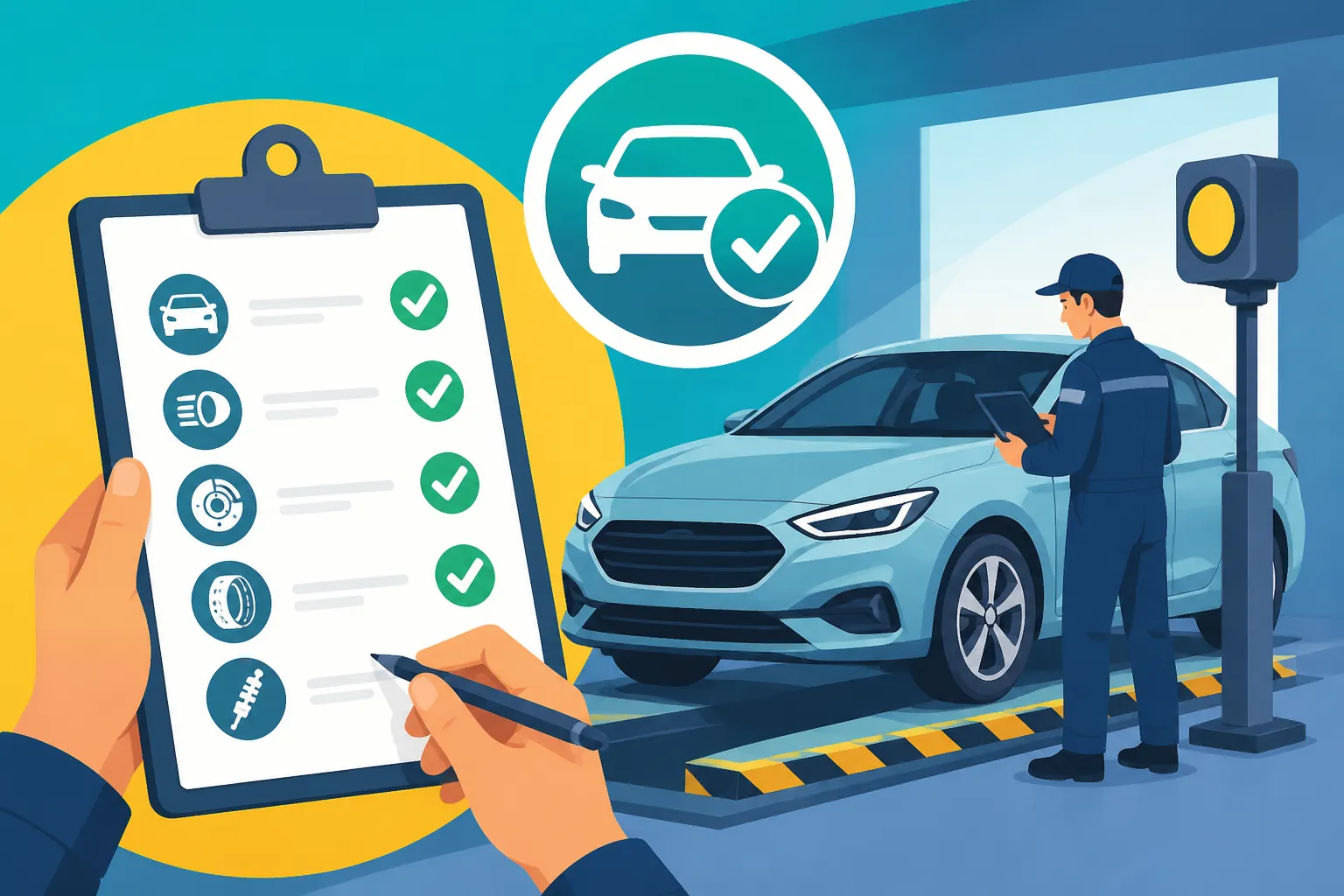
So, what exactly are they scrutinizing during this tekhosmot? It’s pretty comprehensive, covering all the essential safety and environmental components of your vehicle. It’s not just a quick glance; they go through a checklist to ensure your car isn't a hazard to yourself or others.
Here’s a breakdown of the key areas:
- Braking System: This is paramount. They'll test your service brakes, parking brake, and brake lines for efficiency and leaks. Uneven braking or a weak handbrake is an instant fail.
- Steering System: The play in your steering wheel, the condition of the power steering, and all connecting components are checked for proper function and wear. Loose steering can be incredibly dangerous.
- Lighting and Signalling: All your lights – headlights (including alignment), tail lights, brake lights, indicators, fog lights – must be working correctly. Reflectors and the horn are also checked. Believe me, driving with a burnt-out headlight is a surefire way to get pulled over here.
- Tires and Wheels: Tread depth, tire pressure, and any damage to the tires or rims are inspected. Mismatched tires or severely worn treads are definite red flags.
- Visibility: Your windscreen wipers and washers must be fully functional. Any significant cracks or damage to the windscreen that obstructs the driver's view will need to be repaired.
- Engine and Emissions: They'll check for excessive exhaust smoke and measure emission levels to ensure they meet environmental standards. Leaks from the engine or other systems can also cause issues.
- Suspension and Chassis: The overall structural integrity of your vehicle, including shock absorbers, springs, and linkages, is assessed. Rust or damage to the chassis can be a serious safety concern.
- Safety Equipment: This is often overlooked by expats. You MUST have a valid first-aid kit, a working fire extinguisher, and a warning triangle in your vehicle. These are mandatory items, and their absence will result in a failed inspection.
There are countless stories of expats failing because they forgot the fire extinguisher or had a tiny crack in their windscreen. It’s these small details that often catch people out, adding more time and hassle to the process. Make sure you’re prepared!
Navigating the Technical Inspection Process: Step-by-Step
The thought of dealing with any administrative process in a foreign language can be daunting, and getting a vehicle inspection is no different. But don't despair! With a clear understanding of the steps and what to prepare, you can navigate this quite smoothly. It's all about being prepared and knowing what to expect.
Finding an Authorized Inspection Centre
Unlike some countries where you might just pop into any garage, Kazakhstan has designated, authorized inspection centres. These aren't just any old repair shops; they are official points for conducting the tekhosmot. Finding one is usually the first hurdle.
The easiest way to locate one is often through online search engines (Google Maps is your friend here) or by asking local friends or colleagues for recommendations. You'll be looking for places advertised as "Пункт технического осмотра" or "Центр техосмотра." In bigger cities like Almaty and Astana, you'll find several options. Some of these centres might even have their own websites or social media pages, detailing their services and hours.
I found that having a local SIM card with a reliable data plan was incredibly useful for this. Being able to quickly search, navigate via GPS, and even call ahead for information can save a lot of headaches. If you're still sorting out your connectivity, consider picking up a local eSIM from providers like Airalo to ensure you have data on the go – it's a lifesaver for navigating daily life here, not just inspections! When you do find a centre, it’s advisable to check their operating hours and if they require appointments, though many operate on a first-come, first-served basis. Word-of-mouth recommendations are golden, as some centres are known for being quicker or having more English-speaking staff, if that's a concern.
Required Documents and Fees
This is where the infamous Kazakhstani love for paperwork comes into play. You absolutely must have your documents in order, or you’ll be turned away at the door. It’s a classic expat frustration, but it’s entirely avoidable with preparation.
Here’s your essential checklist:
- Vehicle Registration Certificate (Техпаспорт): This is your primary document, proving ownership and detailing your car's specifications. Make sure it's the original.
- Your Passport or ID Card: You'll need proof of identity. If you're not the registered owner, you might also need a power of attorney.
- Individual Identification Number (IIN): Your Kazakhstani IIN is essential for most official transactions, including this. If you haven't gotten yours yet, make sure you do – it's vital for everything from banking to healthcare, and definitely for car-related admin.
- Previous Technical Inspection Certificate (if applicable): If your vehicle has had a tekhosmot before, bring the last certificate.
- Receipt of Payment for the Inspection Fee: You’ll typically pay the inspection fee before the inspection itself, often at a nearby bank or via a payment terminal (like those ubiquitous Kaspi.kz terminals). The fee is usually quite modest, generally ranging from around 1,500 to 3,000 KZT for a standard passenger car. It’s always best to have cash or your Kaspi Gold card ready for payment.
Table: Typical Documents and Fees for Vehicle Inspection
| Document/Item | Purpose | Notes | Estimated Fee (KZT) |
|---|---|---|---|
| Vehicle Registration (Техпаспорт) | Proof of ownership and vehicle details | Original document required. | N/A |
| Passport/ID Card | Proof of identity | Original document required. | N/A |
| Individual Identification Number (IIN) | Essential for official transactions and records | Your unique Kazakhstani ID number. | N/A |
| Previous Inspection Cert. | Historical inspection record (if applicable) | Required for vehicles that have undergone previous inspections. | N/A |
| Inspection Fee | Payment for the service | Varies slightly by region and vehicle type. Paid beforehand, usually at a bank or terminal. | 1,500 – 3,000 |
| Total Estimated Cost | Remember to factor in potential repair costs if your vehicle fails! | 1,500 – 3,000+ |
Remember to carry originals of all documents. Copies are rarely accepted for official procedures like this. Keeping all your vehicle documents, including your car insurance details, organized is key to a stress-free experience. For more on the paperwork side of things, check out Understanding Car Insurance and Registration in Kazakhstan.
The Inspection Day: What to Expect
You've got your documents, you've found a centre, and you're ready to roll. What actually happens on the day?
- Arrival and Initial Check: When you arrive, there might be a queue, especially if you go during peak hours (mornings and after work). Drive your vehicle into the designated lane. An attendant will usually perform a quick visual check and collect your documents. This is where they verify everything is in order before proceeding.
- Document Verification: Your documents will be taken inside for formal verification against their system. This can sometimes take a few minutes. Patience is a virtue here.
- The Actual Inspection: Once your documents are cleared, you’ll be directed to drive your vehicle through various stations. This is typically done by the owner/driver, with the inspector guiding you. They'll check your lights, brakes (on a roller dyno), suspension, and emissions. You might be asked to turn on your wipers, use the horn, or open the bonnet. The entire process for a well-prepared car usually takes about 15-30 minutes.
- Waiting for Results: After the physical inspection, you'll park your car and wait for the results. The inspector will input all the data into the system. If everything passes, you'll receive a new technical inspection certificate, sometimes a sticker for your windshield (though these are less common now). This certificate is proof of your vehicle's roadworthiness.
A crucial point for expats: don't expect a lot of English. While staff at some centres in Almaty or Astana might have a smattering, it's safer to assume a language barrier. This is where having a local friend or a trusted Kazakh-speaking contact can be incredibly valuable. They can help translate instructions and clarify any questions the inspectors might have. Even using a translation app on your phone can bridge some of the gaps, but direct assistance is always better. Navigating such situations highlights why knowing some basic Kazakh or Russian phrases can significantly ease your expat journey, especially for practical tasks like these.
Common Issues, What to Do If You Fail, and Avoiding Pitfalls
It's natural to feel a bit nervous about your vehicle inspection. Even if you think your car is in perfect condition, there are specific requirements that might be different from what you're used to. Preparing for these potential hiccups can save you a lot of time, money, and stress.
Frequent Reasons for Failing a Vehicle Inspection
From my own experience and countless stories from other expats, certain issues consistently lead to failed inspections. Knowing these beforehand allows you to do a quick pre-check and potentially fix simple problems at home.
Here are some of the most frequent culprits:
- Faulty Lights or Misaligned Headlights: A common, yet often overlooked, issue. A single burnt-out bulb (headlight, brake light, indicator, or even license plate light) is an automatic fail. Headlight alignment is also strictly checked, and many cars, especially those with aftermarket lights, fail this.
- Worn Tires: If your tire tread depth is below the legal minimum, or if there are visible cuts, bulges, or uneven wear, you'll fail. It’s a safety issue, plain and simple.
- Ineffective Brakes: Beyond just working, your brakes need to be balanced and efficient. If the braking force differs significantly between wheels on the same axle, or if the parking brake is weak, it’s a fail.
- Excessive Emissions: Older vehicles or those with engine issues often struggle with meeting emission standards. Black or blue smoke from the exhaust pipe is a guaranteed failure.
- Missing or Expired Safety Kit: Remember that first-aid kit, fire extinguisher, and warning triangle? They are not just for show. The fire extinguisher must be within its expiry date, and the first-aid kit should be reasonably complete. Many expats simply forget these essentials.
- Windscreen Damage: Any crack or chip on the windscreen within the driver's line of sight will usually lead to a failure. Even minor damage can expand rapidly, so it's best to address it.
- Excessive Play in Steering or Suspension: If the inspector finds too much 'play' in the steering wheel or noticeable wear in suspension components, it's a safety hazard and a failure.
Before you even head to the inspection centre, take 15 minutes to do a basic walk-around: check all your lights, honk the horn, look at your tires, and make sure your safety kit is present and accounted for. This simple proactive step can save you a repeat visit.
Re-inspection Process and Repair Options
So, you failed. Don't panic! It's a common occurrence, and there’s a clear process to follow. The inspectors will provide you with a detailed report outlining all the reasons your vehicle failed.
Here’s what to do next:
- Understand the Report: If there's a language barrier, try to get a clear translation of the issues. Knowing exactly what needs fixing is crucial.
- Seek Repairs Promptly: You typically have a short grace period (often 10 days, but verify this with the centre) to fix the issues and return for a re-inspection.
- Find a Reliable Mechanic: This is where your expat network or local contacts come in handy. Ask for recommendations for trustworthy mechanics. In Almaty, for instance, you can find a range of auto repair shops, from official dealerships for specific brands to smaller, independent garages. Prices can vary significantly, so getting a few quotes is always a good idea. Remember, the goal is not just to pass the inspection, but to genuinely make your car safe.
- The Re-inspection: Once the repairs are done, you'll return to the same inspection centre. You'll only be re-inspected on the components that failed previously, not the entire car again (unless a new issue is identified during the repair). There will likely be a reduced fee for the re-inspection.
Failing can be frustrating, but view it as an opportunity to ensure your vehicle is truly safe. Think of it as part of the learning curve of Driving in Kazakhstan: Licences, Registration and Rules for Expats (2027).
Tips for a Smooth Experience and Avoiding Fines
Alright, let's talk about how to make this process as painless as possible. A little forethought goes a long way here.
- Pre-Check Your Vehicle Thoroughly: As mentioned, a quick walk-around can identify simple fixes. Check fluids, tire pressure, all lights, and your safety kit. It’s like studying for a test; you don't want to go in cold.
- Arrive Early: Beat the rush. Early mornings or mid-day on a weekday are often less busy. This can significantly cut down on your waiting time.
- Be Polite and Respectful: A positive attitude always helps, especially when dealing with official processes in a foreign country. A smile and a "Rakhmet" (thank you) can go a long way.
- Don't Try to Bribe (Seriously): While you might hear old stories, engaging in bribery is illegal and highly discouraged. It can lead to serious legal trouble for you. Stick to the official process.
- Ensure Proper Registration and Insurance: This might seem obvious, but your vehicle should be properly registered and insured. An expired registration or lack of valid insurance can cause major problems, far beyond just failing an inspection. Make sure you understand all the ins and outs of How to Register and License a Car in Kazakhstan before you even think about the inspection.
- Keep Your New Certificate Safe: Once you pass, you'll receive a new certificate. This is a vital document, and you should keep it with your other vehicle papers (like your tekhpasport and insurance policy). You might need to show it to traffic police if requested.
- Consequences of No Inspection: Driving without a valid technical inspection certificate is a violation of traffic laws and carries a fine. Repeated offenses can lead to more severe penalties. It's simply not worth the risk.
Annual Reminders and Proactive Maintenance
Integrating vehicle inspections into your expat life in Kazakhstan is about more than just a one-time event; it's part of responsible vehicle ownership. Establishing a routine for your car's health checks can save you from unexpected surprises and keep you compliant with local regulations.
Setting Up Annual Reminders and Regular Servicing
Once you've passed your first tekhosmot, mark your calendar immediately for the next one. For cars older than seven years, this will be an annual event. For newer cars, it’s every two years. Don't rely on memory; use a digital calendar reminder, set an alarm, or even put a note on your fridge. The official system doesn't typically send out reminders, so it's entirely up to you to keep track.
Beyond the official inspection, regular servicing is paramount. The roads here, especially outside major cities, can be tough on vehicles. Extreme temperatures – scorching summers and freezing winters – also take their toll. Getting your oil changed, brakes checked, and tires rotated every 5,000-10,000 km, or at least once a year, will not only ensure your car performs well but also significantly increases your chances of passing the technical inspection without a hitch. Consider it preventative medicine for your car. This proactive approach is key to understanding How to Buy a Car as a Foreigner in Kazakhstan without getting bogged down in maintenance issues.
Keeping Up-to-Date with Vehicle Regulations
Kazakhstan's regulations, like those everywhere, can change. While the core tekhosmot requirements tend to be stable, there might be updates to emission standards or other specific rules. It's always a good idea to stay loosely aware of any changes, perhaps by following local news (if you're able) or joining expat groups online where such information is often shared.
For example, whether you're using a foreign driver's license or have acquired a local one, staying informed about all aspects of How Do I Use My Foreign Driver's Licence in Kazakhstan? or How Do I Get a Kazakhstani Driver's Licence? is part of being a responsible driver here. Being knowledgeable not only helps you pass inspections but also keeps you safe and legal on the road. After all, the goal is to enjoy your time in Kazakhstan, and a well-maintained, legally compliant vehicle certainly helps with that!
Disclaimer
The information provided in this guide is for general informational purposes only and does not constitute legal, financial, or professional advice. While we strive to keep the information up-to-date and accurate, regulations and procedures in Kazakhstan can change without prior notice. Always consult with official government sources, legal professionals, or relevant authorities for the most current and specific advice pertaining to your individual situation. Reliance on any information provided in this article is solely at your own risk.