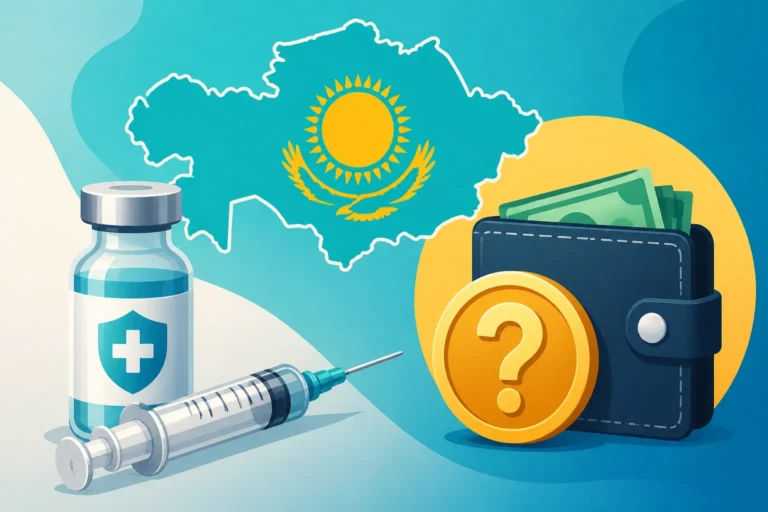
Understanding Out-of-Pocket Healthcare Costs and Co-Payments in Kazakhstan
Trying to make sense of healthcare costs in a new country like Kazakhstan can feel like navigating a maze blindfolded, especially when you're faced with a system that blends state-mandated insurance with a thriving private sector. Many of us expats arrive here unsure what's covered, what isn't, and what we'll actually have to pay for out of our own pockets. This guide is here to shed some light on those confusing out-of-pocket expenses and co-payments, helping you understand where your money goes and how to budget for medical care in Kazakhstan.
Understanding Kazakhstan's Healthcare System: Public vs. Private
When you first land in Kazakhstan, one of the biggest initial hurdles is simply figuring out the healthcare landscape. It’s not quite a fully free public system, nor is it entirely private. Instead, you're looking at a fascinating mix, primarily centered around the Compulsory Social Health Insurance (OSMS) program, alongside a robust and popular private healthcare sector. Getting a grip on this dual system is the first step to understanding what you might end up paying.
The Foundation: Compulsory Social Health Insurance (OSMS)
Kazakhstan's OSMS, or Міндетті әлеуметтік медициналық сақтандыру (МӘМС) in Kazakh, is designed to provide universal healthcare access for its residents. If you're officially employed in Kazakhstan, whether by a local company or an international firm with a local entity, your employer is generally responsible for registering you and making monthly contributions on your behalf. For self-employed individuals, individual entrepreneurs (IPs), or those working under civil law contracts, the responsibility falls to you to make these payments directly. This is a crucial distinction, as missing these payments can leave you without OSMS coverage, leading to significant out-of-pocket costs even for basic services.
OSMS covers a wide range of medical services, including basic consultations with general practitioners, specialist visits (with a referral), diagnostic tests, inpatient hospital care, and even some medications within the national formulary. The idea is that once you’re contributing, you shouldn't face direct payments for these covered services. However, this is where the nuances begin. Sometimes, delays in registration or processing can leave you in a grey area, and certain services, while theoretically covered, might have practical limitations that push you towards private options. It’s essential to ensure your contributions are up-to-date and correctly processed. For a deeper dive into the mechanics, read our guide on how Kazakhstan's Health System Works: OSMS and Private Care Explained (2026).
The Alternative: Private Healthcare and Its Appeal
Even with OSMS in place, many expats, and increasingly locals, opt for private healthcare services. Why? Often, it comes down to convenience, faster access, more comfortable facilities, and a higher likelihood of finding English-speaking staff. Private clinics and hospitals, especially in major cities like Almaty and Astana, offer a wide array of services from general practice to highly specialized treatments, often without the need for referrals that OSMS sometimes mandates.
The allure of private healthcare is undeniable, particularly when you're feeling vulnerable and unwell in a foreign land. Imagine needing to see a specialist immediately for a persistent cough, but the public polyclinic's next available appointment is weeks away, and the doctor only speaks Kazakh or Russian. A private clinic, while costing you money, often provides a solution within hours or days, with a doctor who can communicate effectively. This is where the choice often becomes a simple one for many foreigners, even if it means paying out of pocket. We've compiled a detailed comparison in Public vs Private Healthcare in Kazakhstan: What Expats Need to Know that you might find helpful.
Decoding Out-of-Pocket Costs Under OSMS
While OSMS is designed to provide comprehensive coverage, the reality on the ground often involves situations where you'll still be reaching for your wallet. Understanding these scenarios is key to avoiding unpleasant surprises. It's not about what should be free, but what actually is.
When OSMS Doesn't Cover the Bill (or Covers Only Partially)
Even when you're diligently making your OSMS contributions, there are specific situations where you'll find yourself paying out-of-pocket. These aren't hidden fees or sneaky charges, but rather deliberate exclusions or limitations within the system. For instance, elective cosmetic procedures are definitely not covered. Neither are certain advanced dental treatments beyond basic emergency care, or specific types of optical services. If you need highly specialized rehabilitation that falls outside the standard protocols, or very rare medications not on the national formulary, you might be looking at self-funding.
Let's say you decide to get a deep dental cleaning and whitening. OSMS typically won't cover this, so you'd be paying the full price at a private dental clinic. Or perhaps you're interested in alternative therapies like acupuncture or extensive physiotherapy sessions beyond a doctor-prescribed, limited course. These, too, would likely be entirely out of your pocket. It's vital to inquire about coverage upfront, both at the polyclinic and if considering a private alternative, to know exactly what you're signing up for. Don't assume something is covered just because it's a medical service; always ask for clarification.
The "Missing Contributions" Pitfall
This is one of the most common and frustrating scenarios for expats. You might believe your employer is taking care of everything, only to find yourself suddenly ineligible for OSMS services because of missing or delayed contributions. This often happens if there's an administrative oversight, a change in employment status, or if you're newly arrived and your registration is still being processed. When your contributions aren't up to date, the OSMS system essentially sees you as uninsured.
If you find yourself in this situation, any medical service you receive, even at a public polyclinic, will be charged at a commercial rate, which can be surprisingly high. For example, a routine blood test that would be free under OSMS might cost several thousand tenge (KZT) if you’re uninsured. A simple doctor's consultation could also incur a fee. This is why it’s absolutely critical to regularly check your OSMS status through the eGov portal or by inquiring at your local polyclinic. Ensure your employer is correctly reporting and paying your contributions. If you're self-employed, stay on top of your monthly payments – it's typically a fixed amount based on the minimum wage, which currently stands around 8,500 tenge per month for the self-employed in 2024. If you're transitioning or have gaps in employment, temporary international health insurance like SafetyWing can provide a crucial safety net during these periods, ensuring you're not left completely exposed. For more details on this, our article on How to Register for Compulsory Social Health Insurance (OSMS) in Kazakhstan offers a step-by-step guide.
Navigating Co-Payments in Public and Private Clinics
The concept of a "co-payment" can be a little slippery in Kazakhstan, varying significantly depending on whether you're in the public OSMS system or a private facility. It's not always a clearly defined percentage, but rather a practical reality of healthcare access.
Co-Payments in Public Polyclinics
Generally, for services covered by OSMS, there are no direct co-payments at public polyclinics. Once you're registered, have valid OSMS status, and obtain the necessary referrals (if required for specialists), your consultations, tests, and basic procedures should, in theory, be free at the point of service. This is the ideal scenario for eligible individuals, and often, it works exactly as intended.
However, the reality can sometimes present indirect "co-payments" in the form of time and opportunity cost. For example, while a specialist consultation is covered, the wait time for an appointment might be several weeks or even months for popular specialists, especially if you're in a smaller city or the specific doctor is in high demand. Faced with a prolonged wait for a covered service, many expats choose to bypass the public system and pay out-of-pocket for a faster appointment at a private clinic. In such cases, the "co-payment" isn't a direct fee, but the cost of seeking immediate care outside the OSMS framework. Furthermore, some polyclinics might offer "paid services" (платные услуги) for things that are theoretically covered by OSMS, but are offered as a faster or more convenient option for a fee. While it's important to advocate for your OSMS rights, sometimes the path of least resistance involves paying a small sum for efficiency, especially if you face language barriers or limited time.
Co-Payments and Deductibles in Private Clinics and Insurance Plans
When you venture into the private healthcare sector, direct co-payments and deductibles become a much more common feature, especially if you have private health insurance. These are exactly what they sound like: the portion of the medical bill you are responsible for paying.
Many private health insurance plans in Kazakhstan, whether local or international, include a deductible. This is the initial amount you must pay out-of-pocket before your insurance coverage kicks in. For example, if your plan has a 100,000 KZT deductible, you'll pay the first 100,000 KZT of your medical expenses each year, and the insurance will cover the rest (up to your policy limits). Some plans also feature co-insurance, where after meeting your deductible, you pay a percentage of the remaining costs (e.g., 10-20%), and the insurance covers the rest.
Co-payments in private clinics are simpler: you pay a set fee directly to the clinic for certain services. A routine doctor's visit, for instance, might have a fixed consultation fee ranging from 7,000 KZT to 20,000 KZT or more, depending on the clinic and the specialist. Diagnostic tests, like an MRI or an extensive blood panel, will have their own fixed prices, which you'll pay directly if you don't have private insurance, or if your insurance has a co-payment clause for such services. It's always best practice to ask for a breakdown of costs upfront. This is particularly crucial when dealing with more complex procedures or hospital stays. Understanding Private Health Insurance Plans in Kazakhstan will give you a better grasp of these mechanisms.
Understanding Costs Beyond Basic Consultations
The expense of healthcare in Kazakhstan often extends far beyond a simple doctor's visit. For expats, especially those used to different healthcare models, it's crucial to understand the potential out-of-pocket costs for specialist care, hospital stays, and essential medications.
Specialist Visits and Referrals
Under OSMS, accessing a specialist generally requires a referral from your assigned general practitioner (GP) at your local polyclinic. Without this referral, the specialist visit won't be covered, and you'll be treated as a private patient, incurring full costs. The referral system ensures a structured flow of patients and aims to keep costs down by having GPs manage common ailments. However, obtaining a referral can sometimes add an extra layer of bureaucracy and delay, which can be frustrating.
In the private sector, the referral system is often bypassed. You can usually book an appointment directly with a specialist of your choice, though some clinics might still prefer a GP's note for complex cases. The cost for a private specialist consultation can vary widely based on their reputation, experience, and the clinic's prestige. For instance, seeing a highly sought-after cardiologist at a premium clinic in Almaty might cost upwards of 25,000-35,000 KZT per visit, whereas a general pediatrician in a more modest private clinic might charge 10,000-15,000 KZT. These are significant out-of-pocket expenses if you don't have a robust private insurance plan. Our guide on How to Access Specialist Care Through OSMS in Kazakhstan elaborates on the referral process.
Hospital Stays: Emergency vs. Elective
Hospitalization costs can be daunting anywhere, and Kazakhstan is no exception. Under OSMS, emergency hospital care for life-threatening conditions is generally covered, provided you are an active contributor. This includes ambulance services (if called via 103), initial stabilization, and necessary treatment. For elective procedures or non-emergency inpatient care, the OSMS coverage applies, but you’ll still need to follow the referral chain and potentially wait for availability.
However, if you require a hospital stay without OSMS coverage – perhaps due to lapsed payments, or if you're a short-term visitor without adequate travel insurance – the costs can skyrocket. Private hospitals offer much more comfortable rooms, often with private bathrooms, better food, and more personalized care, but these come at a premium. A basic private room might start from 20,000 KZT per night, excluding doctor fees, medication, and procedures. A complex surgery followed by several days in intensive care can easily run into millions of tenge. It’s a sobering thought, but this is precisely why having proper health insurance, whether OSMS or a comprehensive private plan, is non-negotiable for expats. Even for travelers, a good travel insurance policy like SafetyWing, which focuses on medical emergencies and international travel, can save you from catastrophic bills.
Prescription Medications and Pharmacy Costs
The cost and coverage of prescription medications can also be a significant out-of-pocket expense. Under OSMS, certain essential medications are dispensed free of charge or at a subsidized rate, typically for chronic conditions or during inpatient hospital stays. However, the range of medications fully covered might be limited, and often, you'll find that many commonly prescribed drugs, especially newer or branded ones, need to be purchased entirely out-of-pocket at a pharmacy.
Pharmacies in Kazakhstan are widespread and well-stocked. Prices for medications are generally lower than in Western countries, but they can still add up. For instance, a course of antibiotics might cost anywhere from 2,000 KZT to 10,000 KZT, depending on the type and brand. Specialized medications for chronic illnesses can be considerably more. It's always a good idea to clarify with your doctor whether a prescribed medication is covered by OSMS or if you'll need to buy it. If you have private insurance, check your policy's formulary to see which medications, if any, are reimbursed. For more detailed information, our guide on Prescription Medications and Pharmacies in Kazakhstan: The Complete Guide is an excellent resource.
Dental and Optical Care: Often Fully Out-of-Pocket
For most expats, dental and optical care are almost entirely out-of-pocket expenses. OSMS provides very limited dental coverage, typically only for acute emergencies like severe toothaches requiring extraction in public clinics, and even then, the quality of care might not meet international standards. Routine check-ups, cleanings, fillings, root canals, and orthodontic work are universally paid for privately.
Kazakhstan has a thriving private dental sector, especially in cities like Almaty, with modern clinics offering high-quality services at prices significantly lower than in Europe or North America. For example, a professional dental cleaning might cost between 8,000 KZT and 20,000 KZT. A simple filling could range from 15,000 KZT to 30,000 KZT. These are attractive prices, but they still add up if you require extensive work. Similarly, eye exams and corrective lenses are private expenses. While the cost of frames and lenses can be reasonable, it’s still something to factor into your personal healthcare budget.
Strategies for Managing Healthcare Expenses
Navigating the financial side of healthcare in Kazakhstan can be challenging, but with a bit of foresight and strategic planning, you can effectively manage your expenses. It's about being informed and proactive rather than reactive.
Choosing Your Clinic Wisely
Your choice of clinic can have a significant impact on your out-of-pocket costs. For those fully covered by OSMS and comfortable with the language and system, the assigned public polyclinic is the most cost-effective option for covered services. However, for many expats, the practicalities of language, convenience, and perceived quality often lean towards private clinics.
When opting for private care, do your homework. There's a wide range of private clinics, from small, local practices to large, international-standard hospitals like the Central Clinical Hospital (Sovminka) in Almaty or National Research Cardiac Surgery Center in Astana, that cater to expats. Prices can vary dramatically between them for the same service. Don't be afraid to call a few clinics and inquire about consultation fees, diagnostic costs, and package prices for common procedures. Many private clinics offer different tiers of doctors or specialists, influencing the price. Consider the clinic's location, operating hours, and whether they have English-speaking staff, which can save you the cost of a translator. Our guide on How to Choose and Register with a Clinic (Poliklinika) in Kazakhstan offers further advice on this important decision.
Budgeting for the Unexpected
Life as an expat is full of surprises, and medical emergencies are unfortunately sometimes among them. It’s crucial to have a financial buffer for unexpected healthcare costs. Even with OSMS, if you need immediate private care outside the public system, or if you fall ill during a period of lapsed contributions, having savings to cover these expenses is invaluable.
Consider setting aside a dedicated "medical emergency fund." Even a relatively small amount, say 100,000-200,000 KZT, can cover a private emergency room visit, initial diagnostics, or a few urgent specialist consultations. For non-emergencies, budgeting for routine dental check-ups, new glasses, or any specialist visits you anticipate needing outside of OSMS coverage is also wise. A clear understanding of your personal financial situation and a realistic assessment of potential health needs will go a long way in preparing you for unforeseen circumstances. Remember, being caught off guard can lead to panic and poor financial decisions.
Understanding Your Insurance Policy Thoroughly
Whether you rely on OSMS, a private local plan, or international health insurance, it is absolutely paramount to understand your policy inside and out. Don't just skim the brochure; read the fine print.
- For OSMS: Know what services are explicitly covered, what requires a referral, and what the typical wait times are. Crucially, confirm your contribution status regularly.
- For Private Insurance: Understand your deductible, co-insurance percentages, annual limits, exclusions (e.g., pre-existing conditions), and the network of clinics/hospitals your policy works with. Does it cover outpatient visits, dental, optical, or only inpatient emergencies? What about prescription medications? How do you claim reimbursement? This knowledge will empower you to make informed decisions and prevent unexpected bills. Many international policies, for instance, offer direct billing arrangements with specific hospitals, saving you the hassle of upfront payment and reimbursement.
It’s often a good idea to keep a copy of your policy details, including emergency contact numbers for your insurer, readily accessible. This is especially true if you are traveling within the region or if you've opted for a more flexible travel health insurance option like SafetyWing, which is designed for global citizens and covers medical expenses while abroad. Knowing exactly what your plan covers is your best defense against unexpected out-of-pocket expenses.
The Role of Private and International Health Insurance
For many expats, especially those who cherish peace of mind and access to a broader range of services, private health insurance isn't just a luxury – it's a necessity. It acts as a crucial bridge, filling gaps that OSMS might leave for foreigners and enhancing the overall healthcare experience.
Bridging the Gaps in OSMS Coverage
While OSMS is a robust system for basic and essential healthcare, it does have limitations that can be particularly felt by expats. These often include:
- Language Barriers: While public clinics are improving, finding English-speaking medical professionals can still be a challenge. Private insurance often grants access to clinics specifically catering to expats, where English is more common.
- Wait Times: For non-urgent specialist appointments or elective procedures, wait times in the public system can be lengthy. Private insurance allows you to bypass these waits and access care much faster.
- Choice of Doctors and Facilities: OSMS assigns you to a specific polyclinic and often limits your choice of specialists. Private insurance typically offers a much wider network of preferred providers, allowing you to choose doctors and facilities that align with your preferences and expectations.
- Specific Exclusions: As discussed, certain services like extensive dental work, high-end optical care, or specific rehabilitative therapies might not be fully covered by OSMS. Private insurance plans can be tailored to include these, significantly reducing your out-of-pocket exposure.
For these reasons, many expats choose to supplement their OSMS coverage with a private plan, or, if not eligible for OSMS (e.g., certain visa types), rely solely on private insurance. This ensures a more comfortable, convenient, and comprehensive healthcare experience.
Advantages for Expats: Wider Networks and Peace of Mind
The main advantages of private and international health insurance for expats in Kazakhstan truly boil down to network access and peace of mind. Imagine you're in Almaty and need a specific type of orthopaedic specialist. With good private insurance, you’re not limited to your local polyclinic’s referrals but can choose from the top private clinics like Mediker or Sunkar Medical Center, knowing your insurance will cover a significant portion, if not all, of the costs. This flexibility is invaluable.
Moreover, international health insurance often provides global coverage, which is a massive benefit for expats who travel frequently or plan to repatriate. This means you might be covered for emergencies not just in Kazakhstan, but also when visiting family back home or during business trips abroad. Plans like those offered by SafetyWing are specifically designed for people with an international lifestyle, offering medical coverage, travel interruption, and even emergency evacuation. This holistic approach ensures that no matter where you are, or what unexpected health issues arise, you have a financial safety net. This is not a luxury, but a critical investment in your well-being while living abroad.
What to Look for in a Private Insurance Plan
When choosing a private health insurance plan, consider the following key aspects to minimize your out-of-pocket costs and maximize benefits:
- Coverage Limits and Scope: What are the maximum annual benefits? Does it cover inpatient, outpatient, dental, optical, maternity, and pre-existing conditions?
- Deductibles and Co-payments: Understand how much you'll have to pay before insurance kicks in and what percentage of costs you'll be responsible for. Higher deductibles usually mean lower premiums but more upfront cost when you claim.
- Network of Providers: Does the insurer have direct billing agreements with the major hospitals and clinics you prefer in Kazakhstan? This saves you the hassle of paying upfront and claiming reimbursement.
- Geographic Coverage: Does it cover you only in Kazakhstan, or worldwide? This is important for those who travel frequently.
- Repatriation and Evacuation: In a severe medical emergency, will the plan cover your medical evacuation to a higher-standard facility in another country or repatriation to your home country? This is a crucial, often overlooked, benefit offered by many international plans.
By carefully evaluating these points, you can select an insurance policy that provides the best balance of coverage, cost, and convenience, significantly reducing your out-of-pocket burden and ensuring you receive the care you need without financial stress.
| Healthcare Service Category | OSMS Coverage (with contributions) | Private Care (out-of-pocket) | Potential Out-of-Pocket Cost (KZT, Estimated) |
|---|---|---|---|
| GP Consultation | Fully covered (assigned polyclinic) | Variable fee per visit | 7,000 – 20,000 |
| Specialist Visit | Covered with referral | Variable fee per visit | 10,000 – 35,000 |
| Emergency Hospitalization | Fully covered | Paid by insurance or cash | 50,000 – 5,000,000+ (depending on severity) |
| Elective Surgery | Covered with referral/waitlist | Paid by insurance or cash | 100,000 – 3,000,000+ |
| Routine Blood Tests | Fully covered | Variable fee per test | 3,000 – 15,000 |
| Advanced Diagnostics (MRI, CT) | Covered with referral, potentially wait | Variable fee per scan | 25,000 – 80,000 |
| Prescription Medications | Selected generics/essential drugs | Full cost for most drugs | 2,000 – 50,000+ per course/month |
| Routine Dental Cleaning | Not covered | Variable fee per cleaning | 8,000 – 20,000 |
| Dental Filling | Not covered | Variable fee per filling | 15,000 – 30,000 |
| Eye Exam | Not covered | Variable fee per exam | 5,000 – 15,000 |
| Optical Lenses/Frames | Not covered | Full cost | 15,000 – 100,000+ |
| Physiotherapy | Covered with referral (limited) | Variable fee per session | 5,000 – 15,000 |
Note: These are approximate costs and can vary significantly based on clinic, city, doctor's experience, and the complexity of the service.
Disclaimer
The information provided in this guide is for general informational purposes only and does not constitute medical, legal, or financial advice. Healthcare regulations and costs in Kazakhstan can change rapidly. Always consult with qualified professionals, including medical providers, insurance agents, and legal experts, for advice tailored to your specific situation. While we strive for accuracy, we cannot guarantee that all information is completely up-to-date or applicable to every individual circumstance.