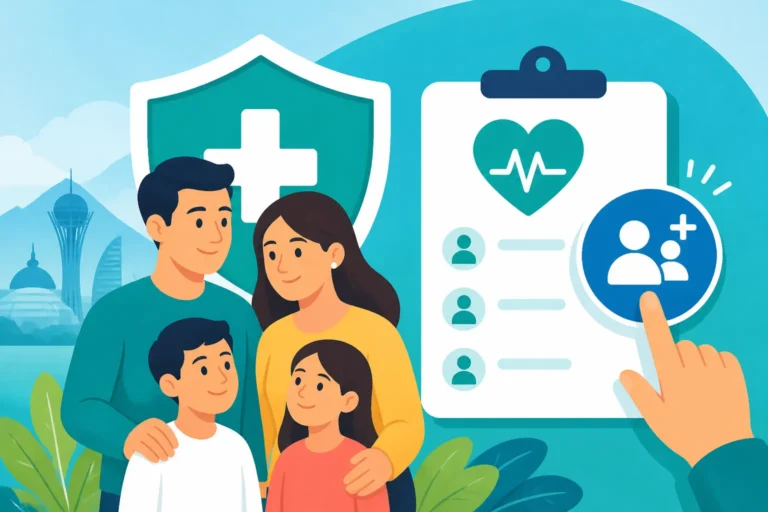
Understanding the Role of OSMS and Your Local Clinic in Kazakhstan
Let's be honest, trying to figure out healthcare in a new country can feel like navigating a maze blindfolded, and Kazakhstan is no exception. The alphabet soup of acronyms like OSMS, the bustling polyclinics, and the sheer volume of paperwork can be daunting, leaving many expats feeling lost and anxious when they need care the most. This guide is here to untangle the complexities of Kazakhstan's Compulsory Social Health Insurance (OSMS) and explain how your local clinic, or poliklinika, serves as your primary gateway to medical services, helping you understand your rights and the system.
Demystifying OSMS: Kazakhstan's Compulsory Social Health Insurance
When you first arrive in Kazakhstan, especially if you're here for work, you'll inevitably hear about OSMS. It's the backbone of the country's social health insurance system, designed to provide comprehensive medical care to its residents. For many expats, it's a completely new concept, different from the private or public systems they might be used to back home, and it can certainly take some getting used to.
What Exactly is OSMS and Why Does it Matter to You?
OSMS stands for Mindetti Әleumettik Meditsinalyq Saqtandyru (Mandatory Social Medical Insurance). Think of it as Kazakhstan's version of universal healthcare, but with a mandatory contribution system. Its primary goal is to pool funds to ensure that everyone legally residing and contributing to the system has access to a defined range of medical services. This includes everything from routine doctor visits and specialist consultations to certain diagnostic tests, hospital stays, and emergency care. For expats, especially those employed by local companies, becoming an OSMS participant is usually a non-negotiable part of your employment package. Your employer contributes on your behalf, and depending on your income, you might also have a personal contribution deducted from your salary.
The reason it matters so much to you as an expat is twofold. First, without OSMS, accessing even basic public healthcare services can become a costly out-of-pocket affair. Second, having your OSMS contributions in order means you're officially part of the system, which simplifies many processes. It’s a vital step in Navigating the Kazakhstani Healthcare System: An Expat's Roadmap (2027) and ensures you have a safety net in place for your health needs.
Who is Required to Pay for OSMS?
The rules around OSMS contributions can be a bit of a labyrinth, but essentially, most legally employed residents in Kazakhstan are required to contribute. This includes Kazakhstani citizens, permanent residents, and, crucially, foreign citizens who are employed under a local contract. If you're working for a Kazakhstani company, they'll typically handle your contributions automatically, deducting your share from your salary and remitting it along with their own employer contributions. It's a system designed to ensure everyone contributes their fair share to keep the medical system running.
However, the picture changes slightly if you're self-employed, a freelancer, or working remotely for a foreign company. In these cases, you become responsible for making your own contributions as an individual. This process can involve registering as an individual entrepreneur (IP) and then ensuring timely payments to the Social Health Insurance Fund. It's crucial to understand these distinctions, as failure to contribute can lead to your OSMS status becoming 'inactive,' meaning you won't be able to access free services. This is particularly relevant when you're considering Understanding Mandatory Health Insurance Contributions in Kazakhstan. Always double-check your employment contract and consult with your employer's HR department or a local legal expert to confirm your specific obligations.
The Benefits and Limitations of OSMS Coverage
OSMS offers a wide array of benefits that cover essential healthcare services. This typically includes visits to your general practitioner (GP) at your assigned poliklinika, specialist consultations (with a referral), diagnostic tests like blood work, X-rays, and ultrasounds, as well as necessary hospitalizations and emergency medical care. For expectant parents, OSMS also covers Understanding Maternity and Prenatal Care in Kazakhstan, which is a huge relief. The idea is that for common health issues, you shouldn't have to worry about exorbitant costs.
However, like any system, OSMS has its limitations. One of the most common complaints among expats (and locals) is the potential for longer wait times for specialist appointments or certain diagnostic procedures, particularly in larger cities like Almaty or Astana where demand is high. While emergency care is generally efficient, non-urgent specialist appointments can sometimes take weeks. Furthermore, certain elective procedures, high-end diagnostics, specific dental treatments (beyond basic emergency care), and some mental health services might not be fully covered or require significant co-payments. This is where many expats start to consider Public vs Private Healthcare in Kazakhstan: What Expats Need to Know and explore private insurance options to supplement their OSMS coverage, bridging these gaps.
Navigating Your Local Poliklinika: The Gateway to OSMS Healthcare
Your poliklinika (поли клиника) is essentially your assigned local clinic, acting as your primary point of contact for healthcare under the OSMS system. It's a bit like a community health center or family doctor's practice, but often on a much larger scale, serving a specific residential area. For many expats, the sheer size and busy nature of these facilities, coupled with potential language barriers, can feel overwhelming at first. But once you understand how they work, they become an invaluable resource.
Choosing and Registering with Your Poliklinika
The process of choosing and registering with a poliklinika is one of the very first things you need to sort out once you have your Individual Identification Number (IIN) and active OSMS status. In Kazakhstan, healthcare is geographically assigned. This means you'll typically register with the poliklinika that serves the area where you are officially registered to live. You can't just pick any clinic across town, though there are sometimes exceptions if you have a valid reason, like needing a specific specialist or an English-speaking doctor, and the clinic agrees.
To register, you'll usually need your passport, your IIN, and proof of your residential address (like your rental contract or a document from eGov). The actual registration process involves filling out forms, which can be tricky if your Russian or Kazakh isn't up to scratch. This is where a local friend or a colleague from work can be an absolute lifesaver. Don't be shy about asking for help! They'll typically assign you a general practitioner (GP) upon registration. This is a critical step because your poliklinika and assigned GP are your primary point of access for all OSMS services, including referrals to specialists. Learning How to Choose and Register with a Clinic (Poliklinika) in Kazakhstan is foundational to using the system.
Services Available at a Typical Poliklinika
Your local poliklinika offers a comprehensive range of primary healthcare services. This isn't just a place for a quick check-up; it's designed to be your one-stop shop for most common medical needs. You'll find general practitioners who can diagnose common illnesses, prescribe basic medications, and manage chronic conditions. Beyond that, many poliklinikas have various departments, often including a women's health department (gynecology), a children's department (pediatrics), and even a small diagnostic lab for basic blood tests, urine tests, and sometimes even X-rays or ECGs.
They are also the primary point for vaccinations, both for adults and children, which is something you'll want to be aware of, especially if you have a family. They handle things like sick notes for work, preventative screenings, and general health advice. It's a bustling environment, often with many different specialists under one roof, serving a large community. While it might seem chaotic at first glance, the system is designed to streamline basic care and filter patients to higher levels of specialized treatment when necessary.
Common Frustrations and How to Overcome Them
Let's not sugarcoat it: navigating a poliklinika can be a test of patience, especially for those new to Kazakhstan. The biggest hurdle for many expats is the language barrier. While some staff, particularly younger doctors, might have a basic grasp of English, it's certainly not guaranteed. Miscommunication can lead to anxiety and confusion. Our advice? Always try to bring a Russian or Kazakh-speaking friend, colleague, or even hire a professional interpreter for important appointments. Many expats also use translation apps on their phones, but nothing beats a human touch for nuanced medical discussions.
Another common frustration is the appointment system and wait times. While major cities are improving with online booking through apps like DamuMed, sometimes you'll still find yourself waiting in lines, especially for walk-in services or during peak hours. Be prepared for a potentially long morning or afternoon. It’s also important to remember that the approach to patient care might feel different from what you're accustomed to. Doctors might be more direct, and the emphasis is often on immediate symptoms rather than a holistic preventative approach that some Western systems prioritize. Maintaining a sense of humor and a deep well of patience will serve you well here. Knowing How Long Are Wait Times to See a Specialist in Kazakhstan? can help manage expectations.
The Patient Journey: From Registration to Specialist Referral
Once you're registered with your poliklinika and your OSMS status is active, you're officially part of the Kazakhstani healthcare system. But knowing how to actually use it is the next step. It's not always as straightforward as walking in and demanding to see a specialist – there's a specific pathway you're expected to follow, designed to ensure efficient use of resources.
Your First Steps: Making an Appointment and Seeing a General Practitioner
Under the OSMS system, your assigned General Practitioner (GP) at your poliklinika is your first port of call for almost all non-emergency medical issues. You can't usually just bypass them and go straight to a specialist. This gatekeeper system helps manage the flow of patients and ensures that specialists see cases that genuinely require their expertise. To make an appointment, you'll typically use an online portal like eGov or a dedicated healthcare app such as DamuMed, which has become increasingly popular in recent years. These apps allow you to view available slots for your GP and book a time that works for you. If technology isn't your strong suit, or you're facing language issues, you can usually call the poliklinika's reception desk or even visit in person to schedule.
When you go for your appointment, make sure to bring your passport/ID, your IIN, and any relevant medical history you might have. Be prepared to explain your symptoms clearly, and if you have a local speaker with you, they can facilitate the conversation. The GP will assess your condition, potentially prescribe medication, or order basic tests available at the poliklinika. This initial consultation is crucial for establishing your medical record within the local system and determining the appropriate next steps.
Understanding Referrals to Specialists and Hospitals
If your GP determines that your condition requires more specialized attention, they will issue a referral to a specialist. This is the standard procedure for accessing secondary care under OSMS. The referral will typically be to a specialist working within your poliklinika or at an affiliated hospital or specialized clinic within the OSMS network. Once you have the referral, you'll then need to book an appointment with the specialist, which again might involve using DamuMed or contacting the specialist's clinic directly.
Wait times for specialists can vary widely depending on the specialty and the urgency of your condition. For common specialties like cardiology or endocrinology, you might have to wait a few weeks. For very niche specialists or complex procedures, it could be longer. In cases where hospitalization is required, your GP or the specialist you've been referred to will arrange your admission to an OSMS-covered hospital. It's important to understand How Specialist and Hospital Referrals Work in Kazakhstan to avoid any surprises. This structured approach, while sometimes slow, ensures that resources are allocated based on medical necessity.
Navigating Emergency Situations and Your Poliklinika
When it comes to genuine medical emergencies, the poliklinika is generally not your first port of call, nor is it equipped to handle critical situations. For life-threatening emergencies, you should immediately call 103 for an ambulance, or 112 which is the general emergency number. These services are available 24/7 and are designed for rapid response to severe injuries, sudden acute illnesses, or accidents. The ambulance will transport you to the nearest appropriate hospital emergency room. Under OSMS, emergency medical care is covered for all participants, regardless of active status at the time of the emergency, though you might be billed later if your OSMS status was inactive for routine care.
For urgent but non-life-threatening situations that occur outside poliklinika hours, or if you can't get an immediate GP appointment, some private clinics offer urgent care services that you can pay for out-of-pocket. These can be a good alternative if you need to see a doctor quickly but don't warrant an ambulance trip. For expats, understanding Emergency Medical Care in Kazakhstan: What Every Expat Needs to Know is vital for your peace of mind.
Supplementing OSMS: When and Why Private Options Come into Play
While OSMS provides a solid foundation for healthcare in Kazakhstan, many expats find that it doesn't always cover every need or meet every expectation they might have, particularly coming from different healthcare systems. This is where private healthcare options and international health insurance come into their own, offering a valuable supplement.
The Gaps OSMS Doesn't Always Fill
Despite its comprehensive nature, OSMS does have its limitations. One area where expats often seek private alternatives is dental care. While basic emergency dental work might be covered, more extensive procedures like root canals, orthodontics, or cosmetic dentistry usually require out-of-pocket payments or private insurance. Similarly, some niche specialists, advanced diagnostic scans (like certain types of MRI or CT scans), or specific therapies might either have long wait times under OSMS or not be fully covered.
The comfort factor is another big one. Private clinics often offer shorter waiting times, more modern facilities, English-speaking staff, and a generally more personalized patient experience. If you're someone who values privacy, speed, and the ability to choose your doctor, you'll quickly realize that these are aspects where private care often shines. This is especially true when discussing Understanding Dental Care Costs in Kazakhstan. The desire for continuity of care with an English-speaking doctor or more Western-style medical practices often leads expats to explore options beyond the public system.
The Role of Private Health Insurance for Expats
Given the gaps in OSMS and the desire for more convenience and broader coverage, many expats opt for private health insurance. This can be local private insurance or, more commonly, international private health insurance. International plans, in particular, offer a significant advantage: they often provide global coverage, meaning you're covered not just in Kazakhstan but also if you travel back to your home country or to other destinations. This is a huge relief for those who travel frequently for work or leisure.
Providers like SafetyWing, for instance, offer flexible and affordable travel medical insurance plans that can cover you for unforeseen accidents and illnesses while you're abroad. While not a full-fledged local private health insurance, it's a popular choice for digital nomads and expats who need reliable coverage for emergencies and immediate medical needs, especially during their initial relocation or while exploring their longer-term options. For more comprehensive, long-term coverage that includes routine care and specialist visits in Kazakhstan, dedicated expat health insurance plans are invaluable. These plans are designed to fill in the blanks where OSMS might fall short, providing peace of mind and access to a wider network of private medical facilities, often with direct billing arrangements.
Combining OSMS and Private Care for Comprehensive Coverage
For many savvy expats in Kazakhstan, the optimal approach isn't an either/or situation between OSMS and private insurance, but rather a strategic combination of both. OSMS handles your basic, compulsory coverage and is your gateway to the public system, which can be quite effective for general illnesses and common medical issues, especially if you get a good GP at your poliklinika. It's also usually handled automatically by your employer, meaning less hassle for you.
Private health insurance, then, acts as your premium layer of protection. It allows you to access private clinics for faster appointments, English-speaking doctors, a broader range of specialists, and services not fully covered by OSMS, such as extensive dental work or specific diagnostic procedures. For example, if you need to How to Find an English-Speaking Doctor in Kazakhstan, a private insurance plan often makes this much easier. This hybrid approach gives you the best of both worlds: the foundational security of the national system and the flexibility, comfort, and expanded options that private care provides. It's a smart way to ensure you're truly covered for every eventuality without breaking the bank.
Important Considerations for Expats
Moving to Kazakhstan and integrating into its healthcare system requires a bit of foresight and preparation. From understanding language nuances to knowing which documents to keep handy, these practical tips can make your journey much smoother.
Language Barriers and Communication Strategies
The language barrier is, without a doubt, one of the most significant challenges for non-Russian or Kazakh speakers navigating healthcare in Kazakhstan. While some doctors, particularly in private clinics or larger international hospitals in cities like Almaty and Astana, may speak English, it's far from universal, especially in public poliklinikas. It's not uncommon to find yourself trying to describe complex symptoms to a doctor using gestures and a translation app, which can be frustrating and even risky.
My number one piece of advice here is: don't go alone if you can help it. Always try to bring a local friend, a trusted colleague, or even hire a professional medical interpreter for important consultations. Many expat groups on social media platforms also have lists of recommended English-speaking doctors or individuals willing to assist with translation. Learning a few key medical phrases in Russian or Kazakh can also go a long way in showing respect and facilitating basic communication. Even simple things like "My head hurts" (U menya bolit golova) or "I have a fever" (U menya temperatura) can make a difference in an initial assessment.
Essential Documents to Always Carry
In Kazakhstan, paperwork is king, and nowhere is this more true than in the healthcare system. You absolutely must get into the habit of carrying essential documents with you, especially when visiting any medical facility. Your passport (or a certified copy) and your Individual Identification Number (IIN) are non-negotiable. The IIN is your unique identifier for all administrative purposes, including healthcare, and is essential for accessing OSMS services. Without it, you might find yourself turned away or facing significant delays.
While not a physical card, knowing your OSMS status and contributions is also crucial. You can often check this online via the eGov portal or the DamuMed app. It's also a good idea to keep a digital copy of your OSMS payment history or confirmation easily accessible on your phone. If you have private insurance (like a policy from SafetyWing), keep your policy number and emergency contact details readily available. Having these documents organized and at hand will save you a lot of stress and potential problems when seeking medical attention. It's all part of What Documents Do I Need to See a Doctor in Kazakhstan?.
Maintaining Your OSMS Status and Contributions
An active OSMS status is fundamental to accessing free healthcare services in Kazakhstan. For employed expats, your employer is usually responsible for ensuring your contributions are made on time. However, it's always wise to periodically check your status yourself. You can do this through the eGov website or the DamuMed app, which usually provides information on your contributions and current insurance status.
If you are self-employed, a freelancer, or your employment situation changes, the responsibility for maintaining your contributions falls squarely on you. Missing payments can lead to your OSMS status becoming inactive, meaning you won't be able to receive services free of charge until your contributions are up to date. This can be a rude awakening when you suddenly need a doctor and discover you're no longer covered. Be diligent about understanding How to Register for Compulsory Social Health Insurance (OSMS) in Kazakhstan and tracking your payments. It's a small administrative task that can prevent a big headache down the line.
| Feature | OSMS (Compulsory Social Health Insurance) | Private Healthcare (Local/International) |
|---|---|---|
| Purpose | Mandatory state-provided basic and essential medical care. | Supplemental, elective, or enhanced medical care. |
| Cost | Monthly contributions (employer/individual), generally low co-pays. | Premiums (monthly/annually), often higher out-of-pocket for non-covered. |
| Access | Via assigned poliklinika and GP referral. | Direct access to specialists; wider choice of clinics/hospitals. |
| Wait Times | Can be longer for specialist appointments and non-urgent procedures. | Generally shorter wait times for appointments and procedures. |
| Language Support | Primarily Russian/Kazakh; English-speaking staff rare. | Higher likelihood of English-speaking doctors/staff. |
| Facility Quality | Varies, can be older public facilities. | Modern facilities, often international standards. |
| Coverage Scope | Broad for essential care, limited for elective/specific treatments. | Customizable; can include dental, vision, specific therapies. |
| Geographic Scope | Primarily within Kazakhstan. | Can offer local, regional, or global coverage (e.g., SafetyWing). |
| Convenience | Can involve bureaucracy and multiple visits. | Streamlined processes, better patient experience. |
| Emergency Care | Covered via 103/112 ambulance and public hospitals. | Covered, often with access to private emergency rooms if available. |
Disclaimer
The information provided in this guide is for general informational purposes only and does not constitute medical, legal, or financial advice. Healthcare regulations and procedures in Kazakhstan can change. While we strive to provide accurate and up-to-date information, readers should always consult with official government sources, legal professionals, and healthcare providers for advice tailored to their specific situation. Relying solely on the information presented here is at your own risk.