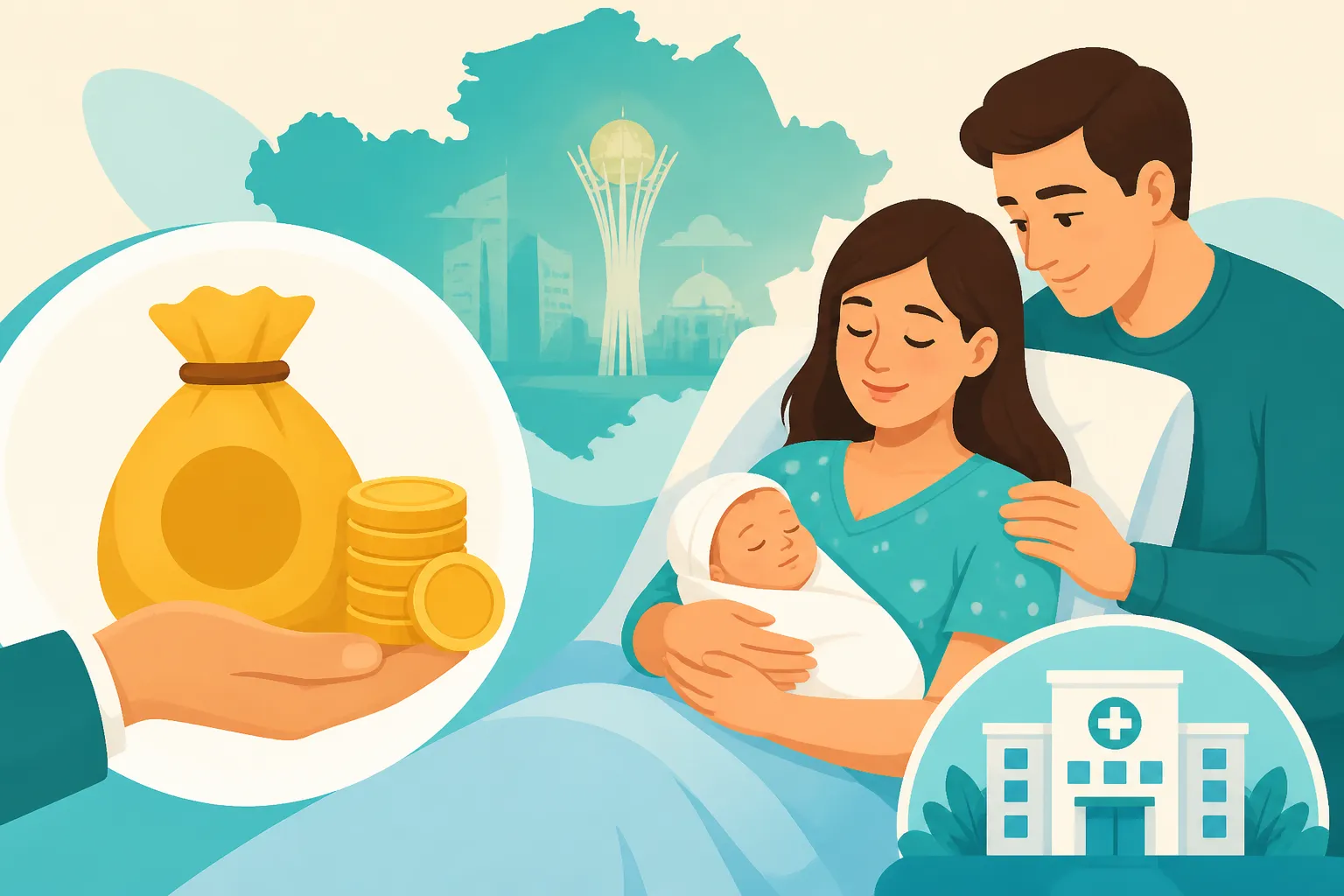
How Much Does a Normal Delivery Cost in Kazakhstan?
Bringing a new life into the world is an incredibly special, albeit sometimes nerve-wracking, experience. As an expat in Kazakhstan, the added layer of navigating a foreign healthcare system can turn that beautiful anticipation into a pile of bureaucratic anxieties – and honestly, who needs that when you’re expecting? One of the biggest questions on every expectant expat parent's mind is, "How much is this all going to cost?" You’re not alone in feeling a little lost about the financial side of maternity care here. This guide is going to strip away the confusion and give you a realistic, comprehensive breakdown of what you can expect to pay for a normal delivery in Kazakhstan.
Understanding Maternity Care Options in Kazakhstan
First things first, let's talk about where you can even have your baby in Kazakhstan. It’s not a one-size-fits-all situation, and your choices will significantly impact the final bill. You essentially have two main routes: the public healthcare system, largely funded by the Compulsory Social Health Insurance (OSMS), or the private route, which offers more bespoke services. Each has its pros and cons, and understanding them is your first step.
Public Healthcare System and OSMS Coverage
Kazakhstan's public healthcare system, known as OSMS (Obligatory Social Medical Insurance System), aims to provide accessible medical services to its citizens and legal residents. If you're officially employed or self-employed and contributing to the OSMS fund, you're generally covered for a wide range of medical services, including maternity care. This is a huge relief for many, as it means the bulk of your costs for a "normal delivery" might be covered.
But here’s the rub, and it’s a big one for expats: you need to be properly registered and contributing to OSMS before you need the services. Many expats arrive already pregnant, or become pregnant soon after, and find themselves in a scramble to get enrolled. The general rule is, if you're working legally and your employer is making contributions, you should be covered. However, if there are gaps in your contributions, or if you're new to the system, you might face delays or even be required to pay for services out-of-pocket until your status is fully active.
Under OSMS, routine prenatal check-ups, necessary tests, and the actual delivery process in a public maternity hospital (роддом – roddom) are typically included. This means the doctor's fees, hospital stay, and basic post-delivery care for you and the baby are covered. The quality of public hospitals can vary, but major cities like Almaty and Astana have modern facilities. However, don't expect a private room or extensive English-speaking staff as standard. If you're seeking a more personalized experience, this might not be your ideal. It's crucial to understand what is covered by OSMS in Kazakhstan and how to register for OSMS Health Insurance in Kazakhstan (2026) to avoid any unpleasant surprises.
Private Hospitals and Clinics
For many expats, the private healthcare sector offers a more familiar and comfortable experience, especially when it comes to something as personal as childbirth. Private clinics and hospitals in Kazakhstan, particularly in Almaty and Astana, cater specifically to foreigners and wealthier locals. Places like the SOS International Clinic or Interteach in Almaty, and their equivalents in Astana, offer comprehensive maternity packages. These usually include everything from prenatal consultations with English-speaking obstetricians, advanced diagnostic tests, personalized birth plans, comfortable private rooms, and dedicated postnatal care.
The reason expats often gravitate towards private facilities is multifaceted. Firstly, the language barrier is significantly reduced, if not eliminated, which is a massive stress reliever during appointments and the delivery itself. Secondly, private hospitals often boast newer equipment, more patient-centric services, and a higher staff-to-patient ratio. You’re paying for peace of mind, comfort, and a level of service that can feel closer to what you might be used to back home.
However, this comfort comes at a price – a significant one. Unlike the OSMS system where much is covered, in the private sector, you are paying for every service. While packages exist, they can still be quite costly. We’ll delve into specific numbers shortly, but be prepared for costs that can be many times higher than what you might theoretically pay through the public system, even if you still have some out-of-pocket expenses there. It’s a trade-off between cost and convenience, and for some, the investment in a private birth experience is absolutely worth it.
Breaking Down the Costs of a Normal Delivery
Now for the numbers. This is where the rubber meets the road, and understanding the potential financial outlay is key to planning. The costs can fluctuate wildly depending on whether you opt for public or private care, your insurance status, and even the city you’re in.
Itemized Expenses in Public Facilities
If you are fully covered by OSMS, the direct costs for a normal delivery in a public maternity hospital should be minimal, if not zero. This includes:
- Prenatal Care: Regular check-ups, basic blood tests, and ultrasounds.
- Delivery: The actual labor and delivery, including medical staff and necessary interventions for a normal birth.
- Hospital Stay: A standard few days post-delivery for mother and baby in a shared room.
- Basic Postnatal Check-ups: Initial follow-up for you and the newborn.
However, relying solely on the "free" aspect of public healthcare can be a bit naive for some expats. While the official system provides comprehensive coverage for those enrolled, there can be subtle, unspoken costs that you might encounter. For instance, sometimes families might opt to pay for certain "upgrades" or additional comforts not officially included, such as a slightly better room or additional attention from staff. These are often unofficial "gratitude payments" and are not mandatory, but can be culturally relevant in certain contexts. It's an uncomfortable truth to discuss, but something to be aware of.
If you don't have OSMS coverage, or if your coverage is not active, you will be considered a self-paying patient in a public facility. In this scenario, even public hospitals will charge you. A normal delivery without OSMS coverage could range from 200,000 to 500,000 KZT (approximately $450 – $1,100 USD), depending on the city and the specific hospital. This is a general estimate and could fluctuate. This cost would cover the basic services, but you'd still likely be in a shared room and face language barriers. It highlights the importance of understanding How Kazakhstan's Health System Works: OSMS and Private Care Explained (2026) well in advance.
Private Hospital Delivery Packages
This is where the costs escalate significantly, but for many, the value proposition includes a much smoother, more personalized experience. Private hospitals offer packages that bundle most services, making it easier to budget, though you should always clarify what's explicitly not included.
A comprehensive private maternity package for a normal delivery in Almaty or Astana typically includes:
- Extensive Prenatal Care: More frequent check-ups, detailed ultrasounds (often 3D/4D), advanced screening tests, and consultations with a chosen obstetrician from the clinic's team.
- Delivery: Labor and delivery in a private birthing suite, often with amenities like birthing balls, music, and the presence of a chosen support person. Epidurals and other pain management options are readily available.
- Postnatal Hospital Stay: A private room for 2-4 days post-delivery, with dedicated nursing staff for both mother and baby, often including baby care lessons and lactation support.
- Newborn Care: Initial pediatrician check-ups for the baby, basic vaccinations, and sometimes even the registration of the birth.
- Postnatal Follow-up: A few follow-up appointments for the mother after discharge.
The cost for such a package for a normal delivery in a top-tier private clinic like SOS International Clinic or Interteach in Almaty can range from 1,500,000 to 3,000,000 KZT (approximately $3,400 – $6,800 USD). This is a broad range, and it can go even higher depending on the specific clinic, the chosen doctor, the level of luxury in the room, and any unforeseen complications or additional services you might opt for. For instance, a planned C-section would naturally be on the higher end of this scale, often exceeding 3,000,000 KZT.
Potential hidden fees or extra services might include:
- Extended Stay: If you or your baby need to stay longer than the package allows.
- Specialist Consultations: If a specialist (e.g., a pediatric cardiologist) is needed for the baby.
- Additional Tests: Any tests beyond the standard package.
- Unexpected Interventions: While a "normal delivery" package is priced for an uncomplicated vaginal birth, complications can arise, leading to additional costs.
- Language Services: While many private clinics have English-speaking staff, if you require a dedicated, round-the-clock translator, that might be an additional cost.
It’s always, always best to get a detailed breakdown of the package inclusions and exclusions directly from the private clinic. Don’t be afraid to ask for clarity on every single potential charge. This will allow you to make an informed decision and budget appropriately for what might be one of the most important expenses of your expat life. You can also get a broader understanding from The Cost of Healthcare in Kazakhstan: A Complete Breakdown for Foreigners (2026).
Navigating Payment and Insurance for Childbirth
Understanding the costs is one thing, but knowing how to pay for it all is another. This involves deciphering the intricacies of OSMS, exploring private insurance options, and planning for out-of-pocket expenses.
The Role of OSMS and Compulsory Contributions
As mentioned, OSMS is Kazakhstan's compulsory social health insurance. If you are formally employed in Kazakhstan, your employer typically makes contributions on your behalf. Self-employed individuals or those working under specific contracts are also required to contribute. Once you're registered and your contributions are current, you become eligible for OSMS-covered services.
For maternity care, this means access to state polyclinics for prenatal care and public maternity hospitals for delivery. The key here is active coverage. If you've just arrived or there have been breaks in your employment, it might take some time for your OSMS status to become fully operational. This waiting period is critical. If you become pregnant before your OSMS is fully active, you might find yourself in a tricky situation, potentially needing to pay for services that would otherwise be covered. It's vital to confirm your OSMS status and contribution history with your employer or through the eGov portal. Understanding Mandatory Health Insurance Contributions in Kazakhstan is crucial for this.
While OSMS covers essential services, it’s important to manage expectations. Public facilities are focused on medical necessity. If you desire specific amenities or a highly personalized experience, OSMS alone might not suffice, and you'll be looking at out-of-pocket expenses or private insurance to bridge that gap. This is where many expats weigh the Public vs Private Healthcare in Kazakhstan: What Expats Need to Know carefully.
Private and International Health Insurance Options
This is where most expats find their peace of mind for planned maternity care. Private health insurance, either local or international, can cover a significant portion, if not all, of your chosen private delivery package. However, there are crucial considerations:
- Maternity Waiting Periods: Almost all health insurance policies, both local and international, impose a waiting period for maternity benefits. This typically ranges from 10 to 24 months from the policy's start date before you can claim for childbirth-related expenses. This is designed to prevent people from buying insurance only when they are already pregnant. Therefore, if you are planning to have a baby in Kazakhstan, it is absolutely essential to secure your private health insurance well in advance.
- Coverage Details: Always, always check the specifics of your policy. Does it cover prenatal care, delivery (normal vaginal birth vs. C-section), complications, and postnatal care? Are there limits on hospital choice or doctor's fees? Some policies might cover public hospital private rooms but not full private clinic packages.
- International vs. Local Plans: International health insurance plans often offer more comprehensive coverage and greater flexibility, allowing you to choose from a wider network of private hospitals and doctors. Local private plans might be more affordable but could have a more restricted network. Companies like Interteach (which has its own clinics but also offers insurance) are key players. For a detailed look at options, check out Health Insurance in Kazakhstan: OSMS, Private and International Options Explained.
While most robust private and international health insurance plans are the go-to for planned maternity, some expats might initially consider travel insurance for very short-term stays or emergencies. For instance, SafetyWing is a popular option for digital nomads and travelers. However, it’s critical to understand that SafetyWing, like most travel insurance, is primarily designed for unexpected medical emergencies while traveling. It typically does not cover routine maternity care, planned deliveries, or prenatal check-ups. While it might cover complications or emergency childbirth if the pregnancy was unknown and unforeseen before the policy started, it is explicitly not a substitute for dedicated maternity health insurance for planned childbirth in Kazakhstan. Always read the fine print carefully and understand that travel insurance is for travel risks, not for comprehensive, planned medical services like giving birth.
Out-of-Pocket Payments and Payment Plans
Even with insurance, you might still encounter out-of-pocket expenses. This could be due to deductibles, co-payments, or services not fully covered by your policy. It's also the route you'd take if you prefer to self-fund your private birth experience or if your insurance has a waiting period that hasn't been met.
- Self-Funding: If you choose to self-fund a private delivery, you’ll be paying the full package price directly to the clinic. Many clinics require a significant upfront deposit, with the remainder due before or immediately after delivery.
- Negotiating with Clinics: Don’t be afraid to discuss payment terms with private clinics. While they might not offer discounts on packages, some might be open to structured payment plans, especially for larger sums. It never hurts to ask, particularly if you’re looking at a substantial bill.
- Budgeting: Financial planning is key. If you're self-paying, start saving early. Consider setting aside funds not just for the package itself, but also for unforeseen extras, baby supplies, and initial post-delivery expenses. A clear understanding of Understanding Out-of-Pocket Healthcare Costs and Co-Payments in Kazakhstan will help you plan.
The most important thing is to do your homework long before your due date. Confirm your OSMS status, research private insurance policies and their maternity waiting periods, and get detailed cost breakdowns from your preferred clinics.
Practical Advice for Expectant Expats
Having lived through the expat journey myself, I know it’s the little things, the practical tips, that often make the biggest difference. Childbirth in a foreign country is a huge undertaking, so let's talk about some real-world advice.
Choosing Your Birthing Location and Doctor
This is perhaps the most personal decision you'll make in your maternity journey. It's not just about cost; it's about comfort, communication, and confidence in your medical team.
- Language is Key: If you don't speak Russian or Kazakh fluently, an English-speaking doctor and medical team are paramount. Misunderstandings during labor are the last thing you need. This heavily sways many expats towards private clinics. If you plan to use a public hospital, consider hiring a personal translator for appointments and the birth itself, which would be an additional cost.
- Visit the Facilities: Don't just rely on websites or hearsay. If possible, schedule tours of both public maternity hospitals (if you're considering OSMS) and private clinics. See the birthing rooms, meet some of the staff, and get a feel for the environment. You're looking for a place where you feel safe and supported.
- Doctor-Patient Rapport: Whether public or private, try to meet a few doctors before committing. You want someone you trust, who understands your birthing preferences, and who communicates openly. In private clinics, you often choose your primary obstetrician who will ideally be present for your delivery, whereas in public hospitals, it might be the doctor on duty.
- Proximity and Logistics: Consider how far the hospital is from your home, especially during rush hour. Easy access is vital, particularly when labor begins!
Early planning is not just for insurance; it's for your entire birthing experience. Start researching and visiting places as soon as you know you're expecting. This allows you ample time to make an informed decision about How to Choose Between Public and Private Maternity Care in Kazakhstan.
What to Expect During and After Delivery
Kazakhstani birthing practices might differ slightly from what you’re used to. Understanding these differences can help you feel more prepared.
- Hospital Stay Duration: For an uncomplicated normal delivery, the typical hospital stay is generally 2-4 days. This allows medical staff to monitor both mother and baby for initial recovery and address any immediate concerns. In public hospitals, shared rooms are common, though private room upgrades might sometimes be available for an extra fee. Private clinics, as mentioned, usually offer comfortable private suites.
- Support Person: Most modern hospitals and private clinics in Kazakhstan are open to having a single support person (usually the father) present during labor and delivery. However, it's crucial to confirm this policy in advance, as some traditional public facilities might have stricter rules.
- Postnatal Care: After discharge, you'll have follow-up appointments for yourself and the baby. Ensure you understand the schedule and who to contact for any questions or concerns. For the newborn, registering them for healthcare is an early priority. Make sure you understand How to Register Your Newborn for Healthcare in Kazakhstan? as soon as possible after birth. This ties into their first check-ups and vaccinations.
- Cultural Aspects: While modern medical practices are standard, some cultural traditions might subtly influence care. For instance, in some settings, new mothers might be encouraged to stay warm and rest extensively. Always feel comfortable asking questions if something isn't clear or if you have specific preferences.
- Registration of Birth: After delivery, you’ll need to officially register your baby's birth. The hospital will provide you with a medical certificate of birth, which you’ll then take to the local Civil Registry Office (ZAGS or RACS) to get the official birth certificate. This is a crucial step for everything that follows, including getting a passport for your little one.
Remember, every pregnancy and delivery is unique. While this guide provides general information, always consult directly with healthcare providers and your insurance company for personalized advice specific to your situation. Being an expat adds layers of complexity, but with careful planning and a clear understanding of the system, you can ensure a smooth and joyful arrival for your newest family member in Kazakhstan. For a comprehensive overview of the entire process, I highly recommend reading Understanding Maternity and Prenatal Care in Kazakhstan.
| Service Category | Public Hospital (with OSMS) | Public Hospital (self-pay, no OSMS) | Private Clinic (package, with private insurance) | Private Clinic (package, self-pay) |
|---|---|---|---|---|
| Prenatal Consultations | Mostly covered | 10,000 – 20,000 KZT per visit | Mostly covered (after waiting period) | 20,000 – 50,000 KZT per visit |
| Standard Ultrasounds | Mostly covered | 15,000 – 30,000 KZT per scan | Mostly covered (after waiting period) | 30,000 – 70,000 KZT per scan |
| Normal Vaginal Delivery | Fully covered | 200,000 – 500,000 KZT | Mostly covered (after waiting period) | 1,500,000 – 3,000,000 KZT |
| Hospital Room (Postnatal) | Shared room (covered) | Shared room (included in delivery fee) | Private room (mostly covered) | Private room (included in delivery fee) |
| Postnatal Care (Mother) | Covered | Included in delivery fee | Covered | Included in delivery fee |
| Newborn Care | Covered (initial checks, basic vax) | Included in delivery fee | Covered (initial checks, basic vax) | Included in delivery fee |
| English-Speaking Staff | Unlikely, variable | Unlikely, variable | Common, often included | Common, often included |
| Personalized Birth Plan | Limited | Limited | Generally available | Generally available |
| Estimated Total Cost | Minimal to None | 200,000 – 500,000 KZT | Varies (deductibles, co-pays may apply) | 1,500,000 – 3,000,000 KZT + |
Note: All costs are approximate and can vary based on facility, city (Almaty and Astana generally higher), specific services, and individual circumstances. It's essential to get current, detailed quotes.
Disclaimer
The information provided in this guide is for general informational purposes only and does not constitute medical, financial, or legal advice. Healthcare costs and regulations in Kazakhstan can change. Always consult with a qualified medical professional, insurance provider, or legal expert for advice tailored to your specific situation.