Can Tourists Access Emergency Care in Kazakhstan?
The sudden jolt of a medical emergency in a foreign land is a fear that grips many of us, tourists and long-term expats alike. The language barrier, unfamiliar systems, and worry about costs can turn a minor incident into a full-blown panic attack. Rest assured, if you find yourself in an unexpected medical situation while visiting Kazakhstan, emergency care is absolutely accessible to you. This guide will walk you through exactly what to expect, how to navigate the system, and how to best prepare for the unforeseen, giving you the peace of mind to enjoy your travels.
Understanding Emergency Services in Kazakhstan
Let's cut right to it: yes, tourists can and do access emergency medical care in Kazakhstan. The country has a functioning emergency medical system, though it might operate differently than what you're accustomed to in your home country. This can be a source of anxiety, but knowing the ropes ahead of time can make all the difference.
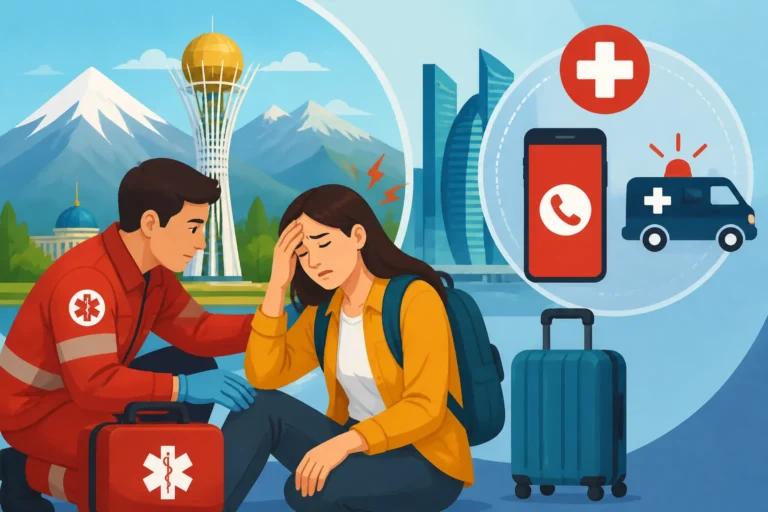
Kazakhstan's emergency medical services are primarily accessed through a centralized dispatch system. If you face a life-threatening situation – think a severe accident, sudden chest pain, or a major injury – your first call should be to 103. This is the direct line for ambulance services. For more general emergencies, including police and fire services, you can dial 112. It's the universal emergency number, much like 911 in the US or 999 in the UK, and the operators can connect you to the appropriate service. Don't hesitate to use these numbers if you genuinely believe it's an emergency.
One crucial point to remember is the potential for a language barrier. While some dispatchers and medical personnel might speak basic English, it's not guaranteed. This is where having a local friend, hotel staff member, or even a translation app on your phone can be a lifesaver. Clearly state your location (the exact address is paramount), the nature of the emergency, and your contact number. For a deeper dive into critical situations, our guide on Emergency Medical Care in Kazakhstan: What Every Expat Needs to Know offers comprehensive advice.
When an ambulance arrives, whether it's a public or private service, they will assess your condition. Public ambulances, part of the state healthcare system, are generally free at the point of service for Kazakh citizens, but for tourists, a fee might be levied, especially if your condition isn't deemed immediately critical. Private ambulance services are also available, particularly in larger cities like Almaty and Astana. These often come with quicker response times, more modern equipment, and a higher chance of English-speaking staff, but they will always require payment, either upfront or via insurance. Understanding Emergency Numbers (103 and 112) and Ambulance Care in Kazakhstan can help you distinguish between these options.
Navigating Emergency Room Visits and Hospital Care
Once the ambulance transports you to a hospital, or if you make your own way for a less critical but urgent situation, you'll find yourself in an emergency room (ER), often called "priyomny pokoy" in Russian. The environment here might feel quite different from what you're used to. Public hospitals can sometimes appear utilitarian, with less emphasis on creature comforts. Private clinics, on the other hand, tend to offer more modern facilities and a more comfortable experience, often with a greater likelihood of medical staff who speak English. If you have the luxury of choice or are advised on which facility to go to, weighing the Understanding the Difference Between Public and Private Hospitals in Kazakhstan can be beneficial.
Upon arrival, especially at a private clinic, you’ll typically be asked for your passport and any health insurance details. Even in an emergency, be prepared that many private facilities, and sometimes even public ones for foreigners, might request some form of upfront payment or a guarantee of payment before extensive treatment begins. This isn't meant to be insensitive; it's simply how their system operates with non-insured international patients. Having these documents readily available can significantly speed up the admission process. For those looking at specific facilities in the bustling metropolis, our article on How to Use Major Hospitals and Clinics in Almaty provides valuable insights.
While critical cases are always prioritized, expect potential waiting times, especially in public hospitals. The ER can be a busy place, and the staff will work through patients based on the severity of their condition. It's important to remain patient and communicate your symptoms clearly, even if it requires using a translation app. Once you are seen by a doctor, they will conduct an examination, and further tests (like blood tests, X-rays, or ultrasounds) may be ordered.
If your condition requires admission, the process will vary between public and private institutions. In public hospitals, family members often play a significant role in bringing personal items, food, and even assisting with basic care, which might be a cultural shock for some. Private hospitals generally offer a more comprehensive service, including meals and private rooms, but this comes at a significantly higher cost. Throughout your stay, the language barrier might continue to be a challenge. Don't be afraid to ask for clarity, use translation tools, or request someone who speaks English, if available. Remember that effective communication is vital for your treatment and recovery.
The Financial Side: Costs and the Lifesaving Role of Travel Insurance
Now, let's talk about the dreaded topic for any traveler: money. It’s a harsh reality, but emergency care for tourists in Kazakhstan is generally not free. While state-funded emergency services will respond regardless of your ability to pay, the subsequent treatment, hospital stays, diagnostic tests, and medications will incur costs. These costs can vary dramatically depending on whether you are treated at a public hospital or a private clinic, and the severity of your condition.
To give you a rough idea, a basic emergency room consultation in a private clinic might range from 10,000 to 20,000 KZT (around $20-45 USD), but this is just for the consultation. Add in blood tests, X-rays, or more complex procedures, and the bill can quickly climb into the hundreds, if not thousands, of dollars. For instance, a broken bone requiring reduction and casting could easily be several hundred dollars, while a more serious condition requiring surgery or intensive care could escalate into tens of thousands. While Kazakhstan's healthcare costs are generally more affordable than in Western countries, as detailed in The Cost of Healthcare in Kazakhstan: A Complete Breakdown for Foreigners (2026), they are certainly not negligible for an uninsured tourist.
This is precisely where comprehensive travel insurance becomes your absolute best friend – truly, it’s non-negotiable for any international trip. Imagine needing emergency surgery or, worse, medical evacuation to your home country. Without insurance, these bills can be financially devastating. Travel insurance providers like SafetyWing are specifically designed with travelers and digital nomads in mind, offering coverage for unexpected medical emergencies, hospital stays, emergency dental care, and even emergency medical evacuation. Having a reliable policy from a company like SafetyWing means you can focus on your recovery rather than stressing about the impending bills.
When choosing a policy, ensure it explicitly covers emergency medical treatment and repatriation or evacuation. Read the fine print to understand what's covered, any exclusions, and the deductible. In the event of an emergency, contact your insurance provider as soon as it's safe and practical to do so. They can guide you through the process, often liaising directly with the hospital or clinic. Make sure to keep all medical reports, receipts, and doctor's notes, as these will be crucial for filing a claim later. Our article on How to Claim Reimbursement from Private Insurance in Kazakhstan delves into the specifics of this process. The peace of mind that comes from knowing you're covered by a robust policy, like those offered by SafetyWing, is invaluable when you're far from home. It allows you to explore Kazakhstan's wonders without the constant underlying worry of unforeseen medical expenses. For a broader perspective on your options, check out Health Insurance in Kazakhstan: OSMS, Private and International Options Explained.
| Aspect | Public Hospital Emergency Care (for Tourists) | Private Clinic Emergency Care (for Tourists) |
|---|---|---|
| Accessibility | Yes, available through 103/112 ambulance or walk-in | Yes, walk-in or private ambulance. |
| Cost | Generally lower, but not free for foreigners. Fees for treatment apply. | Higher cost, requires upfront payment or strong insurance. |
| Facilities | Can be basic, older equipment in some cases, variable modernity. | Modern, comfortable, often state-of-the-art equipment. |
| Staff Language | Predominantly Kazakh/Russian; English speakers are rare. | Higher likelihood of English-speaking doctors and administrative staff. |
| Waiting Times | Can be long for non-critical cases; critical cases prioritized. | Generally shorter, more efficient processing. |
| Payment Requirement | Payment often requested after initial assessment and treatment, or upon discharge. | Payment often required upfront for consultation and procedures. |
| Insurance Coordination | Less common to coordinate directly. | More likely to coordinate directly with international travel insurers like SafetyWing. |
Practical Tips and Best Practices for Tourists
Being prepared is half the battle when it comes to travel, and medical preparedness is no exception. While you hope you'll never need it, having a plan for accessing medical care in Kazakhstan can alleviate a lot of stress should an emergency arise.
First and foremost, always carry essential identification and medical information with you. This includes your passport (or a high-quality photocopy), your visa, and, crucially, your travel insurance details. Make sure you have your insurer's 24/7 emergency contact number clearly visible. It's also incredibly helpful to have a small card or note with any known allergies, chronic medical conditions, and current medications (both generic and brand names) translated into Russian or Kazakh. This critical information can be invaluable to medical staff, especially if you're unable to communicate effectively. If you're wondering how a foreigner accesses general care, our guide How Do I Get Medical Treatment as a Foreigner in Kazakhstan? provides excellent context.
Beyond personal documents, familiarize yourself with your surroundings. Know the exact address of your hotel or accommodation in both English and, if possible, Cyrillic script (Kazakh/Russian). This will be vital for directing an ambulance or a taxi driver in an emergency. Having the phone number of your hotel reception or a local contact saved in your phone is also a smart move. They can assist with translations or help navigate the local system. For less urgent concerns, finding a local clinic, or "poliklinika," might be more appropriate than rushing to an emergency room. Our advice on How to Find an English-Speaking Doctor in Kazakhstan can point you in the right direction for non-emergency consultations.
Lastly, pack a basic personal first-aid kit. This isn't for major emergencies, but rather for those minor scrapes, headaches, or upset stomachs that are common when traveling. Include pain relievers, anti-diarrhea medication, antiseptic wipes, bandages, and any personal prescription medications you need, ensuring you have enough for your entire trip plus a few extra days. Knowing where to get Prescription Medications and Pharmacies in Kazakhstan: The Complete Guide can also be helpful. Being well-prepared allows you to enjoy the stunning landscapes and rich culture of Kazakhstan with greater confidence, knowing you've taken steps to mitigate risks. For a comprehensive overview of the healthcare landscape, consider reading The Complete Guide to Healthcare in Kazakhstan for Expats (2027), which, while expat-focused, provides invaluable context for any visitor. And remember, in case of any medical emergency in the vibrant city of Almaty, our guide on What Should I Do in a Medical Emergency in Almaty? is a must-read.
Disclaimer
The information provided in this guide is for general informational purposes only and does not constitute medical, legal, or professional advice. While we strive to keep the information up-to-date and accurate, healthcare systems, regulations, and costs can change rapidly. Always consult with a qualified healthcare professional, legal expert, or your insurance provider for advice tailored to your specific situation.