How Much Does an Ambulance Cost in Kazakhstan?
Finding yourself in a medical emergency in a foreign country is one of the most stressful experiences an expat can face. Beyond the immediate health concerns, the question of "how much will this cost?" often looms large, especially when an ambulance is involved. It's a real fear, not just for your health but for your wallet, and navigating the nuances of the Kazakhstani healthcare system from an ambulance stretcher is far from ideal. This guide aims to pull back the curtain on ambulance costs in Kazakhstan, explaining the public and private options, what you can expect to pay, and how your health insurance fits into the picture, so you're better prepared should the unthinkable happen.
Understanding Kazakhstan's Emergency Medical Services
When you or someone you know faces a sudden medical crisis in Kazakhstan, the first instinct is often to call for help. Just like in many countries, Kazakhstan operates a two-tiered system for emergency medical services: the widely accessible public ambulance service and various private options. Each has its own operational protocols, response times, and, crucially for expats, cost implications. It's a system that can be confusing even for locals, let alone for those of us trying to make sense of it in a foreign language under duress.
The Public "103" Ambulance Service
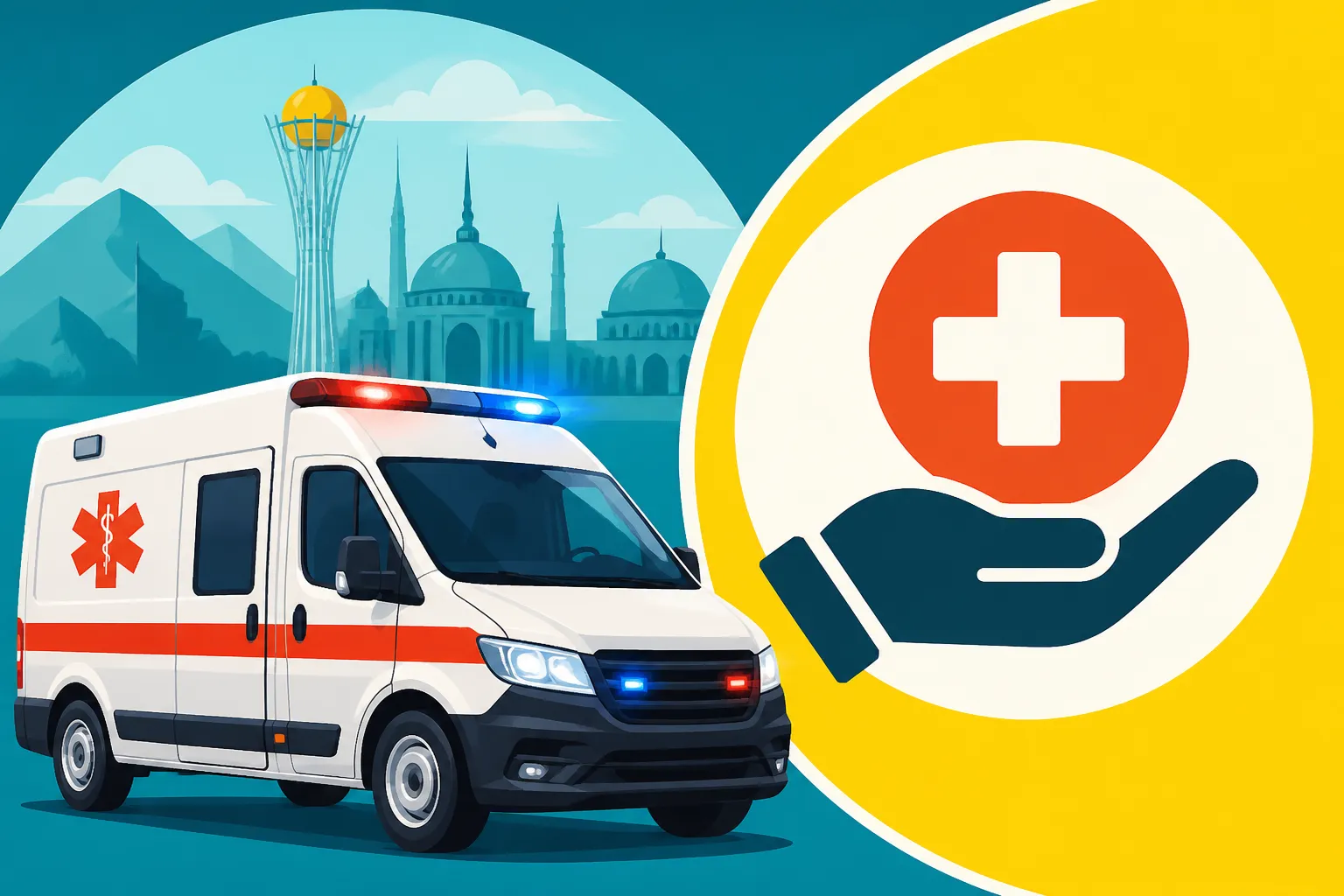
The primary emergency number for an ambulance in Kazakhstan is 103. This is the government-run service, and for citizens and officially registered residents with up-to-date Compulsory Social Health Insurance (OSMS), it is generally provided free at the point of use for true medical emergencies. However, the reality for expats can be a bit more complicated, and the term "free" needs careful unpacking.
Firstly, when you dial 103, you'll reach a dispatcher who may or may not speak English. This can be a huge hurdle in a crisis, leading to delays or misunderstandings about your location or the nature of the emergency. While the service should respond to any urgent call regardless of your insurance status initially, the coverage for the actual treatment and transport often relies on your OSMS contributions. If you're a tourist, a new expat who hasn't registered for OSMS yet, or someone whose contributions have lapsed, you might find yourself liable for costs later, even if the ambulance still comes. It's a critical detail that many foreigners overlook until they're in a vulnerable position. The service aims to stabilize and transport patients to the nearest suitable public hospital, known as a poliklinika or a specialized hospital depending on the condition. The quality of the vehicles and equipment can vary significantly from what you might be used to in your home country, especially outside of major cities like Almaty or Astana. While some ambulances are modern and well-equipped, others might be older and offer more basic care. Knowing how Kazakhstan's Health System Works: OSMS and Private Care Explained can help you understand the foundational differences.
Private Ambulance Services and Their Benefits
For many expats, especially those with comprehensive private health insurance, private ambulance services offer a compelling alternative to the public system. These services are decidedly not "free," but they often come with advantages that can be invaluable during an emergency. Private clinics and hospitals, particularly in major cities, often operate their own ambulance fleets. Providers like the private clinics in Almaty, such as Mediker or Interteach (though it's wise to check their current offerings, as services can change), often have dedicated emergency lines and promise faster response times, more modern equipment, and, crucially, English-speaking medical staff and dispatchers.
The primary benefit of a private ambulance is the enhanced level of service and communication. Imagine trying to explain complex medical symptoms or your exact location to a non-English speaking dispatcher while in pain or panic. With private services, you often get a smoother experience, from the initial call to arrival at a private hospital or a specific public hospital of your choice, provided the private ambulance service has agreements in place. This can make a world of difference when every second counts and clear communication is paramount. They also tend to have more advanced life support equipment on board and highly trained paramedics. This can be particularly reassuring for serious conditions where specialized care en route to the hospital is vital. If you're pondering Public vs Private Healthcare in Kazakhstan: What Expats Need to Know, this distinction in ambulance services is a major factor.
The Actual Costs: What to Expect
Now, let's get down to brass tacks: what kind of figures are we talking about when it comes to ambulance costs in Kazakhstan? This is where it gets a bit less straightforward, as there's no single fixed price, and your circumstances heavily influence the bill.
Public Ambulance Costs: The "Technically Free" Reality
As mentioned, the public 103 ambulance service is technically free at the point of use for those who are properly registered and contributing to OSMS. This means if you are employed in Kazakhstan, or are a self-employed individual who has correctly registered for OSMS and has kept up with your monthly contributions, your ambulance ride to a public hospital for an emergency should not incur a direct charge. The costs are absorbed by the state healthcare fund. If you need a refresher on How to Register for OSMS Health Insurance in Kazakhstan, it's worth checking.
However, the "reality" part comes in for those who aren't covered:
- Tourists and Short-Term Visitors: If you're in Kazakhstan on a tourist visa or a short-term visit without any local health coverage, the public ambulance service will respond to life-threatening emergencies. However, you will likely be billed for the service later. While the cost is significantly lower than private options, it's still a bill you'll receive. This is one of the situations where having robust travel insurance like SafetyWing becomes incredibly important. They often cover emergency medical expenses, including ambulance transport, for travellers and nomads.
- Expats Without OSMS: If you're a new expat still sorting out your residence permit and haven't registered for OSMS, or if your OSMS contributions have somehow lapsed, you'll be treated similarly to a tourist. The service will come, but expect a bill. This is a common point of confusion and frustration, as many assume any emergency service should be free. What Happens If I Get Sick Before I Register for OSMS in Kazakhstan? This is exactly why you need to know.
Based on informal reports and anecdotal evidence, the cost for a public ambulance service for an uninsured individual might range anywhere from 5,000 to 20,000 KZT, depending on the region and the level of intervention required. This is a very rough estimate and can fluctuate.
Private Ambulance Costs: A Clearer, Higher Price Tag
Private ambulance services, by their very nature, come with a direct cost. These services are aimed at those who prioritize speed, specific hospital access, and English-speaking medical personnel. The pricing is usually transparent, or at least provided upfront.
Estimated Costs for Private Ambulances:
- Basic Transport: For a non-emergency patient transfer within a city, or a straightforward emergency transport without extensive on-board medical procedures, you could be looking at 30,000 KZT to 70,000 KZT.
- Advanced Life Support (ALS) / Critical Care: If the patient requires advanced medical intervention, specialized equipment, or a doctor on board during transport, the costs can quickly escalate. Expect anywhere from 70,000 KZT to 150,000 KZT or more, especially for transfers between cities or very long distances.
- International Medical Evacuation: For extreme cases requiring transfer to a hospital outside Kazakhstan, these costs can run into thousands of US dollars, easily exceeding $10,000 USD depending on the destination, medical team required, and specialized aircraft. This is typically covered by high-tier international health insurance plans.
These are current estimates for 2024-2026, but like everything, prices are subject to change. It’s always best to confirm with the specific private provider if you have the presence of mind to do so, or have someone call on your behalf.
Factors Influencing the Final Bill
Several elements play into the final cost of an ambulance service, especially for private providers:
- Distance: A longer distance, particularly outside city limits, will naturally incur higher charges. Private services calculate fuel, personnel time, and wear-and-tear.
- Time of Day/Week: While less common for public services, some private providers might have slightly higher rates for night-time, weekend, or public holiday call-outs, though this isn't universally applied.
- Medical Procedures and Equipment Used: If the paramedics administer medication, perform CPR, use defibrillators, or provide other advanced life support en route, these consumables and services will be added to the bill.
- Medical Personnel Level: A basic ambulance crew might consist of two paramedics. If a doctor or specialized nurse is required for critical care transport, this adds to the cost.
- Type of Vehicle: A standard ambulance versus a specialized intensive care transport vehicle will have different pricing structures due to equipment and staffing.
- Hospital Destination: While usually not a direct cost from the ambulance service, some private ambulances may only transport to affiliated private hospitals, which can influence your overall medical expenses.
Health Insurance and Ambulance Coverage
This is where planning ahead truly pays off. Having the right health insurance in Kazakhstan can significantly mitigate or even completely cover ambulance costs, saving you from financial distress during an already trying time.
Compulsory Social Health Insurance (OSMS)
If you are legally employed or self-employed and contributing to OSMS, your emergency ambulance ride with the public 103 service to a public hospital should be fully covered. It's designed to be a fundamental part of the state healthcare system. However, OSMS typically does not cover private ambulance services unless it's a specific, pre-approved referral which is highly unlikely in an emergency situation.
It's absolutely vital to ensure your OSMS contributions are current. If you're employed, your employer is usually responsible for this, but it’s always wise to check your status via the eGov portal. For self-employed individuals, understanding Mandatory Health Insurance Contributions in Kazakhstan is crucial. If your contributions have lapsed, or you’re in a grace period, you could be on the hook for the costs.
Private and International Health Insurance
This is where many expats find peace of mind. Private health insurance, especially international plans, almost universally includes coverage for emergency ambulance services. This is a standard benefit because prompt medical transport is essential. When considering private health insurance plans in Kazakhstan, always look for explicit clauses regarding emergency medical evacuation and ambulance transport.
Many global providers, including flexible options like SafetyWing, offer plans designed with expats and digital nomads in mind. These plans typically cover emergency ground and air ambulance services to the nearest appropriate medical facility. Some even cover medical repatriation or evacuation back to your home country if the local facilities are insufficient.
What to check with your private insurance:
- Coverage Limits: Does your policy have a cap on ambulance costs per incident or per year?
- Direct Billing vs. Reimbursement: Will the insurance company pay the ambulance provider directly, or will you have to pay upfront and claim reimbursement? Direct billing is often preferred to avoid large out-of-pocket expenses.
- Network of Providers: Does your insurance have a network of preferred private ambulance services or clinics in Kazakhstan?
- Emergency Contact Number: Always have your insurance provider's 24/7 emergency assistance number handy. They can coordinate ambulance services and guide you through the process, especially if you're unconscious or unable to communicate effectively.
- Pre-authorization: For non-emergency transfers or inter-facility transfers (e.g., from one hospital to another), your insurance might require pre-authorization. Always call them if possible.
Having a robust international insurance policy, perhaps even from a provider like SafetyWing, means that should you need a private ambulance, the financial burden is significantly reduced, if not entirely removed. This allows you to focus on your health rather than the unexpected bill.
Here's a quick comparison of the typical ambulance options and their costs in Kazakhstan:
| Feature | Public Ambulance (103) | Private Ambulance Services |
|---|---|---|
| Emergency Number | 103 | Varies (Clinic/Hospital specific) |
| Primary Language | Russian/Kazakh (English often limited) | Often English-speaking staff available |
| Response Time | Can vary; faster for critical, slower for less urgent | Generally faster, especially in major cities |
| Equipment & Care Level | Varies; basic to modern (depends on region/vehicle) | Generally modern, advanced life support available |
| Cost (OSMS covered) | Free at point of use for registered OSMS contributors | Not covered by OSMS |
| Cost (Uninsured) | ~$10-40 USD (5,000-20,000 KZT) for basic transport | ~$65-325 USD (30,000-150,000 KZT) for basic-advanced |
| Hospital Destination | Nearest suitable public hospital | Patient's choice (private or public, within capabilities) |
| Coverage by Private Ins. | Generally not covered (unless no public alternative) | Often covered, check policy for direct billing/reimbursement |
What to Do in an Emergency
Facing a medical emergency is terrifying, but having a plan can make a critical difference. Here are actionable steps to take:
Before the Emergency Strikes
Preparation is key for expats. Don't wait until you're in distress to figure this out.
- Understand Your Insurance: Know precisely what your health insurance covers regarding ambulances. If you have OSMS, ensure your contributions are active. If you have private insurance (like SafetyWing), know your policy's limits, direct billing options, and, most importantly, the 24/7 emergency contact number. Make sure your dependants are also covered. Check How to Add Dependents to Your Health Coverage in Kazakhstan for more information.
- Learn Basic Phrases: Even a few basic phrases in Russian or Kazakh can be invaluable when calling 103, such as "Skoraya pomoshch'" (ambulance), "Mne plokho" (I feel bad), "Adres" (address), and "Govorite po-angliyski?" (Do you speak English?).
- Know Emergency Numbers: Memorize or save 103 for public ambulance and the emergency numbers for private clinics you trust in your area. For general emergencies, 112 is the universal number in Kazakhstan.
- Keep Important Documents Handy: Have your passport, residence permit, and insurance card readily accessible. In an emergency, first responders or hospital staff will ask for these.
- Inform Your Network: Make sure a trusted friend, colleague, or family member knows your emergency contacts, medical history, and insurance details.
- Locate Hospitals: Familiarize yourself with the major hospitals and clinics in your city, especially those with international departments or English-speaking staff. For Almaty, places like International SOS Clinic are often a first point of contact for many expats. You can learn more about How to Use Major Hospitals and Clinics in Almaty.
During a Medical Emergency
When an emergency happens, try to stay calm and act decisively.
- Call for Help Immediately:
- For life-threatening emergencies where speed is paramount and public care is acceptable, dial 103.
- If you have private insurance and prefer a private ambulance, call their dedicated emergency line or your insurance provider's 24/7 assistance number.
- Provide Clear Information:
- Location: Give a precise address, landmarks, and even street intersections if possible. Kazakhstan uses specific addresses, so be exact.
- Nature of Emergency: Describe the symptoms or situation clearly.
- Patient Details: Name, age, any known medical conditions, and if they speak English.
- Language: Ask if they speak English immediately. If not, try to find a local who can translate for you.
- Stay on the Line: Don't hang up until the dispatcher tells you to. They may need more information or to provide instructions.
- Prepare for Arrival: If possible, have someone wait outside to guide the ambulance crew. Gather your documents (passport, insurance, etc.).
- Communicate with the Crew: Once they arrive, clearly explain what happened. If there's a language barrier, use simple words or translation apps. Show your insurance card. If you have private insurance, try to inform them you'd prefer to go to a specific private hospital if your condition allows.
- Follow Instructions: Comply with the medical crew's advice and treatment. They are there to help.
Remember, in a true medical emergency, the priority is always saving a life. While the cost is a legitimate concern, the ambulance will come regardless. Understanding the financial implications beforehand simply empowers you to make informed decisions and reduces potential stress later.
Disclaimer
The information provided in this article is for general guidance only and does not constitute professional medical, legal, or financial advice. Healthcare costs and regulations in Kazakhstan can change rapidly. Always consult with a qualified professional for advice tailored to your specific situation. While efforts have been made to ensure accuracy, this guide should not be considered a substitute for official government or medical information.