Is Childbirth Free Under OSMS in Kazakhstan?
Oh, the joys and anxieties of bringing a new life into the world, especially when you're an expat in a foreign land! One of the biggest worries I hear from expectant parents in Kazakhstan is always about healthcare costs. The question of whether childbirth is "free" under the OSMS system is a huge one, and honestly, the answer isn't a simple yes or no. This guide is here to untangle the complexities of maternity care under Kazakhstan's Compulsory Social Health Insurance (OSMS) so you can navigate this incredible journey with a bit more peace of mind.
Understanding OSMS Coverage for Childbirth in Kazakhstan
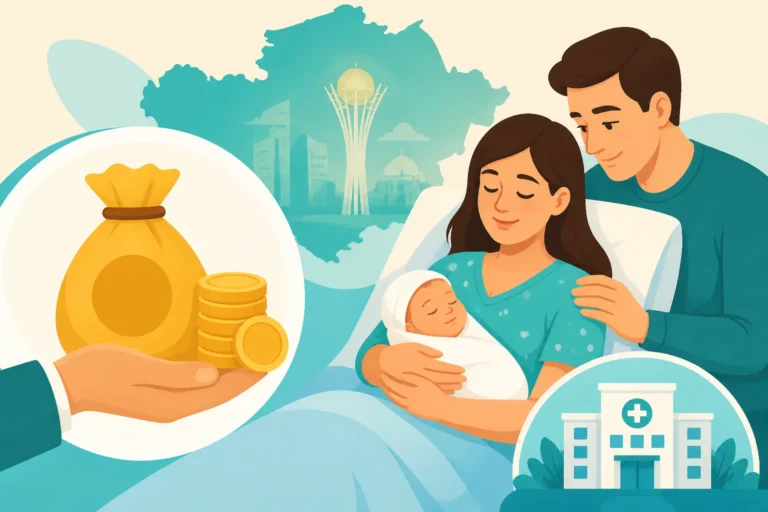
Let's cut right to the chase: if you are a contributing member of the OSMS system, then yes, comprehensive maternity and childbirth services are covered by your insurance. This is a massive relief for many, as it means you won't be facing astronomical out-of-pocket fees for essential care. However, it's crucial to understand that "covered" doesn't necessarily mean "free at the point of service" in the way some national health systems operate, and there are nuances, as there always are in Kazakhstan!
The Compulsory Social Health Insurance (OSMS) system, or Міндетті әлеуметтік медициналық сақтандыру (MÁMS) in Kazakh, is designed to provide a broad range of medical services to residents who make regular contributions. This includes everything from routine doctor visits to specialist consultations, hospital stays, and yes, extensive maternity care. For expats who are officially employed and paying into the system, or those registered as individual entrepreneurs and making their contributions, this coverage is a cornerstone of their healthcare access. You can find more details on how to get started with this in our guide on how to register for OSMS health insurance in Kazakhstan (2026).
It's really important to ensure your OSMS contributions are up-to-date and consistently paid. If there are gaps in your contributions, you might find yourself in a tricky situation, potentially needing to pay outstanding amounts or being relegated to emergency-only care until your status is regularized. This is a common pitfall for newcomers or those transitioning between employment statuses, so always double-check your payments via the eGov portal or a local bank like Kaspi or Halyk Bank. Think of your OSMS payments as an investment in your family's future health security here.
Who is Eligible for OSMS Maternity Benefits?
Eligibility for OSMS maternity benefits hinges on your status as a contributing participant. This means you, or your employer on your behalf, have been consistently paying the mandatory monthly contributions to the Social Health Insurance Fund (Medical Social Insurance Fund, or MSIF). For employed expats, your employer is responsible for deducting and remitting these contributions. If you're self-employed or an individual entrepreneur (IP), you are responsible for making your own payments.
The critical factor is often consistency. If you've just arrived and haven't yet started contributing, or if there's been a significant break in your payments, you might not immediately qualify for the full range of OSMS services, including non-emergency maternity care. It's a system that works on continuous contributions. For instance, if you get pregnant shortly after arriving and before establishing a consistent contribution history, you could face limitations. This is a common scenario I've seen among friends who moved here, and it's a huge source of stress. Getting registered and understanding mandatory health insurance contributions in Kazakhstan is paramount early on.
It’s also worth noting that the baby, once born, will also need to be registered under the healthcare system. Generally, newborns are covered under the mother's OSMS for a certain period, and then you'll need to register them officially for their own coverage, which usually happens when you apply for their birth certificate and IIN. This integration of family members into the system is usually straightforward once the main breadwinner is properly enrolled.
Navigating the Maternity Journey: What OSMS Covers (and Doesn't Always)
Once you're eligible and your OSMS is active, the system is quite comprehensive in covering the critical aspects of maternity care. This is where the term "free" truly feels like a blessing, because these costs can add up quickly without insurance. OSMS covers the standard package of care, ensuring that you and your baby receive necessary medical attention throughout your pregnancy, during delivery, and in the immediate postpartum period.
Let's break down what's generally included:
- Prenatal Care: This is extensive and covers regular check-ups with an obstetrician-gynecologist (OB-GYN) at your assigned poliklinika (local clinic). It includes routine blood tests, urine tests, and a set number of ultrasound scans deemed medically necessary. Your doctor will establish a schedule of visits based on your pregnancy stage and individual needs.
- Delivery Services: Whether you have a natural birth or require a C-section, the costs associated with the delivery itself are covered. This includes the medical team (doctors, nurses, anesthesiologists if needed for an epidural or C-section), the use of the delivery room, and the necessary medical supplies.
- Hospital Stay: Post-delivery, your stay in the maternity ward for both you and your newborn is covered for the standard period, which is typically a few days for a natural birth and slightly longer for a C-section. This covers your bed, meals, and basic nursing care.
- Postnatal Care: Follow-up visits for the mother after discharge and initial check-ups for the newborn are also included. This ensures that both mother and baby are recovering well and addressing any immediate concerns.
For a deeper dive into the specifics of what's covered for new parents, you can refer to our article on understanding maternity and prenatal care in Kazakhstan.
The Specifics: What "Covered" Really Means
While the core services are covered, it's important to understand where the nuances lie. "Free" might not extend to every single preference or non-essential item. Here are some areas where you might encounter additional costs or differences:
- Elective Services and Upgrades: If you desire a private room in a public maternity hospital, or wish to choose a specific, highly sought-after doctor outside of your assigned team, these might come with additional fees. Some public hospitals offer "comfort" rooms or enhanced services for a charge, even if the medical care itself is covered. These are not typically part of the standard OSMS package.
- Specialized or Experimental Tests: While routine tests are covered, if your doctor recommends or you request highly specialized or experimental diagnostic tests that are not part of the standard OSMS protocol, these could be out-of-pocket expenses. Always clarify with your doctor and the poliklinika administration if a particular test falls under OSMS coverage or requires separate payment.
- Private Maternity Clinics: Many expats, myself included, sometimes opt for private maternity clinics for a more personalized experience, English-speaking staff, shorter wait times, and potentially more luxurious facilities. While OSMS might cover some basic services if the private clinic has a contract with the state fund, it generally does not cover the full cost of private maternity packages. This is a choice you'll have to weigh, considering the extra cost versus the comfort and convenience. We have a detailed article comparing Public vs Private Healthcare in Kazakhstan What Expats Need to Know and also How to Choose Between Public and Private Maternity Care in Kazakhstan.
- Medications and Supplies: While necessary medications during your hospital stay are covered, if you need specific, expensive medications post-discharge or choose particular brands of supplements, these might be your responsibility. Similarly, personal items for your stay like diapers, wipes, and specific baby care products are usually purchased by the parents.
It's always a good idea to have a thorough discussion with your OB-GYN and the hospital administration about what exactly is included in your OSMS coverage for maternity, especially as you get closer to your due date. Don't be shy about asking questions; it's your right to understand your healthcare options.
| Service Category | OSMS Coverage (General) | Potential Out-of-Pocket Costs (Examples) |
|---|---|---|
| Prenatal Care | Routine check-ups, standard blood/urine tests, 3-4 ultrasounds | Non-standard or elective diagnostic tests, advanced genetic screenings, specific brand vitamins/supplements, private clinic prenatal packages |
| Delivery | Natural birth, C-section (medically indicated), anesthesiology (epidural), medical team, delivery room use | Elective C-section (if not medically necessary and not part of private package), specific doctor choice in public hospital, non-standard pain relief options |
| Hospital Stay | Standard ward room, basic nursing care, meals, newborn care for standard duration | Private room upgrades, extended stay for non-medical reasons, extra amenities in hospital, personal comfort items |
| Postnatal Care | Follow-up visits for mother, initial newborn check-ups | Home nurse visits, lactation consultant if not provided by poliklinika, specialized postpartum therapies, non-standard infant formula |
This table provides a general overview, but always confirm with your specific poliklinika or chosen maternity hospital.
Practical Steps and Alternative Options for Expats
Navigating the Kazakhstani healthcare system, especially for something as significant as childbirth, can feel daunting. But with a bit of planning and understanding the steps, you can ensure a smooth experience. My friends and I have learned these lessons, sometimes the hard way, so I'm here to share the practicalities.
Essential Steps for OSMS Maternity Care
- Ensure Active OSMS Status: This is step one. Before anything else, confirm your OSMS contributions are current. You can check your status on the eGov portal or through the Fond Sotsialnogo Meditsinskogo Strakhovaniya (Social Health Insurance Fund) website. If there are any gaps, address them immediately. For employees, your HR department should be able to assist.
- Register with a Poliklinika: You need to be registered with a local poliklinika (poly-clinic) in your area of residence. This is your gateway to primary healthcare and specialist referrals. Once registered, you’ll be assigned a general practitioner or family doctor, who will then refer you to an OB-GYN within that poliklinika or to a maternity clinic it's affiliated with. Learning how to choose and register with a clinic (poliklinika) in Kazakhstan is a crucial early step.
- Find Your OB-GYN: At your poliklinika, you'll register with an obstetrician-gynecologist. This will be your primary doctor throughout your pregnancy for all routine check-ups and monitoring. Building a good relationship with them is key, even if there's a language barrier (a good translator, often a friend or colleague, can be a lifesaver here). You can also look into how to find and register with a doctor in Kazakhstan for more guidance.
- Regular Check-ups and Documentation: Attend all your scheduled prenatal appointments. The poliklinika will maintain your medical records, including your obmennaya karta (exchange card), which is essentially your pregnancy passport. This document is incredibly important and you must carry it with you, especially closer to your due date, as it contains all your critical medical information for the maternity hospital.
- Hospital Assignment: Towards the end of your pregnancy, your OB-GYN will likely refer you to a specific maternity hospital (roddom) based on your residence and any specific medical needs. This is where you will deliver. It's often good practice to visit the assigned roddom beforehand to get acquainted with the facility.
Remember, the system works through referrals. You can't just walk into any maternity hospital and expect OSMS coverage for a non-emergency delivery without prior registration and referral from your poliklinika.
Considering Private Healthcare and Insurance
Even with comprehensive OSMS coverage, some expats prefer the private route for maternity care. This could be due to language preferences (many private clinics have English-speaking staff), a desire for a consistent doctor throughout the pregnancy and delivery, or simply a preference for modern facilities and a more "hotel-like" experience.
Leading private clinics in cities like Almaty and Astana, such as the Central Clinical Hospital (Sovminka) or private departments within larger medical centers, offer comprehensive maternity packages. These packages typically cover all prenatal visits, a set number of ultrasounds, delivery (including C-sections), and a private hospital stay. The cost for these can range significantly, but they offer a different level of service and comfort. You can learn more about Understanding the difference between public and private hospitals in Kazakhstan.
For those considering private options, or if you're in the early stages of your expat journey and don't yet have full OSMS coverage, international private health insurance can be a crucial safety net. Companies like SafetyWing offer flexible plans that can cover emergencies and some medical needs, which could be invaluable during the initial period. While SafetyWing is more known for travel and digital nomad insurance, some of their long-term expat health plans might provide options for maternity coverage, though often after a waiting period. It's always essential to read the policy details thoroughly, especially concerning waiting periods for maternity benefits, as these can be substantial (e.g., 10-12 months) with any private insurer. This is why having private health insurance as a newcomer in Kazakhstan is something many consider.
Choosing between OSMS-covered public care and private options depends heavily on your budget, preferences, and individual circumstances. Both routes can lead to excellent care, but understanding the financial and logistical differences is key to making the best decision for your family. The cost of healthcare in Kazakhstan: a complete breakdown for foreigners (2026) can help you weigh these options.
Disclaimer
The information provided in this guide is for general informational purposes only and does not constitute medical or legal advice. Healthcare policies, regulations, and costs in Kazakhstan can change. Always consult with official sources, healthcare providers, and legal professionals for the most accurate and up-to-date information regarding your specific situation and eligibility for OSMS or private healthcare services. While we strive to provide accurate information, individual circumstances may vary.