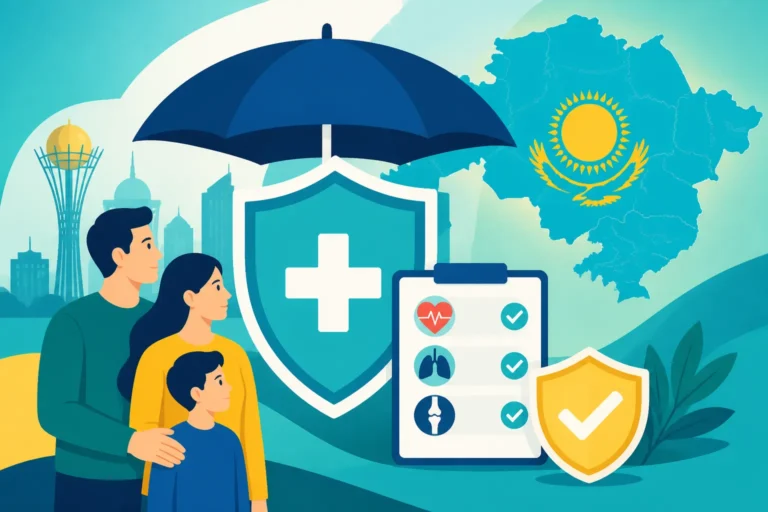
What Is Covered by OSMS in Kazakhstan?
Navigating a new country's healthcare system can feel like trying to decipher an ancient scroll, and Kazakhstan is no exception. Many expats, especially those employed locally, find themselves enrolled in the Compulsory Social Health Insurance (OSMS) scheme but are left scratching their heads, wondering exactly what services it covers and what hurdles they'll face. This guide aims to clear up that confusion, giving you a realistic picture of what to expect from OSMS.
Understanding the Basics of OSMS Coverage
First things first, let's cut through the jargon. OSMS, or Obyazatelnoe Sotsialnoe Meditsinskoe Strahovanie (Mandatory Social Health Insurance), is Kazakhstan's national healthcare funding system. It's designed to provide a comprehensive package of medical services to all residents who contribute to the fund, whether through employment, self-employment, or government subsidies. Think of it as the bedrock of the public healthcare system here. For many expats working in Kazakhstan, especially with local contracts, contributing to OSMS is mandatory, and your employer usually handles the deductions and payments for you.
However, the reality of OSMS isn't always as straightforward as "it covers everything." You see, it's a two-tiered system. There’s the Guaranteed Volume of Free Medical Care (GVFMC), which covers basic emergency services and some socially significant diseases for everyone, regardless of OSMS contributions. Then there's the OSMS package, which expands significantly on the GVFMC, offering a much broader range of planned medical care, specialist consultations, and diagnostic tests. It’s this second tier where the bulk of expat interactions with the system will occur.
Many new arrivals often ask, "How Do I Register for OSMS in Kazakhstan?" The process typically involves ensuring your Individual Identification Number (IIN) is correctly registered and linked to your employment or self-employment status. Once you're registered and contributions are being made, you become an "active" participant, opening up access to the full spectrum of OSMS services. It’s vital to confirm your status, as being "inactive" means you'll only be eligible for emergency care under GVFMC, which can lead to significant out-of-pocket expenses for anything beyond urgent treatment.
What OSMS Actually Covers: A Detailed Breakdown
So, what exactly can you expect OSMS to cover when you're an active participant? The scope is quite broad, touching upon many aspects of routine and specialized medical care. It's designed to ensure that essential health services are accessible without crippling financial burdens.
Primary Healthcare and General Practitioner Services
Your first port of call in the OSMS system is always your local polyclinic, often referred to as a poliklinika. This is where you'll register with a general practitioner (GP) or family doctor. OSMS covers all consultations, examinations, and basic diagnostic procedures performed by your GP. This includes routine check-ups, managing chronic conditions, issuing sick notes, and providing initial referrals to specialists. Think of your polyclinic as your medical home base.
The idea is that your GP will manage most of your common health needs, acting as a gatekeeper for more specialized care. This is a crucial difference from some Western systems where you might directly book an appointment with a specialist. In Kazakhstan, your GP referral is generally required to access specialist consultations under OSMS. If you're wondering "How to Choose and Register with a Clinic (Poliklinika) in Kazakhstan," it's usually based on your residential address, though you can often choose if you have a preference within your district.
Specialist Consultations and Diagnostic Tests
Once your GP gives you a referral, OSMS covers consultations with a wide array of specialists, including cardiologists, endocrinologists, neurologists, gastroenterologists, and many others. This is a huge benefit, as private specialist consultations can add up quickly. It also covers common diagnostic tests such as blood tests, urine tests, X-rays, ultrasounds, and sometimes more advanced imaging like MRI or CT scans, again, provided they are deemed medically necessary by a referring physician.
However, it's important to understand that waiting times for non-emergency specialist appointments and certain high-demand diagnostic tests can be a factor in the public OSMS system. While the government strives to minimize these, the reality in bustling cities like Almaty or Astana might mean a few weeks' wait for a routine specialist visit. This is where some expats consider supplementing their OSMS with private health insurance for quicker access or specific clinics.
Hospitalization and Surgical Interventions
If you require hospitalization, whether for an acute illness, injury, or planned surgery, OSMS generally covers the costs. This includes the hospital stay, nursing care, necessary medications administered during your stay, and the surgical procedure itself. This is a significant relief, as hospital bills can be astronomical without coverage.
For example, if you suddenly develop appendicitis, your emergency surgery and subsequent recovery in a public hospital would be covered. The same applies to more complex, planned surgeries. OSMS aims to ensure that no one is left without critical care due to financial constraints. However, be aware that while the medical aspects are covered, you might find that basic amenities in public hospitals, like private rooms or specific comfort items, are not included and would be an extra charge if available.
Maternity and Child Healthcare
OSMS offers comprehensive coverage for expectant mothers and children. This includes prenatal care (regular check-ups, necessary tests, and screenings), childbirth (both natural and C-section deliveries), and postnatal care. For your little ones, OSMS covers routine pediatric check-ups, vaccinations according to the national schedule, and treatment for childhood illnesses. If you're planning a family or have young children, this aspect of OSMS is particularly reassuring.
For a deeper dive, you might want to look into "Understanding Maternity and Prenatal Care in Kazakhstan." It's good to know that the focus is on providing safe and effective care for both mother and child throughout this crucial period.
Emergency Medical Care
While the Guaranteed Volume of Free Medical Care (GVFMC) covers absolute emergencies for everyone, OSMS provides a more robust safety net. This means that if you have an accident or suddenly fall ill, requiring immediate attention, ambulance services, and emergency room treatment at public hospitals are covered. This is for life-threatening situations where delay could cause serious harm.
It's a huge relief to know that if you have a medical crisis, you won't be turned away or face immediate demands for payment. Just dial 103 for an ambulance, or head to the nearest emergency department.
Prescription Medications (Limited Scope)
Here's where it gets a bit nuanced. OSMS does cover some prescription medications, particularly those for socially significant diseases (like diabetes, tuberculosis, some cancers, and mental health conditions) and those administered during hospitalization. However, for many common illnesses or chronic conditions, you will typically be responsible for the cost of your medications purchased from a pharmacy.
This is a key area where expats sometimes get caught out. Always clarify with your doctor if a prescribed medication is on the OSMS reimbursement list. For general prescriptions, you'll be paying out-of-pocket, though it's worth noting that "Are Prescription Medications Expensive in Kazakhstan?" often yields a pleasant surprise, as many medications are considerably more affordable than in Western countries.
Limitations and What OSMS Doesn't Cover
While OSMS provides extensive coverage, it's crucial to understand its limitations. No system covers absolutely everything, and knowing where the boundaries lie can help you plan your healthcare strategy in Kazakhstan.
Elective Procedures and Cosmetic Treatments
This one is fairly universal across public healthcare systems: OSMS does not cover purely elective procedures or cosmetic treatments. This includes things like cosmetic surgery, teeth whitening, or any medical intervention not deemed medically necessary for your health and well-being. If you want a nose job or extensive dental veneers, you'll be footing the bill privately.
Most Dental Care and Optometry
This is another significant area where OSMS has limited reach. Routine dental check-ups, fillings, extractions (unless emergency for pain relief), root canals, braces, and most other dental work are generally not covered by OSMS. You'll need to pay for these services yourself. The same largely applies to optometry; eye exams and prescription glasses or contact lenses are usually out-of-pocket expenses.
There might be very limited exceptions for severe, emergency dental issues, but for day-to-day dental hygiene and care, plan to use private dentists. If you're concerned about costs, checking "How Much Does Dental Treatment Cost in Kazakhstan?" can give you a clearer picture.
Experimental Treatments and Alternative Medicine
OSMS focuses on evidence-based medicine. Therefore, experimental treatments, unproven therapies, or alternative medicine practices (like acupuncture, homeopathy, or traditional healing methods, unless specifically integrated into public health programs) are typically not covered. If you choose to explore these avenues, it will be at your own expense.
Travel Insurance and Out-of-Country Care
This is a critical point for expats who travel frequently. OSMS is designed for healthcare within Kazakhstan. It does not provide coverage for medical emergencies or treatments you receive when you are outside the country. If you're a globetrotter, whether for business or leisure, you absolutely need to secure separate international travel insurance. This is where options like SafetyWing become invaluable. They offer comprehensive travel medical insurance that can cover you for unforeseen illnesses or accidents while you're abroad, or even back home for short visits, providing a safety net that OSMS simply can't.
It’s about understanding that while OSMS covers your life in Kazakhstan, your adventures beyond its borders require a different kind of protection. Even for digital nomads who might be residents of Kazakhstan for tax purposes but spend much of their time moving around, SafetyWing offers flexible global health insurance solutions that complement or fill the gaps where OSMS isn't applicable.
Specific Medical Devices or Non-Essential Supplies
While OSMS covers many aspects of care, certain non-essential medical devices or supplies might not be fully covered. For instance, while a necessary wheelchair would likely be covered, a top-of-the-line, customized model with extra features might require a co-payment. Similarly, specialized braces or non-standard prosthetics could fall into this category. Always check with your treating physician and polyclinic administration about specific coverage for such items.
Navigating OSMS and Supplementary Options for Expats
Understanding OSMS is one thing; navigating it as an expat can be another. The system, while comprehensive in its intent, can sometimes present challenges in terms of language barriers, administrative processes, and wait times.
Registering and Ensuring Active Status
The absolute first step is to ensure you are properly registered for OSMS and that your contributions are being made. If you are employed, your employer is responsible for this. Don't just assume; confirm with your HR department. You can check your OSMS status through the e-government portal (eGov.kz) or by visiting a local Public Service Center (ЦОН – CSON). Being an active contributor is paramount to accessing the full range of benefits. For detailed steps, refer to "How to Register for Compulsory Social Health Insurance (OSMS) in Kazakhstan."
It’s not uncommon for new expats to experience a delay between starting work and becoming an active OSMS participant. During this interim period, having private health insurance, like some expat-focused plans or even a travel medical insurance provider such as SafetyWing, can provide essential coverage for unexpected medical needs. It’s better to be safe than sorry when you’re in those initial weeks or months of getting set up.
The Role of Your Polyclinic and Referrals
Your assigned polyclinic is your gateway to the OSMS system. Get to know it, and understand the process for making appointments. You will almost always need a referral from your GP to see a specialist. Don't expect to just walk into a cardiology department at a public hospital without one. This system helps manage resources and ensures you get appropriate care.
For routine appointments, you often need to call ahead or use an online booking system, if available. Understanding "How Specialist and Hospital Referrals Work in Kazakhstan" is key to smooth sailing within the system.
Understanding Out-of-Pocket Costs and Co-Payments
While OSMS covers a vast amount, there can still be "Understanding Out-of-Pocket Healthcare Costs and Co-Payments in Kazakhstan." These are usually for specific services not fully included, or for upgrading certain aspects of care, like choosing a private room in a public hospital, if available. Always ask upfront about potential costs. Don't be shy; clarity now can prevent surprises later.
Here's a simplified table to help illustrate common OSMS coverage:
| Service Category | OSMS Coverage (Active Participant) | Typical Out-of-Pocket Scenarios |
|---|---|---|
| Primary Care (GP Visits) | Fully Covered | N/A |
| Specialist Consultations | Fully Covered (with GP referral) | Without referral, private clinics |
| Diagnostic Tests (X-ray, Ultrasound) | Fully Covered (with GP referral) | Without referral, private clinics, some advanced tests |
| Hospitalization | Fully Covered (stay, meds, surgery) | Private room upgrades, non-essential comfort items |
| Emergency Care | Fully Covered (ambulance, ER treatment) | N/A |
| Maternity & Childbirth | Fully Covered (prenatal, delivery, postnatal) | Elective services, private amenities in public hospitals |
| Child Vaccinations | Fully Covered (national schedule) | Optional/non-standard vaccines |
| Prescription Medications | Covered for specific conditions (e.g., chronic diseases, during hospital stay) | Most common medications, over-the-counter drugs |
| Dental Care | Minimal (emergencies for pain relief) | Routine check-ups, fillings, cosmetic dentistry |
| Optometry | Limited (some disease-related exams) | Routine eye exams, glasses, contact lenses |
| Elective/Cosmetic Procedures | Not Covered | Full cost |
| Foreign Travel Medical Care | Not Covered | Need separate travel insurance like SafetyWing |
Complementary Private Health Insurance
Many expats choose to supplement their OSMS coverage with private health insurance. This often allows for direct access to private clinics, English-speaking doctors (which can be a huge comfort!), shorter wait times, and sometimes access to facilities with more amenities. It can also provide coverage for services that OSMS doesn't, like comprehensive dental care or a broader range of medications.
If you're weighing your options, consider "Public vs Private Healthcare in Kazakhstan: What Expats Need to Know." It truly comes down to personal preference, budget, and how much control and speed you want in your healthcare experience. For those who prioritize flexibility and direct access, a good private plan might be the right choice to enhance the foundational coverage provided by OSMS.
All in all, OSMS is a robust system designed to provide essential healthcare services, and for many expats, it's their primary safety net. Understanding its scope and limitations is key to making the most of your time in Kazakhstan.
Disclaimer
The information provided in this article is intended for general guidance and informational purposes only, and does not constitute professional medical, legal, or financial advice. Healthcare policies and regulations in Kazakhstan, including OSMS coverage, can change. While we strive to keep the information up-to-date and accurate, readers should verify current details with official government sources, healthcare providers, or qualified professionals. Always seek the advice of a medical professional for any health concerns or before making any decisions related to your health or treatment.