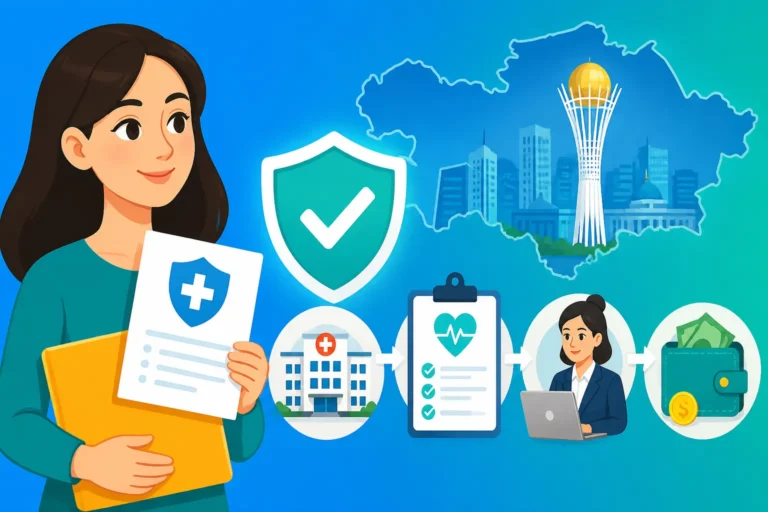
Understanding the Difference Between Public and Private Hospitals in Kazakhstan
Oh, the joys of navigating a new country’s healthcare system! If you’ve just arrived in Kazakhstan, you’re probably already scratching your head about everything from securing an IIN to finding a decent cup of coffee. But when it comes to your health, the confusion surrounding public versus private hospitals can feel like a genuine headache, especially when you’re unwell and just want straightforward answers. You're not alone in feeling overwhelmed – many of us expats have been there, trying to figure out where to go when sniffles turn into something more serious. This guide is here to untangle the differences between public and private hospitals in Kazakhstan, so you can make informed decisions about your medical care without the extra stress.
The Lay of the Land: Kazakhstan's Dual Hospital System
Kazakhstan, like many countries, operates with a dual healthcare system, offering both public and private options. For a newcomer, understanding where each fits into your personal healthcare journey is absolutely crucial. It’s not just about cost; it’s about access, quality of care, language support, and the overall experience when you’re at your most vulnerable.
Public Hospitals: The Backbone of State Healthcare
Public hospitals are the workhorses of Kazakhstan's healthcare system. They're primarily funded by the state, largely through the Compulsory Social Health Insurance (OSMS) scheme, which is mandatory for most residents, including working expats. Think of them as the national safety net, designed to provide essential medical services to the general population. If you’re formally employed here, chances are you’re contributing to OSMS, and public hospitals are where that insurance is primarily utilized.
When you're registered with a local poliklinika (poly-clinic), which acts as your primary care provider, any referrals for specialist care or hospital admission will typically direct you to a public hospital within your designated district. This system is designed to manage patient flow and ensure everyone has access to care. For example, if you wake up with a nasty cough that won't go away and your polyklinika doctor suspects pneumonia, they would refer you to a public hospital for further tests or admission. The sheer scale of public hospitals means they handle a vast array of conditions, from routine surgeries to complex medical treatments, and they are usually equipped to handle high volumes of patients. While the facilities might not always be the newest or most gleaming, the medical staff are generally highly trained and dedicated, working within the resources available to them.
Private Hospitals: Offering Alternatives and Specialised Care
On the flip side, private hospitals in Kazakhstan offer an alternative experience, often catering to those who prioritize speed, comfort, and direct access to specialists. These institutions are funded differently, relying on out-of-pocket payments, or more commonly for expats, private health insurance. Whether it's a local private plan or international coverage like that provided by SafetyWing, these policies unlock the doors to private care.
Private hospitals tend to be newer, more modern, and focus heavily on the patient experience. They often boast advanced medical equipment, comfortable waiting areas, private rooms, and a higher staff-to-patient ratio. The biggest draw for many expats is the reduced wait times for appointments and the ability to directly book consultations with specialists without needing a referral from a polyklinika. For instance, if you suddenly need to see a dermatologist for an urgent skin issue or an orthopedist for a sports injury, a private clinic or hospital might allow you to book an appointment within a day or two, sometimes even the same day, rather than waiting weeks. They market themselves on efficiency and a more personalized approach, which can be a huge relief when you’re dealing with health concerns in a foreign land.
Funding Your Care: OSMS vs. Private Pockets
The method of payment is arguably the most significant differentiator between public and private hospitals. It directly impacts your access, the range of services you receive, and ultimately, your wallet. Getting this sorted out before you need medical attention is a wise move, trust me.
Navigating OSMS in Public Institutions
If you're legally employed in Kazakhstan, whether by a local company or a foreign one with a Kazakhstani entity, you’re almost certainly contributing to the Compulsory Social Health Insurance (OSMS). This is the primary funding mechanism for public healthcare. How to Register for Compulsory Social Health Insurance (OSMS) in Kazakhstan explains this process in detail, but in essence, your employer makes contributions on your behalf (or you do, if self-employed), granting you access to a wide range of services in public polyklinikas and hospitals.
For instance, if you're covered by OSMS, a visit to your assigned polyklinika, a consultation with a specialist (once referred), basic diagnostic tests, and even emergency hospitalization at a public hospital would typically be covered. However, it's crucial to understand that OSMS has its limits. While it covers essential services, some specific procedures, advanced diagnostic tools, or higher-end medications might still require out-of-pocket payments, even in public settings. It's not uncommon to find yourself covering the cost of certain medical consumables or specialized scans that fall outside the standard OSMS package. This can be a bit of a surprise, so always confirm what is and isn't covered for any recommended treatment. Navigating these nuances can sometimes feel like a maze, so being proactive with questions is key.
The Role of Private and International Health Insurance
For those who prefer the flexibility and added comfort of private care, private health insurance is your golden ticket. This can be a local policy purchased within Kazakhstan or an international plan, such as those offered by SafetyWing, which many global nomads and expats find convenient due to their worldwide coverage. These plans allow you to bypass the OSMS system (for private services) and directly access private clinics and hospitals.
When you have private insurance, the process is generally smoother. You usually present your insurance card, and the hospital will either bill your insurer directly (a huge relief!) or you pay upfront and claim reimbursement later. Imagine you need an MRI scan urgently for a suspected knee injury. With good private insurance, you could walk into a private diagnostic center or hospital, get your scan, and have your insurer handle the bill, or submit the paperwork for reimbursement. This avoids the often lengthy referral process and potential waiting lists you might encounter in the public system. Understanding Private Health Insurance Plans in Kazakhstan delves deeper into choosing the right policy. It's truly a game-changer for many expats, offering peace of mind that when something serious comes up, you'll have swift access to a higher standard of immediate care without worrying about unexpected costs.
Service Quality and Patient Experience: A Closer Look
The quality of service and overall patient experience can vary quite a bit between public and private institutions. This isn't to say one is inherently "better" in all aspects, but rather that they offer different environments and levels of comfort.
Expectations at Public Hospitals
Stepping into a public hospital in Kazakhstan often means entering a bustling environment. Facilities, while functional, might appear older, and equipment might not always be state-of-the-art compared to what you’re used to in Western countries. Patient rooms might be shared, and amenities are generally basic. Language can also be a significant barrier; while medical staff are highly competent, English proficiency isn't a given, especially outside of major cities. This means relying on translation apps, a kind friend, or a hired interpreter, which adds another layer of stress during an already vulnerable time.
Wait times are another common complaint. For non-emergency consultations or diagnostic tests, you might experience significant delays. For instance, getting a routine check-up through your polyklinika, and then a referral to a specialist for a follow-up, can take several weeks of appointments and waiting. This isn't due to negligence but often a consequence of the high volume of patients and resource constraints. However, it's essential to acknowledge the incredible dedication of the medical staff. Doctors and nurses in public hospitals work tirelessly, often under pressure, providing care to the masses. They are experienced and proficient, particularly in managing common illnesses and emergencies. Navigating the Kazakhstani Healthcare System: An Expat's Roadmap (2027) shares more on preparing for these realities.
The Private Hospital Experience
In contrast, private hospitals in Kazakhstan strive to offer a more comfortable and efficient patient experience. You'll typically find modern, well-maintained facilities, often with aesthetically pleasing interiors designed to feel less clinical. Advanced diagnostic and treatment equipment is common, reflecting significant investment. Crucially for expats, many private hospitals and clinics, especially in Almaty and Astana, employ English-speaking doctors and support staff, or at least have designated staff members available for international patients. This dramatically reduces communication hurdles and allows for clearer understanding of diagnoses and treatment plans. How to Find an English-Speaking Doctor in Kazakhstan is a great resource if this is a priority for you.
Wait times are significantly shorter, and appointments can often be made on very short notice. The patient flow is generally more streamlined, meaning less time spent in waiting rooms. You're more likely to have private or semi-private rooms, and there's a greater emphasis on personalized care and patient comfort. For example, if you need a minor surgical procedure, you might find yourself in a private room with a dedicated nurse, clear communication about your recovery, and prompt follow-up. This premium experience, however, comes at a higher cost, which is why robust private health insurance, like SafetyWing, becomes indispensable for many who choose this route.
Accessing Specialists and Emergency Services
Understanding how to access specialist care and what to expect in an emergency is critical for any expat. The pathways often diverge significantly between public and private systems.
Specialist Referrals in the Public System
In the public healthcare system, your journey to a specialist almost always begins at your local poliklinika. Your general practitioner (GP) there acts as the gatekeeper, assessing your condition and, if deemed necessary, providing a referral to a specialist within the public hospital network. This ensures that only appropriate cases reach specialists, optimizing resource allocation.
For instance, if you have persistent stomach issues, your GP at the polyklinika would conduct initial tests. If they suspect a condition requiring a gastroenterologist, they would issue a referral. This referral process can sometimes be slow, with waiting lists for popular specialists or specific diagnostic tests. You might have to visit the polyklinika multiple times to get the necessary paperwork in order, which can be frustrating. It's a system built on tiered access, ensuring primary care addresses as much as possible before escalating to secondary care. For more on this, check out How Specialist and Hospital Referrals Work in Kazakhstan. This methodical approach means you need to be patient and prepared for administrative steps, but it also ensures a structured path to care.
Direct Access and Emergency Care in Private Hospitals
One of the biggest advantages of private hospitals and clinics is the ability to directly schedule appointments with specialists. This means no polyklinika referral is needed for many services. If you know you need to see an ENT specialist for recurring ear infections, you can simply call a private hospital or clinic and book an appointment directly, often within days. This speed and directness are highly valued by expats, especially for conditions that aren't emergencies but require prompt attention.
When it comes to emergencies, the distinction is slightly different. For life-threatening situations, such as severe accidents, heart attacks, or strokes, the public emergency services (calling 103 or 112) will dispatch an ambulance to the nearest public emergency hospital, regardless of your insurance. These public hospitals are generally best equipped and staffed to handle major trauma and critical care due to their extensive resources and experience with a wide range of critical conditions. However, for less severe emergencies, like a broken bone that isn't openly compound, a deep cut requiring stitches, or a sudden, severe fever, many private hospitals offer emergency departments or urgent care clinics. These can provide faster treatment in a more comfortable setting. For example, if your child falls and clearly breaks an arm, going to a private hospital's emergency department might get you seen, X-rayed, and casted much quicker than the public system, provided your insurance covers it. It's vital to understand the difference between public and private emergency responses; Emergency Medical Care in Kazakhstan: What Every Expat Needs to Know and Understanding Emergency Numbers (103 and 112) and Ambulance Care in Kazakhstan offer critical insights.
Cost Implications and Value for Money
Let's talk about the elephant in the room: money. Healthcare costs can be a major concern anywhere, and Kazakhstan is no exception. Understanding where your money goes and what value you get in return is paramount.
Understanding Costs in Public Hospitals
While OSMS covers a significant portion of healthcare in public hospitals, calling it "free" is often misleading. As mentioned, there can be out-of-pocket expenses for certain medications, specific medical supplies, or advanced procedures not fully subsidized by the state. For expats without OSMS coverage (e.g., tourists, or those initially uninsured), public hospitals will charge full fees, which can still be quite substantial, though often less than private options.
For example, a standard consultation with an OSMS-covered referral might cost you nothing, but if you need a specialized blood test that's not part of the basic OSMS package, you might pay a separate fee for it. There are also sometimes "unofficial" costs, where patients might feel compelled to offer a "gratitude payment" to staff for perceived better service or faster attention, although this is not official policy. While the overall affordability is generally much higher in public institutions, it’s not always entirely without cost, and the "value" might be assessed in terms of basic access rather than premium comfort. For a deeper dive into financial planning, consult The Cost of Healthcare in Kazakhstan: A Complete Breakdown for Foreigners (2026).
The Premium Price Tag of Private Care
Private hospitals, as you might expect, come with a higher price tag. A simple doctor's consultation can range from 10,000 to 25,000 KZT (approximately $20-55 USD), while specialized diagnostics like MRI or CT scans can easily run into the tens of thousands, or even hundreds of thousands, of Tenge. Surgical procedures, naturally, can cost significantly more.
However, for many expats, this premium price is considered a worthwhile investment, especially when backed by comprehensive private health insurance. Insurance providers like SafetyWing are designed to absorb these costs, providing a financial safety net and making private care accessible. The value proposition here is clear: you're paying for convenience, comfort, speed, language support, and often, state-of-the-art facilities. You're buying peace of mind. For example, a detailed health check-up in a private clinic might cost a fair bit, but it includes English-speaking doctors, swift appointments, comprehensive tests, and a detailed report, offering a level of service that’s harder to come by in the public system. The table below offers a quick comparison:
| Feature | Public Hospitals | Private Hospitals |
|---|---|---|
| Primary Funding | OSMS (State-funded health insurance) | Private insurance, out-of-pocket payments |
| Access to Specialists | Requires referral from polyklinika | Often direct access, no referral needed |
| Wait Times | Can be long for non-emergencies and specialists | Generally much shorter |
| Facilities & Equipment | Varies, can be older but functional; basic amenities | Modern, well-maintained; advanced equipment; comfortable |
| Language Support | Primarily Kazakh/Russian; English less common | Often offer English-speaking staff or interpreters |
| Emergency Care | Primary for life-threatening trauma (103/112 ambulance) | For less severe emergencies; faster, more comfortable for acute care |
| Cost (with OSMS) | Largely covered, some out-of-pocket for specifics | Higher direct costs, covered by private insurance |
| Patient Comfort | Basic; shared rooms common | Focus on comfort, private rooms often available |
Making Your Choice: Which Hospital is Right for You?
So, how do you decide which system is best for your needs? It truly depends on your situation, your health, and your priorities.
When Public is the Practical Choice
Public hospitals can be a perfectly viable and practical choice for many expats, particularly if you are fully integrated into the OSMS system. They are ideal for routine check-ups and ongoing management of chronic conditions via your polyklinika, especially if you have an understanding of the local language or have a trusted local contact to help with translation. For severe, life-threatening emergencies, public hospitals are often the best equipped to handle major trauma and provide critical care, regardless of your insurance status. If you find yourself in a serious accident, the 103 ambulance service will take you to the nearest public emergency facility, which is often the most appropriate place for immediate, intensive care.
The public system offers an affordable and comprehensive baseline of care, particularly for those on a tighter budget or who are simply accustomed to a state-run healthcare model. Just be prepared for the administrative processes, potential language barriers, and longer wait times. Being organized, having your documents ready, and practicing patience will go a long long way. For a comprehensive overview of the healthcare system here, The Complete Guide to Healthcare in Kazakhstan for Expats (2027) is an invaluable resource.
When Private Offers Peace of Mind
For many expats, especially those used to Western healthcare standards or those who simply prefer a higher level of comfort and efficiency, private hospitals offer unparalleled peace of mind. This is particularly true if you’re seeking specialist care that requires prompt attention, desire privacy, or simply want the assurance of communicating in English. Having robust private health insurance, like SafetyWing, makes this choice not just desirable but financially feasible.
Private hospitals excel when you need quick diagnostics, elective procedures, or simply want a more personalized and comfortable patient journey. If you’re a parent, the thought of navigating a children’s hospital in a foreign language with a sick child can be daunting, and private options often alleviate much of that stress. Ultimately, the decision often boils down to a balance between cost, convenience, and the level of personalized care you desire. Many expats find the investment in private health insurance worthwhile for this reason alone. For further consideration on this important topic, you might want to look at Public vs Private Healthcare in Kazakhstan: What Expats Need to Know and also consider Do I Need Private Health Insurance in Kazakhstan?. Having this level of coverage not only eases financial worries but profoundly impacts your ability to access immediate and tailored medical support.
Navigating healthcare in a new country is never easy, but by understanding the distinct differences between public and private hospitals in Kazakhstan, you can empower yourself to make the best decisions for your health and well-being. Don’t wait until you’re sick to figure it out – be proactive, get informed, and secure the right insurance for your needs!
Disclaimer
The information provided in this guide is intended for general informational purposes only and does not constitute medical, legal, or financial advice. Healthcare policies, regulations, and costs in Kazakhstan can change frequently. Expats are strongly advised to consult with relevant medical professionals, insurance providers, and legal experts to obtain the most accurate and up-to-date information pertaining to their individual circumstances. Always verify specific coverage details with your chosen health insurance provider and healthcare facility.