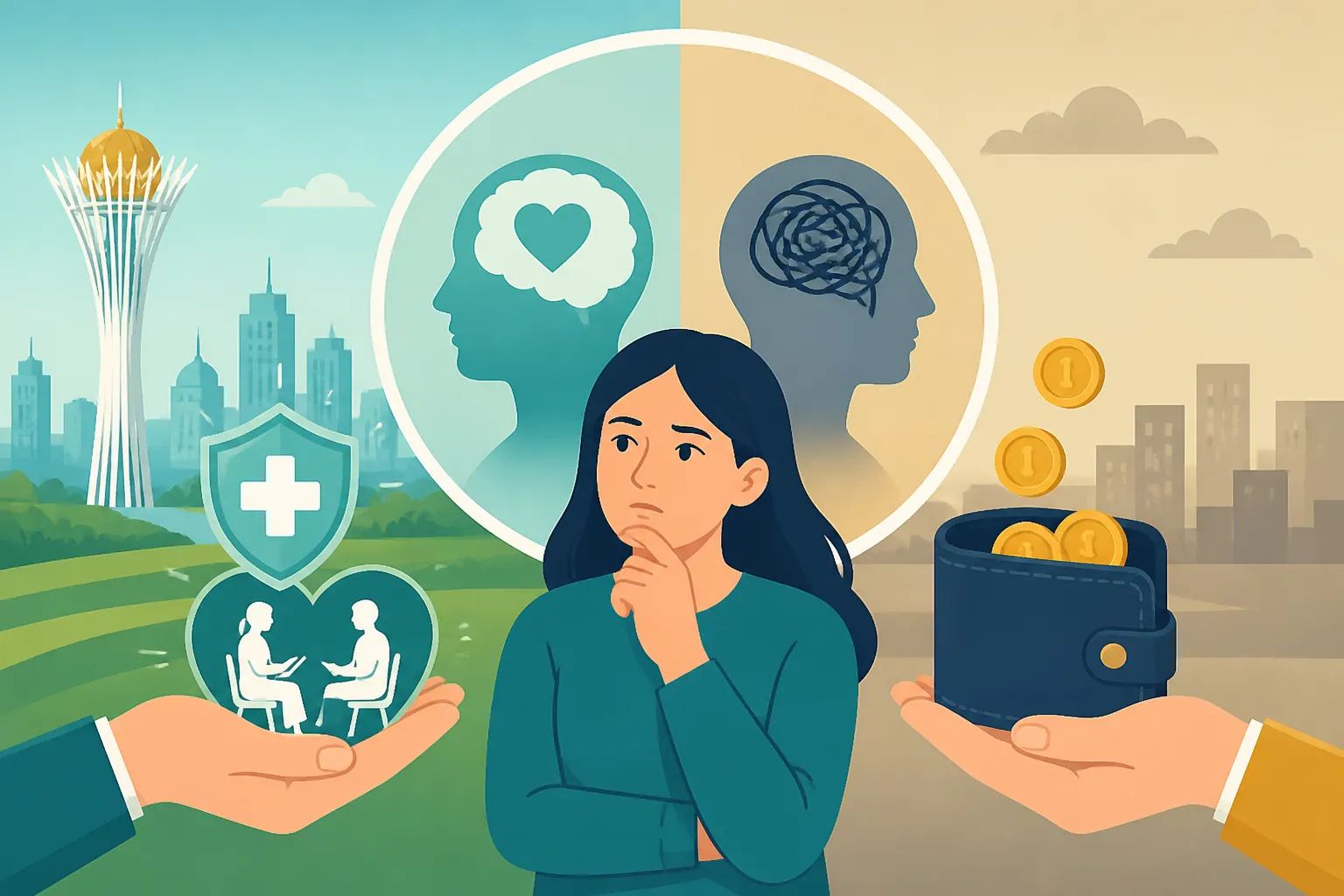
Is Mental Healthcare Affordable in Kazakhstan?
Moving to a new country like Kazakhstan is an incredible adventure, but let’s be honest, it’s also incredibly stressful. The culture shock, language barriers, and general upheaval can really take a toll on your mental well-being, leaving many expats wondering where to turn for support. You’re not alone in feeling this way. This comprehensive guide will walk you through the ins and outs of mental healthcare in Kazakhstan, specifically focusing on its affordability and accessibility for foreigners.
The Reality of Mental Health Support for Expats in Kazakhstan
When you’re an expat, especially in a country like Kazakhstan, talking about mental health can feel like navigating a minefield. The challenges are numerous, from deep-seated cultural norms to simply finding someone who understands your unique situation and speaks your language. It's a journey, and acknowledging these hurdles is the first step toward finding the support you need.
Navigating Stigma and Cultural Perceptions
One of the biggest obstacles you might encounter when seeking mental healthcare in Kazakhstan is the pervasive stigma surrounding mental health. In many traditional societies, mental health issues are often misunderstood, viewed through a lens of personal weakness, or even attributed to external factors, rather than recognized as medical conditions requiring professional care. This can make open discussions about anxiety, depression, or stress less common than what you might be used to back home.
For expats, this cultural context can be incredibly isolating. You might find that local friends or colleagues are hesitant to discuss mental health openly, or their advice might lean towards traditional remedies or simply "toughing it out." This doesn't mean the local community is uncaring, but rather that their understanding and approach to mental well-being might differ significantly from yours. This societal perspective can, in turn, make expats feel even more reluctant to seek help, fearing judgment or a lack of understanding. It’s a silent burden many carry, and validating that feeling is crucial. Remember, your need for support is real, regardless of differing cultural views.
Availability of English-Speaking Professionals
Another significant hurdle is the language barrier. Kazakhstan's official languages are Kazakh and Russian, and while English is gaining traction, especially among younger generations and in international business circles, finding a mental health professional who is fluent and comfortable conducting therapy in English can be a real challenge. In smaller cities or more rural areas, it might be nearly impossible.
Your best bet for finding English-speaking psychologists or psychiatrists will typically be in the major expat hubs like Almaty and Astana. These cities have a higher concentration of international residents and, consequently, a small but growing number of practitioners who cater to the expat community. Often, these professionals have studied abroad or have experience working with international clients. However, even in these cities, the pool is limited, and demand can be high. You might need to do some serious digging, relying on expat social media groups, embassy recommendations, or international clinics. It's not as simple as opening a phone book and picking a name, that's for sure.
Understanding the Cost Structure: Public vs. Private Options
When it comes to the practicalities of mental healthcare in Kazakhstan, especially concerning costs, it’s vital to understand the distinction between the public and private systems. For most expats, the private route will be the most viable, though understanding the public option provides important context.
Public Healthcare System and OSMS Coverage
Kazakhstan operates a system of compulsory social health insurance, known as OSMS (Міндетті әлеуметтік медициналық сақтандыру). If you're officially employed and making contributions, you're usually covered by OSMS, which provides access to public healthcare services. You can learn more about this in our guide on How Kazakhstan's Health System Works: OSMS and Private Care Explained (2027). On paper, OSMS aims to cover a wide range of medical services, including some aspects of mental health support. However, for expats, navigating this system for mental health can be incredibly challenging.
Firstly, the public system often requires referrals to specialists, and getting that initial referral from a general practitioner who speaks English and understands your specific mental health needs can be a major hurdle. You might find yourself caught in a bureaucratic loop, trying to explain complex emotional issues through a translator or to a doctor unfamiliar with Western diagnostic approaches. Secondly, even if you manage to get a referral, the availability of highly specialized mental health services within the public sector, particularly those with English-speaking staff, is quite limited. Public facilities, while improving, may also have longer wait times and infrastructure that doesn't always meet international standards. For comprehensive, ongoing therapy, relying solely on OSMS coverage for mental health support is often not a realistic or comfortable option for most expats. This is further elaborated in our article Public vs Private Healthcare in Kazakhstan: What Expats Need to Know.
Private Clinics and Therapists: What to Expect Financially
For many foreigners living in Kazakhstan, private clinics and independent therapists are the primary, if not sole, avenue for mental health support. Here, you'll find a wider range of services, more modern facilities, and a higher likelihood of encountering English-speaking professionals. However, this comes at a cost, and it's important to have a clear understanding of what that might look like.
A typical session with a private psychologist or therapist in major cities like Almaty or Astana can range anywhere from 10,000 to 30,000 KZT per session. This can fluctuate significantly based on the professional's experience, their specific qualifications (e.g., licensed psychologist vs. life coach), their reputation, and the clinic's overhead. For a psychiatrist, who can prescribe medication, the initial consultation might be on the higher end, with follow-up appointments costing similarly to therapy sessions. Some clinics might offer package deals for multiple sessions, which could bring the per-session cost down slightly, but these are not always widely advertised.
For instance, at one of the more reputable international medical centers in Almaty, a consultation with a psychologist might hover around 18,000-25,000 KZT, while an independent therapist operating from a private practice might charge closer to 12,000-18,000 KZT. These costs, while potentially lower than in Western Europe or North America, can still add up quickly if you require weekly or bi-weekly sessions over an extended period. It’s a significant financial commitment, so budgeting for it is crucial if you anticipate needing regular support.
Insurance and Other Avenues for Affordable Care
Understanding the direct costs of mental healthcare is just one piece of the puzzle. The question of affordability often hinges on whether you have insurance coverage or can access alternative, more budget-friendly options. It’s about leveraging every resource available to ensure you get the support you need without breaking the bank.
International and Local Private Health Insurance
This is where your health insurance becomes a critical factor. If you have comprehensive private health insurance, either an international plan or a local private policy, it might cover mental health services. However, this is a huge "might," and you absolutely need to read the fine print of your policy before you assume anything. Many basic insurance plans, both local and international, might have very limited mental health coverage, or none at all, especially for outpatient therapy. Some might only cover emergency psychiatric consultations or a very small number of sessions per year.
More robust international health insurance plans designed for expats often include better mental health provisions, but these usually come with a higher premium. Be sure to check for:
- Specific mental health benefits: Does it cover therapy, psychiatric consultations, or medication?
- Limits and caps: Is there a maximum number of sessions or a financial ceiling per year?
- Waiting periods: Some policies have waiting periods for mental health coverage, meaning you can't claim for a certain period after signing up.
- Direct billing vs. reimbursement: Will the clinic bill your insurer directly, or will you have to pay upfront and claim reimbursement? The latter can impact your immediate out-of-pocket expenses.
When considering travel or digital nomad insurance, like SafetyWing, it's important to distinguish its primary purpose. SafetyWing offers excellent coverage for medical emergencies and unexpected health issues while traveling or living abroad. It can be a fantastic option for acute, sudden mental health crises that require emergency intervention, much like any other medical emergency. However, for ongoing, routine therapy sessions for conditions like chronic depression or anxiety, standard travel insurance plans, including SafetyWing, often have limitations or do not cover such elective treatments. Always check the specific wording of your policy benefits carefully to understand what mental health services are covered beyond acute emergencies. If you're considering a more comprehensive private plan, our article on Understanding Private Health Insurance Plans in Kazakhstan can provide further insights. For a broader view, explore Health Insurance in Kazakhstan: OSMS, Private and International Options Explained.
It's also worth noting that some international companies operating in Kazakhstan provide their expat employees with comprehensive health packages that do include robust mental health coverage. If you’re employed, this is definitely something to inquire about with your HR department. For general costs, our The Cost of Healthcare in Kazakhstan: A Complete Breakdown for Foreigners (2026) offers a good overview. And if you're wondering Can I Use International Health Insurance at Kazakhstani Hospitals?, that guide has the answers.
Online Therapy and Telehealth Options
For many expats, online therapy has become a lifeline, offering a more affordable and accessible alternative to in-person sessions. The beauty of telehealth is that you can often connect with a therapist who is based in your home country, speaks your native language, and understands your cultural background, which can be invaluable when dealing with mental health issues.
Platforms like BetterHelp, Talkspace, and countless independent therapists now offer online sessions via video calls. The costs for these services can vary widely, but often you can find options that are more competitive than in-person sessions in Kazakhstan. For example, a subscription-based platform might offer weekly sessions at a monthly rate that averages out to a lower cost per session than a local private clinic. Plus, some online platforms accept certain international insurance plans, which could further reduce your out-of-pocket expenses.
The convenience factor is also huge. You can have your session from the comfort of your home, at a time that suits you, without the hassle of commuting or navigating unfamiliar clinics. Just make sure you have a reliable internet connection – which, thankfully, is generally quite good in major Kazakhstani cities. While this isn't a replacement for emergency care, it's a solid, often more affordable option for ongoing mental health support, especially if finding an English-speaking professional locally proves difficult. This is a great way to access How to Access Mental Health Services in Kazakhstan as an Expat when local options are challenging.
Community and Support Networks
Beyond formal therapy, never underestimate the power of community and peer support. Living abroad can be incredibly isolating, and connecting with other expats who understand your experiences can be immensely therapeutic. Look for expat groups on social media platforms (Facebook groups are particularly active in Almaty and Astana), attend expat meetups, or join international clubs. These networks often share recommendations for English-speaking therapists, local resources, and simply offer a space to vent and feel understood.
While not a substitute for professional mental healthcare, these informal support systems are often free or low-cost and can play a vital role in maintaining your mental well-being. Sometimes, just knowing you’re not alone in your struggles can make a world of difference.
Practical Steps for Finding Support
Finding the right mental health support in a new country can feel overwhelming, but a structured approach can make the process much smoother. It's about being proactive and knowing exactly what steps to take. Our overall guide, Navigating the Kazakhstani Healthcare System: An Expat's Roadmap (2027), provides broader context for this process.
Initial Research and Consultations
The first step is always thorough research. Start by searching online for "English-speaking psychologist Almaty" or "expat therapist Astana." Check out the websites of international medical clinics in these cities; they often list their specialists and their languages of practice. Expat forums and social media groups are also invaluable resources – ask for recommendations! Many fellow expats have walked this path before you and can offer firsthand advice and contacts.
Once you have a few potential names, don't hesitate to reach out for an initial consultation. Many therapists offer a short, often free or reduced-cost, introductory call to see if you're a good fit. This is your chance to ask about their approach, their experience with expats, their availability, and, most importantly, their fees and payment methods. Clarify if they offer direct billing to your insurance or if it's a "pay and claim" situation. This proactive step can save you time and money, and help you gauge the rapport before committing to full sessions. Remember, finding the right therapist is a very personal journey, and it's okay to "shop around" a bit. You can also refer to How to Find an English-Speaking Doctor in Kazakhstan for broader tips on finding medical professionals.
Preparing for Your First Appointment
Once you’ve chosen a professional and booked your first full session, prepare for it just as you would any other important medical appointment. Here’s what to consider:
- Documents: While not always strictly necessary for private therapy, having your passport, visa, and any insurance details handy is always a good idea. If you have any medical records or previous diagnoses from your home country that you feel are relevant, bring copies (ideally translated into Russian or Kazakh if possible, though English might suffice with an English-speaking therapist).
- Questions: Prepare a list of questions you have for the therapist. This could include inquiries about their qualifications, their therapeutic approach, the frequency of sessions, confidentiality protocols, and how they handle emergencies.
- Payment: Confirm the accepted payment methods. Many private clinics and therapists in Kazakhstan prefer cash (Tenge, KZT), bank transfer via local apps like Kaspi, or card payments. Understanding this beforehand prevents awkward situations at the end of your session.
- Logistics: Know exactly how to get to the clinic or practice, and factor in potential traffic. Being late can cut into your session time. If a language barrier is a concern even with an English-speaking professional, consider if bringing a trusted friend to act as a translator for administrative purposes might ease your mind, though not for the actual therapy session itself.
Taking these steps ensures you’re as prepared as possible, allowing you to focus on what truly matters: your mental health. The overall journey of healthcare as an expat is detailed in The Complete Guide to Healthcare in Kazakhstan for Expats (2027).
Comparison of Mental Healthcare Options in Kazakhstan
To give you a clearer picture, here's a table comparing the common mental healthcare options for expats in Kazakhstan:
| Feature | Public Healthcare (OSMS) | Private Clinics/Therapists (Local) | Online Therapy (International) |
|---|---|---|---|
| Cost | Generally low/covered for OSMS members | Moderate to High (10,000-30,000 KZT per session) | Variable (can be subscription-based, often competitive) |
| Language Barrier | Significant (primarily Kazakh/Russian) | Moderate (some English-speaking professionals available) | Low (can choose therapist in your native language) |
| Accessibility | Requires referrals, potentially long wait times, limited specialists | Good in major cities (Almaty, Astana), direct appointments possible | Excellent (from anywhere with internet access) |
| Confidentiality | Standard public health confidentiality | Strong professional ethics, private practice confidentiality | High (platform security measures, professional ethics) |
| Specialization | General mental health, limited specialized therapy | Wider range of therapies, more specialized professionals | Broadest range of specialties and approaches |
| Insurance Coverage | Covered by OSMS, but access is difficult | May be covered by comprehensive private/international plans | Varies by platform and your specific insurance policy |
| Typical User | Expats with fluency in local languages, or for basic psychiatric needs | Expats seeking consistent, quality therapy in English | Expats prioritizing language match, convenience, or specific specializations |
This table should help you weigh the pros and cons of each pathway when deciding on your mental health strategy in Kazakhstan.
Disclaimer
The information provided in this guide is intended for general informational purposes only and does not constitute professional medical, financial, or legal advice. While we strive to provide accurate and up-to-date information, the healthcare landscape, regulations, and costs in Kazakhstan can change rapidly. Always consult with qualified professionals, such as doctors, therapists, insurance providers, or legal experts, for advice tailored to your specific situation. Reliance on any information provided in this article is solely at your own risk.