How Kazakhstan’s Health System Works: OSMS and Private Care Explained (2027)
Moving to a new country like Kazakhstan means facing a whole new world of administrative hoops, and few things feel more daunting than understanding how to get medical help when you need it. Forget the comfort of your home country's familiar systems; here, you'll encounter a unique blend of compulsory social health insurance and a thriving private sector. This guide will meticulously break down Kazakhstan's health system, explaining both the public OSMS and private care options, so you can navigate it with confidence and clarity in 2026.
Understanding the Dual System: Public OSMS and Private Healthcare
When you first arrive in Kazakhstan, the healthcare landscape can seem a bit… well, different. It's not entirely free, it's not entirely private, and it certainly isn't a one-size-fits-all solution. Expats quickly learn that Kazakhstan operates on a dual system, comprising the state-mandated Compulsory Social Health Insurance (OSMS) and a robust private healthcare sector. Understanding how these two pillars interact and where you fit into them is absolutely crucial for your peace of mind and well-being here. Many expats initially feel lost, wondering if they're covered, what they're paying for, and what their options truly are.
What is OSMS and Who is Covered?
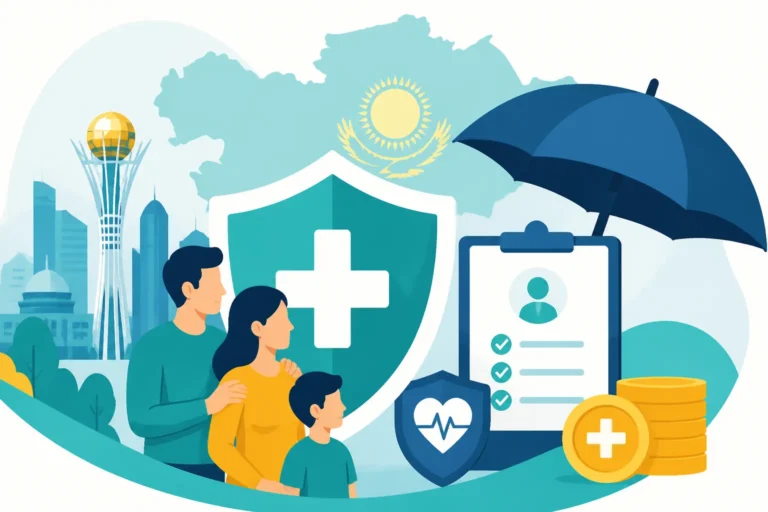
OSMS, or Міндетті әлеуметтік медициналық сақтандыру (МӘМС) in Kazakh, which translates to Compulsory Social Health Insurance, is the backbone of Kazakhstan's public healthcare system. Introduced in 2020, it's designed to provide a comprehensive package of medical services to all legal residents who contribute to the fund. Think of it as the government's way of ensuring everyone has access to a baseline of care, covering everything from routine check-ups and specialist consultations to certain surgeries and hospital stays. It's a progressive system where contributions are linked to income, aiming for solidarity among the population.
However, the "compulsory" part is key. If you're officially employed in Kazakhstan, whether by a local company or your own registered business, you (and your employer) are typically obligated to make monthly contributions. This automatically enrolls you and your dependents into the system, making you a bona fide OSMS participant. For expats, this often means that once your work visa and residence permit are sorted, enrolling in OSMS becomes a priority. But what about those first few weeks or months when you're still getting everything set up? Or if your employer hasn't yet processed your registration? This is where the initial gap in coverage can cause a lot of anxiety, making it vital to have a temporary plan like travel insurance, such as from SafetyWing, to bridge any waiting periods. The system is designed to be inclusive, but like any large government program, it has its quirks and requires careful navigation, as detailed in our guide, "The Complete Guide to Healthcare in Kazakhstan for Expats (2027)".
The Role of Private Healthcare in Kazakhstan
Alongside OSMS, Kazakhstan boasts a rapidly expanding private healthcare sector that caters to those seeking faster access, more personalized services, or perhaps English-speaking staff. For many expats, private clinics and hospitals become their primary point of contact for medical needs, even if they are also enrolled in OSMS. This isn't because OSMS is inherently "bad," but rather because private facilities often offer a different experience: shorter waiting times, modern equipment, more comfortable environments, and a general sense of efficiency that can be very reassuring when you're far from home.
Private healthcare operates on a fee-for-service basis, meaning you pay directly for each consultation, procedure, or test, or you cover it through private health insurance. These institutions often bridge gaps in the public system, providing services or specialties that might have longer queues under OSMS. They are also popular among those who prefer to have a choice of doctor or facility. While OSMS provides essential coverage, the private sector offers an enhanced level of convenience and often, communication ease, especially in larger cities like Almaty and Astana where a greater number of English-speaking medical professionals can be found. Understanding "Public vs Private Healthcare in Kazakhstan: What Expats Need to Know" is critical to making an informed decision about your medical care.
Navigating the Compulsory Social Health Insurance (OSMS)
Okay, so you're officially living and working in Kazakhstan, which means OSMS is likely a part of your life now. This system is a vital safety net, but it requires a bit of understanding to use effectively. Many expats find the initial setup confusing, and navigating the bureaucracy can feel like a full-time job. Don't worry, you're not alone in feeling this way. The key is to understand your obligations, what you're covered for, and how to actually access those benefits. It's a learning curve, but once you get the hang of it, it provides a solid foundation for your healthcare needs.
How OSMS Contributions Work for Expats
As an expat working legally in Kazakhstan, your OSMS contributions are generally mandatory. If you are formally employed by a local company, your employer is responsible for deducting your share of contributions from your salary and remitting both their portion and yours to the Social Health Insurance Fund. The rates are fairly consistent across the board, typically a percentage of your monthly income. For example, in 2026, employees usually contribute a small percentage of their salary, while employers also contribute a separate percentage. These rates are subject to change, so always check with your HR department or the official Social Health Insurance Fund (Medical Social Insurance Fund, or "Meditsinaлык әлеуметтік сақтандыру қоры" – FMS) website for the most current figures.
If you're self-employed and registered as an Individual Entrepreneur (IP), you are responsible for making your own contributions monthly. This is crucial; failure to contribute can lead to your OSMS status being "inactive," meaning you won't be able to access free services until your payments are up to date. It's a common oversight for newcomers, so make sure you understand "Understanding Mandatory Health Insurance Contributions in Kazakhstan" right from the start. Children and non-working spouses of contributing expats are usually covered under the family plan, but this also requires proper registration. Without these contributions, even if you have an IIN (Individual Identification Number), you won't be considered an active participant and will have to pay for services out-of-pocket, as if you had no insurance at all.
Registering for OSMS: A Step-by-Step Guide
The registration process for OSMS often goes hand-in-hand with your employment or self-employment registration. For employees, your HR department is usually your best friend. They will handle the bulk of the paperwork, ensuring your IIN (Individual Identification Number) is linked to the system and your contributions begin. You'll need your passport, visa, residence permit, and IIN. For self-employed expats, registering as an Individual Entrepreneur (IP) through the eGov portal or your local State Revenue Committee office will initiate the process. You then need to ensure you're making your monthly payments.
Once your contributions are regularly made, you are considered an active participant. You can verify your OSMS status online through the eGov portal or by checking with the Social Health Insurance Fund. This status is vital for accessing services at public clinics and hospitals. Without active status, you'll be treated as a private patient and charged for everything. It's a system that takes some getting used to, but with clear guidance, it's manageable. Our detailed walkthrough, "How to Register for OSMS Health Insurance in Kazakhstan (2027)," provides a comprehensive roadmap for getting this essential part of your life in Kazakhstan squared away. Remember, getting your IIN is the very first step in this entire process.
What Services Are Covered Under OSMS?
The OSMS package is designed to be comprehensive, covering a broad range of medical services. This includes primary healthcare, which means consultations with general practitioners at your assigned poliklinika (poly-clinic). It also extends to specialist consultations, diagnostic tests (like blood work, X-rays, ultrasounds), certain surgeries, hospital care, and even some rehabilitation services. Maternity and prenatal care are typically included, offering significant support for expectant parents. Vaccinations for children are also part of the OSMS coverage.
However, there are nuances. While OSMS covers a lot, it doesn't cover everything. For instance, certain cosmetic procedures, non-essential dental work (emergency dental care might be covered), and some specific high-tech treatments might not fall under the umbrella. It's also important to note that the quality and availability of services can vary between different public poly-clinics and hospitals, especially between major cities and more rural areas. Always check what specifically is covered before undergoing a procedure, and don't hesitate to ask for clarification. Understanding the specifics of your coverage, and managing expectations, is key to utilizing OSMS effectively.
Diving into Private Healthcare Options
Even with OSMS in place, many expats in Kazakhstan still opt to use private healthcare, either exclusively or in conjunction with their public coverage. This isn't just a luxury; it's often a practical choice driven by factors like language barriers, a desire for continuity of care, or simply the need for quicker access to specialists. The private sector here offers a distinct alternative, providing a level of service and comfort that can be incredibly appealing, especially when you're dealing with health concerns far from your comfort zone.
The Benefits of Private Clinics and Hospitals
The advantages of private clinics and hospitals in Kazakhstan are numerous and often resonate strongly with expats. First and foremost, you'll generally find significantly shorter waiting times for appointments, whether with a general practitioner or a specialist. This can be a huge relief when you're feeling unwell or need urgent, but not emergency, attention. Secondly, many private facilities, especially in Almaty and Astana, employ English-speaking staff and doctors, which vastly simplifies communication. This alone can reduce a significant amount of stress, allowing you to clearly articulate your symptoms and understand diagnoses without a language barrier.
Furthermore, private clinics often boast more modern equipment, comfortable waiting areas, and a higher level of personalized attention. You often have more choice in selecting your doctor, and appointments are typically longer, allowing for more in-depth discussions. For certain specialized treatments or diagnostic procedures, private facilities might offer cutting-edge technology not yet widely available in the public system. The overall experience is usually more streamlined and patient-centric, making it a preferred choice for many. While OSMS provides a good baseline, the private sector often elevates the standard of care to what many expats are accustomed to back home.
International Health Insurance and Local Private Plans
If you choose to lean heavily on private healthcare, you'll need to consider how to fund it. This usually comes down to two main options: international health insurance or local private plans. International health insurance, often provided by global insurers like Cigna, Bupa, or Allianz, is a popular choice for expats. These plans typically offer comprehensive coverage not just in Kazakhstan but also globally, which is a huge benefit if you travel frequently or anticipate needing care outside the country. They often cover a wide range of services, including outpatient, inpatient, dental, and even repatriation in severe cases. Companies like SafetyWing offer flexible plans that can be particularly useful for those still establishing their long-term residency or needing cover for shorter stays.
Local private plans, offered by Kazakhstani insurance companies, are another option. These can sometimes be more affordable than international plans, but their coverage might be limited geographically (primarily within Kazakhstan) and may not offer the same extensive benefits. Your employer might also provide a corporate private health insurance plan, which can be an excellent perk. It's crucial to compare the coverage, deductibles, and exclusions of different plans. Understand what "Health Insurance in Kazakhstan: OSMS, Private and International Options Explained" really means for your specific circumstances. Don't just pick the cheapest option; ensure it aligns with your health needs and lifestyle. For instance, if you plan to have a family, ensuring your plan covers maternity care is paramount.
Costs and Accessibility of Private Care
The flip side of enhanced services in the private sector is, of course, the cost. Private medical care in Kazakhstan, while generally more affordable than in Western Europe or North America, is still significantly more expensive than services covered by OSMS. A single consultation with a specialist can range from 10,000 to 25,000 KZT or more, depending on the clinic and the doctor's reputation. Procedures, diagnostics, and hospital stays can quickly add up, easily running into hundreds of thousands or even millions of Tenge. This is why private health insurance is almost essential for anyone planning to rely on private facilities.
Accessibility to private care is generally good in major urban centers like Almaty, Astana, and Shymkent, where you'll find a wide array of clinics, diagnostic centers, and private hospitals. They are often centrally located and easily reachable by public transport or taxi. In smaller towns or rural areas, however, private options become scarcer, and you might find yourself needing to travel to a larger city for specialized private treatment. It’s also worth noting that some private clinics might not directly bill international insurance providers, requiring you to pay upfront and then seek reimbursement. Always confirm billing procedures with your insurance company and the clinic beforehand to avoid any unpleasant surprises. For a comprehensive overview of expenses, refer to "The Cost of Healthcare in Kazakhstan: A Complete Breakdown for Foreigners (2026)".
Accessing Medical Services: General Practitioners, Specialists, and Emergencies
Once you've wrapped your head around the OSMS and private healthcare options, the next big step is actually accessing medical services when you need them. This involves understanding the hierarchy of care, from your primary doctor to specialists, and knowing what to do in an emergency. The system, whether public or private, follows a somewhat similar path, but there are crucial differences that can make or break your experience as an expat.
Finding and Registering with a Poliklinika
Under the OSMS system, your first port of call for any non-emergency medical issue will be your local poliklinika (poly-clinic), which functions much like a general practice clinic. To access OSMS services, you must be officially registered with one. This is a crucial step that many expats overlook or postpone, only to find themselves scrambling when they actually need a doctor. Registration typically involves presenting your passport, residence permit, and IIN to the poly-clinic's reception. They will verify your active OSMS status and assign you a general practitioner (GP).
Choosing a poly-clinic often depends on your residential address, as each clinic serves a specific geographical area. While you might not have a huge choice, you can sometimes pick from a few options within your district. It’s a good idea to visit a few clinics in your area if possible, to get a feel for the facilities and the staff, though finding English-speaking staff in public poly-clinics can be a challenge outside of major international centers. Once registered, your assigned GP becomes your primary caregiver, handling routine check-ups, common illnesses, and acting as the gatekeeper for specialist referrals. This process is detailed further in "How to Choose and Register with a Clinic (Poliklinika) in Kazakhstan".
Specialist Referrals and Wait Times
Getting to see a specialist in Kazakhstan largely depends on whether you're using the OSMS system or opting for private care. Under OSMS, seeing a specialist almost always requires a referral from your registered GP at the poliklinika. Your GP will assess your condition and, if necessary, provide a referral to the appropriate specialist within the public system. This referral process can sometimes involve administrative delays, and wait times for specialist appointments, particularly for popular specialties, can vary. While not as long as in some Western countries, they can still be a source of frustration, especially if your condition requires prompt attention.
In the private sector, the process is usually much more direct. You can often book an appointment with a specialist directly, without a GP referral, though some private clinics might still prefer one for continuity of care. Wait times in private clinics are typically much shorter, often allowing you to see a specialist within a few days, or even the same day for urgent cases. This speed and convenience are major reasons why expats with private insurance choose this route. When selecting a specialist, whether public or private, searching for "How to Find an English-Speaking Doctor in Kazakhstan" can save you a lot of trouble. Always verify the specialist's qualifications and experience, and don't hesitate to seek a second opinion if you feel it's necessary.
Emergency Medical Care for Expats
Emergencies are, by definition, unplanned and stressful, and knowing what to do can make all the difference. Kazakhstan has a functioning emergency medical service accessible by dialing 103 for an ambulance, or 112 for a general emergency number that can connect you to medical services, police, or fire. Ambulances in Kazakhstan are primarily provided by the state, and services are technically free if you are an active OSMS participant. However, ambulance response times can vary, especially in crowded urban areas or remote regions. The paramedics might also have limited English, so having a basic grasp of medical Kazakh or Russian, or someone who can translate, is incredibly helpful.
For serious emergencies, ambulances will typically take you to the nearest state hospital emergency department. If you have private insurance and prefer a private hospital, you or your companion might need to arrange transport to a private facility or clarify with the ambulance service if they can take you there (which is not always guaranteed). Private hospitals often have better facilities and potentially faster, more individualized care in their emergency departments, but again, this comes at a cost if you're not adequately insured. For non-life-threatening but urgent situations, many private clinics also offer urgent care services that can be a quicker and more comfortable alternative to a public emergency room. Our guide, "Emergency Medical Care in Kazakhstan: What Every Expat Needs to Know", covers this critical topic in depth.
Medications, Pharmacies, and Other Essential Services
Beyond doctor visits and hospital stays, the day-to-day reality of healthcare also involves accessing medications and specialized services. Navigating pharmacies, understanding prescription rules, and finding specific types of care like dental or mental health support requires its own set of knowledge. For expats, these seemingly simple tasks can sometimes turn into confusing quests, especially when facing language barriers or unfamiliar regulations.
Understanding Prescription Medications and Local Pharmacies
Pharmacies, or apteka (аптека) in Kazakh/Russian, are abundant throughout Kazakhstan, especially in urban areas. You'll find them on almost every corner, easily recognizable by their green crosses. Many pharmacies operate late hours, and some are open 24/7. For common over-the-counter medications, you usually won't need a prescription. These include basic pain relievers, cold and flu remedies, and some digestive aids. However, for antibiotics, strong painkillers, and many other specific medications, a doctor's prescription is strictly required. This is in line with international best practices to combat antibiotic resistance and ensure proper dosage.
When you receive a prescription, it will typically be a paper slip from your doctor. Present this at the pharmacy, and the pharmacist will dispense the medication. It's wise to double-check the medication name and dosage, especially if there's a language barrier. Generic medications are widely available and often significantly cheaper than brand-name drugs. If you're coming from another country, it's a good idea to bring a copy of your current prescriptions, including the generic names of your medications, as brand names can differ here. Our guide, "Prescription Medications and Pharmacies in Kazakhstan: The Complete Guide," offers a detailed look at this essential aspect of life here. Keep in mind that while many pharmacists are knowledgeable, English proficiency can vary.
Dental, Mental Health, and Maternity Care Considerations
Beyond general medical care, certain specialized services have their own considerations for expats.
- Dental Care: Dental services in Kazakhstan are generally not fully covered by OSMS, except for emergency extractions or basic public dental care, which may have long wait times and varying quality. Most expats opt for private dental clinics. These clinics are widespread in cities, offer modern facilities, and often have English-speaking dentists. Costs are usually much lower than in Western countries, making it a popular destination for "dental tourism" among some expats. However, it's still an out-of-pocket expense or covered by a dedicated dental insurance rider on your private health plan.
- Mental Health: Mental health services are gaining more recognition in Kazakhstan, but access to English-speaking therapists or psychiatrists can still be limited, mainly concentrated in Almaty and Astana. While OSMS covers some psychiatric services, many expats prefer private clinics for confidentiality, language preference, and diverse therapeutic approaches. Finding a suitable mental health professional might require some searching through expat forums or international clinic networks. Our article, "How to Access Mental Health Services in Kazakhstan as an Expat", provides valuable starting points.
- Maternity Care: Maternity and prenatal care are well-established under OSMS, offering comprehensive services from antenatal check-ups to childbirth and postnatal care. Expats actively contributing to OSMS can access these services at their registered poly-clinic and assigned maternity hospital. However, many expats still choose private maternity clinics for more personalized care, private rooms, and potentially a choice of obstetrician or birthing preferences. These private options offer a more hotel-like experience with higher comfort levels but come with significant costs not fully covered by OSMS. See "Understanding Maternity and Prenatal Care in Kazakhstan" for more specifics.
Challenges and Practical Advice for Expats
No healthcare system is perfect, and Kazakhstan's, while continuously improving, presents its own set of challenges for expats. From cultural differences to language barriers, these hurdles can sometimes feel overwhelming. However, with a bit of foresight and the right strategies, you can navigate these complexities and ensure you receive the care you need.
Language Barriers and Cultural Nuances in Healthcare
One of the most significant challenges for non-Russian or non-Kazakh speaking expats is the language barrier. While some doctors and medical staff in major private clinics in Almaty and Astana speak English, this is not a universal standard, especially in public poly-clinics or outside the main cities. Miscommunication about symptoms, diagnoses, or treatment plans can lead to anxiety and potentially affect care quality. It’s always advisable to have a translation app, a phrasebook with medical terms, or, ideally, a trusted local friend or colleague who can accompany you to appointments, especially for complex issues.
Beyond language, there are cultural nuances to be aware of. The doctor-patient relationship might be more formal than what you're used to, with less emphasis on shared decision-making in some traditional settings. Questions about lifestyle or personal habits might be more direct. Patience is also key; the pace of consultations and administrative processes can sometimes feel slower than expected. Understanding and respecting these differences can go a long way in fostering a positive interaction and ensuring you get the most out of your medical visits.
Tips for a Smoother Healthcare Experience
To make your healthcare journey in Kazakhstan as smooth as possible, here are some actionable tips:
- Get Your IIN and OSMS Status Sorted Early: This is your absolute priority. Without an IIN and active OSMS status (if applicable), you’re effectively an uninsured private patient. Don't wait until you're sick to figure this out.
- Consider Private Health Insurance: Even if you have OSMS, private insurance offers flexibility, faster access, and often English-speaking staff. It’s particularly useful for the initial period when your OSMS might not be active, or for those who travel frequently. Companies like SafetyWing provide great travel and health insurance options that can cover you during transitional periods or as a primary option.
- Find an English-Speaking Doctor (if needed): Proactively search for clinics and doctors who can communicate in English. Expat groups on social media are an excellent resource for recommendations. Having a regular GP who understands you is invaluable.
- Keep Medical Records Handy: Maintain a digital and physical copy of your medical history, including vaccinations, allergies, current medications (with generic names), and any chronic conditions. This information is critical, especially in an emergency.
- Learn Basic Medical Phrases: Even a few key phrases in Russian or Kazakh related to symptoms or body parts can be incredibly helpful in a pinch.
- Prepare for Appointments: Write down your symptoms, questions, and any concerns before your appointment. This helps ensure you cover everything, especially if using a translator.
- Understand Payment Procedures: Always clarify whether a clinic or hospital accepts your insurance directly or if you need to pay upfront and claim reimbursement. Keep all receipts and documentation.
By being proactive and informed, you can demystify Kazakhstan's healthcare system and make sure you're well-prepared for any medical needs that arise during your expat adventure.
Here's a quick comparison of the two primary healthcare avenues:
| Feature | OSMS (Public) | Private Healthcare |
|---|---|---|
| Funding | Mandatory contributions from employer/employee (or self-employed) | Out-of-pocket payment or private health insurance |
| Primary Access | Registered poly-clinic (GP) | Direct access to clinics/specialists |
| Wait Times | Can be longer for specialists and non-urgent procedures | Generally much shorter, often same-day/next-day appointments |
| Language Support | Primarily Kazakh/Russian; English can be rare outside major city clinics | Often offers English-speaking staff and doctors, especially in large cities |
| Facilities | Varies widely; some are modern, others older | Typically modern equipment, comfortable surroundings, and patient-centric design |
| Specialist Access | Requires GP referral | Often direct access without referral |
| Emergency Care | Via 103/112 ambulance to public hospitals; technically free if OSMS active | Via private ambulance/transport to private hospitals; covered by private insurance |
| Cost to Patient | Free at point of service if OSMS active (after contributions) | Significant out-of-pocket costs without private insurance |
| Target User | All legal residents, especially those employed or self-employed | Expats seeking enhanced convenience, language support, and faster access |
Disclaimer
The information provided in this guide is intended for general informational purposes only and does not constitute medical, legal, or financial advice. Healthcare regulations, costs, and availability of services in Kazakhstan can change. While we strive to keep our content accurate and up-to-date, we recommend consulting with a qualified healthcare professional, legal expert, or insurance provider for advice tailored to your specific situation in 2026.