What Health Risks Should Expats Be Aware of in Kazakhstan?
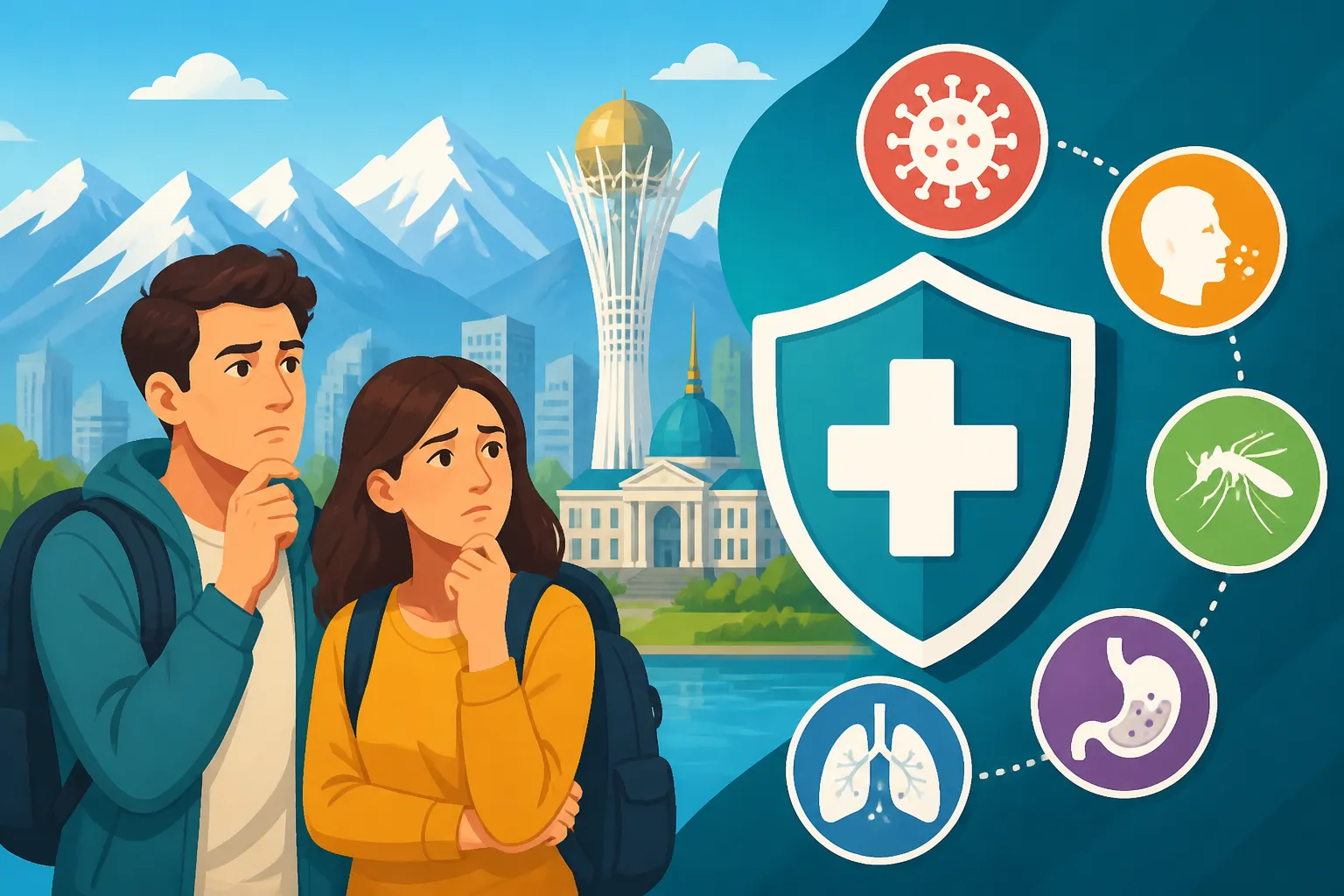
Moving to a new country, especially one as vast and unique as Kazakhstan, is an adventure of a lifetime. But let's be honest, beneath the excitement, there's always that niggling worry: "What about my health?" It’s a very real concern for expats, and you're not alone in feeling a bit overwhelmed by the potential health risks. This guide is here to shed light on the common health challenges you might encounter in Kazakhstan, from environmental factors to everyday illnesses and emergency preparedness, giving you the knowledge to navigate them with confidence.
Navigating Common Environmental and Infectious Health Risks
Living in Kazakhstan exposes you to a different set of environmental factors than you might be used to back home. Being aware of these and taking proactive steps can make a huge difference in staying healthy.
Understanding Food and Water Safety Challenges
When you first arrive, one of the quickest ways to upset your system can be through unfamiliar food and water. This is a common expat rite of passage, unfortunately.
First, let's talk about tap water. While the water quality in major cities like Almaty and Astana has improved significantly over the years, it's generally not recommended for direct consumption without boiling or filtering. Your digestive system simply isn't used to the local mineral content and any residual treatment chemicals. Trust me, a bad stomach upset can truly derail your first few weeks, so err on the side of caution. Always opt for bottled water for drinking and even for brushing your teeth, especially when you're still adjusting. Most grocery stores stock a wide variety of local and imported bottled waters, so it's readily available and quite affordable.
Then there's the food. Oh, the delicious food! But with new culinary experiences come new considerations. Street food, while tempting and often incredibly tasty (think fresh baursaky or samsa!), might not always adhere to the highest hygiene standards, particularly in warmer months. It’s a judgment call, but if you have a sensitive stomach, you might want to ease into it. When eating at restaurants, especially smaller, local establishments, observe the cleanliness. Is the place busy? That's usually a good sign of fresh turnover. Always make sure meat is thoroughly cooked, and be mindful of salads or fresh produce that might have been washed with tap water. Locally grown fruits and vegetables are fantastic, but always give them a thorough wash yourself with bottled or filtered water before consuming. This isn't about being paranoid; it's about being pragmatic and avoiding unnecessary gastric distress.
Dealing with Air Quality and Seasonal Allergies
If you're heading to Almaty, you'll soon hear about the air quality, especially in winter. Due to its unique mountain basin geography and reliance on coal-fired heating, Almaty often experiences significant smog during the colder months when temperature inversions trap pollutants. This can lead to respiratory issues, particularly for those with pre-existing conditions like asthma or chronic bronchitis. On days with heavy smog, you might notice a persistent smell and a grey haze in the air, and it's advisable to limit strenuous outdoor activities. Air purifiers for your home can be a good investment. Astana, being on a flat steppe, generally has better air quality, but like any city, it still experiences its share of urban pollution.
Beyond urban smog, dust storms can be a concern in certain regions, especially during dry, windy periods. These can kick up a lot of particulate matter, which can also affect respiratory health and trigger allergies. On the flip side, seasonal allergies are a real thing here. Depending on your sensitivity, you might find yourself reacting to local pollens, grasses, and trees, which can differ from those in your home country. Keep an eye on local pollen forecasts if you're prone to hay fever, and have your usual antihistamines on hand.
Insect-Borne Diseases and Prevention
Kazakhstan's vast landscapes, from steppes to mountains, mean you'll encounter various insects. While not as prevalent as in some tropical countries, certain insect-borne diseases do exist, and it's wise to be aware of them, particularly if you plan on spending time outdoors in rural or forested areas.
Mosquitoes are a common nuisance during warmer months, especially near water bodies. While serious mosquito-borne illnesses like malaria are not typically a concern in Kazakhstan, West Nile virus has been reported. Standard mosquito bite prevention methods are your best defense: use insect repellent containing DEET or picaridin, wear long sleeves and trousers at dusk and dawn, and ensure your accommodation has screens on windows and doors.
Ticks are another important consideration, particularly in forested areas and long grass, especially during spring and early summer. Tick-borne encephalitis (TBE) is a serious viral infection transmitted by ticks and is endemic in parts of Kazakhstan. If you're planning extensive outdoor activities like hiking or camping in rural areas, especially around Almaty's mountains, vaccination against TBE is highly recommended. It usually involves a course of injections, so plan ahead before you arrive or consult a local clinic immediately upon arrival. Always check yourself thoroughly for ticks after spending time outdoors, and remove any immediately and correctly. Familiarize yourself with the symptoms of TBE and other tick-borne diseases.
Everyday Health Concerns and Access to Care
Beyond the more exotic risks, daily life brings its own set of health considerations. Knowing what to expect and how to access care is fundamental to living comfortably as an expat. For a complete understanding, you might want to dive into The Complete Guide to Healthcare in Kazakhstan for Expats (2027).
The Reality of Common Colds, Flu, and Respiratory Illnesses
Just like anywhere else in the world, you'll likely encounter common colds, the flu, and other respiratory illnesses in Kazakhstan. These become particularly prevalent during the long, cold winters. Schools and workplaces can be hotbeds for seasonal viruses, so maintaining good hand hygiene and getting your annual flu shot are sensible precautions. Don't be surprised if you catch a few more colds than usual in your first year as your immune system adjusts to new strains.
The good news is that pharmacies are generally well-stocked, and you can often get basic cold and flu remedies over-the-counter. For more persistent symptoms or suspected flu, it's wise to see a doctor. Many cities have clinics where you can easily register, and finding an English-speaking doctor, especially in Almaty or Astana, is becoming increasingly common. Check out our guide on How to Find an English-Speaking Doctor in Kazakhstan for more specific advice. It's always best to have a local doctor you trust, even for minor ailments.
Non-Communicable Diseases and Lifestyle Adjustments
Moving to a new country often means a shift in lifestyle, which can subtly impact your health. While Kazakhstan is known for its hearty cuisine, rich in meat and dairy, it's easy to fall into less healthy habits if you're not mindful. The colder climate and sometimes longer commutes can lead to a more sedentary lifestyle than you're used to.
Expats should continue to monitor and manage any existing non-communicable diseases (NCDs) such as high blood pressure, diabetes, or heart conditions. Regular check-ups are crucial, and it’s important to understand How Kazakhstan's Health System Works: OSMS and Private Care Explained (2027) to ensure continuous care. Make an effort to maintain a balanced diet – fresh produce is available year-round, especially in larger markets like Almaty's Green Bazaar. Incorporate physical activity, whether it's exploring the mountains around Almaty, using local gyms, or simply walking more. Taking proactive steps for your long-term health will pay dividends.
Mental Health and Well-being for Expats
This is often an overlooked aspect of expat health, but it's incredibly important. Moving to Kazakhstan, while exciting, can also be incredibly challenging. Culture shock, language barriers, feelings of isolation, and the stress of navigating a new bureaucratic system can take a toll on your mental well-being. It's not uncommon to experience periods of homesickness, anxiety, or even depression.
It's vital to acknowledge these feelings and address them. Build a support network – connect with other expats, join local clubs or groups, and make an effort to learn some basic Kazakh or Russian phrases to ease daily interactions. Maintain routines that bring you comfort and stability, whether it's your exercise regime, hobbies, or regular video calls with family and friends. If you find yourself struggling significantly, don't hesitate to seek professional help. While mental health services are still developing in Kazakhstan, there are a growing number of therapists and counselors, some of whom offer services in English. Knowing who to turn to and how to access these resources is part of a comprehensive approach to expat health.
Road Safety, Accidents, and Emergency Preparedness
Navigating the roads and being ready for the unexpected are critical parts of ensuring your safety and health in Kazakhstan.
Understanding Road Conditions and Driving Hazards
Kazakhstan has an extensive road network, but the quality can vary dramatically. In major cities like Almaty and Astana, main roads are generally well-maintained, but side streets can be rough, with potholes and uneven surfaces. Outside the cities, especially on long-distance routes, road quality can deteriorate rapidly, with single-lane roads, unpaved sections, and limited lighting.
Driving culture can also be a significant adjustment. Traffic can be aggressive, especially in cities, with drivers often exceeding speed limits, making sudden lane changes, and less adherence to traffic laws than you might be used to. Pedestrians often have less right-of-way, so always be extra vigilant when crossing streets.
Seasonal conditions add another layer of hazard. Winters are long and can bring heavy snow and ice, making roads extremely slippery and visibility poor. Summer can bring intense heat, affecting vehicle performance and driver fatigue on long journeys. If you choose to drive, ensure your vehicle is well-maintained, especially with appropriate tires for the season. For many expats, using ride-hailing apps like Yandex Go is a convenient and relatively inexpensive alternative to driving, particularly in cities. If you're keen to learn more about transport, consider reading Driving in Kazakhstan: Licences, Registration and Rules for Expats (2027).
Preparing for Medical Emergencies and Accidents
Accidents happen, and knowing how to react in a medical emergency is paramount. Kazakhstan has a public emergency medical service (EMS), accessible by dialing 103 for an ambulance, or 112 for a general emergency number that can connect you to all services. However, ambulance response times can vary, especially in rural areas, and the paramedics may not speak English.
For serious emergencies, you might prefer to go directly to a private clinic or hospital if possible, especially if you have private health insurance that covers it. These facilities often have better equipment and English-speaking staff. It’s wise to research the nearest reputable private hospital or clinic to your home and workplace before an emergency strikes. Keep their contact information readily available. Make sure key family members or colleagues know your emergency plan too.
When it comes to coverage for unexpected medical incidents, this is where having robust expat health insurance comes into play. While the local OSMS system covers many things, for emergencies, having international coverage can be a lifesaver, allowing you access to a wider range of facilities or even medical evacuation if necessary. This is especially important for those critical, unforeseen moments.
The Role of Travel Insurance in Mitigating Risks
While health insurance covers your medical treatments, good travel insurance or comprehensive expat insurance, like what SafetyWing offers for digital nomads and expats, goes further. It's not just about covering a doctor's visit; it’s about providing a safety net for those truly worst-case scenarios.
Imagine you're hiking in the mountains near Almaty and have an accident that requires emergency evacuation. Or you need urgent surgery, and your family needs to fly out to be with you. These are the situations where robust insurance can mean the difference between financial ruin and peace of mind. Many policies will cover emergency medical evacuation, repatriation of remains, accidental death and dismemberment, and even travel delay or interruption due to a medical emergency.
Even if you're covered by the Compulsory Social Health Insurance (OSMS) as an employed expat in Kazakhstan, or have local private insurance, international travel insurance acts as a vital supplement, especially for initial emergency care, medical repatriation, or coverage when you travel outside Kazakhstan. Don't skimp on this. It's one of those things you hope you never need, but when you do, you'll be incredibly grateful you have it. For a deeper dive into local options, read Do I Need Private Health Insurance in Kazakhstan?.
Essential Health Preparations Before and After Arrival
A little foresight and preparation can go a long way in ensuring your health journey in Kazakhstan is as smooth as possible.
Recommended Vaccinations and Preventative Measures
Before you even step foot in Kazakhstan, it’s a good idea to review your vaccination status with your doctor. Beyond your routine vaccinations (like MMR, DTaP, polio), you should consider the following:
- Hepatitis A and B: Both are recommended, especially if you plan to travel or eat frequently from local establishments.
- Typhoid: Also recommended, particularly if you'll be venturing into rural areas or are a more adventurous eater.
- Tick-Borne Encephalitis (TBE): As mentioned earlier, if you're spending time outdoors in forested or grassy areas, particularly in spring and summer, the TBE vaccine is a serious consideration. It's a series of shots, so plan well in advance.
- Rabies: If you're working with animals, or planning extended outdoor stays in remote areas, a pre-exposure rabies vaccination might be advised due to the presence of stray animals and wildlife.
- Seasonal Flu Shot: Get your annual flu shot, preferably before the winter season begins.
Beyond vaccinations, general preventative measures are your best friends. Practice good hand hygiene, especially before eating. Use hand sanitizer when soap and water aren't available. Be mindful of food and water sources. These simple habits are often the most effective in preventing common illnesses.
Building Your Expat Medical Kit and Pharmacy Access
Even with good local pharmacies, having a well-stocked personal medical kit is invaluable. This is especially true for those first few weeks as you settle in and before you fully understand the local pharmaceutical scene. Here’s what I recommend you pack:
- Prescription Medications: Bring at least a 3-month supply of any prescription medications you take regularly, along with a copy of your prescription from your doctor. Make sure the generic names are listed too.
- Over-the-Counter Essentials: Pain relievers (paracetamol/ibuprofen), anti-diarrhea medication (e.g., Loperamide), rehydration salts, antacids, allergy medication, antiseptic wipes, bandages, blister plasters, and a good insect repellent.
- Personal Hygiene: Your preferred brands of toiletries, especially if you have specific sensitivities.
- First Aid Basics: Thermometer, tweezers (for splinters or ticks!), and any specific items for chronic conditions you manage.
Once you’re settled, you'll find that pharmacies (apteka in Russian/Kazakh) are plentiful in urban areas. You can often get a surprising range of medications over-the-counter that might require a prescription in your home country. However, quality and authenticity can sometimes be a concern, so it's always best to stick to reputable pharmacy chains. For more detailed information on sourcing medications, our guide on Prescription Medications and Pharmacies in Kazakhstan: The Complete Guide is a must-read.
Securing Reliable Health Insurance Coverage
This is perhaps the most critical piece of the puzzle for any expat. Kazakhstan has a mixed healthcare system. As an employed expat, you will typically be enrolled in the Compulsory Social Health Insurance (OSMS) system, with contributions deducted from your salary. OSMS covers a wide range of services, including primary care at your assigned poliklinika (clinic), specialist consultations (with referrals), and hospital care. To learn more about how to get this set up, take a look at How to Register for OSMS Health Insurance in Kazakhstan (2027).
However, many expats choose to supplement OSMS with private health insurance, either local or international. Private clinics and hospitals often offer shorter wait times, more modern facilities, and a higher likelihood of English-speaking staff. This can be particularly reassuring when facing a more serious health issue. You should thoroughly research your options, considering your individual needs, budget, and travel plans. International plans, like those from SafetyWing, are often designed for global coverage, which is a huge plus if you travel frequently or anticipate needing medical care outside Kazakhstan.
Understanding your healthcare options and securing appropriate insurance is fundamental to a healthy expat life. Don't wait until you're sick or injured to figure this out. Get it sorted before you arrive or as soon as you land. For a comprehensive look at your choices, read Health Insurance in Kazakhstan: OSMS, Private and International Options Explained.
Here’s a quick overview of common health risks and how to manage them:
| Health Risk Category | Specific Risk | Symptoms/Concerns | Prevention/Management Strategies |
|---|---|---|---|
| Environmental | Poor Air Quality (Almaty) | Respiratory irritation, asthma exacerbation | Limit outdoor activity on smoggy days, use air purifiers, wear masks |
| Dust Storms | Respiratory issues, eye irritation | Stay indoors, use air purifiers, wear masks/glasses | |
| Extreme Temperatures | Heatstroke, frostbite, dehydration | Dress appropriately, stay hydrated, seek shade/warmth | |
| Infectious | Food/Waterborne Illness | Diarrhea, nausea, vomiting | Drink bottled water, wash produce with purified water, eat well-cooked food, practice hand hygiene |
| Tick-Borne Encephalitis (TBE) | Flu-like symptoms, potential neurological issues | TBE vaccination, wear protective clothing outdoors, use repellent, check for ticks, know Emergency Medical Care in Kazakhstan: What Every Expat Needs to Know | |
| Mosquito-borne (e.g., West Nile) | Flu-like symptoms, fever | Use repellent, wear long clothing, avoid stagnant water, use mosquito nets | |
| Common Colds & Flu | Respiratory symptoms, fever | Annual flu shot, hand hygiene, avoid sick individuals | |
| Safety & Lifestyle | Road Accidents | Injuries, trauma | Use reputable taxis/ride-hail, be cautious as a pedestrian, drive defensively if necessary |
| Mental Health | Stress, anxiety, depression, homesickness | Build social networks, maintain routines, seek counseling if needed | |
| Lifestyle-related NCDs | Heart disease, diabetes | Maintain balanced diet, exercise regularly, regular check-ups with your poliklinika (see How to Choose and Register with a Clinic (Poliklinika) in Kazakhstan) | |
| Healthcare System Issues | Language Barrier | Miscommunication during medical care | Learn basic medical phrases, use translation apps, find English-speaking doctors |
| Access to Specialists | Longer wait times in public system | Utilize private insurance for faster access, understand referral system (see Navigating the Kazakhstani Healthcare System: An Expat's Roadmap (2027)) |
Disclaimer
The information provided in this guide is intended for general informational purposes only and does not constitute medical or legal advice. While we strive to provide accurate and up-to-date information, circumstances can change. Always consult with a qualified healthcare professional for any medical concerns or before making any decisions related to your health or treatment. For official legal and immigration advice, please consult with relevant Kazakhstani authorities or legal experts.