Emergency Medical Care in Kazakhstan: What Every Expat Needs to Know
Let's be honest, nothing sends a shiver down an expat's spine quite like the thought of a medical emergency in a foreign land. The language barrier, the unfamiliar systems, the sheer panic – it's enough to make anyone feel utterly vulnerable. But living in Kazakhstan means facing these realities head-on. This guide is here to strip away some of that fear, offering a no-nonsense, deeply empathetic walkthrough of what you need to know about emergency medical care in Kazakhstan, so you're as prepared as possible when the unexpected strikes.
Understanding Emergency Services in Kazakhstan
When you first arrive in Kazakhstan, one of the most vital pieces of information you'll receive (or wish you did) is about emergency numbers. It’s not just a matter of dialing a number; it’s about understanding what type of situation warrants that call, and what to expect on the other end. Forget what you know from your home country; here, things operate a little differently, and being informed can literally be a lifesaver.
When to Call for an Ambulance (103)
In many countries, an ambulance is called for any non-life-threatening but urgent medical situation. In Kazakhstan, the 103 ambulance service, known as Skoraya Pomoshch (Скорая Помощь), is primarily for genuine medical emergencies where there is a direct threat to life or severe injury. Think heart attacks, strokes, severe bleeding, unconsciousness, serious accidents, or acute pain that indicates a grave condition. If you call 103 for something less critical – a bad cold, a minor cut, or a general feeling of malaise – you might be met with an annoyed dispatcher or a very long wait, as resources are prioritized for the most severe cases.
I've heard countless stories from fellow expats who, in a moment of panic, called 103 for something that, in retrospect, could have been handled by a trip to a clinic or even self-care. It's not that the system is unhelpful; it's simply geared towards critical interventions. For instance, if you've got a high fever but are otherwise stable, it's generally better to try and get to a local poliklinika (clinic) or a private hospital. Calling 103 is for when every second truly counts. It's important to differentiate between urgent care (which a clinic can handle) and emergency care (which requires an ambulance).
The Unified Emergency Number (112) and Its Scope
Kazakhstan, like many other nations, has introduced a unified emergency number, 112. This is designed to be a one-stop-shop for all emergencies, including fire (101), police (102), and medical emergencies (103). The idea behind 112 is that you can call this single number, and the operator will then dispatch the appropriate services. While it's a great initiative for ease of memory, many locals and long-term expats still prefer to call 103 directly for medical emergencies. Why? Sometimes, an extra layer of communication through a general operator can add precious seconds or even minutes, especially if there's a language barrier or the operator isn't fully grasping the medical nature of your crisis.
However, if you're in a complex situation – say, a car accident where you need police, an ambulance, and perhaps even fire services – then 112 becomes incredibly useful. It ensures all relevant services are alerted simultaneously. It's like a central nervous system for crises. Just remember that while it can be effective, knowing the direct numbers (101, 102, 103) is still a valuable backup, especially if your emergency is purely medical. For a deeper dive into the numbers, you might want to read our guide on Understanding Emergency Numbers (103 and 112) and Ambulance Care in Kazakhstan.
Dealing with Language Barriers in an Emergency
Ah, the dreaded language barrier! This is perhaps the biggest source of anxiety for expats in any medical emergency. While some operators on 103 or 112 might speak a little English, it's not guaranteed, especially outside of major cities like Almaty or Astana. Imagine trying to explain your symptoms or the location of an accident in broken Russian or Kazakh while in immense pain or panic. It's a nightmare scenario.
This is why preparation is paramount. Always have a local friend, colleague, or even a trusted taxi driver's number on speed dial who can act as an interpreter. If you live alone, consider carrying a card with essential information translated into Russian and Kazakh: your name, blood type, any allergies, existing medical conditions, and your address. A phone app with pre-translated phrases can be a lifesaver, too. I've personally seen expats struggle to describe symptoms as basic as "chest pain" or "difficulty breathing" to emergency dispatchers, leading to frustration and delays. Don't let that be you. A little foresight here can make all the difference, truly.
Ambulance Services: What to Expect
Once you've made that crucial call, what happens next? The ambulance service in Kazakhstan, much like its healthcare system, has both public and private options, each with its own set of characteristics. Understanding these differences can help manage your expectations and make informed decisions, even in a high-stress situation.
Public Ambulances (Скорая Помощь)
The public ambulance service, Skoraya Pomoshch, is the default and most widely available option. These ambulances are operated by the state and are generally dispatched from district medical stations. Their response times can vary wildly depending on your location, the time of day, and the severity of your reported condition. In a major city, you might get a response within 15-30 minutes for a severe emergency, but in more remote areas, or for less critical calls, it could be much longer.
The quality of the ambulance itself and the equipment on board can also vary. While they are designed to provide basic life support and stabilize patients for transport, they might not always have the advanced paramedics and equipment you might be used to in Western countries. The staff are trained medical professionals, but their focus is often on rapid transport to the nearest suitable hospital rather than extensive on-site treatment. They are usually excellent at getting you to a facility quickly. The main challenge, as mentioned, can be the communication, so having that local friend on standby is invaluable. Remember, this service is covered by the Compulsory Social Health Insurance (OSMS) if you're registered, but more on that later.
Private Ambulance Options and Their Benefits
For those seeking a potentially faster response, more advanced equipment, and English-speaking medical staff, private ambulance services are an excellent alternative, especially in Almaty and Astana. Companies like Interteach or certain private clinics offer their own ambulance services. These typically come at a cost, but many expats find it a worthwhile investment for peace of mind, especially if their private health insurance covers it.
The benefits of a private ambulance are significant: quicker response times, more modern vehicles equipped with advanced medical devices, and crucially, often medical personnel who can communicate in English. This vastly reduces the stress of trying to explain complex medical issues under duress. If your employer provides private health insurance, check if it includes private ambulance services. If not, it might be something to consider as an add-on or as part of a comprehensive international insurance plan, like those offered by SafetyWing, which can often coordinate private medical transport if needed. Choosing between public and private options is a critical decision, and one that's best made before an emergency.
What to Prepare Before the Ambulance Arrives
While waiting for the ambulance, every second can feel like an eternity. But don't just sit there in a panic if you're able. There are a few things you can do to prepare, which can significantly help the medical team upon arrival:
- Clear the way: Ensure the path to the patient is clear and accessible. Unlock the door if you're inside.
- Gather essential documents: Have your passport, residence permit, OSMS card (if you have one), and any private insurance details readily available. A folder with these items kept near the door is a smart move.
- Medical history: A brief summary of your medical history, current medications, allergies, and existing conditions, ideally translated into Russian, is invaluable.
- Interpreter: If a local friend or colleague is coming to interpret, have their number ready and be prepared to brief them.
- Valuables: If you're going to the hospital, quickly grab your phone, charger, and a small amount of cash. Don't overpack, as you might not have time or space for much.
These simple steps can streamline the process and ensure the medical team has immediate access to critical information, allowing them to focus on your care.
Emergency Room Visits and Initial Assessment
So, you've arrived at the hospital or clinic. Now what? The emergency room experience in Kazakhstan can be quite different from what many expats are accustomed to, blending elements of the public and private sectors in unique ways. It's a whirlwind of bureaucracy and medical attention, and knowing the steps can help ground you.
Arriving at a Public Hospital Emergency Department
Upon arrival at a public hospital's emergency department, expect a process that might feel a bit chaotic and less streamlined than what you're used to. You'll typically be directed to a reception desk where initial registration takes place. Here, they'll ask for your identification (passport, residence permit, IIN) and your OSMS details. If you don't have OSMS or a valid visa, you'll likely be asked about payment arrangements – more on that in the next section. For a deep dive into the broader healthcare system, check out The Complete Guide to Healthcare in Kazakhstan for Expats (2027).
Following registration, you'll undergo a preliminary assessment, or triage. This is where a medical professional will quickly evaluate your condition to determine its severity and prioritize your treatment. Depending on the urgency, you might experience significant wait times. The waiting areas can be busy, and staff might be stretched thin. Don't be surprised if the communication is primarily in Russian or Kazakh. This is where having your local interpreter or phrasebook comes into play again. Once assessed, you'll either be directed for immediate treatment, moved to a waiting area, or referred to a specialist if your condition isn't deemed critical enough for the emergency room but still requires attention.
Navigating Private Clinic Emergency Services
Private clinics in Kazakhstan, particularly in cities like Almaty and Astana, offer a generally more comfortable and efficient emergency service experience. Facilities such as Interteach or private hospitals like Mediker often have dedicated emergency departments with modern equipment and English-speaking staff. The environment tends to be less crowded, and the registration process might feel more organized.
When you arrive at a private clinic for an emergency, you'll still need your identification and insurance details. However, the staff are often more accustomed to dealing with foreign patients and international insurance policies. The triage process might be similar to public hospitals, but wait times are usually shorter, and the level of personalized attention can be higher. While the cost is significantly higher than public options, the perceived quality of care, language accessibility, and overall patient experience often make it the preferred choice for many expats, especially if their insurance policy covers these private services. It’s worth researching which private clinics in your city offer 24/7 emergency care and keeping their contact details handy. Our guide on Understanding Private Health Insurance Plans in Kazakhstan has more details on this.
The Importance of Your Identification and Documents
Regardless of whether you end up in a public hospital or a private clinic, one thing remains universally critical: your documents. Your passport, residence permit (вид на жительство), and Individual Identification Number (IIN) are absolutely essential. Without them, even in an emergency, registration and treatment can become complicated, potentially causing delays. I've heard stories where patients were treated, but the administrative nightmare of establishing identity and payment afterward was a huge headache, especially if the patient was incapacitated.
It's not just about identity; it's about connecting you to the system. Your IIN is your key to the OSMS system, and your residence permit verifies your legal status in the country. Always carry digital copies on your phone, and ideally, physical photocopies in addition to the originals. Keep a small, easily accessible pouch or wallet with these critical documents, along with your insurance card and any emergency contact information. This foresight ensures that the focus remains on your medical needs rather than bureaucratic hurdles when time is of the essence.
Payment for Emergency Services and Insurance
Let's talk about the elephant in the room: money. Getting sick or injured is bad enough; worrying about how to pay for it just adds insult to injury. Kazakhstan's healthcare system, including emergency services, operates on a mix of compulsory insurance, private payments, and international coverage. Understanding how these fit together before you need them is crucial.
OSMS Coverage for Emergencies
Kazakhstan's Compulsory Social Health Insurance system, or OSMS (Mindetti Әleumettik Meditsinalyq Saqtandyrý), is designed to provide comprehensive medical care, including emergency services, to its registered contributors. If you are formally employed in Kazakhstan, your employer likely contributes to OSMS on your behalf. Self-employed individuals or those not covered by an employer must register and make contributions independently. Once registered and contributing, you are covered for emergency medical care at public hospitals and through the 103 ambulance service.
The beauty of OSMS is that it aims to make basic emergency care accessible without direct payment at the point of service. However, it’s not a blank check. There might be instances where certain advanced diagnostics or treatments, especially if deemed non-essential after stabilization, may require co-payments or a transfer to a private facility if you want specific options. Critically, if you fall ill before registering for OSMS, you might face significant out-of-pocket costs for emergency treatment. Our guide What Happens If I Get Sick Before I Register for OSMS in Kazakhstan? details these scenarios. Always ensure your OSMS contributions are up to date. You can check your status easily on the eGov website.
Using Private and International Health Insurance
For many expats, private health insurance (local or international) is the preferred route for emergency care, offering more choices and often a higher standard of comfort and communication. If you have a local private health insurance plan, it usually covers emergency services at specific private clinics or hospitals. It's absolutely vital to know which facilities are covered by your plan before an emergency strikes. Keep your insurance card and policy details readily accessible.
For those with international health insurance, the coverage for emergencies can be robust. Plans like SafetyWing, which are popular among digital nomads and long-term travelers, are designed to cover unexpected medical emergencies, including hospital stays, surgeries, and emergency medical evacuation. If you have an international plan, contact your provider's emergency hotline as soon as it's safe to do so (or have someone do it for you). They can often liaise directly with the hospital, arrange direct billing, and provide crucial translation services. This takes a huge burden off your shoulders during a stressful time. However, remember that international insurance usually covers emergencies, not routine check-ups or pre-existing conditions unless explicitly stated. Make sure you understand your policy's limitations.
Out-of-Pocket Costs and Payment Procedures
If you're not covered by OSMS, a local private plan, or international insurance, or if your plan doesn't cover a specific service, you will be responsible for out-of-pocket costs. In public hospitals, emergency treatment to stabilize a life-threatening condition will typically be provided regardless of your ability to pay upfront. However, you will be expected to settle the bill afterward. For non-critical emergencies or transfers to private facilities, upfront payment or a guarantee of payment might be required.
Payment can usually be made by cash or card at the hospital's billing department. The costs for emergency care in Kazakhstan are generally more affordable than in many Western countries, but they can still add up, especially for complex treatments, surgeries, or extended hospital stays. For example, a basic emergency room visit might be manageable, but an appendectomy or treatment for a broken bone could run into thousands of dollars. Always ask for an itemized bill, even if it's in Russian, and keep all receipts for potential reimbursement later. To understand the broader financial landscape, our guide on The Cost of Healthcare in Kazakhstan: A Complete Breakdown for Foreigners (2026) is highly recommended.
Hospitalization and Follow-up Care
Surviving the initial emergency and ER visit is one thing; navigating hospitalization and the subsequent recovery phase is another journey altogether. It's a period that can be fraught with uncertainty, especially if you're not fluent in the local language.
Admission Procedures and Ward Facilities
If your emergency requires hospitalization, you’ll be formally admitted. This process involves more paperwork, confirming your identity, insurance details, and next of kin. In public hospitals, you'll typically be assigned a bed in a multi-patient ward. These wards are generally clean and functional, but privacy might be limited. Facilities can vary significantly between older and newer hospitals. You might find shared bathrooms and more basic amenities compared to what you're used to.
Private hospitals and clinics, on the other hand, usually offer private or semi-private rooms with en-suite bathrooms, better catering, and a higher level of comfort. These facilities often feel more akin to a hotel room than a traditional hospital ward. Regardless of the facility, the medical staff will conduct further tests and assessments to determine the course of treatment. Don't hesitate to ask questions, or have your interpreter ask, about your diagnosis, treatment plan, and expected duration of stay.
Communication with Medical Staff During Hospitalization
During your hospital stay, effective communication with doctors and nurses is absolutely paramount. Unfortunately, English proficiency among medical staff in public hospitals is often limited. While some younger doctors or those in departments catering to international patients might speak English, you cannot rely on it. This is where your reliable interpreter, whether a friend or a professional service, becomes indispensable for relaying critical information, understanding diagnoses, and discussing treatment options.
In private clinics, the likelihood of finding English-speaking doctors and nurses is much higher. Many private facilities actively recruit bilingual staff to cater to their international clientele. Even so, it's always a good idea to have a backup plan for translation, especially for complex medical discussions. Don't be shy about asking for clarification or repeating information to ensure everyone is on the same page. Your health depends on it.
Post-Emergency Follow-up and Rehabilitation
Once you're stable enough to be discharged, the journey isn't over. Post-emergency follow-up care is essential for full recovery. This might involve regular appointments with specialists, prescription medications, physiotherapy, or other rehabilitation services. Your discharge papers will outline the recommended follow-up plan, often in Russian or Kazakh, so ensure you get a clear explanation, ideally with a translation.
For prescription medications, you'll usually receive a physical prescription that you can take to any pharmacy. Our guide on Prescription Medications and Pharmacies in Kazakhstan: The Complete Guide offers extensive advice on this. For ongoing appointments, your initial treating facility might refer you to a local poliklinika or a specialist within their network. If you're covered by OSMS, these follow-up consultations at public facilities will typically be covered. If you have private insurance, you can often choose to continue your follow-up care at a private clinic with more convenient scheduling and English-speaking doctors. Be proactive in arranging your follow-up care; it's a critical part of ensuring a full and healthy recovery.
Critical Situations and Specific Emergencies
While every emergency is unique, some situations carry a higher level of urgency and require specific considerations. Knowing how to react in these critical scenarios can make a world of difference.
Road Traffic Accidents and Trauma Care
Kazakhstan's roads can be challenging, and unfortunately, road traffic accidents are not uncommon. If you're involved in an accident, the first priority is safety. If possible, move to a safe location, check for injuries, and then immediately call 112 (for comprehensive response) or 102 (police) and 103 (ambulance). Even if you feel fine, it's always wise to get checked out, as internal injuries might not be immediately apparent.
Trauma care in Kazakhstan, especially in major cities, is generally well-equipped to handle serious injuries from accidents. Hospitals are often designated as trauma centers. Expect a thorough assessment, including X-rays, CT scans, and other diagnostic tests. Police will also be involved for reporting purposes, which can add another layer of complexity, especially if there are language barriers. Take photos of the accident scene if it's safe to do so, and exchange insurance information with other parties involved. Having legal assistance or an expat community contact number stored in your phone specifically for such events is an excellent safeguard. Our piece on Driving in Kazakhstan: Licences, Registration and Rules for Expats (2027) covers more aspects of road safety.
Sudden Illnesses and Acute Conditions
Sudden illnesses like severe allergic reactions, appendicitis, kidney stones, or a sudden onset of a chronic condition (e.g., a diabetic crisis) require immediate medical attention. In these cases, 103 is your primary contact for an ambulance. Be prepared to describe symptoms as clearly as possible, including their onset, severity, and any existing medical conditions.
For acute conditions, the public emergency system will stabilize you. For instance, if you have a severe stomachache that indicates appendicitis, they will diagnose and perform necessary surgery. The good news is that Kazakhstani doctors are generally well-trained in acute care. The challenge once again lies in communication and understanding the specifics of your condition and treatment plan. Having a medical alert bracelet or a card detailing critical allergies or conditions (like "allergic to penicillin" or "diabetic") translated into Russian can be incredibly helpful for first responders and ER staff.
Mental Health Emergencies and Support
Mental health emergencies are just as critical as physical ones, though often less visible and understood. If you, or someone you know, is experiencing a severe mental health crisis, such as suicidal ideation, acute psychosis, or severe panic attacks that render them unable to function, calling 103 is appropriate. While mental health services in Kazakhstan are still developing and may differ from Western models, emergency services will respond to acute crises.
The challenge is often in long-term support. While immediate stabilization will be provided, finding ongoing, culturally sensitive, and English-speaking mental health professionals can be difficult. Almaty and Astana have a growing number of private psychologists and therapists, some of whom offer services in English. However, in an emergency, the focus is on immediate safety. If you or a loved one is struggling, reach out to your embassy, expat community groups, or international helplines for guidance on local resources. Knowing where to access mental health services in Kazakhstan as an expat can be a crucial part of your overall well-being.
Preparing for an Emergency: Essential Steps for Expats
As the saying goes, "an ounce of prevention is worth a pound of cure." For expats in Kazakhstan, preparing for a medical emergency isn't just a good idea; it's a necessity. Being proactive can significantly reduce stress and improve outcomes when a crisis hits.
Creating an Emergency Information Kit
This is probably the single most important piece of advice I can give you. Create a physical and digital emergency information kit. This isn't just for you; it's for anyone who might need to help you.
What to include:
- Identification: Passport copy, residence permit copy, IIN copy.
- Insurance details: OSMS card (if applicable), private health insurance card, international travel insurance details (e.g., SafetyWing policy number and emergency contact).
- Emergency contacts: Names, phone numbers, and relationship of at least two people (one local, one international).
- Medical information:
- List of allergies (medications, food, environmental), translated into Russian.
- Current medications (names, dosages, frequency), translated.
- Pre-existing medical conditions (e.g., diabetes, heart condition, epilepsy), translated.
- Blood type.
- Your preferred hospital/clinic if you have one.
- Local address: Your full address in Russian and English.
- Small amount of cash: For unforeseen immediate expenses.
Keep a copy of this kit in your wallet, another in an easily accessible place at home (e.g., taped to your fridge or inside your front door), and a digital copy on your phone and cloud storage. Think of it as your medical black box.
Essential Items for Your Home Medical Kit
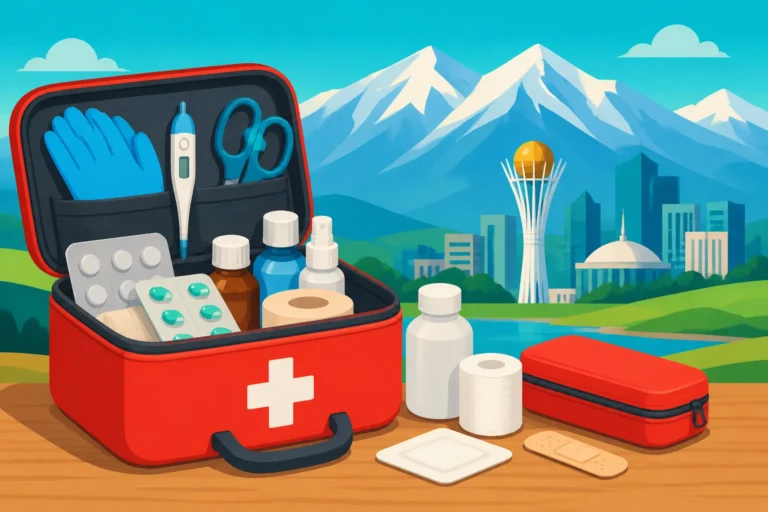
Beyond documents, a well-stocked home medical kit can handle minor emergencies and provide initial relief until professional help arrives. Don't rely solely on Kazakhstani pharmacies for everything, especially if you have specific preferences or need certain brands.
Key items:
- Pain relievers: Paracetamol (acetaminophen) and Ibuprofen.
- Antihistamines: For allergic reactions, both oral and topical.
- Antiseptics: Alcohol wipes, hydrogen peroxide, or chlorhexidine.
- Bandages and dressings: Assorted sizes, sterile gauze pads, adhesive tape.
- Topical creams: For burns, insect bites, or minor skin irritations.
- Thermometer: Essential for monitoring fevers.
- Electrolyte packets: For dehydration, especially common with stomach bugs.
- Any prescription medications: Always have a sufficient supply, especially if you take daily meds.
- Hand sanitizer.
Remember to regularly check expiry dates and replenish items. Having these basics on hand means you won't be scrambling for supplies in a moment of panic.
Understanding Your Insurance Policy Before an Emergency
I cannot stress this enough: read your insurance policy. I know, it's boring, full of jargon, and thick as a brick, but ignorance is not bliss when it comes to medical bills. Understand what your OSMS covers, what your private local insurance covers, and especially what your international travel/expat insurance (like SafetyWing) covers.
Ask yourself these questions:
- Does it cover public hospitals, private clinics, or both?
- What are the deductibles, co-pays, or out-of-pocket maximums?
- Does it cover emergency medical evacuation back to your home country? (Crucial for serious conditions.)
- What is the process for making a claim or getting pre-authorization for treatment?
- Is there a 24/7 emergency hotline, and do they offer translation services?
Knowing these details upfront means you can make quick, informed decisions during an emergency, rather than fumbling through a policy booklet while bleeding. This pre-emptive understanding is part of Navigating the Kazakhstani Healthcare System: An Expat's Roadmap (2027).
Navigating the Aftermath: Practical Tips and Support
An emergency doesn't end when you leave the hospital. The aftermath can involve a host of practical and emotional challenges. Having a plan for this phase is just as important as preparing for the initial crisis.
Administrative Steps After an Emergency
Once the immediate medical crisis has passed, there are often administrative steps you need to take.
- Medical records: Request copies of all your medical records, diagnoses, and treatment summaries. These are essential for follow-up care, insurance claims, and future medical history. While they will likely be in Russian or Kazakh, you can have them translated later.
- Insurance claims: If you paid out-of-pocket, gather all receipts and reports to submit your insurance claim. Be meticulous with documentation, as insurance companies often require detailed evidence. If your international provider, like SafetyWing, handled direct billing, ensure you receive confirmation of payment.
- Work/visa matters: If your emergency led to extended hospitalization or recovery time, inform your employer and check if there are any implications for your work permit or visa status. You might need a doctor's note (больничный лист) for sick leave, which is standard procedure. Our guide on Understanding Sick Leave Entitlements Under Kazakhstani Labour Law might be helpful here.
- Reporting: For accidents involving police (e.g., road traffic accidents), ensure you have copies of any police reports for insurance or legal purposes.
These steps, though tedious, are crucial for tying up loose ends and preventing future complications.
Mental and Emotional Support for Expats
Experiencing a medical emergency, especially in a foreign country, can be deeply traumatic. The stress, fear, language barriers, and cultural differences can take a significant toll on your mental and emotional well-being. Don't underestimate this impact or try to "tough it out."
Ways to seek support:
- Connect with your expat community: Sharing your experience with others who understand the unique challenges of living abroad can be incredibly validating and therapeutic. They might offer practical advice or simply a listening ear.
- Friends and family: Reach out to your support network back home. Video calls can help you feel connected and process your experience.
- Professional help: Consider seeking counseling or therapy. Some international clinics in Almaty and Astana offer mental health services with English-speaking professionals. Your international insurance might even cover these sessions. Remember, there's no shame in seeking help. Learning How to Access Mental Health Services in Kazakhstan as an Expat is a vital resource.
- Self-care: Prioritize rest, healthy eating, and gentle activities that help you relax and de-stress.
Your physical recovery is important, but so is your mental and emotional healing. Give yourself time and space to process what you've been through.
Connecting with Expat Communities for Shared Experiences
The expat community in Kazakhstan, particularly in Almaty and Astana, is a treasure trove of information and support. Online forums, social media groups (like "Expats in Almaty" on Facebook), and local expat clubs are excellent places to connect. During or after an emergency, these communities can offer invaluable advice, recommendations for doctors or clinics, help with translation, or even a friend to visit you in the hospital.
I've seen countless instances where expats have rallied around a community member in crisis, offering everything from rides to the hospital to bringing home-cooked meals during recovery. Don't be afraid to lean on this network. It’s one of the greatest advantages of living abroad – the solidarity and shared understanding that comes from navigating unfamiliar territory together. They can also offer specific, real-world advice on situations like How to Find an English-Speaking Doctor in Kazakhstan or How to Choose the Best Hospital in Almaty.
Remember, you're not alone in this journey. While emergencies are inherently terrifying, being prepared, informed, and connected can make them much more manageable. Kazakhstan has a robust healthcare system, and with the right knowledge and resources, you can navigate its complexities with confidence.
Disclaimer
The information provided in this guide is intended for general informational purposes only and does not constitute medical, legal, or professional advice. While every effort has been made to ensure accuracy and provide up-to-date information, healthcare systems and regulations in Kazakhstan can change. Always consult with qualified medical professionals, insurance providers, and relevant authorities for advice tailored to your specific situation. The author and publisher are not responsible for any adverse outcomes resulting from reliance on the information presented herein.