Can I Use My Foreign Bank Card in Kazakhstan?
Oh, the trusty foreign bank card! It's usually your best friend when traveling, the reliable plastic companion that gets you out of every tight spot back home. But let me tell you, when you first land in Kazakhstan, especially if you’re coming from a country where contactless payments are king and cash is practically an antique, using your foreign bank card can feel like playing a game of Russian roulette. This guide is here to walk you through the very real experience of using your non-Kazakhstani cards, help you understand the nuances, and offer practical advice to avoid those awkward moments at the checkout.
The Reality of Using Foreign Bank Cards in Kazakhstan
Navigating the local financial landscape with a foreign card is one of those quintessential expat experiences in Kazakhstan. You’ll quickly learn that while major cities are generally more accommodating, there's still a significant reliance on local systems and, frankly, a lot of cash.
Acceptance Rates: Where Your Card Might (or Might Not) Work
When you first arrive, you might be surprised by the hit-or-miss nature of foreign card acceptance, especially if you're expecting the seamless experience you get in many Western countries. In cities like Almaty and Astana, you'll find that most large supermarkets, international chain stores, upscale restaurants, and major hotels will readily accept your Visa or Mastercard. This is where your foreign card shines brightest. Think larger establishments like Magnum supermarkets, or international coffee chains.
However, venture a bit further off the beaten path, and the story changes dramatically. Smaller mom-and-pop shops, local bazaars, kiosks, and even some mid-range cafes and restaurants, especially outside the very central districts, often operate on a cash-only basis or exclusively through local payment apps. It's not uncommon to see a card reader present but only accepting local cards, or worse, "temporarily out of service" for international transactions. You'll quickly learn to gauge a place by its size and clientele – the more local and traditional, the higher the chance your foreign card will be met with a polite, or sometimes not-so-polite, shrug. Online purchases, particularly with local Kazakhstani websites, can also be a challenge, often requiring a local card for successful transactions.
The Ubiquity of Local Payment Systems
This is probably the biggest eye-opener for newcomers: the dominance of local payment systems, particularly Kaspi.kz. Kaspi isn't just a bank; it's practically a way of life here. It’s an ecosystem that handles everything from paying utility bills, ordering food, booking cinema tickets, and, of course, making payments in stores. Almost every vendor, from the largest supermarket to the smallest street vendor selling samsa, will have a Kaspi QR code or will ask for your Kaspi payment if you’re trying to go cashless.
While other local banks like Halyk Bank also have strong mobile payment platforms, Kaspi.kz is the undeniable king. Many smaller businesses operate almost exclusively with Kaspi payments, transferring money directly between Kaspi accounts or using their QR codes. If you don't have a Kaspi account, you might find yourself unable to pay with anything but cash in a lot of situations, even if a foreign card reader is technically present. It really underscores why getting familiar with local banking is key, as highlighted in "The Expat Guide to Opening a Bank Account in Kazakhstan."
Foreign Card Fees and Exchange Rates: The Hidden Costs
Even when your foreign card is accepted, you need to be acutely aware of the costs involved. This isn't just about the face value of your purchase; it's about what your bank back home charges you.
Firstly, ATM withdrawals. While you can find ATMs that accept international cards (most Halyk Bank and Kaspi Bank ATMs do), prepare for fees. Your own bank will likely charge a foreign transaction fee, and the local Kazakhstani bank operating the ATM might also levy its own fee. These can quickly add up, turning what seems like a simple cash withdrawal into an expensive endeavor. Always check the on-screen prompts for any local ATM fees before confirming your transaction.
Secondly, exchange rates. Your bank will convert the Kazakhstani Tenge (KZT) purchase into your home currency using its own exchange rate. This rate isn't always the most favorable. Banks often add a markup to the interbank rate, which means you're losing a small percentage on every transaction. This is where services like Wise (formerly TransferWise) come in handy. If you use a Wise debit card, for example, it converts at the mid-market rate, potentially saving you a decent chunk of change compared to traditional bank rates, especially for larger transactions or frequent spending. They essentially cut out a lot of the hidden fees traditional banks impose. Getting a better handle on these financial nuances can significantly impact your budget, so understanding "How to Transfer Money Into and Out of Kazakhstan as an Expat" is highly recommended.
Lastly, Dynamic Currency Conversion (DCC). This is a sneaky one. When paying in a store or at an ATM, you might be asked if you want to pay in KZT or your home currency. Always, always choose KZT. If you choose your home currency, the local merchant or ATM provider sets the exchange rate, and it is almost universally worse than what your bank would offer. It’s a convenience that costs you extra.
Practical Tips for Maximizing Foreign Card Use and Minimizing Headaches
Living in Kazakhstan as an expat means adapting, and your approach to payments is no different. It’s about being prepared for all eventualities.
Always Carry Cash: Your Lifeline in Kazakhstan
This cannot be stressed enough: cash is king in many situations. While Almaty and Astana are increasingly cashless, especially for younger generations using Kaspi, there are countless scenarios where only cold, hard Tenge will do. Imagine trying to buy fresh produce at a local bazaar or pay for a quick taxi ride that doesn't use a ride-hailing app. Many small cafes, kiosks, and even pharmacies might prefer cash or only accept local card payments.
My personal rule of thumb is to always have at least 10,000-20,000 KZT on hand. This covers a few meals, a couple of taxi rides, and minor purchases. It gives you peace of mind and prevents those awkward "my card doesn't work" moments. Make sure you break larger notes (5,000 KZT or 10,000 KZT) when you can, as smaller vendors might struggle with change for anything larger than 2,000 KZT or 5,000 KZT. It's a small habit that will save you a lot of stress.
Notifying Your Bank and Daily Limits
Before you even step foot on Kazakhstani soil, make sure you notify your bank back home that you’ll be traveling to Kazakhstan. Many banks automatically flag transactions from unusual locations as suspicious, leading to your card being blocked. A quick call or online travel notification can prevent this inconvenience. It’s a simple step that many expats forget, only to find themselves stuck when trying to make their first purchase.
Also, be aware of your daily withdrawal and spending limits. These limits are set by your home bank and can vary significantly. If you're planning a larger purchase or need to withdraw a substantial amount of cash, confirm these limits in advance. You don't want to be caught out by a lower-than-expected ATM limit, especially if you're relying on your card for a big expense. Some banks might allow you to temporarily increase these limits, which can be useful for initial setup costs or emergencies. This level of financial foresight is crucial for managing your finances effectively in a new country.
Understanding Dynamic Currency Conversion DCC: Just Say No!
I briefly touched on this earlier, but it's worth reiterating and expanding because it's a common trap. When you're making a payment or withdrawing cash, the terminal might offer you the choice to complete the transaction in KZT (Kazakhstani Tenge) or your home currency (e.g., USD, EUR, GBP). This is Dynamic Currency Conversion (DCC).
While it sounds convenient to see the amount in your familiar currency, resist the temptation. The exchange rate offered by the merchant or ATM operator (which is usually a third-party service, not your bank) is almost always less favorable than the rate your own bank or card network (Visa/Mastercard) would provide. They add their own hidden markup, eating into your money. Always choose to be charged in the local currency, KZT. Let your bank handle the conversion; you'll almost certainly get a better rate. This small decision can save you several percentage points on every single transaction, which accumulates over time, especially for regular expenses. Being savvy about these details is part of "Understanding the Tenge KZT and Foreign Currency Accounts in Kazakhstan."
The Case for Getting a Local Bank Account
While foreign cards can be useful as a backup or for initial spending, truly integrating into the financial system here means getting a local bank account. It’s not just a convenience; it quickly becomes a necessity.
Seamless Transactions and Lower Fees with a Local Card
The most significant benefit of a local bank account, particularly with a dominant player like Kaspi Bank or Halyk Bank, is the sheer ease of transactions. Once you have a Kazakhstani debit card, you unlock the full potential of the local payment ecosystem. Paying for groceries, topping up your phone, getting a taxi through Yandex Go, or even splitting a bill with friends becomes effortless. Kaspi, especially, has an incredibly user-friendly app that integrates almost every financial need you could imagine.
Not only do you gain convenience, but you also drastically reduce or eliminate those pesky foreign transaction fees and unfavorable exchange rates. All your payments are made in KZT, at no extra conversion cost. This means more of your money goes towards what you're actually buying, rather than hidden bank charges. For anyone looking to stay long-term, this is a non-negotiable step for financial efficiency. Understanding "How to Open a Bank Account at a Kazakhstani Bank as a Foreigner" will be your next big step. This streamlined approach to local finances also simplifies aspects like tax compliance, which can be a complex area for expats. Services like Taxes for Expats can help navigate the broader tax landscape once your local finances are in order.
Accessing Local Online Services and Apps
Beyond physical payments, a local bank account is your gateway to Kazakhstan's digital world. Many essential online services and apps require a local payment method. Think about paying your utility bills (electricity, water, heating), internet, mobile phone top-ups, or even government services through the eGov portal. While some might accept foreign cards, many often default to or prefer local cards and bank transfers.
The Kaspi.kz app, for instance, allows you to manage all these payments directly from your phone. You can pay for practically anything with a few taps. Without a local account, you'll be constantly looking for workarounds, asking friends to pay for you and reimbursing them, or physically going to payment terminals – all of which are time-consuming and inefficient. If you're planning to live and work here, a local account isn't just an option, it’s empowerment. It's truly understanding "How to Use Kaspi and Local Payment Systems in Kazakhstan" to their fullest potential.
The Process of Opening a Local Bank Account as a Foreigner
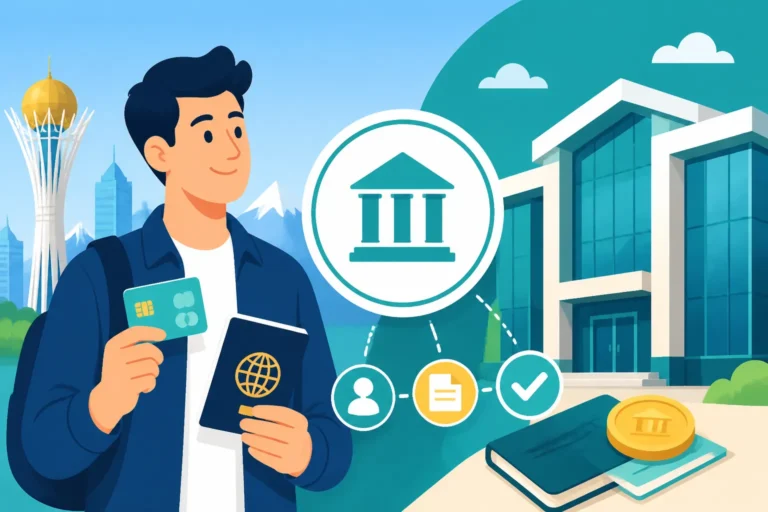
Opening a bank account as a foreigner in Kazakhstan is a fairly straightforward process, but it does require some specific documentation. The most crucial item you’ll need is an Individual Identification Number (IIN). This is Kazakhstan's equivalent of a tax ID or social security number, and it's absolutely essential for almost all official transactions, including banking.
Once you have your IIN, you'll typically need your passport, your visa or temporary residence permit (if applicable), and possibly a local registered address (which can sometimes be tricky for new arrivals). Banks like Kaspi and Halyk are generally expat-friendly. The process usually involves a visit to a branch, filling out some forms, and getting your IIN verified. While it might sound like a bureaucratic hurdle, the long-term benefits far outweigh the initial effort. If you’re wondering "Do I Need an IIN to Open a Bank Account in Kazakhstan?", the answer is a resounding yes! And for a detailed walkthrough, you should definitely check out "What Documents Do I Need to Open a Bank Account in Kazakhstan?" and "How Do I Get an IIN Individual Identification Number in Kazakhstan?"
| Feature | Foreign Bank Card (e.g., Visa/Mastercard from home country) | Local Bank Card (e.g., Kaspi/Halyk from Kazakhstan) |
|---|---|---|
| Acceptance | Major cities: supermarkets, hotels, intl. chains. | Universal for almost all vendors & services. |
| Smaller shops, bazaars, local online: often not accepted. | Fully integrated into local payment ecosystem. | |
| Fees | Foreign transaction fees (by home bank), ATM withdrawal fees (by local bank + home bank), poor DCC exchange rates. | No foreign transaction fees, minimal/no ATM fees from own bank, favorable local rates. |
| Exchange Rate | Determined by home bank (often with markup), poor DCC rates. | N/A (all transactions in KZT). |
| Convenience | Limited to larger establishments; constant worry about acceptance. | Seamless payments via card/QR/app; fully digital. |
| Online Services | Limited access to local online payments & apps. | Full access to Kaspi.kz, eGov, utilities, etc. |
| Security | Relies on home bank's security; harder to resolve local disputes. | Local bank security; easier to resolve issues locally. |
| Setup Time | Instant (if you already have one). | Requires IIN, passport, residence docs; can take 1-3 days. |
| Best For | Short-term visitors, initial days, backup funds. | Long-term residents, daily living, full financial integration. |
Dealing with Unexpected Card Issues and Emergencies
Life as an expat is all about navigating the unexpected, and that includes dealing with financial hiccups. Being prepared for your card to go missing or stop working is crucial.
Lost, Stolen, or Blocked Cards: What to Do
Picture this: you’re out and about, maybe enjoying the vibrant atmosphere of Green Bazaar in Almaty, and suddenly realize your wallet, and with it your precious foreign bank card, is gone. Panic sets in, right? It’s a horrible feeling, but having a plan helps.
The absolute first thing you must do is contact your home bank immediately. Use an international calling app, email, or their online banking portal to report the card as lost or stolen. Most banks have a 24/7 helpline for this exact reason. The sooner you report it, the less likely you are to be liable for any fraudulent transactions. Remember that handy notification you made before traveling? This is where it pays off, as they’ll already know you're in Kazakhstan.
If your card is blocked due to suspicious activity, and you didn't notify your bank, it’s a similar process. You'll need to call them to verify the transactions and unblock the card. This can be more frustrating if you’re trying to make an urgent purchase, emphasizing the importance of that pre-travel notification. Ensure you have your bank's international contact number saved somewhere accessible, not just on the card itself, which might be gone!
Emergency Funds and Alternative Payment Methods
This ties directly into the "always carry cash" advice, but it goes a step further. Beyond daily cash, you should always have a backup plan for larger emergencies.
Multiple Cards: Don't rely on just one foreign card. Carry a second card from a different bank, or even a different card network (e.g., one Visa, one Mastercard), and keep it separate from your main wallet. If one card is compromised, lost, or simply doesn't work with a particular terminal, you have another option. This is where a multi-currency card like Wise can also be invaluable, offering another payment rail.
Emergency Cash Stash: For true emergencies, consider having a hidden stash of USD or EUR. These major currencies are easily exchanged at banks and official exchange offices throughout Kazakhstan, even on weekends. A few hundred dollars can get you out of a bind, cover a flight ticket, or pay for emergency accommodation if everything else fails.
Digital Wallets/Apps (if applicable): If your foreign bank supports Apple Pay or Google Pay and these are accepted by some terminals in Kazakhstan, this can be a good backup. However, their acceptance can be even more limited than physical foreign cards, so don't solely rely on them.
Ultimately, diversifying your payment options, carrying adequate cash, and preparing for the worst-case scenario will significantly reduce stress and ensure you're never truly stranded. It's all part of becoming a savvy expat in Kazakhstan and managing your finances effectively, a journey that also includes knowing "How Much Income Tax Will I Pay in Kazakhstan in 2026?" and other financial considerations.
Disclaimer
The information provided in this guide is for general informational purposes only and does not constitute financial, legal, or professional advice. While we strive to provide accurate and up-to-date information, circumstances in Kazakhstan, including banking regulations and service availability, can change rapidly. Always consult with relevant financial institutions, legal professionals, or official government sources for the most current and specific advice tailored to your individual situation. Using a foreign bank card in Kazakhstan may involve fees, exchange rate fluctuations, and other terms and conditions set by your home bank and local financial institutions.