How Do I Get My Residence Card After Approval in Kazakhstan?
Congratulations! You’ve reached a significant milestone in your expat journey in Kazakhstan: your residence permit application has officially been approved. That news is truly a huge weight off your shoulders, I know, because I've been there myself, staring at that email or eGov notification, a mix of relief and a new wave of questions washing over me. "Okay, great," you think, "but how do I actually get the physical card in my hand now?" This is a perfectly normal and common point of confusion for newcomers, as the process doesn't always flow as linearly as we might hope. Let's break down exactly what happens next and how you can successfully obtain your residence card without too many headaches.
Understanding What "Approval" Actually Means in Kazakhstan
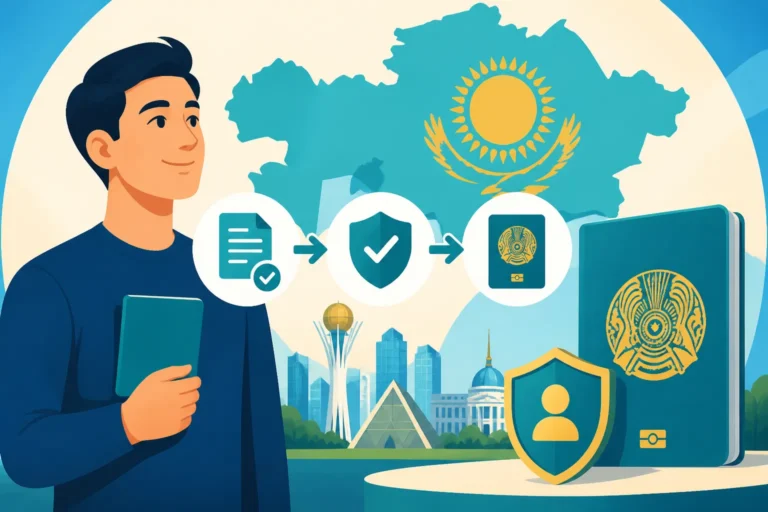
Receiving "approval" for your residence permit application is fantastic news, but it's important to understand that this isn't the final step in the physical issuance of your card. Think of it as getting the green light from the authorities that your application meets all the criteria. The paperwork has been reviewed, the background checks are clear, and your right to reside here has been officially recognized. However, the actual card, your proof of residence, still needs to be produced and collected. This distinction is crucial because it means there are still a few bureaucratic hoops to jump through before that card is nestled safely in your wallet.
The Notification Process
When your application is approved, you'll typically receive notification through one of a few channels. For many, this comes via the official eGov portal, where you initially submitted your application or tracked its status. You might see the status change from "under review" to "approved." Sometimes, if you've applied through a company or a legal consultant, they will receive the notification first and then inform you directly. It's rare, but sometimes a phone call or SMS might also be used, though relying solely on these isn't always the wisest plan.
This notification often contains crucial details about the next steps. It might specify which Public Service Center (PSC, locally known as a TsON – Tsentr Obsluzhivaniya Naseleniya) you need to visit, or if an appointment is required. Pay close attention to any dates or deadlines mentioned, as these are often strict. I remember frantically trying to decipher a short, official message that felt more like a riddle than a clear instruction. If you're using a local assistant or your company's HR department, make sure they translate and explain every detail thoroughly.
Initial Documents and Verification
Even though your application has been approved, the wheels of Kazakhstani bureaucracy often require you to re-present certain documents or verify information one last time. This isn't usually about questioning your approval but rather ensuring consistency and accuracy for the physical card. You'll definitely need your passport – the original, of course, and several copies of relevant pages (bio-data page, current visa if you had one, any entry stamps). You'll also need your Individual Identification Number (IIN), which is your unique personal identifier here. If you haven't obtained one yet, this is a critical step, and you can find comprehensive guidance on How Do I Get an IIN (Individual Identification Number) in Kazakhstan.
Additionally, bring the official approval letter or notification printout from the eGov portal. While they usually have digital records, having your own copy can expedite the process significantly. Sometimes, they might ask for proof of address (like your rental agreement) or a receipt for any state duties or fees paid during the application process. My advice? Always bring more documents than you think you'll need. It's better to have them and not need them, than to need them and have to make another trip.
The Essential Steps to Collect Your Residence Card
Alright, the moment of truth! With your approval in hand (or at least digitally), it’s time to prepare for the actual collection of your residence card. This part of the process is usually handled by the Public Service Centers (PSCs) or designated Migration Service departments, which are the frontline of administrative services in Kazakhstan. Don’t expect a fancy office; these are often busy, bustling places, designed to serve a large public.
Scheduling Your Appointment
Unlike some countries where you just walk in, many PSCs, especially in larger cities like Almaty or Astana, now operate on an appointment system for specific services. This is a blessing and a curse. A blessing because it should reduce wait times, a curse because actually getting an appointment can be its own mini-quest. You can often schedule an appointment through the eGov portal. Navigate to the section related to migration or residence permits, and look for an option to book a slot for "issuance of a residence permit" or similar wording. The interface can be a bit clunky, and it might primarily be in Kazakh or Russian, so be prepared with a translation app or a helpful local.
Sometimes, for more complex situations or if the eGov system is not cooperating, you might need to go to the PSC in person to schedule. This means an initial trip just to get an appointment for a later date. This can be frustrating, especially if you've already mentally checked off "get residence card" from your to-do list. When you do get to your appointment, make sure to arrive early. Punctuality is appreciated, and it gives you a buffer against unexpected queues or parking issues.
Required Documents for Card Issuance
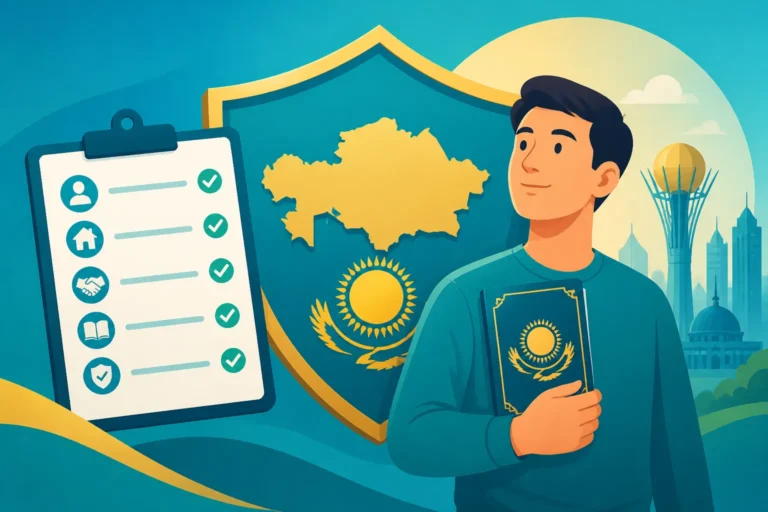
Even after your approval, you’ll need to present a specific set of documents for the card issuance itself. This is critical. Without the right paperwork, you’ll be turned away, no matter how approved you are. Here’s a detailed list of what you should absolutely bring:
- Original Passport: Your valid passport is the primary identification document.
- Copies of Passport: Several photocopies of your passport's main data page and the page with your valid visa (if applicable) or entry stamps.
- IIN Confirmation: A printout or digital copy of your IIN certificate.
- Application Approval Notification: The official notification from eGov confirming your residence permit approval. Print this out.
- Receipt of State Duty Payment: There is usually a state duty (fee) for the issuance of the residence card. Make sure you have the payment receipt. This is usually a small amount, around 0.2 Monthly Calculation Index (MCI), which is approximately 738 KZT as of early 2024. You might have paid this earlier, but you'll need the proof.
- Application Form: Sometimes, even post-approval, they might ask you to fill out a brief form on the spot for their records. It's a good idea to bring a pen.
- Photos: While they often take a digital photo on site, it's wise to have a couple of passport-sized photos (3.5×4.5 cm, white background) just in case their equipment isn't working or for any unforeseen requirement.
- Temporary Registration Proof: If you registered your temporary address upon arrival, a copy of that registration might be requested.
Here’s a handy table to keep your documents in order:
| Document Type | Original Required? | Copies Required? | Notes |
|---|---|---|---|
| Valid Passport | Yes | Yes (2-3) | Main data page, visa page, entry stamps. |
| IIN Confirmation | No (Digital OK) | Yes (1-2) | Have the certificate readily accessible. |
| Approval Notification (eGov) | No (Printout OK) | Yes (1-2) | Printed copy of the official approval. |
| State Duty Payment Receipt | Yes | Yes (1) | Proof of payment for the card issuance fee. |
| Passport-sized Photos (3.5×4.5 cm) | Yes (2) | No | For backup, even if they take a digital one. |
| Temporary Address Registration Proof | No | Yes (1) | If applicable, proof of your initial registration. |
Remember, the specifics can sometimes vary slightly by region or even by the individual officer, so being over-prepared is always the best strategy when dealing with Kazakhstani administrative processes. For a detailed look at all the paperwork you might encounter, check out Understanding Document and Translation Requirements for Kazakhstan Immigration.
The Biometrics and Photo Process
Once you’re finally called up at the PSC, this is where the magic (or the mildly awkward part) happens. They will capture your digital photograph and your fingerprints. This biometric data is essential for your residence card, making it secure and uniquely tied to you. The photo will be taken directly at their station, so try to look presentable – no hats, glasses (unless medically necessary), and a neutral expression.
The fingerprinting process is usually electronic, using a scanner. You’ll be asked to place each finger, and then sometimes both thumbs, onto the scanner. It’s a quick, straightforward process, but sometimes the equipment can be a bit finicky. Just follow the instructions of the staff, and if there’s a language barrier, hand gestures are surprisingly universal here. This step is crucial, as it’s what links you physically to your new residence permit and ensures its authenticity.
After this, they’ll usually tell you a specific date, often within 5-10 working days, when your physical card will be ready for collection. Sometimes, it can be expedited if you pay an additional fee, but this isn't always offered for residence cards. Make sure you understand the collection date and time, and if it's the same office or a different one.
Common Hurdles and How to Overcome Them
Navigating official processes in a foreign country is rarely a walk in the park, and Kazakhstan is no exception. Even with approval, there are often unexpected twists and turns. Patience and preparation are a newcomer’s best friends.
Language Barriers and Assistance
This is perhaps the biggest hurdle for many non-Russian or non-Kazakh speakers. While staff at PSCs in major cities might know a few basic English phrases, don't rely on it. Official communication and forms will almost exclusively be in Kazakh and Russian. I've spent many hours in PSCs, listening to exasperated expats trying to communicate complex issues with staff who are equally frustrated by the language gap.
How to Overcome:
- Bring a Local Friend or Colleague: This is by far the best option. A local who is fluent in both languages can translate in real-time and help you fill out any last-minute forms. Offer to buy them coffee or dinner for their invaluable help!
- Use Translation Apps: Google Translate or similar apps can be helpful for simple phrases, but they struggle with official jargon. Don't rely on them for critical conversations.
- Hire a Professional Interpreter/Assistant: If your company is sponsoring you, they might provide this service. If not, consider hiring a freelance interpreter for a few hours. It’s an investment that can save you immense stress and multiple trips.
- Learn Key Phrases: Even a few basic phrases like "Menin atym…" (My name is…) or "Men tikeley qabyl almaimyn" (I don't understand) can help show respect and initiate communication.
Navigating the eGov Portal and Migration Service
The eGov portal is Kazakhstan's digital gateway for many government services, and it’s a powerful tool… when it works as expected. However, it can be intimidating for foreigners. The interface can be complex, and technical glitches aren't unheard of. The Migration Service departments, on the other hand, are the physical offices that handle immigration matters directly. You might interact with them if there are specific complex issues or if your case falls outside standard PSC procedures.
How to Overcome:
- Patience and Persistence: This is key. If the eGov portal isn’t responding, try again later or from a different browser. If you’re struggling to find information, don’t give up.
- Seek Guidance: Many local HR departments or immigration consultants specialize in navigating eGov for foreigners. Don’t hesitate to ask for help from those more experienced with the system. You can also refer to guides like Understanding the eGov and Taxpayer Cabinet Portals in Kazakhstan for a general overview.
- Understand Their Role: The PSCs are primarily for routine services like card issuance. More complex queries or issues with the approval itself might need to be directed to the Migration Service. Knowing the difference can save you a wasted trip. For a deeper dive into their functions, check out Understanding the Role of the Migration Service in Kazakhstan.
Dealing with Delays and Unforeseen Issues
Ah, the classic expat experience: "It should take X days, but it took Y months." Delays are a reality of administrative processes everywhere, and Kazakhstan is no different. It could be a backlog, a system update, a holiday, or simply the office being overwhelmed. Sometimes, you might also encounter an unforeseen issue, like a minor detail on your application that needs clarification, or a technical problem with their equipment.
How to Overcome:
- Manage Expectations: Don't book your next international trip the day after your card is supposed to be ready. Build in buffer time for everything.
- Stay Calm and Polite: Losing your temper won't help. A calm, respectful approach is always more effective, even if you’re internally screaming.
- Follow Up Regularly (but not excessively): If your card is delayed beyond the stated collection date, a polite follow-up call or visit to the PSC after a few extra days is acceptable. Don't call every day, but also don't wait indefinitely.
- Document Everything: Keep copies of all correspondence, receipts, and any official notifications. If you have to escalate an issue, having a clear paper trail is invaluable.
What to Do Once You Have Your Residence Card
The moment you’ve been waiting for! That little plastic card, bearing your photo and details, is finally in your hand. This is more than just a piece of plastic; it’s your official proof of residence and opens up a new level of integration into life in Kazakhstan. But the journey isn't quite over. There are a few crucial follow-up steps you need to take.
Activating Your Card and Linking it to Services
In some cases, your residence card might need a form of 'activation' or linking, especially with your existing eGov profile. While the card itself is issued by the government, ensuring it's digitally connected to your profile can streamline future interactions. Take the time to log into your eGov account and see if there are any prompts to update your details or confirm the issuance of your residence permit. This helps ensure all your official records are consistent.
Once you have your residence card, it essentially replaces your visa as your primary proof of legal residence. You'll use it for almost all official transactions, from opening a bank account to registering for services. Speaking of bank accounts, if you haven't already, now is an excellent time to visit a local bank like Kaspi Bank or Halyk Bank to open a proper resident account, using your new card as identification. You can learn more about this in The Expat Guide to Opening a Bank Account in Kazakhstan.
Important Next Steps and Responsibilities
Having your residence card in hand marks a shift in your legal status and brings with it new responsibilities.
Firstly, always carry your residence card with you. It's your primary identification document in Kazakhstan and will be required for everything from administrative tasks to sometimes even just showing proof of identity.
Secondly, you need to ensure your address registration is current and correctly linked to your residence permit. If your address has changed since your initial temporary registration, or if your temporary registration was for a short-term stay, you’ll need to formally register your new, permanent address. This is a crucial step that many expats overlook. You can find detailed instructions on How to Register Your Arrival with the Migration Service in Kazakhstan. Failure to register your address correctly can lead to fines or other administrative penalties.
Thirdly, inform your employer (if applicable) and any other official bodies that you've been dealing with (e.g., your health insurance provider). Your employer will need an updated copy of your residence card for their records, especially for tax and social security contributions. On the healthcare front, while OSMS (Compulsory Social Health Insurance) covers many essential services, if you're looking for more comprehensive coverage or a broader choice of clinics, consider private international health insurance options. Companies like Cigna Global offer excellent plans tailored to expats, providing an additional layer of peace of mind. You can explore Health Insurance in Kazakhstan: OSMS, Private and International Options Explained to understand your options better.
Lastly, and this is looking ahead, remember that your residence card has an expiration date. Don't let it sneak up on you! Make a note of it and begin the renewal process well in advance, typically 3-6 months before expiration. You can get a head start on understanding that process by reading How to Renew Your Residence Permit in Kazakhstan. This proactive approach will save you a lot of stress down the line.
Remember, getting your residence card is just one step in settling in. Thinking about your move and all your belongings? Resources like Sirelo can help you find reliable moving services to Kazakhstan and make the entire relocation process smoother.
Disclaimer
The information provided in this guide is intended for general informational purposes only and does not constitute legal or professional advice. While we strive to keep the information up-to-date and accurate, laws, regulations, and procedures in Kazakhstan are subject to change without notice. Always consult with the official government sources, legal professionals, or immigration specialists for advice pertaining to your specific situation. Reliance on any information in this guide is solely at your own risk.