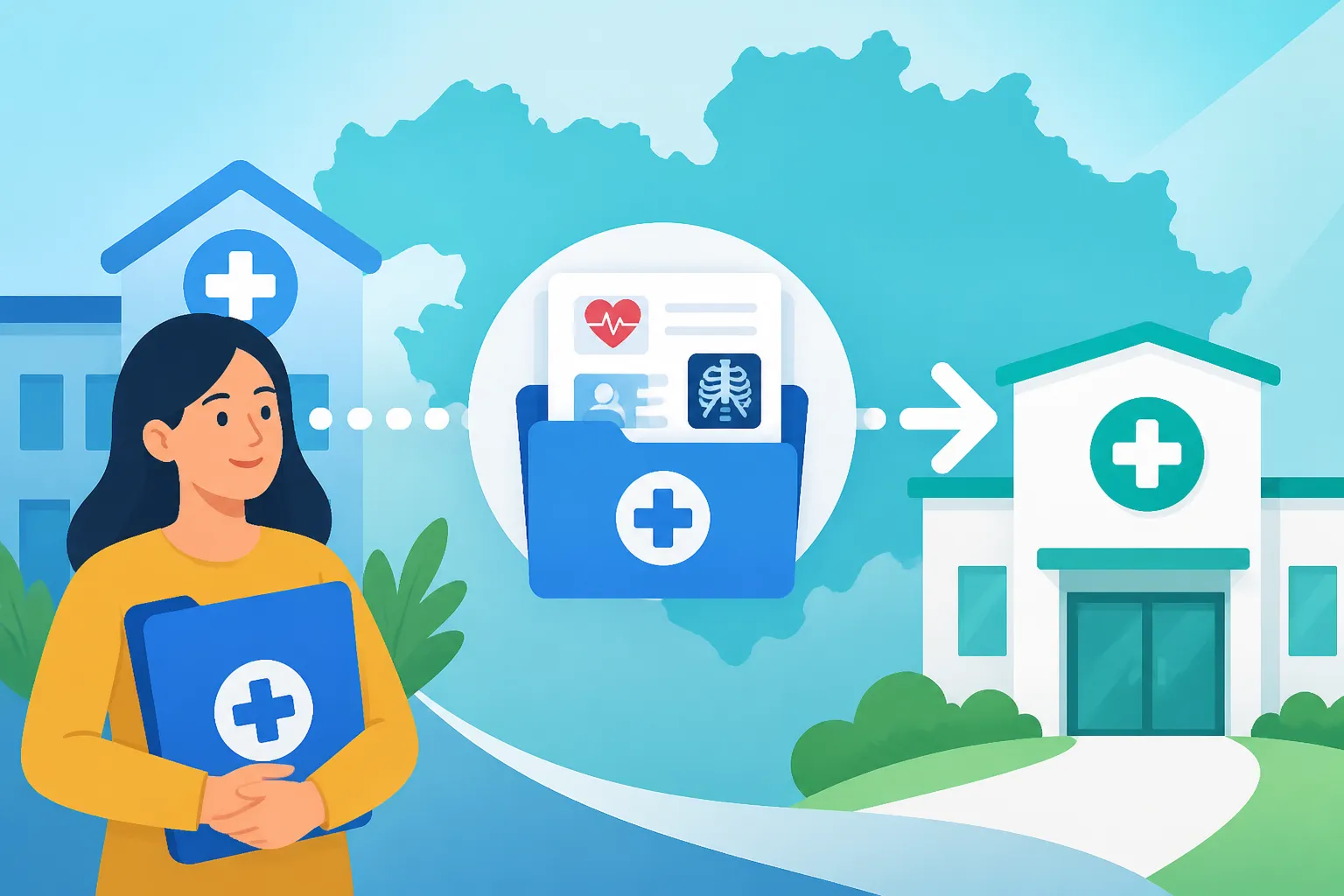
How Do I Transfer My Medical Records to a New Clinic in Kazakhstan?
Ah, the never-ending dance of paperwork and bureaucracy when you're an expat! Getting sick or needing ongoing medical care in a new country like Kazakhstan is stressful enough without the added headache of figuring out how to get your medical history recognized. It's truly frustrating to know you have a comprehensive health record back home or at a previous clinic here, but then feel like you're starting from scratch every time you move or change doctors. This guide is here to untangle that knot, walking you through the practical steps and common pitfalls of transferring your medical records to a new clinic in Kazakhstan, whether you're moving within the country or arriving from abroad.
The Initial Hurdles of Navigating Kazakhstani Healthcare Records
When you first arrive or move around in Kazakhstan, the concept of a seamless, internationally transferable medical record often feels like a distant dream. Many of us expats have arrived with thick binders of our health history, diligently translated and organized, only to find they're not quite what the local system expects. It's a common source of frustration, but understanding why can help you navigate it better.
Why Your Foreign Records Might Not Be Enough
Let's be brutally honest: your meticulously kept medical records from back home, even if beautifully translated and notarized, often face an uphill battle in the Kazakhstani healthcare system. The primary reason is simply a difference in systems and, often, language. While medical terminology is somewhat universal, the formatting, diagnostic codes, and even the approach to patient history can vary significantly. A local poliklinika (polyclinic) doctor, especially one who doesn't speak English, might find your foreign records overwhelming or difficult to interpret quickly during a consultation. It’s not that they don't care, but they are trained to work within their specific framework.
Moreover, there's a lack of universal digital integration between foreign and Kazakhstani healthcare providers. Your clinic in London or Toronto isn't digitally linked to your new poliklinika in Almaty or Astana. This means your foreign records serve more as informative background material for your new doctor rather than something that can be directly uploaded or transferred into your official local medical file. For expats, this often means reiterating your entire medical history, sometimes multiple times, which can feel incredibly repetitive and inefficient. This is why understanding How Do I Get Medical Treatment as a Foreigner in Kazakhstan? is crucial, especially in the early days.
Understanding the Local System: Poliklinikas and Digital Records
In Kazakhstan, your primary medical hub is almost certainly going to be your assigned poliklinika. This is your local polyclinic, essentially your family doctor's office, but often on a much larger scale, housing various specialists and diagnostic services under one roof. When you register for Compulsory Social Health Insurance (OSMS), you'll typically be attached to a specific poliklinika based on your registered address. This institution becomes the keeper of your primary medical record within the public healthcare system. If you haven't yet, you might want to look into How to Choose and Register with a Clinic Poliklinika in Kazakhstan.
Kazakhstan has made significant strides in digitalization, and many poliklinikas now use electronic health records (EHRs). This is a huge improvement from the days of purely paper files. However, the degree of digitalization can still vary between cities and even between different clinics within the same city. Your medical history within this local system becomes tied to your unique Individual Identification Number (IIN) – a vital piece of personal identification here. When you move clinics within Kazakhstan, the idea is that your digital record should follow you. However, as with any system, there can be hiccups, and sometimes a physical transfer or manual entry is still necessary.
Step-by-Step Guide to Transferring Your Records (Within Kazakhstan)
If you're already settled in Kazakhstan and have an established medical record at one poliklinika but are now moving to a new area or simply wish to change clinics, the process is generally more straightforward than starting from scratch. However, it still requires a proactive approach.
Deregistering from Your Old Clinic
Before you can properly register at a new poliklinika, you usually need to officially deregister from your current one. This is a crucial step to ensure your medical history can be transferred without creating duplicate records or complications within the system. Think of it like transferring schools for a child; there's a formal exit process.
You'll need to physically visit the administration or registration desk (registratura) of your old poliklinika. Explain clearly that you intend to change clinics. They will likely ask for your passport or residence permit, your IIN, and proof of your current registration with them. In some cases, especially if you've been a patient for a long time or have a complex medical history, they might ask you to write a formal request letter (which they can usually provide a template for) for the transfer of your records. While the goal is usually a digital transfer, it's always wise to ask for a physical copy of your key medical summaries or recent test results for your personal files. This ensures you have a backup in case of any digital glitches during the transfer process. Sometimes, they might tell you the new clinic will handle the transfer, but being informed and having copies yourself is key.
Registering with Your New Clinic and Submitting Records
Once you've sorted out the deregistration (or at least informed your old clinic of your intent), your next step is to head to your new poliklinika. You’ll need to bring several essential documents with you. This typically includes your passport or residence permit, your IIN, and proof of your new address in their service area (like a rental agreement or property ownership documents). It's also incredibly helpful to bring any physical copies of your medical records you obtained from your previous clinic.
When you register, inform the staff that you're transferring from another poliklinika within Kazakhstan. They should then be able to initiate the process of importing your existing digital medical records into their system. While the system is designed for this to be relatively seamless, don't be shy about following up. Sometimes, a quick call from the new clinic's administrator to the old one can expedite things. Your new doctor will then be able to access your complete history, including past diagnoses, treatments, and Prescription Medications and Pharmacies in Kazakhstan: The Complete Guide that have been recorded. This process ensures continuity of care, which is vital, especially for ongoing conditions.
What to Do If You're Coming from Abroad (No Previous Local Records)
If you're a newcomer to Kazakhstan, you won't be transferring records in the traditional sense, but rather establishing them. This can feel like a daunting task, especially if you have a complex medical history. Your goal isn't to "transfer" a foreign file directly into the Kazakhstani system, but to use your foreign records to inform the creation of a comprehensive new local file.
Start by translating and apostilling (or notarizing, depending on the requirements of the specific clinic or your home country) your most crucial medical documents. This should include a summary from your previous primary care physician detailing your general health, any chronic conditions, allergies, a list of current medications, and your vaccination records. Think of this as your medical "executive summary." These documents will be vital during your initial consultations. When you go to register at your chosen poliklinika (which requires an IIN and often a valid long-term visa or residence permit), you'll present these to your newly assigned doctor. They will then use this information as a baseline to create your medical history within their system. Be prepared for an initial comprehensive consultation, possibly involving various tests, to establish your health status according to local standards. Remember, even if you’re just visiting, it’s good to know How Do I Get Medical Treatment as a Foreigner in Kazakhstan?.
Overcoming Common Challenges and Tips for Expats
Navigating the healthcare system in Kazakhstan, even for routine matters like record transfers, can throw up a few curveballs. For expats, these challenges are often amplified by language, cultural differences, and a sometimes-unfamiliar administrative approach.
Language Barriers and Cultural Nuances
This is perhaps the biggest hurdle for many expats in Kazakhstan. Trying to explain a nuanced medical history, especially complex conditions or past surgical procedures, through Google Translate or a well-meaning but non-medical friend can be incredibly stressful and prone to misunderstandings. Even if a doctor speaks some English, explaining highly specific medical terms can be difficult.
My advice? Always be over-prepared. If you have a friend or colleague who is fluent in both English and Kazakh or Russian and has some familiarity with medical terminology, see if they can accompany you. Otherwise, research clinics known for having English-speaking staff. Major cities like Almaty and Astana have a growing number of such doctors, particularly in private clinics. Bring written summaries (even if basic) in Russian or Kazakh, translated by a professional if possible. This helps immensely. It’s also worth looking for How to Find an English-Speaking Doctor in Kazakhstan before you even need one in an emergency.
Digital vs. Paper: Navigating the Hybrid System
While Kazakhstan's healthcare system is increasingly digital, there's still a significant amount of paper documentation, especially in older clinics or for specific procedures. You might find that your poliklinika has a digital record, but a specialist you see might still give you a physical printout of their findings. This hybrid system can be confusing.
My steadfast advice is to become your own medical archivist. Always ask for copies of important test results, diagnostic imaging reports, discharge summaries, and specialist consultations. Keep a personal physical file at home, and ideally, create a digital backup. Scan everything into PDFs and keep it organized on your computer or a cloud service. This personal file acts as your ultimate backup, ensuring that even if there are system glitches or lost paper records, you still have your comprehensive history at your fingertips. This becomes particularly vital if you ever need Emergency Medical Care in Kazakhstan: What Every Expat Needs to Know while traveling, where having immediate access to your medical history can make all the difference.
The Importance of a Personal Medical File
Building on the previous point, maintaining your own, comprehensive personal medical file is not just a good idea – it's practically a necessity for expats in Kazakhstan. Consider it your bulletproof vest against administrative hiccups. This file should contain everything: copies of your initial translated foreign medical summary, every test result you've had in Kazakhstan, every specialist report, a running list of all medications (both prescription and over-the-counter), and any vaccination records.
Why is this so critical? First, it ensures continuity of care. If you switch clinics again, see a different specialist, or travel outside Kazakhstan, you have immediate access to your history. Second, it empowers you. You are the ultimate custodian of your health information. Third, it's invaluable in an emergency. If you suddenly fall ill or have an accident, having this concise, organized information can save precious time and help medical professionals make informed decisions. For those who travel frequently, having a digital copy accessible via phone or cloud is a lifesaver. This is where services like SafetyWing, which offers health insurance for digital nomads and expats, often recommend keeping accessible records for unexpected medical events abroad. Having your medical history at your fingertips makes any insurance claim smoother, too.
Navigating Private Clinics for a Smoother Experience
While the public poliklinika system forms the backbone of healthcare in Kazakhstan, many expats find themselves leaning on private clinics for a variety of reasons. When it comes to managing and transferring medical records, private clinics often offer a distinct advantage.
The Benefits of Private Clinics for Record Management
Private clinics in major Kazakhstani cities like Almaty and Astana are generally more modern, better equipped, and often employ more English-speaking staff. This immediately reduces the language barrier frustration. Crucially, they tend to have more robust and streamlined digital record-keeping systems. You'll often find that your entire history at a private clinic is meticulously kept in an electronic format, easily accessible to all their internal doctors. Some even offer patient portals where you can view your own records, test results, and appointment history online.
These clinics are often more accustomed to dealing with international patients, making them more receptive to integrating foreign medical summaries into their system. They might have dedicated international patient coordinators who can assist with translations or interpreting your home country's medical documents. While the costs are higher than the public system, the enhanced communication, efficiency, and professionalism often make it a worthwhile investment for many expats. Understanding Public vs Private Healthcare in Kazakhstan: What Expats Need to Know can help you make an informed decision.
Integrating Private Clinic Records with Public System (OSMS)
Here's where it gets a little tricky: while private clinics offer excellent service and record keeping, their systems don't always automatically integrate with the public OSMS (Compulsory Social Health Insurance) system. This means if you primarily use private healthcare but still want your poliklinika record to be up-to-date (which is important for OSMS coverage and referrals within the public sector), you'll need to be proactive.
Anytime you have significant test results, a new diagnosis, or a specialist consultation at a private clinic, make sure to get a hard copy of the report. Then, take these documents to your assigned poliklinika doctor. They can review them and manually update your public health record. This might seem like an extra step, but it ensures your comprehensive medical history is maintained across both systems, which can be important for referrals or if you ever need to rely on the public system. For those considering private care, delving into Understanding Private Health Insurance Plans in Kazakhstan is a smart move. Many international health insurance providers, like SafetyWing, cater specifically to expats, providing comprehensive coverage that makes private clinic access much more feasible and convenient. They often allow direct billing with a network of private hospitals, simplifying the financial aspect of your healthcare journey.
Comparison of Record Transfer Scenarios
To help visualize the difference, here’s a quick overview of the processes:
| Feature | Transferring within Kazakhstan (Old Poliklinika to New Poliklinika) | Establishing Records (New Arrival from Abroad) |
|---|---|---|
| Starting Point | Existing local medical record at a Kazakhstani poliklinika. | Foreign medical records (or none), no local history yet. |
| Primary Goal | Seamless transfer of digital/physical records to maintain continuity. | Create a new, comprehensive local medical file from scratch. |
| Key Steps | 1. Deregister from old clinic. | 1. Translate & notarize key foreign records (optional but highly recommended). |
| 2. Register at new clinic. | 2. Obtain IIN. | |
| 3. New clinic requests/receives records from old. | 3. Register at a poliklinika (if eligible for OSMS). | |
| 4. Initial comprehensive consultation with new doctor. | ||
| Documents Needed | Passport/residence permit, IIN, old registration proof, new address proof. | Passport/visa/residence permit, IIN, proof of address, translated foreign medical summary. |
| Primary Challenge | Digital transfer glitches, follow-up required. | Language barrier, explaining foreign history, establishing trust. |
| Outcome | Your existing local medical file continues at the new clinic. | A new local medical file is initiated in Kazakhstan's system. |
Disclaimer
Please remember that while this guide is based on current information and common expat experiences in Kazakhstan, healthcare policies and administrative procedures can change. It is always recommended to verify the most up-to-date requirements with your specific clinic, local health authorities, or a reputable expat service provider. This information should not be taken as legal or definitive medical advice.