Can I Get a Second Medical Opinion in Kazakhstan?
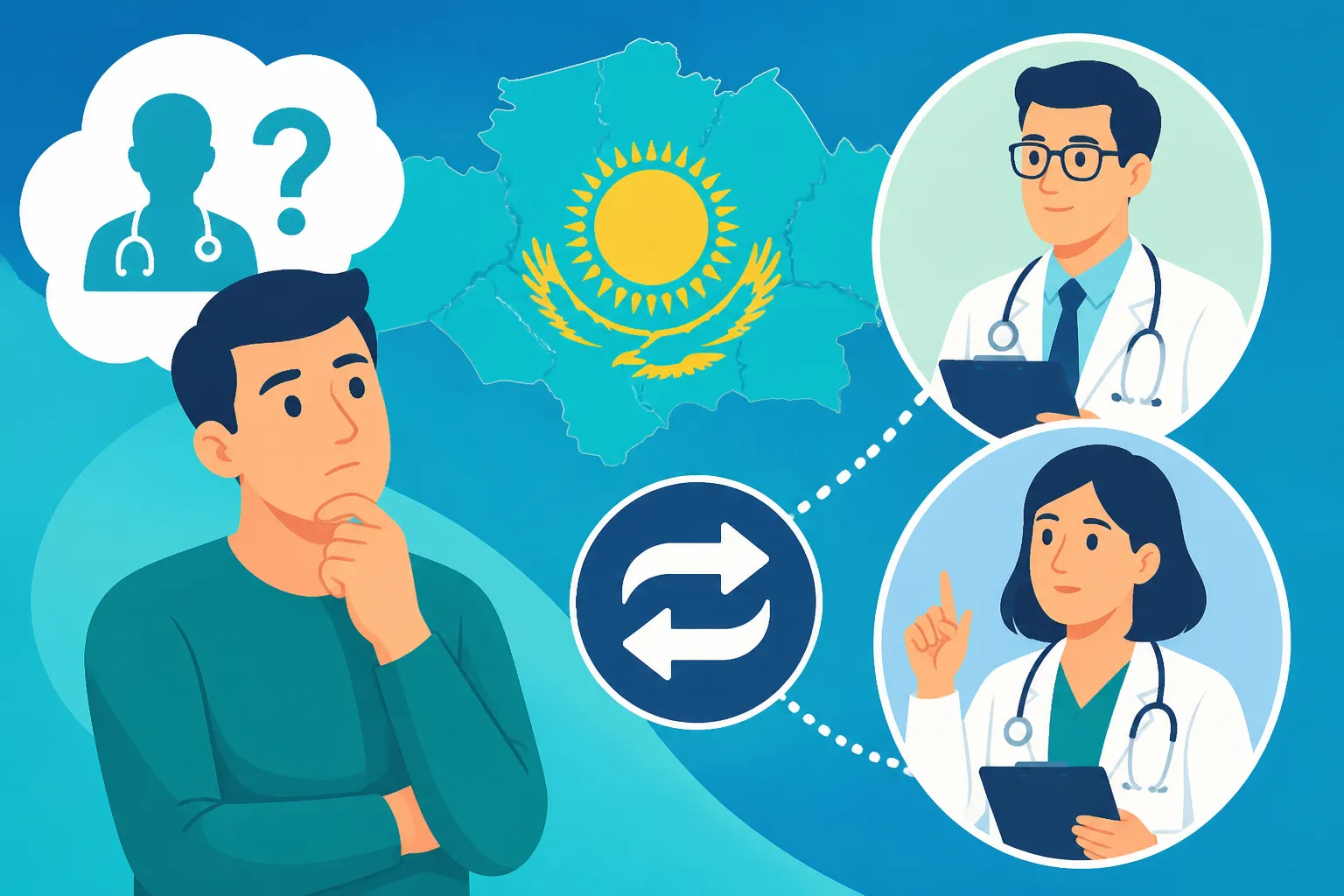
Finding yourself facing a perplexing medical diagnosis in a foreign country can be incredibly unsettling. Whether it's a doctor's visit at your local poliklinika or a specialist consultation in a private clinic, you might feel that nagging voice in your head wondering if you've truly understood everything, or if there's another perspective to consider. This comprehensive guide is here to walk you through the process of seeking and obtaining a second medical opinion in Kazakhstan, offering practical advice and validating the very real challenges expats often face.
Why Seeking a Second Medical Opinion in Kazakhstan Makes Sense
It's completely normal to seek a second opinion, especially when you're navigating a healthcare system that's different from what you're used to. This isn't a sign of distrust; it's a smart, proactive step in managing your health, and it's a right you absolutely have as a patient, even here in Kazakhstan. You're not alone in feeling this way.
Validation of Concerns
When you receive a diagnosis, especially for something serious or unexpected, it's natural to have doubts or questions. Maybe the communication felt a bit rushed, or perhaps the doctor's explanation, even with a translator, didn't quite resonate with you. Many expats in Kazakhstan have shared stories where cultural differences in medical communication, or simply the sheer unfamiliarity of the system, left them feeling less than fully confident about their initial consultation. This isn't to say Kazakhstani doctors aren't competent – far from it – but rather that a different approach or a fresh pair of eyes can offer immense peace of mind.
Sometimes, the initial diagnosis might feel too vague, or perhaps the proposed treatment plan seems overly aggressive or, conversely, not aggressive enough for your comfort level. In these situations, getting a second opinion isn't just about confirming or refuting the first diagnosis; it's about gaining clarity, exploring all possible avenues, and ensuring you're making an informed decision about your own body and health. It’s about empowering yourself in a situation where you might feel a bit disempowered by language barriers or cultural nuances in the medical setting.
Think of it this way: when you're buying a car or making a major financial investment, you usually get multiple quotes or assessments, right? Your health is infinitely more valuable. Taking the time to understand your condition from another expert's viewpoint is a responsible step, one that can significantly reduce anxiety and lead to better health outcomes in the long run. Don't ever feel guilty for advocating for yourself in this way; it's a testament to your commitment to your well-being.
Understanding Diagnostic Differences
Healthcare systems, even within the same country, can have different approaches to diagnostics and treatment protocols. What might be a standard procedure or common diagnosis in your home country could be approached differently here, or vice versa. This can be due to variations in available technology, preferred medical philosophies, or even just the experience level of individual practitioners.
For instance, some conditions might be diagnosed primarily through imaging tests in one country, while in Kazakhstan, a doctor might rely more heavily on laboratory results or clinical observation initially. Or, treatment options might lean more towards medication in one setting, while another specialist might suggest physiotherapy or alternative therapies. A second opinion can help bridge these gaps in understanding, shedding light on why certain diagnostic tools were used or why a particular treatment was recommended. It allows you to see the full spectrum of possibilities and make a choice that aligns best with your personal philosophy and previous medical experiences.
Furthermore, medicine is constantly evolving, and specialists might have different levels of exposure to the very latest research or techniques. A doctor with extensive international experience, or one who specializes deeply in a niche area, might offer insights that were simply not available or considered in your first consultation. This is particularly true in rapidly developing medical fields. So, if your initial consultation left you with more questions than answers, a second opinion is a valuable tool in gaining that comprehensive understanding you deserve.
Your Options for a Second Opinion in Kazakhstan: Public vs. Private
When considering a second opinion in Kazakhstan, you primarily have two pathways: the public healthcare system or the private sector. Both have their pros and cons, and your choice will largely depend on your specific situation, your insurance coverage, and your comfort level with navigating the local system.
Navigating Public Poliklinikas and Referrals
The public healthcare system in Kazakhstan, primarily accessed through your assigned poliklinika (poly-clinic), is the first point of contact for most residents, especially if you're covered by the Compulsory Social Health Insurance (OSMS). If you received your initial diagnosis within this system, getting a second opinion usually involves requesting a re-evaluation or a referral to another specialist within the same public system, possibly at a larger hospital or a different poliklinika.
The challenge here can often be the bureaucracy and the referral process. Generally, you can’t just walk into another public clinic and demand a second opinion without a referral from your primary care doctor at your assigned poliklinika. This means you might need to explain your desire for a second opinion to your current doctor, who might then refer you to a different specialist or a higher-level medical institution. This process can sometimes feel slow, and securing an appointment with another in-demand specialist might involve longer wait times, similar to the process of how specialist and hospital referrals work in Kazakhstan. You'll also need to ensure all your previous medical records are transferred or readily available for the new doctor.
While this route is often the most cost-effective if you're insured by OSMS, it might require patience and persistence. Language can also be a significant barrier in public clinics, as English-speaking staff are less common than in the private sector. It's highly advisable to bring a trusted Kazakh or Russian-speaking friend, colleague, or professional translator with you to all appointments to ensure clear communication and to help you advocate effectively for your needs. Understanding what documents you need to see a doctor in Kazakhstan will also be crucial for this path.
Exploring Private Clinics and International Hospitals
For many expats, the private healthcare sector offers a more streamlined and often quicker route to obtaining a second medical opinion. Private clinics and international hospitals in major cities like Almaty and Astana are generally equipped with modern facilities, offer a higher level of comfort, and crucially, often have English-speaking staff and doctors. These institutions operate on a fee-for-service basis, meaning you'll pay directly for consultations and procedures, though many private health insurance plans in Kazakhstan or international insurance providers like SafetyWing can cover these costs.
Here, you typically don't need a referral to see a specialist, giving you more freedom to choose a doctor based on recommendations, online reviews, or your specific needs. This flexibility means you can often secure an appointment much faster than in the public system, reducing the anxiety of waiting. Reputable private clinics often have a network of highly qualified specialists, many of whom have received training abroad. Some even specialize in catering to the international community, providing a more familiar experience.
However, the convenience comes at a higher cost. A single specialist consultation in a private clinic can range from 10,000 KZT to 30,000 KZT or more, depending on the doctor's expertise and the clinic's reputation. If diagnostic tests (like MRI, CT scans, advanced lab work) are required, the costs can quickly escalate. It’s essential to be clear about the fees upfront and understand what your insurance policy will cover. Even with good insurance, you might encounter co-payments or deductibles, so it's always wise to understand out-of-pocket healthcare costs and co-payments in Kazakhstan. Some well-known private institutions in Almaty include the Dostyk Medical Center and the IVF Center Persona, though many smaller specialized clinics also exist.
Practical Steps to Secure Your Second Medical Opinion
Regardless of whether you choose the public or private route, there are several key steps you'll need to follow to make sure your second opinion process is as smooth and effective as possible. Preparation is truly your best friend here.
Gathering Your Medical Records
Before you even think about scheduling a new appointment, you absolutely must gather all your existing medical records related to your current condition. This is paramount. The new doctor needs a complete picture of your health journey so far without having to duplicate tests or waste your time and money.
This includes:
- Original Diagnosis Report: The detailed report from your first doctor.
- Imaging Scans: X-rays, MRI, CT scans, ultrasound results, usually with accompanying written reports. If they are digital, try to get them on a CD or USB stick.
- Laboratory Test Results: Blood tests, urine tests, biopsies, and any other relevant lab work.
- Consultation Notes: Any notes from previous doctor visits related to the condition.
- Medication List: A comprehensive list of all medications you are currently taking, including dosages and frequency.
- Medical History Summary: A brief, clear summary of your relevant past medical history, allergies, and family medical history.
Don't be shy about requesting these from your initial clinic or hospital. You have a right to your medical records. If they are in Kazakh or Russian, you might need to have them officially translated into English, or at least a summary translated, especially if you're seeking an English-speaking doctor who doesn't speak Russian or Kazakh. This might incur additional costs but is often invaluable for clarity. Make multiple copies – one for you, and one to leave with the new doctor.
Finding the Right Specialist
Once you have your records, the next crucial step is to find the right specialist for your second opinion. This isn't just about finding any doctor; it's about finding one who has the specific expertise related to your condition.
Here's how to approach it:
- Ask for Recommendations: Speak to fellow expats, colleagues, or local friends. Word-of-mouth can be incredibly powerful. Online expat forums or social media groups for expats in Almaty or Astana are also great resources.
- Consult Your Insurance Provider: Your private health insurance company (like SafetyWing) might have a list of approved or recommended specialists and clinics in Kazakhstan. They can often guide you to English-speaking doctors.
- Research Online: Many private clinics have websites where you can view doctor profiles, their specialties, and qualifications. Look for doctors who have trained internationally or have specific certifications relevant to your condition. For example, if you need an oncologist, search specifically for oncologists at reputable private hospitals.
- Consider International Medical Tourism Companies: While not always necessary for a second opinion within Kazakhstan, some agencies can help connect you with top specialists.
- Check for English-Speaking Services: If language is a barrier, prioritize clinics that explicitly advertise English-speaking doctors or offer professional translation services. Finding an English-speaking doctor in Kazakhstan will significantly reduce stress.
Take your time with this step. The right specialist can make all the difference in gaining the clarity you need.
Scheduling and Attending the Consultation
With your records in hand and a specialist chosen, it’s time to book your appointment.
- Be Specific When Booking: When you call or visit the clinic, clearly state that you are seeking a second opinion and briefly explain your condition. Ask about the consultation fee and what it includes (e.g., if any basic tests are done during the consultation).
- Confirm Required Documents: Double-check if there are any specific forms or documents the clinic requires you to bring besides your medical records. For example, your passport and IIN (Individual Identification Number) are almost always necessary.
- Prepare Your Questions: Before your appointment, write down all your questions and concerns. This ensures you don't forget anything important in the moment, especially if you're feeling anxious.
- What is your understanding of my diagnosis?
- Do you agree with the initial treatment plan, or do you suggest alternatives?
- What are the pros and cons of each option?
- What are the potential risks and side effects?
- What are the costs involved in your recommended approach?
- Are there any further tests you would recommend?
- What is the prognosis with your suggested treatment?
- Bring Support: If possible, bring a trusted friend, family member, or a professional medical translator to your appointment. Even if the doctor speaks English, having another person there can help you process information, ask follow-up questions, and ensure nothing gets lost in translation. They can also take notes for you.
- Be Open and Honest: Provide the new doctor with all the information openly and honestly. Don't withhold details about your previous diagnosis or treatment. The more information they have, the better equipped they are to give you a truly informed second opinion.
Costs, Insurance, and Key Considerations
Navigating the healthcare system in a new country always comes with a unique set of challenges. When seeking a second opinion, these challenges can be amplified by financial concerns, language barriers, and cultural differences.
Understanding the Financial Aspect
The cost of a second medical opinion in Kazakhstan can vary significantly. As discussed, public poliklinikas might be covered by your OSMS, but private consultations will incur out-of-pocket expenses.
Here's a general breakdown to give you an idea:
| Service Type | Public Sector (with OSMS) | Private Sector (estimated range) |
|---|---|---|
| Specialist Consultation | Covered | 10,000 – 30,000 KZT |
| Basic Blood Tests | Covered | 3,000 – 15,000 KZT |
| X-ray | Covered | 5,000 – 10,000 KZT |
| Ultrasound Scan | Covered | 7,000 – 20,000 KZT |
| MRI/CT Scan | Covered | 25,000 – 70,000 KZT |
| Professional Medical Translator | Your own cost (if needed) | 5,000 – 15,000 KZT per hour |
Note: These are approximate costs and can vary greatly depending on the clinic, city, and complexity of the service.
Remember that a second opinion might involve repeating some diagnostic tests, either because the new doctor prefers their own lab, or because they need more up-to-date information. Always ask for a detailed cost estimate for any recommended tests or procedures before proceeding. It's also worth looking into the cost of healthcare in Kazakhstan: a complete breakdown for foreigners (2026) for more insights into typical expenses.
Leveraging Your Health Insurance
Your health insurance policy is your best friend when dealing with medical costs in Kazakhstan. Whether you have local private health insurance, international expat insurance, or a comprehensive plan like SafetyWing, understanding your coverage is critical.
- Review Your Policy: Carefully read your insurance policy documents, specifically looking for clauses related to "second opinions," "specialist consultations," "diagnostic tests," and "out-of-network providers" if you're considering a clinic not on your insurer's direct list.
- Pre-authorization: Many insurance companies require pre-authorization for specialist consultations, advanced diagnostic tests (like MRI or CT scans), or certain procedures. Contact your insurer before your appointment to understand their requirements and get approval. Failure to do so could result in your claim being denied.
- Direct Billing vs. Reimbursement: Some private clinics may have direct billing agreements with certain insurance providers, meaning the clinic bills your insurer directly. Others will require you to pay upfront and then submit a claim for reimbursement. Be clear about this process at the time of booking. Learning how to claim reimbursement from private insurance in Kazakhstan can be very helpful.
- Emergency Coverage: While a second opinion isn't an emergency, it's good to know your plan's emergency protocols. If your condition unexpectedly worsens, understanding emergency medical care in Kazakhstan: what every expat needs to know is vital.
Being proactive with your insurance company can save you a lot of hassle and unexpected expenses down the line.
Overcoming Language and Cultural Barriers
Let's be real: language and cultural differences can be huge hurdles in any medical situation, let alone when you're seeking a second opinion.
- Language Support: While a doctor might speak English, medical terminology is complex, and nuances can easily be missed. A professional medical translator, or a highly competent bilingual friend, can ensure accurate communication between you and the doctor. Don't rely solely on Google Translate for critical discussions. This is crucial for fully understanding your condition and making informed decisions.
- Cultural Communication Styles: Kazakhstani doctors, like those in many other countries, might have a more direct or paternalistic communication style compared to what you're used to. They may not always offer as much detailed explanation or involve you in decision-making to the same extent as doctors in some Western countries. This isn't out of disrespect but often a cultural norm. Be prepared to politely and clearly ask for clarification and more information. Don't be afraid to assert your right to understand your treatment plan thoroughly.
- Asking Questions: In some cultures, it can be seen as impolite or challenging to question a doctor's authority. However, your health is paramount. It’s perfectly acceptable, and indeed expected, for you as a patient to ask questions about your diagnosis, treatment options, and prognosis. Frame your questions respectfully, but ensure you get the answers you need to feel comfortable.
- Follow-up: Be sure to understand the follow-up process. Will the doctor communicate with your previous doctor? Will you receive a written report in English? How can you contact them with further questions? Clear communication about these details can prevent future confusion.
Successfully navigating these elements will make your experience of getting a second opinion in Kazakhstan much smoother and more effective, contributing to your overall well-being. This proactive approach is key to navigating the Kazakhstani healthcare system: an expat's roadmap (2027).
Disclaimer
The information provided in this article is intended for general informational purposes only and does not constitute medical or legal advice. While we strive to offer accurate and up-to-date guidance for expats in Kazakhstan, healthcare policies, regulations, and costs can change. Always consult with a qualified medical professional for any health concerns and seek advice from an insurance provider or legal expert regarding specific coverage or legal matters. Your personal circumstances may vary, and this guide should not be used as a substitute for professional consultation.