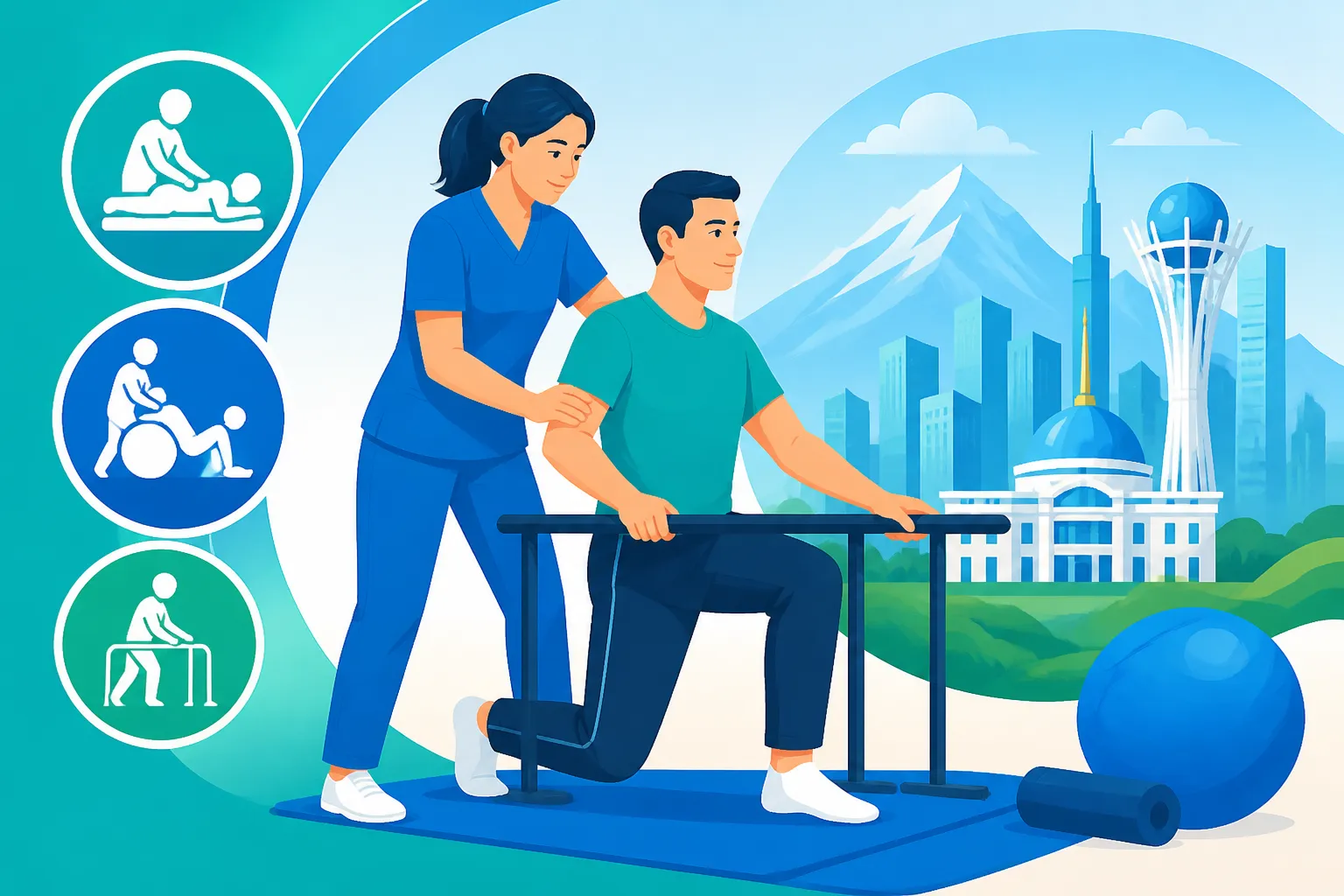
How to Get Physiotherapy and Rehabilitation in Kazakhstan
Moving to Kazakhstan often means embracing new adventures, but sometimes, those adventures come with unexpected aches, pains, or injuries. When your body needs a bit of help getting back on track, figuring out where to turn for physiotherapy and rehabilitation can feel like an overwhelming puzzle, especially with language barriers and an unfamiliar system. This guide will walk you through everything you need to know, from finding the right clinic to understanding payment, so you can focus on healing.
Understanding Physiotherapy and Rehabilitation in Kazakhstan
For many expats, the concept of physiotherapy, or physical therapy as it's often called in other parts of the world, might be quite familiar. In Kazakhstan, these services are readily available and play a crucial role in recovery from injuries, managing chronic pain, and improving overall physical function. However, the exact terminology and the way services are structured might differ slightly from what you're used to. It's about finding the right specialist to help you regain mobility, strength, and independence, and thankfully, there are many dedicated professionals here ready to assist.
What Services Are Available?
Kazakhstan's healthcare system offers a broad spectrum of physiotherapy and rehabilitation services designed to address various physical challenges. You'll find clinics and departments equipped with modern machinery and skilled therapists. Common treatments include manual therapy, which involves hands-on techniques like massage, mobilization, and manipulation to alleviate pain and restore joint movement. Electrotherapy, using devices like ultrasound, laser, or TENS (Transcutaneous Electrical Nerve Stimulation), is also widely applied to reduce pain and inflammation.
Beyond these, you'll encounter therapeutic exercises tailored to your specific condition, aiming to strengthen muscles, improve flexibility, and enhance coordination. Hydrotherapy, or water-based exercises, is available in some larger centers, particularly beneficial for joint issues due to reduced gravity. Occupational therapy, focusing on helping you perform daily activities, and speech therapy, often integrated into neurological rehabilitation, are also key components of comprehensive programs, especially after a stroke or severe injury. Don't be surprised if your therapist also incorporates elements of traditional Kazakh medicine, such as cupping (hijama) or specific herbal compresses, which are sometimes offered alongside conventional treatments in certain centers.
Common Conditions Treated
The range of conditions that benefit from physiotherapy and rehabilitation in Kazakhstan is extensive. You're not alone if you've strained your back carrying groceries or twisted an ankle on an uneven pavement in Almaty. Musculoskeletal issues are probably the most common reasons people seek help – think back pain, neck pain, shoulder impingement, knee injuries, and post-fracture recovery. Sports injuries, from minor sprains to more complex ligament tears, are also frequently treated, given Kazakhstan's active population and growing interest in outdoor activities.
Neurological conditions, such as recovery after a stroke, multiple sclerosis, or Parkinson's disease, require dedicated rehabilitation programs to help patients regain motor skills and improve quality of life. Post-surgical rehabilitation is another major area, ensuring patients recover strength and mobility efficiently after operations like joint replacements or spinal surgeries. Even chronic conditions like arthritis or fibromyalgia can be managed through tailored physiotherapy plans that focus on pain reduction and functional improvement. Whatever your ailment, chances are there's a therapist in Kazakhstan who can guide you on the path to recovery.
The General Approach to Care
The general approach to physiotherapy and rehabilitation in Kazakhstan typically begins with a thorough assessment by a doctor, usually a general practitioner or a specialist like an orthopedist or neurologist. They will diagnose your condition and provide a referral for physiotherapy. This initial doctor's visit is crucial, as it sets the stage for your treatment plan. Once you have a referral, you'll then meet with a physiotherapist who will conduct their own assessment, delve deeper into your symptoms, physical limitations, and personal goals.
Based on this, a personalized treatment plan is created. It's often a collaborative effort between the patient and the therapist, taking into account your lifestyle and capabilities. The treatment itself is usually delivered through a series of sessions, which might range from daily intensive therapy in a rehabilitation center to a couple of times a week at an outpatient clinic. The focus is not just on immediate relief but also on empowering you with exercises and strategies to manage your condition long-term. You'll likely be given "homework" – exercises to do at home – which is a vital part of your recovery process. The system here emphasizes a holistic recovery, integrating different modalities to ensure a comprehensive approach.
Navigating Public vs. Private Physiotherapy Options
When it comes to getting physiotherapy or rehabilitation in Kazakhstan, expats have two main avenues: the public healthcare system and private clinics. Both have their pros and cons, and understanding these differences is key to making an informed decision that suits your personal needs, budget, and expectations. It's not always a clear-cut choice, and sometimes a blend of both might even be the most effective strategy, especially if you're dealing with a long-term recovery journey. For a broader understanding of the local healthcare landscape, you might want to read our guide on Public vs Private Healthcare in Kazakhstan: What Expats Need to Know.
Public Poliklinikas and Hospitals
The public healthcare system in Kazakhstan operates under the Compulsory Social Health Insurance (OSMS) program. If you are officially employed and paying your OSMS contributions, you are generally entitled to physiotherapy and rehabilitation services at public polyclinics (poliklinikas) and hospitals. The process usually starts with a visit to your assigned general practitioner (GP) at your local polyclinic, who will then refer you to the physiotherapy department or a specialist if needed. This is often the most cost-effective route, as many services are covered by OSMS, meaning you only pay for co-payments or services not included in your basic coverage. For details on how to get registered, check out How to Register for Compulsory Social Health Insurance (OSMS) in Kazakhstan.
The facilities in public institutions can vary widely. Major cities like Almaty and Astana often have well-equipped polyclinics and hospitals with dedicated rehabilitation departments. However, you might find that the equipment is older, or the waiting times for appointments can be longer, especially for popular therapists or specific machines. The language barrier can also be more pronounced in public settings, as not all staff will speak English. While the quality of care is often good, the patient experience might feel less personalized compared to private options. It's important to be patient and proactive, always carrying your identification documents and OSMS card.
Private Clinics and Specialized Centers
For expats seeking more immediate appointments, a wider choice of English-speaking specialists, or more advanced equipment, private clinics and specialized rehabilitation centers are often the preferred option. These institutions are found in abundance in major cities, offering a range of services from general physiotherapy to highly specialized rehabilitation programs. Brands like SafetyWing provide international health insurance plans that can cover treatments at private clinics, giving expats peace of mind about costs.
Private clinics typically boast newer, state-of-the-art equipment and a more modern, comfortable environment. You're more likely to find therapists who speak English or other foreign languages, which can significantly ease communication and understanding of your treatment plan. The process for accessing care is generally simpler: you can often book an appointment directly without a referral, though some insurance providers might still require one. While the cost is higher than in public facilities, the benefits of convenience, personalized care, and often, a faster route to treatment, are compelling for many expats. Examples of such centers in Almaty include the Mediterra clinic or various private rehabilitation centers specializing in sports injuries.
Deciding Which Option is Right for You
Choosing between public and private physiotherapy ultimately comes down to your priorities. If cost is your primary concern and you are covered by OSMS, the public system is a viable option, provided you are prepared for potential waiting times and navigating the system with potentially limited English support. It's always worth exploring your local polyclinic first, especially for more routine treatments.
On the other hand, if you value convenience, access to English-speaking professionals, modern facilities, and a more streamlined patient experience, private clinics are likely a better fit. Many expats opt for private care, especially when dealing with acute injuries or when time is of the essence. Remember to factor in your health insurance coverage when making this decision. While OSMS covers a good baseline, private international health insurance like that offered by SafetyWing can significantly expand your choices and reduce out-of-pocket expenses for private treatments. A good starting point is understanding your existing insurance coverage, which you can learn more about in Health Insurance in Kazakhstan: OSMS, Private and International Options Explained.
The Process of Accessing Physiotherapy as an Expat
Getting healthcare in a new country can sometimes feel like navigating a bureaucratic maze, and accessing physiotherapy in Kazakhstan is no exception. While the process is generally straightforward once you understand it, there are a few key steps and considerations specifically for expats that can make your journey smoother. From getting that initial green light from a doctor to simply understanding what someone is telling you, each step has its nuances.
Getting a Referral and Initial Consultation
For most physiotherapy services in Kazakhstan, especially if you plan to use the public healthcare system or claim through certain insurance plans, a doctor's referral is the essential first step. You'll typically begin by consulting a general practitioner (GP) at your registered polyclinic or a private clinic. Explain your symptoms and the nature of your pain or injury. Be as detailed as possible, mentioning how long you've had the issue, what exacerbates it, and any previous treatments.
The GP will conduct an initial examination. Depending on their findings, they might refer you to a specialized doctor, such as an orthopedist for bone and joint issues, a neurologist for nerve-related problems, or a traumatologist if it's an injury. This specialist will then confirm the diagnosis, potentially order further diagnostic tests like X-rays, MRI, or ultrasound, and subsequently issue a referral specifically for physiotherapy or rehabilitation. In private clinics, you might be able to bypass the GP referral and go directly to a specialist, but always check with your insurance provider first. For more on this, consult our article on How Specialist and Hospital Referrals Work in Kazakhstan.
Required Documents and Registration
Once you have your referral, or if you're opting for direct access to a private clinic, you'll need to prepare a few documents for your first physiotherapy appointment. This typically includes:
- Your Passport: Always carry it, as it's your primary form of identification.
- Individual Identification Number (IIN): This is absolutely crucial for any formal transaction, including healthcare. If you don't have one, you need to get it.
- Residence Permit (if applicable): Demonstrates your legal status in the country.
- OSMS Card/Proof of Insurance: If you're using public services or a local insurance plan.
- Private Health Insurance Details: For private clinics, provide your policy number and relevant contact information for pre-authorization if required. This is where having a reliable international plan like SafetyWing can be very helpful, as they are generally familiar with expat needs and processes.
- Doctor's Referral: The official document from your GP or specialist.
- Any Relevant Medical Records: Bring copies of X-rays, MRI reports, or previous treatment summaries if you have them.
At your first visit to a new physiotherapy center, you'll undergo a registration process, similar to any other medical appointment. This involves filling out forms, providing your documents, and creating a patient file. It might take a little time, so arrive early.
Language Barriers and Solutions
One of the biggest hurdles expats face in the Kazakhstani healthcare system is the language barrier. While many younger doctors and specialists in private clinics, especially in Almaty and Astana, speak English, it's not universally guaranteed, particularly in public polyclinics or with older staff. This can lead to misunderstandings about your condition, treatment, or exercises.
Here are some strategies to overcome this:
- Ask for English-Speaking Staff: When booking an appointment, specifically request an English-speaking physiotherapist or doctor. Many private clinics cater to expats and will note this on your file. If you need help locating English-speaking doctors, refer to How to Find an English-Speaking Doctor in Kazakhstan.
- Bring a Translator: If English isn't available, consider bringing a Kazakh or Russian-speaking friend, colleague, or a professional medical translator. It might cost a little, but clarity in medical matters is priceless.
- Use Translation Apps: While not perfect, apps like Google Translate can be useful for simple communication or translating written instructions. Be cautious, however, for complex medical discussions.
- Prepare Key Phrases: Learn a few basic phrases related to your pain or symptoms in Russian or Kazakh. Even a little effort goes a long way.
- Write Things Down: Ask the therapist to write down exercise instructions, treatment schedules, or important notes. Visual aids can bridge the communication gap effectively.
- Confirm Understanding: Always repeat back what you've understood or ask questions until you're absolutely clear on your treatment plan and expectations. It's your health, so don't be shy!
Costs, Insurance, and Payment for Physiotherapy
Understanding the financial side of healthcare in a foreign country is always a big stressor, and physiotherapy in Kazakhstan is no different. The good news is that Kazakhstan offers a range of options, from almost free public services to more expensive private treatments. Knowing how your insurance works and what to expect in terms of out-of-pocket expenses will save you a lot of headaches later. For a complete financial overview, The Cost of Healthcare in Kazakhstan: A Complete Breakdown for Foreigners (2026) is an excellent resource.
Understanding OSMS Coverage
If you are a legally employed expat in Kazakhstan, you are likely contributing to the Compulsory Social Health Insurance (OSMS) fund. This system is designed to provide comprehensive medical care, including many physiotherapy and rehabilitation services, to its contributors. Under OSMS, if you get a referral from your polyclinic doctor, a significant portion of your physiotherapy sessions at a public polyclinic or hospital rehabilitation department will be covered. This means you’ll typically only be responsible for small co-payments or services that fall outside the standard OSMS package.
However, there are limitations. OSMS coverage usually applies to services within the public health system. While the quality can be good, choice of provider might be limited, and waiting times for certain specialized treatments or specific machines can be longer. It's also important to note that very specialized or experimental therapies might not be fully covered. Always check with your local polyclinic or the OSMS fund directly to understand the exact scope of your coverage before starting treatment. You can find more information on how OSMS works in How Kazakhstan's Health System Works: OSMS and Private Care Explained (2026).
Private Health Insurance Options
For many expats, relying solely on OSMS for physiotherapy might not be sufficient, especially if you prefer the convenience and choice offered by private clinics, or if you want access to a broader range of specialists and modern facilities. This is where private health insurance, particularly international plans, becomes invaluable. These plans can cover the costs of treatment at private clinics, giving you greater flexibility and peace of mind.
Several international insurance providers offer plans suitable for expats in Kazakhstan. SafetyWing is a popular choice among digital nomads and remote workers due to its flexible, travel-oriented coverage that often includes some level of outpatient care, which can extend to physiotherapy. Other large international insurers also have options, often with different tiers of coverage that dictate how much of your physiotherapy will be reimbursed. When choosing a private plan, meticulously check the terms and conditions regarding physiotherapy and rehabilitation. Look for details on:
- Referral Requirements: Do they require a doctor's referral for reimbursement?
- Session Limits: Is there a maximum number of sessions covered per year?
- Coverage Limits: Is there a monetary limit per session or per condition?
- Direct Billing vs. Reimbursement: Will the clinic bill the insurer directly, or do you have to pay upfront and claim reimbursement? The latter is more common in Kazakhstan.
- Pre-existing Conditions: Are there any exclusions for pre-existing conditions that might require ongoing physiotherapy?
Having robust private insurance means you can often access the best private clinics and specialists without the financial strain, ensuring you get timely and appropriate care. For a deeper dive into private insurance, refer to Understanding Private Health Insurance Plans in Kazakhstan.
Out-of-Pocket Expenses and Payment Methods
Even with OSMS or private health insurance, you might still encounter some out-of-pocket expenses. This could include co-payments for OSMS-covered services, deductibles, or co-insurance percentages with private plans, or the cost of services not covered by your policy. For instance, some specialized equipment or extended therapy sessions might incur additional charges.
Typical costs in private clinics (as of 2024, subject to change):
- Initial Consultation with a Physiotherapist/Specialist: Around 8,000 – 15,000 KZT.
- Individual Physiotherapy Session: 5,000 – 10,000 KZT per session, depending on the duration and type of therapy.
- Packages: Many clinics offer discounted packages for 5, 10, or more sessions, which can be more economical in the long run.
- Diagnostic Tests (MRI/X-ray): These are usually separate and can range from 15,000 KZT to 40,000 KZT or more, depending on the body part and complexity.
Payment methods are quite varied. Most clinics, both public and private, accept cash (Kazakhstani Tenge, KZT). Credit and debit cards (Visa, Mastercard) are widely accepted in private clinics and major public hospitals, but smaller polyclinics might be cash-only. Kaspi.kz, Kazakhstan's hugely popular digital payment ecosystem, is also a very common method for payments, especially in private settings. You can often pay through the Kaspi.kz app, making transactions incredibly easy.
| Service Type | Public System (with OSMS) | Private Clinics (Out-of-pocket) | Private Clinics (with Insurance) |
|---|---|---|---|
| Initial Consultation | Covered (co-payment possible) | 8,000 – 15,000 KZT | Covered by plan (deductible/co-pay) |
| Standard Physio Session | Covered (co-payment possible) | 5,000 – 10,000 KZT per session | Covered by plan (deductible/co-pay, limits) |
| Specialized Therapy (e.g., Shockwave) | Limited coverage, often extra | 10,000 – 20,000 KZT per session | May be covered, check plan details |
| Diagnostic Imaging (MRI/X-ray) | Covered with referral | 15,000 – 40,000 KZT | Covered by plan (deductible/co-pay) |
| Waiting Time | Potentially long | Minimal | Minimal |
| English-Speaking Staff | Unlikely, varies | Highly likely, especially in Almaty/Astana | Highly likely |
Note: Prices are estimates as of 2024 and can vary significantly by clinic and city.
Finding Quality Physiotherapy Providers in Major Cities
Once you've decided on the public or private route and sorted out your insurance, the next big step is actually finding a reputable and effective physiotherapy provider. This can feel like a daunting task in a new country, but with a bit of research and knowing where to look, you can find excellent care. Major cities like Almaty and Astana naturally offer the widest range of options. If you're generally seeking guidance on healthcare facilities, our article on How to Choose a Hospital in Kazakhstan might be useful.
Recommended Clinics and Hospitals in Almaty
Almaty, being the largest city and economic hub, has a robust healthcare infrastructure with numerous options for physiotherapy and rehabilitation.
Private Clinics (often expat-friendly):
- Mediterra (Медитерра): This is a well-regarded private medical center in Almaty that offers a range of specialist services, including physiotherapy. They are known for their modern facilities and often have English-speaking staff. They cater to a diverse clientele, including many expats. You'll find a dedicated rehabilitation department with various therapy modalities.
- SOS International Clinic Almaty: While primarily known for general medical services and emergency care for expats, SOS International also has referral networks for specialized services like physiotherapy. They can often guide you to trusted partners and ensure seamless communication.
- Private Rehabilitation Centers: Keep an eye out for centers specifically focused on rehabilitation. For example, there are places like "Center for Kinesitherapy and Rehabilitation" (Центр кинезитерапии и реабилитации) or "Rehabilitation Clinic No. 1" (Реабилитационный Центр №1). These often have specialized equipment and therapists for sports injuries, neurological conditions, and post-surgical recovery. Searching online maps for "реабилитационный центр Алматы" (rehabilitation center Almaty) or "физиотерапия Алматы" (physiotherapy Almaty) will yield many results.
Public Hospitals/Polyclinics (with OSMS coverage):
- City Polyclinics (Городская поликлиника): Each district in Almaty has its own city polyclinic. If you are registered with one and have OSMS, you can access their physiotherapy departments. While facilities might be more basic, the care is often competent, and it's the most budget-friendly option.
- City Clinical Hospital No. 7 (Городская клиническая больница №7): Larger hospitals like this often have comprehensive rehabilitation departments, especially for patients recovering from surgery or serious injuries. Access is typically via referral from a polyclinic or after discharge from the hospital itself.
Options in Astana and Other Regions
Astana, as the capital, also boasts excellent medical facilities, constantly striving to incorporate the latest medical advancements.
Private Clinics in Astana:
- Interteach: Similar to its operations elsewhere, Interteach is a significant private medical network in Kazakhstan, including Astana. They often have English-speaking staff and can provide or refer to quality physiotherapy services. They are a good starting point for expats.
- National Research Center for Traumatology and Orthopedics (Национальный научный центр травматологии и ортопедии имени академика Батпена): While a national center, it also offers outpatient rehabilitation services. It's a highly specialized institution, particularly good for complex orthopedic issues.
- Private Physiotherapy Centers: Again, search for "физиотерапия Астана" or "реабилитационный центр Астана" on local search engines or Yandex Maps. You'll find several smaller, dedicated clinics.
Beyond the Major Cities:
In smaller cities and regional centers like Shymkent, Aktau, or Atyrau, the options, especially for private, English-speaking physiotherapy, become more limited. You might rely more heavily on the local public polyclinic or hospital. Expats in these regions often rely on word-of-mouth recommendations from other foreigners or their employer's medical contacts. It's crucial to clarify language support and the types of therapy available before committing. For general guidance on where to find care outside the main hubs, Navigating the Kazakhstani Healthcare System: An Expat's Roadmap (2026) can be helpful.
Tips for Vetting Providers
Finding the right physiotherapist is a personal journey, but here are some tips to help you vet potential providers:
- Check Qualifications and Experience: Don't hesitate to ask about the therapist's qualifications, specializations, and years of experience. Look for degrees from reputable institutions.
- Read Reviews and Ask for Recommendations: Online reviews (on Google Maps, Yandex Maps, or local expat forums) can be insightful. Even better, ask other expats in your community for personal recommendations. Word-of-mouth is often the most reliable source.
- Initial Consultation: Many clinics offer an initial consultation. Use this time to assess the clinic's cleanliness, the equipment, and, most importantly, your rapport with the therapist. Do they listen to your concerns? Do they explain things clearly?
- Language Support: Confirm the availability of English-speaking staff. Clear communication is paramount for effective treatment.
- Transparency in Pricing: Ensure the clinic is transparent about its fees and what is included in each session. Get a clear understanding of the full cost of your treatment plan.
- Insurance Acceptance: Double-check if the clinic works directly with your private insurance provider or if it’s a reimbursement model. Having all your ducks in a row with your insurer, like SafetyWing, will prevent nasty surprises.
By doing your homework and asking the right questions, you can increase your chances of finding a quality physiotherapy provider that meets your needs and helps you on your road to recovery in Kazakhstan.
What to Expect During Your Rehabilitation Journey
Embarking on a physiotherapy or rehabilitation journey can be both challenging and rewarding. It's not just about showing up for appointments; it's an active process that requires your commitment and understanding. Knowing what to expect during your sessions and how to manage your recovery long-term can significantly impact your success and overall well-being.
Typical Session Structure and Duration
A typical physiotherapy session in Kazakhstan, whether in a public polyclinic or a private center, usually follows a structured format designed to maximize your recovery.
Initial Assessment (First Session): Your very first session will often be a comprehensive assessment. The physiotherapist will review your medical history, discuss your current symptoms and goals, and conduct a physical examination. This might involve assessing your posture, range of motion, strength, balance, and performing specific tests related to your condition. This assessment is crucial for creating a personalized treatment plan.
Subsequent Sessions: Each follow-up session will be tailored to your individual plan but generally includes:
- Brief Check-in: The therapist will start by asking about your progress since the last session, any new symptoms, or challenges you've faced with your home exercises.
- Hands-on Treatment (Manual Therapy): This could involve various techniques like massage, joint mobilization, stretching, or dry needling, aimed at reducing pain, improving circulation, and restoring movement.
- Therapeutic Exercises: You'll be guided through specific exercises, often using equipment like resistance bands, weights, or balance boards. The therapist will demonstrate the correct form and provide corrections.
- Modalities: Depending on your condition, you might also undergo electrotherapy (e.g., ultrasound, laser, TENS), heat/cold therapy, or other passive treatments.
- Education and Home Exercise Prescription: A significant part of physiotherapy is patient education. Your therapist will explain your condition, discuss ways to manage it, and provide you with exercises to do at home between sessions. This "homework" is vital for sustained progress.
Duration: Sessions typically last between 30 minutes to an hour, depending on the clinic, the type of therapy, and your specific needs. Intensive rehabilitation programs might involve longer, multi-hour sessions. The total number of sessions required will vary widely, from a few for minor issues to several months for complex post-surgical or neurological recovery.
Follow-up Care and Long-Term Rehabilitation
Physiotherapy is rarely a quick fix; it's a process. After your initial course of treatment, your therapist will usually conduct a re-assessment to gauge your progress against your initial goals. Based on this, they might recommend:
- Further Sessions: If more improvement is needed.
- Maintenance Program: A set of exercises and strategies you can continue at home to maintain your gains and prevent recurrence.
- Gradual Return to Activity: Guidance on safely returning to sports, work, or daily activities.
- Referral to Other Specialists: If your condition requires additional medical input (e.g., pain management specialist, orthopedist).
For chronic conditions or severe injuries, long-term rehabilitation is often necessary. This might involve periodic check-ups with your physiotherapist, joining specialized exercise classes, or adopting lifestyle changes. The goal is to empower you to manage your condition independently and integrate physical activity into your daily routine. Don't underestimate the power of consistent self-care and adherence to your therapist's advice; it's what ensures lasting results. Understanding How to Get Physiotherapy and Rehabilitation in Kazakhstan is about investing in your future health.
Advocating for Your Needs
As an expat in a foreign healthcare system, it's incredibly important to be an active participant and advocate for your own health. Don't be afraid to ask questions, even if you feel like you're being bothersome.
- Clarify Everything: If you don't understand an exercise, a diagnosis, or a piece of advice, ask for clarification. Request demonstrations, written instructions, or even diagrams.
- Express Your Concerns: If a particular treatment causes discomfort, or if you feel a specific exercise isn't right for you, communicate this immediately. Your feedback is crucial for tailoring the therapy effectively.
- Discuss Your Goals: Ensure your therapist understands your personal goals for rehabilitation, whether it's running a marathon or simply being able to lift your child without pain. This helps them align the treatment with what truly matters to you.
- Seek a Second Opinion: If you feel uncertain about a diagnosis or treatment plan, especially for complex or persistent issues, don't hesitate to seek a second opinion from another doctor or physiotherapist. This is common practice and can provide valuable peace of mind.
- Bring a Companion: If language is a barrier, bring a friend or a professional translator to your appointments to ensure all nuances are captured.
Your rehabilitation journey is a partnership between you and your healthcare providers. By staying informed, communicating openly, and advocating for your needs, you can ensure you receive the best possible care and achieve the best outcomes in Kazakhstan.
Disclaimer
The information provided in this guide is intended for general informational purposes only and does not constitute medical advice. While we strive to provide accurate and up-to-date information, healthcare systems, regulations, and prices can change. Always consult with a qualified healthcare professional for any medical concerns or before making any decisions related to your health or treatment. We recommend verifying specific details, such as insurance coverage, clinic availability, and pricing, directly with the relevant institutions and your insurance provider.