How to Use Kaspi and Local Payment Systems in Kazakhstan
Moving to Kazakhstan often means embracing a new way of life, and believe me, navigating the local financial landscape can feel like trying to decipher an ancient scroll in a language you barely understand. Gone are the days when a simple bank card or cash was enough for everything. Here, if you're not using Kaspi and other local digital payment systems, you're not just missing out – you're making your life unnecessarily complicated. This guide is here to untangle the complexities and show you how to master the digital money game, making your daily life much smoother.
Kaspi.kz: The King of Digital Payments in Kazakhstan
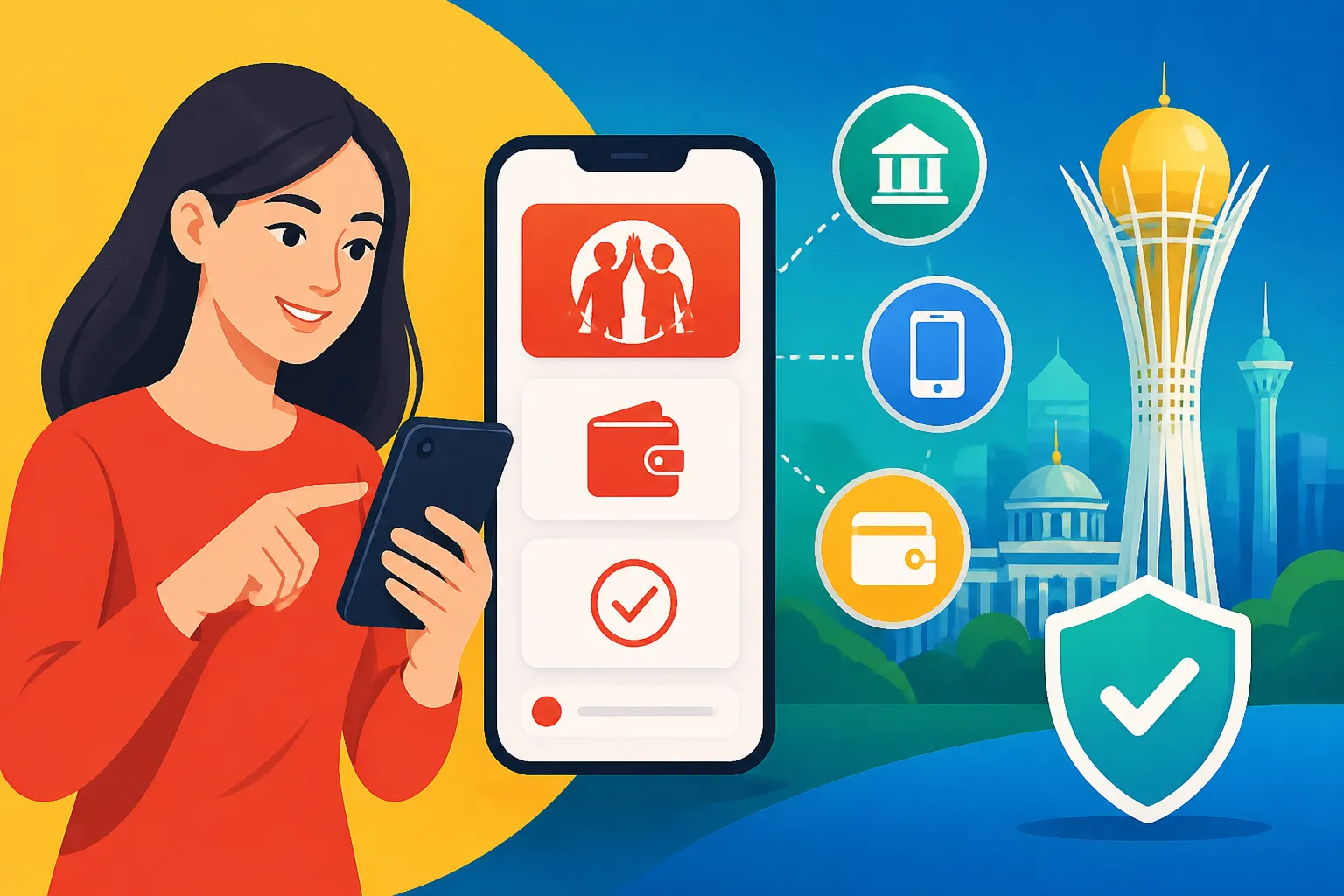
Alright, let's just get straight to it: Kaspi.kz is not just an app in Kazakhstan; it's practically a way of life. Seriously, you'll hear people say "Kaspi me" instead of "send me money." It's integrated into nearly every aspect of daily commerce, and as an expat, understanding and embracing it will save you countless headaches. When I first arrived, I was fumbling with cash and trying to explain credit card issues, only to realize everyone else was just smoothly scanning a QR code with their phone. It’s truly transformative.
What Makes Kaspi.kz Indispensable for Expats?
Think of Kaspi.kz as a super-app that combines banking, payments, shopping, and even government services into one incredibly user-friendly platform. For us expats, this level of integration is a godsend. It cuts through so much of the bureaucratic red tape and language barriers you'd typically encounter with traditional banking. Imagine being able to pay your rent, utilities, and even traffic fines, all from your phone, without needing to visit different banks or government offices. This is the reality with Kaspi. It democratizes access to financial services in a way that’s rarely seen elsewhere.
One of the biggest frustrations for newcomers is often just paying for simple things, especially outside of major cities where English isn't widely spoken. With Kaspi Pay and Kaspi QR, you don't need to fumble with cash or struggle to communicate amounts. The transaction is digital, instant, and clear. It’s about more than convenience; it’s about regaining a sense of control and independence in your financial interactions here. The local banks, like Halyk Bank, have their own digital offerings, but Kaspi has truly captured the market by being first, most comprehensive, and consistently user-friendly.
Core Features of the Kaspi.kz Ecosystem
The Kaspi.kz app is a Swiss Army knife for your finances, and it’s genuinely impressive how much they've packed into one platform. At its heart is the Kaspi Gold debit card, which acts as your primary account. This card is linked directly to the app and is free to open for residents. It's incredibly versatile, allowing you to make payments online and offline, withdraw cash, and receive transfers.
Beyond the Kaspi Gold card, you have:
- Kaspi Pay: This is their peer-to-peer (P2P) payment system. Need to send money to a friend? "Kaspi me." Splitting a bill? "Kaspi me." It's instantaneous and requires just a phone number. This feature alone drastically reduces the need for cash transactions between individuals.
- Kaspi QR: This is the cornerstone of their merchant payments. Almost every shop, café, taxi, or market vendor has a Kaspi QR code. You simply scan it with your phone, enter the amount, and confirm. It’s faster than card payments and incredibly secure.
- Kaspi Red: This is their popular installment plan service. Many larger purchases can be made with Kaspi Red, allowing you to pay in interest-free installments over several months. This is a huge benefit for both locals and expats looking to manage larger expenses without immediate full payment.
- Kaspi Travel: Integrated directly, you can book flights, train tickets, and even hotels. It streamlines travel planning within and from Kazakhstan.
- Kaspi.kz Marketplace: An e-commerce platform where you can buy electronics, home goods, clothes, and more, often with Kaspi Red payment options.
- Government Services: Yes, you can even pay utility bills, fines, taxes, and other government-related fees directly through the app. This is where it really shines for cutting through bureaucratic hassle. For instance, paying your annual property tax is usually a headache, but Kaspi simplifies it greatly.
These features make Kaspi.kz not just a payment app, but a fundamental tool for managing almost every financial transaction in Kazakhstan.
Using Kaspi Pay and Kaspi QR in Daily Life
Let's get practical. Imagine you've just landed in Almaty and you're heading to your apartment. You hop into a taxi. Many drivers, especially in bigger cities, prefer Kaspi Pay. Instead of fumbling with Tenge notes, you can simply ask, "Kaspi bar ma?" (Do you have Kaspi?) and they’ll give you their phone number. You open your Kaspi app, select "Transfer," enter their number and the fare, and hit send. Done. It's that quick and seamless. No need to worry about exact change or suspicious looking notes.
Or perhaps you're at a local supermarket like Small or Magnum. At the checkout, the cashier will either ask for your Kaspi number to send a payment request (you approve it on your phone) or, more commonly, direct you to a QR code sticker at the register. You whip out your phone, open the Kaspi app, tap "QR," scan the code, verify the amount, and authorize the payment. The merchant gets instant confirmation, and you're on your way.
This system even extends to smaller vendors. I’ve bought fruit from a roadside stand and paid via Kaspi QR. It's ubiquitous. This is why getting your IIN (Individual Identification Number) in Kazakhstan and then setting up a Kaspi Gold account should be high on your priority list when you first arrive. It unlocks so much of daily life here and significantly reduces communication barriers, especially if your Kazakh or Russian isn't quite fluent yet.
Beyond Kaspi: Other Important Local Payment Methods
While Kaspi.kz dominates the digital payment scene, it's not the only player, and you'll inevitably encounter other systems. Understanding these alternatives will ensure you're never caught off guard and can navigate the diverse payment landscape of Kazakhstan effectively.
Halyk Bank's Digital Offerings and Alternatives
Halyk Bank is the largest commercial bank in Kazakhstan and has a significant footprint, especially in traditional banking services. They have their own robust digital banking app, Halyk Homebank, which serves a similar function to Kaspi in many ways, but perhaps with less widespread merchant adoption for QR payments. If your employer banks with Halyk or you prefer a more traditional banking experience for your main accounts, Halyk Homebank is an excellent choice.
Through Halyk Homebank, you can:
- Manage your debit and credit cards.
- Make peer-to-peer transfers to other Halyk clients and even to other banks (though inter-bank transfers might have a slight delay or fee).
- Pay utility bills, mobile top-ups, and other services directly.
- Access ATM services and branch support.
While Kaspi often feels more geared towards day-to-day consumer transactions, Halyk often handles larger corporate accounts, salary payments, and more complex financial products. Many expats will find themselves using both, perhaps Kaspi for daily micro-transactions and Halyk for receiving their salary or managing larger savings. It's a bit like having your fun, everyday wallet and your more serious, institutional bank account. Another major player, though smaller, is ForteBank, which also has a well-regarded app for mobile banking and payments.
Offline Payment Solutions: Cash and Card Reliance
Despite the digital revolution, cash is still very much king in certain situations, especially in smaller towns, rural areas, or for certain services. Always carry some Tenge, particularly smaller denominations, for things like:
- Small market purchases where vendors might not have a QR code.
- Public transport in cities that don't use digital payment cards (though many major cities like Almaty and Astana have transport cards, e.g., Onay in Almaty).
- Tips or situations where an informal payment is expected.
- Emergencies where connectivity might be an issue.
Regarding traditional bank cards, Visa and Mastercard are widely accepted at most larger stores, restaurants, and hotels. However, you might encounter places where only Kaspi QR or local card terminals are available. This is less common in modern establishments but still pops up. Always having your Kaspi Gold card (which is a Visa or Mastercard itself) and a backup foreign card is a good strategy. Just be mindful of foreign transaction fees if you're using a card linked to a non-Kazakhstani account. This is where services like Wise can come in handy for international transactions, as they often offer more favorable exchange rates and lower fees for cross-border payments, making it easier to manage your money when you first arrive before you've fully integrated into the local banking system.
Online Payment Gateways for E-commerce
When shopping online in Kazakhstan, you'll generally find that most e-commerce sites support Kaspi Pay as a primary payment method. This is great for consistency. However, larger retailers and international brands operating in Kazakhstan will also accept Visa and Mastercard payments directly.
Some common online payment gateways you might encounter, besides direct card payments or Kaspi, include:
- PayBox.kz: A popular local payment aggregator that processes card payments, mobile payments, and electronic wallets for many online stores and service providers.
- Qiwi Wallet: While less dominant than it once was, Qiwi is still used by some for online payments, particularly for topping up mobile phones or paying for certain digital services. You can fund your Qiwi wallet through Kaspi or other bank transfers.
For expats, the most important thing is to ensure your chosen online store supports your payment method. If you’re registered with Kaspi, you’re usually good to go for local e-commerce. If you're using international sites that ship to Kazakhstan, your foreign debit or credit card will typically work.
Setting Up Your Digital Payment Life: Practical Steps for Expats
Getting your financial ducks in a row in a new country can feel like a Herculean task. But trust me, once you navigate the initial steps, setting up your digital payment life in Kazakhstan is actually quite straightforward, especially with Kaspi. It's all about getting the foundational elements in place first.
Getting Your IIN and SIM Card: The Foundation
Before you can even think about opening a bank account or using Kaspi, you absolutely need two things: an IIN (Individual Identification Number) and a local Kazakhstani SIM card. These are your absolute prerequisites.
- IIN (Individual Identification Number): This is Kazakhstan's equivalent of a tax ID number or social security number. You cannot open a bank account, register a phone number in your name, or conduct almost any official transaction without it. Getting your IIN can be done at a Public Service Centre (PSC), known as a TsON (ЦОН) here. You'll need your passport and migration card (the small white slip you received upon entry, which is extremely important to keep safe!). The process is usually quick, often taking less than an hour, but be prepared for potential queues and bring someone who speaks Russian or Kazakh if you’re not confident in your language skills. You can find more detailed guidance on How to Get an IIN (Individual Identification Number) in Kazakhstan.
- Local SIM Card: Once you have your IIN, you can purchase and register a local SIM card. Providers like Kcell, Beeline, and Tele2/Altel are popular. Your phone number will be crucial for everything – activating banking apps, receiving SMS codes for transactions, and staying connected. Make sure the SIM is registered in your name using your IIN. You can do this at any official branch of a mobile operator. This is not just a convenience; it's a security measure and a requirement for most financial services.
Without these two pillars, your digital payment life simply won't get off the ground.
Opening a Kaspi Gold Card and Activating the App
With your IIN and local SIM in hand, opening a Kaspi Gold card is surprisingly easy.
- Visit a Kaspi Branch: Head to the nearest Kaspi Bank branch. They are plentiful in all major cities. You'll need your passport and IIN.
- Application: Inform the staff you want to open a Kaspi Gold card. They will guide you through a quick application process. You’ll sign a few documents, and often, they'll issue the physical card on the spot. Some locations even have self-service kiosks with staff assistance, making it even faster.
- App Activation: Once you have your card, download the Kaspi.kz app from your app store. During registration, you'll use your new Kazakhstani phone number. The app will link to your newly issued Kaspi Gold card. You'll set up your password and probably biometrics.
- First Deposit: You can deposit cash into your Kaspi Gold account via their ubiquitous orange Kaspi terminals (ATMs) found everywhere, or by transferring from another bank account if you have one. You can also transfer money from your foreign accounts using services like Wise directly to your Kaspi card, which is often more efficient than traditional bank wires.
The Kaspi.kz app itself is highly intuitive. You'll find sections for "My Bank," "Payments," "Transfers," "Marketplace," and more. Take some time to explore it. Seriously, it's designed to be simple, even if you don't read Russian or Kazakh perfectly, the icons are usually self-explanatory. This is why it’s often considered the best bank for expats in Kazakhstan for day-to-day transactions.
Linking Your Accounts and Initial Funding
Once your Kaspi Gold is active, you might want to link it with other financial accounts, especially if you have other bank accounts in Kazakhstan or need to transfer money from abroad.
- Internal Transfers: If you have an account with another Kazakhstani bank (like Halyk Bank), you can usually link it or initiate transfers between your accounts using the respective mobile banking apps. This makes managing your funds much easier. Understand that transfers between different Kazakhstani banks are generally very fast, often instant.
- International Transfers: For bringing money from your home country, services like Wise (formerly TransferWise) are highly recommended by expats. They offer competitive exchange rates and lower fees compared to traditional wire transfers. You can usually send money directly to your Kaspi Gold card number or your other Kazakhstani bank account via Wise. This helps you to efficiently manage your international finances, especially before you've sorted out How to Transfer Money Into and Out of Kazakhstan as an Expat through more traditional banking channels.
- Initial Funding: Your first funding might come from your employer if you're working, or through an international transfer. Make sure you understand the exchange rates and any fees involved. Kazakhstan uses the Tenge (KZT), and understanding the currency and how to get foreign currency accounts in Kazakhstan will be beneficial.
Managing Your Money: Integration with Banking and Transfers
Getting set up is just the beginning. The real magic happens when you start integrating these digital payment systems into your overall financial management strategy. For expats, this means understanding how Kaspi and other platforms work with your main bank accounts, how to send and receive money, and how to use them for essential services.
Integrating Kaspi with Your Main Bank Accounts
For many expats, Kaspi Gold becomes their daily spending account, but they might have their main salary or savings account with a more traditional bank like Halyk Bank or ForteBank. This creates a need for seamless integration.
Most Kazakhstani banks offer straightforward ways to transfer money between accounts, even if they're with different institutions. In your Halyk Homebank app, for instance, you can easily initiate a transfer to your Kaspi Gold card by entering the 16-digit card number or the associated phone number. The same is true in reverse – you can push funds from Kaspi to other bank cards or accounts. These inter-bank transfers are generally quick, often processed within minutes, which is a massive relief compared to the multi-day waits you might experience in other countries.
This flexibility allows you to keep a larger sum in your primary bank for stability and transfer smaller, manageable amounts to your Kaspi Gold for daily spending, taking full advantage of Kaspi's convenience while maintaining a more traditional banking relationship elsewhere. This multi-bank approach is quite common among expats here, as it balances the ubiquity of Kaspi with the potentially broader financial services of larger banks. You might want to explore How to Choose the Best Bank for Expats in Kazakhstan to decide which setup works best for you.
Sending and Receiving Money Locally and Internationally
Local transfers within Kazakhstan are almost exclusively handled by Kaspi Pay or similar P2P services offered by other banks. If you're sending money to another individual, their phone number is usually all you need. It’s instantaneous and rarely incurs fees for standard amounts. This makes splitting restaurant bills, paying back friends, or sending money to family members incredibly simple.
For international transfers, the landscape changes slightly:
- Incoming Funds: As mentioned, services like Wise are popular for receiving money from abroad due to their favorable exchange rates and lower fees. You can typically receive funds directly into your Kaspi Gold account or other local bank accounts. Traditional wire transfers through SWIFT are also an option through banks like Halyk, but they can be slower and more expensive.
- Outgoing Funds: Sending money out of Kazakhstan often involves traditional bank transfers (SWIFT) or international money transfer services like Western Union or MoneyGram, which are available at post offices and some bank branches. For online convenience and better rates, many expats use Wise for sending money from their Kazakhstani bank accounts to accounts abroad. Just remember that regulations around foreign currency transfers can sometimes be strict, so it's always good to check with your bank about any limits or required documentation for large sums. Managing your funds across borders effectively is key to a stable expat life.
Paying Bills and Government Services Through Digital Platforms
One of the most praised features of Kaspi.kz, and to a lesser extent Halyk Homebank, is the ability to pay almost all your bills and government services directly from the app. This is where you truly appreciate the convenience.
Let's talk utilities: electricity, water, gas, heating, internet, and mobile phone bills. All of these can typically be found and paid within the "Payments" section of your Kaspi.kz app. You simply search for the service provider (e.g., "Almaty Power System" for electricity), enter your account number, and the outstanding amount will usually pop up automatically. You review, confirm, and pay. No more standing in line at the bank or post office, or wrestling with confusing payment terminals.
Beyond utilities, Kaspi.kz also allows you to pay for:
- Fines: Traffic violations, administrative fines, etc. You can often check for outstanding fines using your IIN and pay them directly.
- Taxes: Property taxes, vehicle taxes, and even individual income tax payments can often be facilitated through the app. This is a huge time-saver and integrates well with managing your overall tax obligations as an expat. Companies like Taxes for Expats can provide specialized guidance on your tax situation, but using Kaspi to make the actual payments simplifies the transaction itself. For more on your tax duties, consult Filing Your Tax Return with the State Revenue Committee in Kazakhstan: The Complete Walkthrough.
- Education Fees: School tuition, university fees, and kindergarten payments for your children.
- Other Services: Public transport top-ups (like Onay cards), online gaming, charitable donations, and more.
This comprehensive bill payment system is a game-changer for daily life, reducing administrative burden significantly for everyone, especially for us expats who are already dealing with a new language and system.
Navigating Common Issues and Maximizing Benefits
Even with the ease of Kaspi and other digital systems, being an expat in a new country means you're bound to encounter a few bumps along the road. Knowing how to navigate common issues and understanding how to truly maximize these platforms can make a huge difference in your financial well-being.
Security Tips and Fraud Prevention
While digital payments offer immense convenience, they also come with inherent security risks. It’s crucial to be vigilant.
- Strong Passwords and Biometrics: Always use strong, unique passwords for your banking apps. Enable two-factor authentication (2FA) and biometric logins (fingerprint, facial recognition) for an added layer of security.
- Beware of Phishing: Be extremely cautious of suspicious emails, SMS messages, or calls claiming to be from Kaspi or your bank. Banks will never ask for your full card number, CVC, or PIN via unsolicited communication. If in doubt, contact the bank directly through official channels.
- Kaspi QR Scams: While rare, be aware of fake Kaspi QR codes. Always double-check the merchant's name and the amount before confirming a payment. If something looks off, ask the vendor to show you the QR code on their official terminal or phone.
- Public Wi-Fi: Avoid conducting financial transactions over unsecured public Wi-Fi networks. If you must, use a VPN.
- Monitor Your Transactions: Regularly check your transaction history in the Kaspi.kz app and your bank statements. Report any suspicious activity immediately.
- IIN and Passport Security: Never share your IIN or passport details with unofficial sources or via unsecured channels. These are critical for your identity.
Remember, common sense and a healthy dose of skepticism go a long way in protecting your finances.
Troubleshooting and Customer Support for Expats
Even the best systems can have glitches. Knowing how to get help is essential.
- Kaspi.kz Customer Service: Kaspi.kz has excellent in-app chat support, often with English-speaking operators. This is usually the quickest and most effective way to resolve minor issues like failed transactions, payment inquiries, or app functionality questions. You can also call their helpline, but language might be a barrier, so the chat is generally preferred.
- Bank Branches: For more complex issues, like disputes, card replacement, or significant account changes, visiting a bank branch (Kaspi, Halyk, Forte) in person is often the best route. In larger cities like Almaty or Astana, you'll often find staff who speak English, especially in the main branches. Be prepared to bring all relevant documents (passport, IIN, migration card).
- Documentation: Always keep records of important transactions, payment confirmations, and communication with customer support. This will be invaluable if you need to dispute a charge or prove a payment was made.
Don't be afraid to ask for help. While the system can seem intimidating at first, Kazakhstani banks and payment providers are generally quite responsive, especially Kaspi, given its customer-centric approach.
Future Trends in Kazakhstan's Digital Payment Landscape
Kazakhstan is on a fast track to becoming a cashless society, especially in urban centers. The government actively promotes digital transformation, and financial technology (fintech) is a booming sector.
Expect to see:
- Increased Adoption of Digital Wallets: Beyond Kaspi, other digital wallet services may emerge or gain prominence, potentially offering more niche services or international integrations.
- Biometric Payments: More advanced payment methods using facial recognition or other biometrics might become more common in the future, further streamlining transactions.
- Integration with Government Services: The trend of integrating more government services into platforms like Kaspi.kz will likely continue, making bureaucratic interactions even smoother. This includes everything from registering property to applying for various permits.
- Growth of Contactless Payments: While QR codes are dominant, contactless card and phone payments (NFC) are also growing, particularly with the widespread adoption of modern POS terminals.
For expats, this means a continuous evolution towards greater convenience and efficiency in managing daily finances. Staying abreast of these developments will ensure you continue to enjoy the seamless experience that Kazakhstan's digital payment systems offer. The goal is to move beyond simply surviving financially to thriving and fully integrating into the local economy with confidence.
Disclaimer
The information provided in this guide is for general informational purposes only and does not constitute financial, legal, or professional advice. While we strive to keep the information up-to-date and accurate, regulations and procedures in Kazakhstan can change rapidly. Always consult with relevant financial institutions, legal professionals, or government agencies for the most current and specific advice pertaining to your individual circumstances.