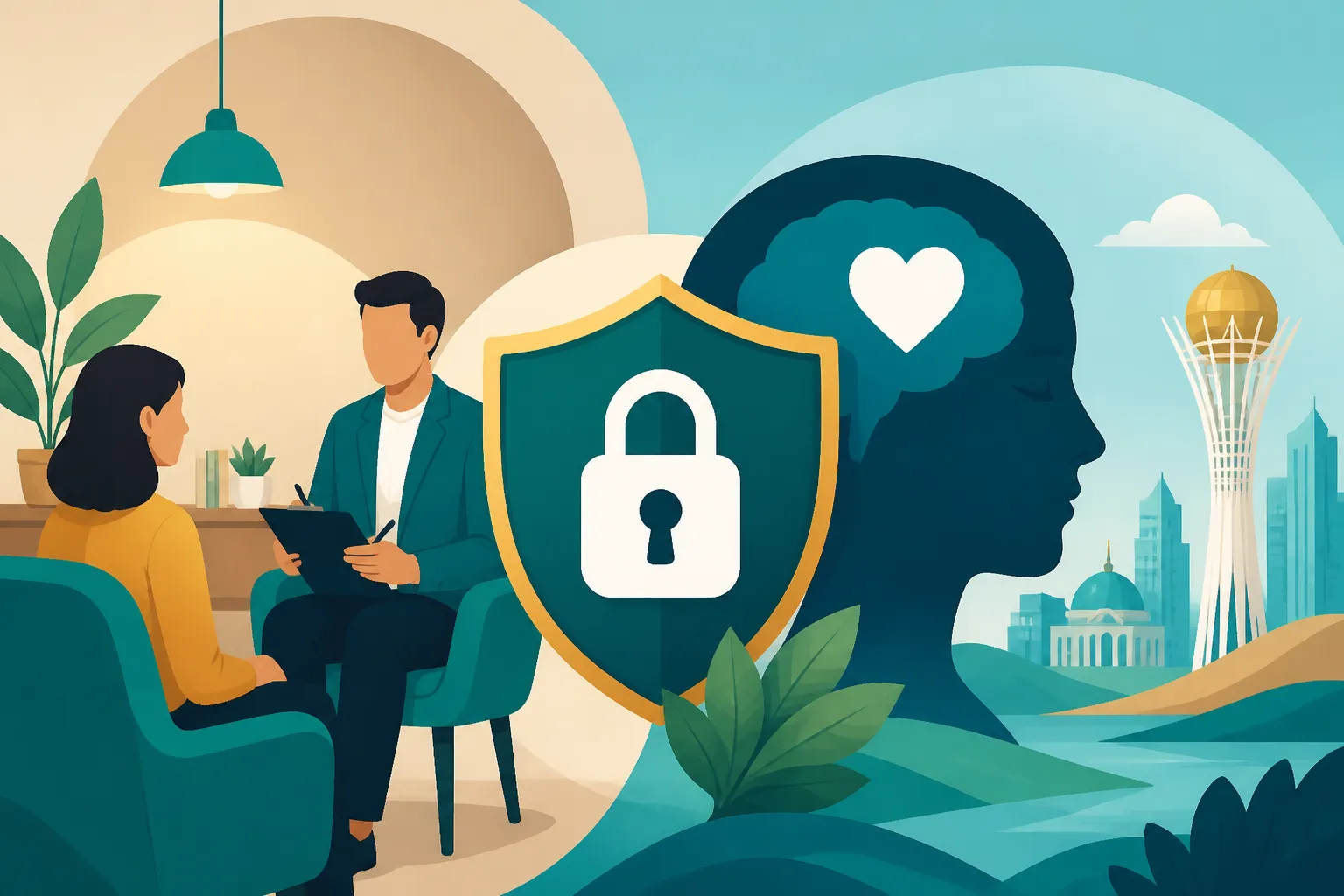
Is Mental Health Treatment Confidential in Kazakhstan?
The worry that comes with seeking mental health support is universal, but when you're an expat in a new country like Kazakhstan, the added layer of uncertainty about privacy and confidentiality can be incredibly daunting. It's a valid concern – navigating a foreign healthcare system is tough enough, let alone when dealing with something as sensitive as your mental well-being. This guide aims to clear up the confusion around mental health treatment confidentiality in Kazakhstan, offering clarity and practical advice for foreign residents.
Understanding Medical Confidentiality in Kazakhstan's Healthcare System
Let's be real, the healthcare system in Kazakhstan can feel like a labyrinth at times, and understanding patient rights, especially concerning privacy, isn't always straightforward. However, it's important to know that Kazakhstan does have laws and regulations in place designed to protect patient confidentiality. These principles are enshrined in the Code "On the Health of the People and the Healthcare System," which outlines the rights of patients, including the right to privacy regarding their medical information.
Legal Frameworks and Patient Rights
At its core, Kazakhstani law, like many other countries, generally mandates that medical professionals must maintain the secrecy of information about a patient's health, diagnosis, treatment, and other personal details revealed during consultation. This is known as "medical secrecy" (врачебная тайна) and it's a fundamental tenet that health organizations and individual practitioners are expected to uphold. This legal obligation covers doctors, nurses, and all medical personnel who come into contact with your health records. The intent is to foster trust between patients and their healthcare providers, ensuring you can be open and honest about your condition without fear of your personal struggles being shared indiscriminately.
However, as expats, we often find that the spirit of the law and its practical application can sometimes diverge, especially in settings that are less accustomed to international patient expectations. While the law is there, the enforcement mechanisms or the digital security practices might not always align with what you're used to back home. This is why understanding where the system might have cracks, or where you need to be more proactive in protecting your own privacy, is crucial. For a broader overview of how the system works, you might find "How Kazakhstan's Health System Works: OSMS and Private Care Explained (2026)" to be a helpful read.
Exceptions to Confidentiality Rules
Just like in almost every country, there are specific, legally defined circumstances under which medical confidentiality can be breached in Kazakhstan. These exceptions are typically in place to protect public health, ensure public safety, or when required by law enforcement under specific judicial orders.
For instance, information might be disclosed without your consent in cases of:
- Contagious Diseases: If you are diagnosed with a highly contagious and dangerous disease, information may be shared with public health authorities to prevent its spread.
- Criminal Investigations: If there's a court order or a formal request from law enforcement related to a serious crime investigation, medical information may be compelled.
- Protection of Minors or Incapacitated Individuals: If there's a risk of harm to a minor or an adult who is legally deemed incapable of making their own decisions, information might be shared with guardians or relevant authorities.
- Emergency Situations: In life-threatening emergencies where you are unable to give consent, information necessary for your treatment might be shared with other medical professionals involved in your care.
These are not unique to Kazakhstan; they are common exceptions in healthcare systems globally. The key for expats is understanding that these are exceptions, and generally, your right to privacy is protected. However, if you're concerned about a specific situation, don't hesitate to ask your medical provider directly about their specific protocols.
Specifics of Mental Health Confidentiality in Kazakhstan
When it comes to mental health, the aspect of confidentiality feels even more critical. There's often a societal stigma attached to mental health challenges, which can make the thought of your personal struggles becoming public particularly frightening. Thankfully, the general principles of medical secrecy extend to mental health treatment, aiming to protect patients from discrimination and ensure a safe space for healing.
Confidentiality in Therapy and Psychiatry
Whether you're seeing a psychologist for therapy or a psychiatrist for medication management, the expectation of confidentiality remains paramount. Your sessions, diagnoses, treatment plans, and all personal disclosures are meant to be kept private between you and your mental health professional. This is crucial for building the trust needed for effective treatment.
However, the reality on the ground can sometimes differ from the strict legal ideal, especially in a developing healthcare environment. In public facilities, where patient volumes are high and record-keeping might still involve paper files or less secure digital systems, the perception of confidentiality might feel weaker than in a dedicated private clinic. Expats often share anecdotes of less stringent privacy practices in general public healthcare settings. This isn't to say breaches are rampant, but rather that the 'feel' of privacy might be different from what Western expats are used to.
If you're accessing mental health services, especially in a public polyclinic, remember that various specialists might have access to your general medical file. While mental health records should be protected, the integrated nature of public clinics means more personnel potentially interacting with your overall health information. Many expats find "How to Access Mental Health Services in Kazakhstan as an Expat" a good starting point for understanding their options.
Electronic and Physical Medical Records
With the increasing digitization of healthcare, the security of electronic medical records (EMRs) is a growing concern everywhere, including Kazakhstan. Many clinics, particularly the larger private ones and some modern public facilities, are moving towards electronic record systems. While these systems promise efficiency, their security relies heavily on the robustness of their IT infrastructure and staff training.
- Physical Records: In older or smaller clinics, physical paper records are still common. These are typically stored in locked cabinets or designated medical record offices. The security of these depends on the physical safeguards in place and the adherence of staff to privacy protocols.
- Electronic Records: For EMRs, clinics should have password protection, access controls, and auditing systems to track who accesses patient data. It's not uncommon, however, for smaller clinics or less digitally mature institutions to have simpler systems that might not meet international best practices for data security. This is where personal diligence becomes important.
When considering where to seek treatment, it's perfectly reasonable to ask about a clinic's data security practices. Don't be shy about inquiring how your records are stored, who has access to them, and what measures are in place to protect your privacy. This level of inquiry is often welcomed by professional institutions.
Navigating Public vs. Private Mental Health Services and Confidentiality
The choice between public and private healthcare in Kazakhstan significantly impacts not just the quality and accessibility of services, but also your perceived level of confidentiality. This is a critical distinction for expats, as the two systems operate with different resources and sometimes different professional cultures.
Public Healthcare Facilities
Public polyclinics and hospitals are the backbone of Kazakhstan's compulsory social health insurance system (OSMS). They are generally more accessible and affordable, especially if you are formally employed and contributing to OSMS. However, the experience regarding confidentiality can be mixed.
- Higher Patient Volume: Public clinics serve a vast number of patients, meaning more staff potentially interact with your records. The fast-paced environment might lead to less meticulous attention to privacy details compared to a private, boutique setting.
- Integrated Records: In a public polyclinic, your mental health records might be part of your broader general medical file, accessible by various general practitioners and specialists within the same system. This can reduce the sense of compartmentalized privacy you might desire for mental health issues.
- Staff Awareness: While medical secrecy is legally mandated, consistent training and reinforcement of strict confidentiality protocols among all staff members (from receptionists to doctors) might vary.
If you opt for public mental health services, be aware that while your rights are protected by law, the sheer scale and bureaucratic nature of the system might make it feel less private. It's often advisable to be proactive in asking questions and perhaps bringing a trusted local friend to help navigate. For insights into the public system, consider reading "Public vs Private Healthcare in Kazakhstan: What Expats Need to Know".
Private Mental Health Clinics
Private clinics, on the other hand, often cater to a different clientele and generally offer a higher standard of service, including a stronger emphasis on patient privacy. They typically operate with more modern infrastructure, better-trained staff, and a business model that prioritizes client satisfaction and trust.
- Dedicated Teams: Private mental health clinics often have dedicated teams of specialists who manage fewer patients, leading to a more personalized approach and potentially better control over patient data.
- Enhanced Security: Many private clinics use more sophisticated electronic record systems with stricter access controls, ensuring that only authorized personnel can view your mental health information.
- Professional Standards: Private clinics often align more closely with international professional standards regarding patient confidentiality, sometimes due to the presence of internationally trained staff or a desire to attract expat clients. They understand that a breach of trust can significantly damage their reputation.
- Cost: The trade-off, of course, is cost. Private mental health services are significantly more expensive than public options, and while some private health insurance plans might cover them, OSMS generally doesn't cover private mental health services extensively. When looking into private insurance, options like SafetyWing can provide travel and medical coverage, which might include some initial mental health support or crisis intervention, especially useful for newcomers still settling in and assessing their long-term options.
Here's a quick comparison of confidentiality aspects:
| Feature | Public Mental Health Services | Private Mental Health Clinics |
|---|---|---|
| Legal Basis | Protected by Kazakhstani law on medical secrecy. | Protected by Kazakhstani law on medical secrecy, often supplemented by internal policies. |
| Data Storage | Mix of electronic and paper records; security can vary. Integrated with general medical files. | More often electronic, with stronger access controls. Dedicated mental health records. |
| Staff Access | Potentially wider range of staff members (doctors, nurses, administrators) in polyclinic system. | Limited to direct mental health professionals and essential administrative staff. |
| Perceived Privacy | May feel less private due to higher patient volume and integrated systems. | Generally higher perceived privacy due to dedicated, controlled environment. |
| Cost Implications | Generally covered by OSMS, lower out-of-pocket for residents. | Higher out-of-pocket costs; may be covered by private insurance (e.g., SafetyWing for emergencies). |
| Language Support | Often limited to Kazakh/Russian; finding English-speaking staff can be challenging. | More likely to have English-speaking staff or offer translation services. |
Ultimately, for a higher degree of perceived and actual confidentiality, private clinics are generally the preferred option for many expats seeking mental health support in Kazakhstan. They tend to offer a more discreet and controlled environment.
Practical Steps to Ensure Your Privacy
While the legal framework for confidentiality exists, it never hurts to be proactive in protecting your personal information. Especially when dealing with something as personal as mental health, taking a few extra steps can provide significant peace of mind.
Choosing the Right Provider
The first and most crucial step is selecting a mental health provider or clinic carefully. Don't just pick the first one you find. Do your research, ask for recommendations, and consider the following:
- Reputation: Look for clinics with a good reputation, especially those that cater to the expat community or have international affiliations. Clinics like Interteach in Almaty and Astana are often chosen by expats for their more Western-style approach to healthcare.
- Accreditation and Licensing: Ensure the clinic and its practitioners are properly licensed and accredited by relevant Kazakhstani health authorities.
- Initial Consultation: Many clinics offer an initial consultation. Use this opportunity to directly ask about their privacy policies, how they handle medical records (both physical and electronic), and who has access to your information. Ask specific questions about their protocol for sharing information, if any.
- Language Barrier: If you're not fluent in Kazakh or Russian, prioritize clinics with English-speaking staff. Misunderstandings due to language barriers can inadvertently lead to privacy concerns. You might find "How to Find an English-Speaking Doctor in Kazakhstan" useful.
Remember, you are the client, and you have the right to choose a provider who makes you feel safe and respected.
Understanding Consent Forms and Documentation
When you first register at any medical facility in Kazakhstan, you'll typically be asked to sign various consent forms. While it's tempting to rush through these, especially if they are in a language you don't fully understand, take your time.
- Read Carefully (or have it translated): These forms usually include clauses about data processing, medical treatment consent, and sometimes, agreements for sharing information with other departments or for insurance purposes. If it's not in a language you understand, request a translation or bring a trusted person who can translate for you.
- Ask Questions: If any part of the consent form is unclear, ask for clarification before signing. Pay close attention to sections that discuss data sharing or release of information.
- Specific Consent for Mental Health: Some clinics might have specific consent forms for mental health services that explicitly detail confidentiality agreements. Look for these and ensure they align with your expectations.
Knowing what you're signing is your fundamental right and a key aspect of protecting your privacy.
Communicating Your Expectations Directly
Don't assume your mental health professional knows your specific privacy concerns, especially in a cross-cultural setting. Be open and direct about your expectations.
- Early Discussion: At the beginning of your therapeutic relationship, explicitly state your desire for strict confidentiality. Ask them to confirm their understanding and adherence to these principles.
- Clarify Information Sharing: If you have other doctors in Kazakhstan, or if you're covered by international insurance (like some plans from SafetyWing which might require medical reports for claims), clarify exactly what information, if any, will be shared with them and for what purpose. Can it be limited to diagnosis codes rather than detailed session notes?
- Emergency Contacts: Discuss who they can contact in an emergency and what information they are authorized to share with that person. Make sure this is explicitly documented.
Clear communication from the outset can prevent misunderstandings and reinforce the importance of your privacy. For a comprehensive guide on navigating the local system, consider "Navigating the Kazakhstani Healthcare System: An Expat's Roadmap (2026)".
What to Do If Confidentiality Is Breached
Despite all precautions, sometimes things go wrong. While rare, a breach of confidentiality can be deeply distressing, particularly when it involves sensitive mental health information. Knowing your recourse options can empower you to act if such an unfortunate event occurs.
Reporting a Breach of Privacy
If you suspect your medical confidentiality has been breached, the first step is to gather as much information as possible. Document specific instances, dates, and names of individuals involved.
- Directly Address the Provider/Clinic: Start by speaking directly with the mental health professional or the clinic's administration. Many issues can be resolved through direct communication and clarification. Request a formal meeting to discuss your concerns.
- Formal Complaint: If direct communication doesn't resolve the issue, or if the breach is serious, you can file a formal written complaint with the clinic's management. State clearly what happened, how it affected you, and what resolution you seek.
- Kazakhstani Ministry of Health: For more serious or unresolved cases, you can escalate your complaint to the Ministry of Health (Министерство здравоохранения Республики Казахстан). They have departments responsible for overseeing healthcare quality and patient rights. You can typically find their contact information on their official website or through the eGov portal.
- Medical Licensing Body: Depending on the severity and nature of the breach, you might also consider contacting the relevant medical licensing or professional ethics body for doctors and psychologists in Kazakhstan. They can investigate professional misconduct.
Remember to keep copies of all correspondence and any evidence you have collected.
Legal Recourse and Support
While legal action might seem daunting in a foreign country, it is an option, though often a last resort. Kazakhstan's legal system does allow individuals to seek compensation for damages incurred due to medical negligence or breaches of confidentiality.
- Consult a Lawyer: If you believe you've suffered significant harm due to a confidentiality breach, it would be wise to consult with a local lawyer specializing in medical law or civil rights. They can advise you on the feasibility of a lawsuit, the potential costs, and the process involved. Finding a lawyer with experience assisting expats is ideal.
- Embassy or Consulate Support: Your embassy or consulate might not directly intervene in legal matters, but they can often provide lists of English-speaking lawyers in Kazakhstan and offer general guidance or moral support.
- Mental Health Support: Dealing with a breach of privacy, especially concerning mental health, can be very upsetting. Do not hesitate to seek additional mental health support to process the emotional impact.
Navigating such a situation requires patience and persistence, but knowing that avenues for redress exist can provide some comfort. Having a robust Health Insurance in Kazakhstan: OSMS, Private and International Options Explained can also be beneficial, as some plans might offer legal support or advocacy services.
Disclaimer
The information provided in this article is intended for general guidance and informational purposes only and does not constitute professional medical, legal, or financial advice. While we strive to keep the information up-to-date and accurate, laws, regulations, and healthcare practices in Kazakhstan can change. Always consult with qualified medical professionals, legal advisors, or relevant government authorities for advice specific to your individual circumstances. We do not endorse any specific medical providers or clinics mentioned herein; they are provided as examples for illustrative purposes.