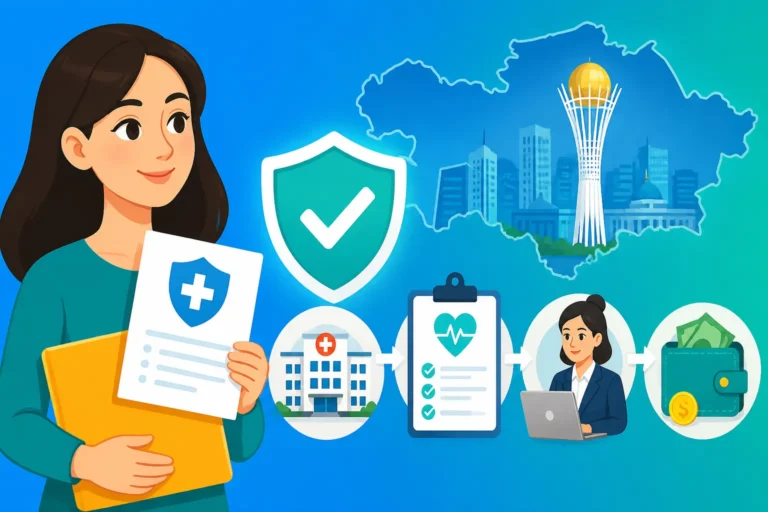
How Much Does a Specialist Consultation Cost in Kazakhstan?
One of the biggest worries for expats in Kazakhstan is navigating the healthcare system, especially when you need to see a specialist. It’s not just about finding the right doctor; it’s about understanding the costs involved and how to avoid nasty surprises. This guide will meticulously break down the typical expenses for specialist consultations, helping you budget and access the care you need without unnecessary stress.
Understanding Specialist Consultation Costs in Kazakhstan
Stepping into the healthcare system here can feel like a labyrinth, especially when you're already feeling under the weather and just want to see a doctor who understands your specific issue. The cost of seeing a specialist in Kazakhstan isn't a one-size-fits-all number. It heavily depends on whether you're using the public system, opting for private care, and what kind of specialist you need. Let's delve into the nuances of the pricing structure.
The Dual System: Public vs. Private Clinics for Specialists
Kazakhstan operates a dual healthcare system, which means you have the public option, largely managed through the Compulsory Social Health Insurance (OSMS), and a thriving private sector. For many expats, understanding the difference is the first hurdle.
The public healthcare system, funded by OSMS contributions, is designed to provide comprehensive care at no direct cost at the point of service, once you're registered and contributing. This theoretically includes specialist consultations. However, getting to a specialist in the public system usually means going through a referral from your general practitioner (GP) at your assigned polyclinic. This can be a slow, bureaucratic process, often involving long queues, potential language barriers, and limited choices of doctors. If you're covered by OSMS, a specialist visit, in principle, costs you nothing out of pocket, but the cost in terms of time and effort can be significant. If you’re trying to figure out if you're even eligible, you might want to look into How Kazakhstan's Health System Works: OSMS and Private Care Explained (2027).
Private clinics, on the other hand, offer a much more direct and often swifter route to specialist care. These are the clinics where you can usually walk in (or call ahead for an appointment, which is always recommended) and see a specialist without a referral, albeit for a fee. The advantages are clear: shorter wait times, often better facilities, the possibility of finding English-speaking doctors, and generally a more comfortable experience. However, this convenience comes with a price tag, which can vary wildly. Many expats find themselves gravitating towards private options for their peace of mind and the quality of service, especially when it comes to something as important as specialist care. To get a broader picture of your options, check out Public vs Private Healthcare in Kazakhstan: What Expats Need to Know.
Average Cost Breakdown for Common Specialists
So, what are we talking about in terms of actual numbers for private specialist consultations? It's tough to give exact figures that hold true across the entire country, as prices can differ between major cities like Almaty and Astana versus smaller regional centers. However, I can give you a realistic range based on my experience and current market rates.
For a first-time consultation with a general specialist (like a cardiologist, dermatologist, gynecologist, or ENT specialist) at a reputable private clinic in Almaty or Astana, you can generally expect to pay anywhere from 8,000 KZT to 20,000 KZT. Some highly sought-after specialists or those in more high-end clinics might charge more, potentially up to 25,000-30,000 KZT for an initial visit. Follow-up consultations are often slightly cheaper, perhaps in the range of 6,000 KZT to 15,000 KZT, assuming no new major diagnostics are needed.
It's crucial to remember that this fee typically covers just the consultation itself – the doctor's time to examine you, discuss your symptoms, and provide an initial diagnosis or treatment plan. It usually doesn't include any diagnostic tests the specialist might order, such as blood work, ultrasound scans, X-rays, or more advanced imaging like an MRI. These additional tests will incur separate costs, which can quickly add up. For example, a basic blood test might be 3,000-7,000 KZT, while an MRI could easily set you back 25,000-60,000 KZT or more, depending on the body part and clinic. If you need more details on general costs, you can read The Cost of Healthcare in Kazakhstan: A Complete Breakdown for Foreigners (2026).
The Role of Health Insurance in Covering Specialist Fees
This is where planning ahead truly pays off. If you’re relying solely on OSMS, your specialist consultations are covered once you have a referral. But for those who prefer the private route, private health insurance becomes a game-changer.
Many expats choose to top up their OSMS coverage, or even rely entirely on a robust private health insurance plan. These plans can significantly reduce, or even eliminate, the out-of-pocket costs for specialist visits at private clinics. Policies vary widely, of course. Some plans might cover 100% of the consultation fee, while others might have a co-payment or a deductible you need to meet first. It's vital to read your policy documents carefully to understand what's covered, what limits apply, and what the claims process entails.
For expats who travel frequently or need flexible coverage, international health insurance providers like SafetyWing offer plans that can cover specialist consultations, not just in Kazakhstan but globally. This can be particularly reassuring if you're not sure how long you'll be in Kazakhstan or if you want the option to seek treatment elsewhere. Having private insurance means you don't have to worry about the immediate sting of a 15,000 KZT consultation fee, and you can focus on getting healthy. Understanding Health Insurance in Kazakhstan: OSMS, Private and International Options Explained is a crucial step for managing these expenses.
Navigating the Referral System and Direct Access
The path to seeing a specialist can be one of the most frustrating parts of healthcare for expats in Kazakhstan. You have a choice between bureaucracy and expense, and often it feels like there’s no perfect middle ground.
Getting a Referral Through OSMS
If you’re enrolled in the OSMS system, the standard procedure is to first visit your assigned polyclinic (клиника) and see your general practitioner. This is the gatekeeper to specialist care in the public system. You explain your symptoms, and if your GP deems it necessary, they will issue a referral to a specialist.
This process, while cost-effective at the point of service, often involves several steps and potential delays. First, you might need an appointment to see your GP, which could take a few days. Then, once referred, you'll need another appointment with the specialist, which could be days or even weeks away, depending on the specialty and the clinic’s workload. The frustration is real: you know you need to see a particular type of doctor, but the system dictates you must go through your GP first. Language can also be a significant barrier here; while some larger polyclinics might have English-speaking staff, it's far from guaranteed, making it difficult to articulate complex symptoms or understand the referral process. To avoid confusion, knowing How Specialist and Hospital Referrals Work in Kazakhstan is incredibly helpful.
Bypassing the System: Direct Access to Private Specialists
This is often the preferred route for many expats, despite the higher cost. In a private clinic, you typically don’t need a referral from a GP to see a specialist. You can simply call the clinic, book an appointment, and show up. This offers unparalleled convenience and speed, which can be invaluable when you’re dealing with a concerning health issue.
For example, if you wake up with a persistent rash, in the private system, you can directly book an appointment with a dermatologist. If you’re experiencing chest pains, you can often get an appointment with a cardiologist much faster. This direct access is a major draw for foreigners who are used to more flexible healthcare systems or simply value their time and comfort. This is also where a good private insurance plan, like those offered by SafetyWing, really proves its worth. Being able to go directly to the specialist you need, when you need them, without worrying about the immediate financial impact, provides immense peace of mind. It truly helps you take charge of your health here.
What to Expect During Your Specialist Visit
Once you've secured an appointment, whether through referral or direct booking, knowing what to expect can ease some of the anxiety. When you arrive at a public polyclinic, be prepared for a potentially crowded waiting area and a more utilitarian environment. You’ll present your documents, wait your turn, and then see the specialist. The consultation might be quick, and language can be a significant hurdle.
At a private clinic, the experience is generally smoother. You'll likely encounter a more modern and quieter waiting area, and reception staff may be more accustomed to dealing with foreign patients. For your appointment, bring your passport (or a copy), your IIN (Individual Identification Number), and any relevant medical history or previous test results. If you have private insurance, make sure to bring your insurance card or policy details. The specialist will typically conduct a thorough examination, ask about your medical history, and discuss your symptoms. They might order further diagnostic tests or prescribe medication. Payment for private visits is usually made at the reception desk after your consultation. Most private clinics accept cash and bank cards, and many also accept payments via Kaspi Gold, a popular local banking app. If you're wondering What Documents Do I Need to See a Doctor in Kazakhstan?, that article will cover all your bases.
Minimising Costs and Maximising Care
While healthcare in Kazakhstan can be surprisingly affordable compared to Western countries, specialist consultations can still represent a significant, unplanned expense. It's wise to have strategies in place to manage these costs effectively.
Comparing Prices and Clinic Options
Just like you'd shop around for other services, it pays to do a little research before booking a specialist appointment. Prices can differ from one private clinic to another, even within the same city. Don't be shy about calling a few clinics to inquire about their specialist consultation fees.
In Almaty and Astana, you'll find a range of private clinics, from large, well-established centers like Mediker, Sunkar, or SOS International, to smaller, independent practices. Larger clinics often have a broader array of specialists and diagnostic equipment under one roof, offering convenience, but they might also be pricier. Expats often share recommendations in online groups, which can be a good source for finding clinics known for good service or particular specialties. Sometimes, a clinic located slightly outside the city center might offer lower prices without compromising on quality. It’s worth checking out clinics with a good reputation for How to Find an English-Speaking Doctor in Kazakhstan if language is a concern.
The Value of Comprehensive Health Insurance
I cannot stress this enough: investing in comprehensive private health insurance is probably the single best way for an expat to manage healthcare costs and access high-quality specialist care in Kazakhstan. While the monthly premiums might seem like an added expense, they offer invaluable protection against unexpected medical bills, especially for specialists and the diagnostics they often require.
A good private health insurance plan gives you the freedom to choose your specialist and clinic, often without the need for a referral. It typically covers a significant portion, if not all, of your consultation fees, diagnostic tests, and sometimes even prescription medications. For digital nomads or those on shorter-term assignments, options like SafetyWing offer travel medical insurance that can be a cost-effective solution, providing coverage for specialist visits and emergencies. Before committing, compare different plans, understand their coverage limits for specialist care, outpatient services, and emergency treatment. It's an investment in your peace of mind and your health. For more detailed insights, consider reading Understanding Private Health Insurance Plans in Kazakhstan.
Unexpected Costs: Diagnostics and Follow-ups
As I mentioned earlier, the initial consultation fee is often just the tip of the iceberg. A specialist's primary role is to diagnose your condition, and that frequently involves ordering additional tests. These diagnostic procedures come with their own costs, which can quickly accumulate.
For instance, a trip to a gastroenterologist for digestive issues might lead to recommendations for blood tests, an ultrasound of your abdomen, and perhaps even an endoscopy. Each of these will be billed separately. Similarly, a cardiologist might order an ECG, an echocardiogram, and stress tests. An orthopedic specialist might send you for an X-ray or an MRI scan. Don't forget that follow-up consultations might also be necessary to discuss test results or monitor treatment progress. It's always a good idea to ask the specialist or clinic administration for an estimate of these additional costs when they are recommended, so you're not caught off guard. This is another area where robust private health insurance, like SafetyWing's comprehensive options, can provide critical financial backing, ensuring you don't delay necessary diagnostics due to cost concerns.
Key Considerations for Expats
Living in a foreign country always brings unique challenges, and healthcare is no exception. As an expat in Kazakhstan, there are a few specific things you absolutely need to keep in mind when seeking specialist care.
Language Barriers and English-Speaking Doctors
This is often the biggest hurdle. While staff at international companies and some younger professionals in major cities might speak English, it's not a given in the healthcare sector, especially in public polyclinics. Trying to explain complex medical symptoms in a language you don’t fully master, or understanding a detailed diagnosis from a doctor who speaks limited English, can be incredibly stressful and potentially risky.
Many private clinics in Almaty and Astana cater specifically to the expat community and often have English-speaking doctors or at least dedicated English-speaking administrative staff who can assist with interpretation. Clinics like SOS International or some departments within Mediker are known for this. If you’re going to a clinic where English isn’t guaranteed, consider bringing a friend who can translate, or even hiring a professional medical interpreter. Don't underestimate the importance of clear communication when it comes to your health.
Documentation and Payment Methods
When visiting any clinic, public or private, always carry your identification. This means your passport (or a notarised copy) and your IIN (Individual Identification Number), which is essential for almost all official transactions in Kazakhstan, including healthcare. If you're registered with OSMS, you'll also need your insurance policy details, often linked to your IIN.
For private clinics, payment is usually expected at the time of service. As mentioned, cash (Tenge), major credit/debit cards, and Kaspi Gold are widely accepted. It’s always a good idea to confirm payment methods when you book your appointment. If you have private health insurance, ensure you know their claims procedure. Some insurers might require you to pay upfront and then seek reimbursement, while others may have direct billing agreements with certain clinics. Keeping all your receipts and medical reports organized is crucial for any reimbursement claims. For those new to the banking system, How Do I Pay for a Doctor Visit in Kazakhstan? provides practical advice.
What to Do in an Emergency
While this guide focuses on planned specialist consultations, it’s vital to distinguish between routine and emergency situations. If you have a medical emergency, you shouldn't be worrying about referrals or consultation fees. The emergency services in Kazakhstan can be reached by dialing 103 for an ambulance.
For critical situations, whether you’re insured or not, emergency care will be provided first. The financial aspect can be sorted out later. However, if you are experiencing an urgent but non-life-threatening condition that still requires specialist attention quickly, a private clinic offering same-day appointments or walk-in services might be your best bet. Always know the location of the nearest reputable private hospital or clinic to your home or workplace, and keep their numbers handy. While OSMS covers emergencies, the speed and potentially higher standard of care in a private hospital's emergency department might be worth the initial out-of-pocket expense if you have to pay upfront before claiming from insurance. Knowing about Emergency Medical Care in Kazakhstan: What Every Expat Needs to Know can really make a difference.
Comparison of Specialist Consultation Options
Here's a quick overview to help you weigh your options:
| Feature | Public OSMS System | Private Clinics |
|---|---|---|
| Cost (Consultation) | Free (covered by OSMS contributions) | 8,000 – 30,000 KZT per visit (varies by clinic/specialist) |
| Referral Required? | Yes, typically from a GP at your assigned polyclinic | Generally no, direct booking possible |
| Wait Times | Potentially long for GP appointments and specialist referrals | Shorter, often same-day or within a few days |
| English-Speaking Staff | Rare outside of very select polyclinics in major cities | More common, especially in expat-focused clinics |
| Facilities | Can be older, varying quality | Generally modern, higher standards |
| Choice of Doctor | Limited to what's available through your polyclinic | Wide choice, based on reputation, location, language |
| Diagnostic Tests | Covered by OSMS (with referral), but may involve separate queues/appointments | Additional cost, often available on-site for convenience |
| Insurance Benefit | Mandatory for residents; covers basic care | Essential for cost management; covers direct access and reduces out-of-pocket |
Navigating the healthcare system in a new country is never easy, but by understanding the costs and processes involved with specialist consultations in Kazakhstan, you can make informed decisions and ensure you get the best care possible.
Disclaimer
The information provided in this guide is for general informational purposes only and does not constitute medical, financial, or legal advice. Healthcare costs and regulations in Kazakhstan are subject to change. While we strive to keep the information accurate and up-to-date, it is essential to consult with official sources, healthcare providers, and insurance professionals for the most current and personalized advice. We are not liable for any actions taken based on the information provided herein.