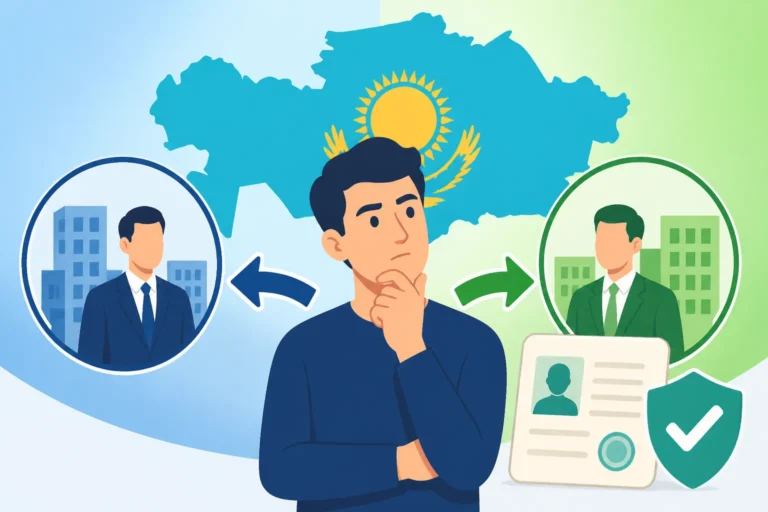
Understanding the Cost and Timeline of the Kazakhstan Residence Process
Oh, the infamous residence process in Kazakhstan! If you're anything like I was when I first started looking into settling down here, you're probably wrestling with a big, blurry question mark floating over your head: "How much is this really going to cost me, and how long will it actually take?" It's a valid and often frustrating query, because the official answers can sometimes feel a world away from the lived reality. This guide is dedicated to pulling back the curtain, offering a realistic, expat-focused breakdown of the financial outlay and the practical timelines you can expect when navigating the Kazakhstan residence permit process.
Initial Application Fees and Government Charges
When you first embark on the journey to secure your residence permit in Kazakhstan, you’ll quickly discover that there’s a foundational layer of fees levied directly by the government. These aren't the sneaky, unexpected costs; these are the upfront, official charges that get the bureaucratic ball rolling. Understanding them is your first step towards building a realistic budget.
Work Permits and Investor Visas
For many expats, a work permit is the gateway to long-term residence. If you're lucky enough to have an employer sponsoring your move, they often shoulder a significant portion of these costs, but it’s crucial not to assume everything is covered. Employer-sponsored work permits, depending on the category and duration, generally involve government fees. For instance, skilled professionals or highly qualified specialists might fall under certain categories that have different fee structures. Companies typically pay for the work permit itself, which can range from several hundred thousand KZT to well over a million, depending on the quota, industry, and duration. As an individual, you'll still be responsible for your personal residence permit application fee, which, while smaller than the work permit fee, is still a necessary expense.
Investor visas, designed to attract foreign capital, often come with their own distinct fee schedule. These can be more substantial, reflecting the longer-term stay and potential for greater economic impact. The exact figures are often tied to the level of investment and the specific visa category, requiring careful consultation with official sources or legal advisors to get precise numbers. It's not a small sum, and it’s intended for those making a significant commitment to the Kazakhstani economy.
Student and Family Reunification Residence
If you're moving to Kazakhstan to hit the books or to join a loved one, the initial government fees for student and family reunification residence permits tend to be more modest than those for work or investor visas. For a student, the main costs are usually related to the visa application itself, and then a separate, relatively small fee for the residence permit once you're enrolled in a recognized educational institution. These fees contribute to the processing and issuance of your permit, and while they won't break the bank, they're non-negotiable.
Similarly, for family reunification, the fees are generally lower than work permits. The primary applicant (the family member already holding residence) will pay a fee, and then each dependent (spouse, children) will have a separate, usually smaller, fee associated with their individual residence permit application. These fees ensure that the migration service can process each family member's documentation properly. It's a relief to know these initial costs aren't exorbitant, but they are just the starting point.
Here's a rough overview of estimated government fees (these figures are subject to change and should be verified with the latest migration service data):
| Residence Permit Type | Estimated Government Fee (KZT) | Notes |
|---|---|---|
| Work Permit (Employer-Paid) | 250,000 – 1,500,000+ | Varies greatly by duration, industry, and specialist category |
| Individual Residence Permit | 10,000 – 30,000 | Applied after work permit is secured, paid by individual |
| Investor Visa/Residence | Varies, often higher | Depends on investment amount and specific program |
| Student Residence Permit | 5,000 – 20,000 | For the student's individual permit |
| Family Reunification (per person) | 5,000 – 20,000 | For dependents joining a resident family member |
| Neo Nomad (Digital Nomad) | 20,000 – 50,000 (annual fee) | Still quite new, fees can adjust |
Hidden Costs: Translations, Notarizations, and Medical Checks
Alright, so you've seen the official government fees, and maybe you're thinking, "That's not so bad!" But trust me, that's just the tip of the iceberg. The real financial surprises often come from the hidden costs – the essential steps that aren't government fees but are absolutely mandatory for your application. This is where things can start to add up, and it's why new expats should budget generously for the "small stuff."
Document Preparation
Every single official document you submit for your Kazakhstan residence application will likely need to be translated into either Kazakh or Russian. And it's not enough to just translate it; those translations almost always need to be notarized by a local notary public. Think birth certificates, marriage certificates, university diplomas, police clearance certificates, bank statements, previous work contracts, and any other official paper you can imagine. Each page translated costs money, and each notarization adds another fee. It’s not uncommon for a complex application with several dependents to require dozens of pages of translation and notarization. The bill for that alone was quite a shock. Expect to pay anywhere from 1,500 KZT to 5,000 KZT per page for translation, and an additional 1,000 KZT to 3,000 KZT per notarized document. If you needed documents apostilled in your home country, remember those fees too. This part of the process is often underestimated but can easily amount to a significant chunk of your total expenses. For a more detailed look at what documents you’ll need, check out our guide on Understanding Document and Translation Requirements for Kazakhstan Immigration.
Medical Examinations and Insurance
Before you can be issued a residence permit, you'll need to undergo a mandatory medical examination. This isn't just a quick check-up; it typically involves tests for various infectious diseases, including HIV and syphilis, a chest X-ray for tuberculosis, and a general doctor's consultation. You'll need to visit a designated clinic, and while the process is generally straightforward, it does come with its own costs. The fees for these medical checks can vary between clinics in different cities like Almaty or Astana, but usually range from 10,000 KZT to 30,000 KZT.
On top of the examinations, proving you have adequate health coverage is usually a requirement for obtaining your residence permit. This means having valid health insurance in Kazakhstan. While some employers might provide basic coverage, many expats choose to supplement this with private health insurance for better access to clinics, English-speaking doctors, and broader coverage. Companies like Cigna Global offer robust international health insurance plans that are well-regarded by expats and often accepted for residence permit applications. Understanding the different options available is key, so make sure to read Health Insurance in Kazakhstan: OSMS, Private and International Options Explained. Don't skimp on this; your health is paramount, and a good policy can save you from huge out-of-pocket expenses down the line.
Consular Fees and Travel
If you're applying for your initial visa from outside Kazakhstan, you'll need to factor in consular fees charged by the Kazakhstani embassy or consulate in your home country or country of residence. These fees are separate from the internal migration service fees and cover the administrative costs of processing your visa application abroad. They vary by country and visa type, but typically range from $50 to $200 USD.
Beyond the fees, don't forget the logistical costs. Depending on where you live, you might need to travel a significant distance to the nearest Kazakhstani embassy or consulate for interviews, document submission, or passport collection. Airfare, accommodation, and local transport can quickly add up, especially if you have to make multiple trips or if your family is also applying. Even for those already in Kazakhstan, you might need to travel to a regional migration service office, or even between cities if your case requires it, incurring internal travel costs. It’s all part of the grand adventure, but it’s an expensive part!
Understanding Processing Timelines: What to Expect
The question of "how long will it take?" is probably one of the most common and anxiety-inducing for expats. The official timelines for residence permits in Kazakhstan are usually quite clear, but the actual experience can sometimes feel like a test of patience. It’s a good idea to approach this stage with a healthy dose of flexibility and a deep breath.
Standard Processing Periods
For most temporary residence permits, such as those linked to a work permit, student enrollment, or family reunification, the official processing time usually ranges from 15 to 30 calendar days from the date of complete document submission. This is the period within which the migration service aims to review your application, conduct necessary background checks, and make a decision.
For applications concerning How to Get Permanent Residence in Kazakhstan, the timeline can be a bit longer, often extending to 45 to 60 calendar days, or even more, due to the more stringent requirements and deeper checks involved. The Neo Nomad (Digital Nomad) Visa, being a newer category, has aimed for faster processing, but it's still best to allow a few weeks. These are, of course, the official targets.
During this period, your passport will typically be held by the migration service. This can be a bit nerve-wracking, especially if you have immediate travel plans, so plan accordingly! It’s also crucial that your documents are absolutely impeccable. Any missing information, incorrect forms, or issues with translations can send your application right back to the beginning of the queue, extending your wait significantly.
Expedited Processing and Potential Delays
Is there a way to speed things up? Officially, for most standard residence permits, expedited processing options are not readily available in the same way they might be for some visa categories in other countries. The migration service operates on its standard timelines, and attempting to rush the process can sometimes lead to more complications than solutions. It's usually best to follow the process as prescribed.
However, delays are a very real possibility, and they can stem from a multitude of factors. Common culprits include:
- Missing or Incorrect Documents: This is the number one cause of delays. Even a seemingly minor error can result in your application being rejected or sent back for corrections, eating up valuable time.
- Public Holidays: Kazakhstan observes numerous public holidays, and if your application processing falls during these times, expect significant slowdowns.
- Workload of Migration Service: Peak seasons, staff shortages, or unexpected surges in applications can lead to longer wait times than officially stated.
- Inter-Departmental Coordination: Sometimes, your application might need input from other government agencies, which can add layers of bureaucracy and extend the timeline.
- Security Checks: For certain nationalities or complex cases, additional security checks might be performed, which inherently take longer.
My advice? Always add a buffer of at least two to four weeks to any official timeline you’re given. Assume the worst, and if it comes faster, consider it a bonus! The key here is patience and meticulous preparation.
Factors Influencing Both Cost and Speed
The world of immigration is rarely one-size-fits-all, and Kazakhstan is no exception. The final price tag and the speed at which you gain your coveted residence permit can be heavily influenced by several variables. Being aware of these can help you better manage your expectations and, perhaps, even influence the outcome.
Type of Residence Permit
This is perhaps the most significant factor. As we touched upon earlier, a temporary residence permit (TRP) for, say, a student, is generally less costly and quicker to process than a permanent residence permit (PRP). The requirements for a PRP are much more stringent, including a longer period of legal stay in Kazakhstan (usually 5 years), proof of financial stability, and sometimes a language test, leading to higher administrative fees and more extensive document verification. Similarly, a work permit application, particularly if it's for a highly skilled position, might have different fee structures and processing priorities compared to, say, a permit for a seasonal worker. Each category, whether it's for work, study, family, or the newer digital nomad visa (like the Neo Nomad), has its own set of rules, documentation, and corresponding costs and timelines. For a full overview, consider reading The Complete Guide to Kazakhstan Visas and Immigration for Expats (2027).
Self-Application vs. Agency Assistance
You have a choice: tackle the bureaucratic labyrinth yourself, or hire an immigration agency to guide you.
- Self-Application: This is undoubtedly the cheapest route in terms of direct cash outlay. You save on agency fees. However, it requires a significant investment of your time and mental energy. You'll need to research every step, fill out forms precisely, ensure all documents are correct, and potentially navigate communication barriers at government offices. Mistakes can be costly, leading to delays, rejections, and even more hidden expenses if you need to re-do translations or acquire new documents. If you have the time, patience, and a good grasp of Kazakh or Russian, it can be done.
- Agency Assistance: Hiring an immigration agency adds a substantial cost, usually ranging from 150,000 KZT to 500,000 KZT or more, depending on the complexity of your case and the agency's reputation. However, these agencies specialize in the process, understand the nuances of Kazakhstani immigration law, and can often anticipate and prevent common pitfalls. They handle translations, notarizations, form submissions, and act as a liaison with the migration service, saving you immense stress and potentially speeding up the process by ensuring everything is done correctly the first time. For busy professionals or those unfamiliar with the language and system, the cost can be well worth the peace of mind.
Location and Migration Service Efficiency
While the central migration service sets national policies and guidelines, the efficiency and interpretation of these rules can sometimes vary slightly from one region to another. Anecdotally, some expats report that processing times in major cities like Almaty or Astana can be somewhat faster or more streamlined due to higher volumes and more dedicated staff. However, these offices can also be busier, leading to longer queues or more stringent adherence to every single rule. Smaller regional offices might have fewer applicants but potentially fewer resources or less experience with complex expat cases.
This isn't a hard and fast rule, but it's something to be aware of. The overall efficiency can also be impacted by broader administrative reforms, changes in government policies, or even just the time of year. Unfortunately, as an expat, you often don't have much control over this variable, but knowing that local experiences can differ helps manage expectations.
Budgeting for the Unexpected and Planning Ahead
Moving to a new country is an adventure, but it’s also an exercise in meticulous planning – or at least, it should be, especially when it comes to finances and timelines. Trust me, overlooking the "what ifs" can turn a minor hiccup into a major headache.
Creating a Realistic Budget
When you sit down to map out your Kazakhstan residence costs, don't just tally up the known fees. Add a significant buffer, I'd say at least 20-30% on top of your estimated total, specifically for unforeseen expenses. This buffer isn't just a suggestion; it's a lifeline. What if a document needs re-translation because of a minor error? What if you need an additional medical test? What if a required official certificate costs more than you anticipated, or needs express delivery? These small, unexpected charges can quickly deplete a tight budget.
A realistic budget means considering everything:
- Direct government fees for your visa and residence permit.
- Translation and notarization costs for all your essential documents.
- Medical examination fees and the cost of any necessary health insurance (remember Cigna Global for comprehensive plans).
- Consular fees (if applying from abroad) and any associated travel costs.
- Agency fees if you choose professional assistance.
- Photography costs for passport-style photos.
- Courier services if you need to send documents securely.
- Contingency fund for the 'just in case' scenarios.
Don't forget the cost of living while you wait. If your permit takes longer than expected, you'll still need to pay rent, utilities, and daily expenses. This waiting period is often overlooked in financial planning.
Pre-Arrival Planning and Document Gathering
The more legwork you can do before you even set foot in Kazakhstan, the smoother and potentially faster your residence process will be. Gather every possible document you think you might need – and then gather a few more, just to be safe. Get originals, certified copies, and multiple sets of passport-sized photos.
- Criminal Record Checks: Obtain police clearance certificates from your home country and any other country you've lived in for a significant period. These often have an expiry date, so time them carefully.
- Educational Diplomas and Transcripts: Have these ready.
- Marriage and Birth Certificates: Essential for family reunification.
- Proof of Funds: Bank statements or employer letters might be required.
Getting these documents from abroad, especially apostilled or legalized if necessary, can take weeks or even months. Dealing with these while you're already in Kazakhstan and trying to settle in can be incredibly stressful. Think about how Sirelo helps with organizing international moves; apply that same level of organizational zeal to your documents. The more you can pre-empt, the less stress and fewer unexpected costs you’ll face down the line. It's often cheaper and faster to get these things sorted in your home country.
Legal Advice and Consultations
For complex cases, unique circumstances, or simply if you're feeling overwhelmed, investing in legal advice can be money well spent. A consultation with a reputable immigration lawyer in Kazakhstan can clarify specific requirements, flag potential issues with your application, and advise on the most appropriate permit type for your situation. While this adds to your upfront costs, it can prevent costly mistakes, delays, or even rejection of your application, which would ultimately be far more expensive in terms of both time and money. Think of it as insurance for your peace of mind and your future in Kazakhstan. They can help you navigate specific scenarios, like How Your Residence Status Affects OSMS Enrolment in Kazakhstan or how to include dependents in your application.
Comparing Residence Types: Cost and Time Implications
Understanding the general costs and timelines is one thing, but drilling down into specific residence types can give you a much clearer picture of what lies ahead. Each path to residency in Kazakhstan has its unique financial and temporal demands.
Work Residence Permits
For many expats, a work residence permit is the most common route. The good news is that often, your employer handles the bulk of the initial work permit fees and the complex bureaucratic heavy lifting for the company-side application. However, you, as the individual, will still be responsible for your personal residence permit application fee once the work permit is approved. This typically involves the previously mentioned fees for translations, notarizations, and medical checks.
The timeline for a work residence permit can vary. The employer's application for a work permit quota and for your specific permit can take anywhere from 1 to 3 months. Once the work permit is secured, your individual temporary residence permit (TRP) application usually processes within 15-30 calendar days.
It's essential to clarify with your potential employer exactly what costs they will cover. Some might cover everything, while others only the company-side fees, leaving you responsible for personal document preparation and application fees. This makes a big difference to your budget. For a deep dive into this, check out How to Get a Work Visa and Residence Permit in Kazakhstan (2027).
Student Residence Permits
If your purpose for moving to Kazakhstan is education, the student residence permit process is generally simpler and less expensive than a work permit. The primary costs will be your university tuition fees, followed by the actual student visa application fee (if applying from outside Kazakhstan) and then the fee for your temporary residence permit once you're in the country and enrolled.
The documentation required usually includes your academic records, acceptance letter from a recognized Kazakhstani educational institution, proof of funds to support yourself, and the standard personal documents. Translations and notarizations will still be necessary, as will medical checks, but the volume of documents might be less than for a work permit.
The timeline for a student residence permit often aligns with academic calendars. Once accepted by a university, securing your initial student visa and then the subsequent residence permit usually takes 2-4 weeks after all documents are correctly submitted. Universities often have departments specifically dedicated to assisting international students with this process, which can greatly streamline things. Our comprehensive guide How to Get a Student Visa and Study in Kazakhstan: The Full Guide (2027) provides all the details.
Family Reunification and Neo Nomad Visas
Bringing your loved ones to Kazakhstan under a family reunification permit involves specific processes and costs. If you are already a resident in Kazakhstan, you can sponsor your spouse and dependent children. Each family member will require their own application, complete with translated and notarized documents (birth certificates, marriage certificates, etc.), and their own medical examinations. The fees for these permits are generally on the lower end, similar to student permits, but you're multiplying them by the number of family members.
Processing times for family reunification can be similar to other TRPs, typically 15-30 calendar days once all documents are properly filed. However, ensuring all family members' documents are complete and accurate can add to the preparation time. You can learn more about this in Family and Dependent Residence in Kazakhstan: Bringing Your Loved Ones (2027).
The Neo Nomad (Digital Nomad) Visa is a relatively new and exciting option for remote workers. This visa aims to attract skilled foreign professionals who can work remotely for non-Kazakhstani companies. While the exact long-term costs and timelines are still being refined as the program evolves, it generally involves an annual fee for the visa itself, along with the standard document preparation (translations, notarizations) and medical checks. The processing is designed to be more agile, reflecting the nature of digital nomads, aiming for a quicker turnaround. For those considering this path, make sure to read How to Apply for the Neo Nomad Digital Nomad Visa in Kazakhstan to get the latest information.
Regardless of your chosen path, the consistent theme is thorough preparation. The more organized you are with your documents and your budget, the less stress you'll experience during this often-challenging, but ultimately rewarding, process of making Kazakhstan your home.
Disclaimer
Please remember that immigration laws and fees in Kazakhstan are subject to change without prior notice. While I strive to provide the most current and accurate information based on my experience and available public data, it is always crucial to verify specific requirements and costs with the official Migration Service of Kazakhstan, the Ministry of Foreign Affairs, or a qualified immigration lawyer before making any decisions or submitting applications. This guide is for informational purposes only and does not constitute legal advice.