Do I Need a Visa to Move to Kazakhstan?
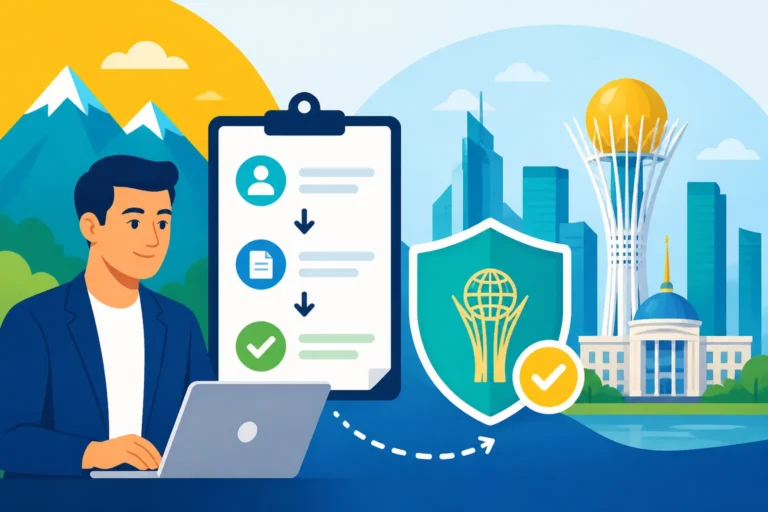
The question of whether you need a visa to move to Kazakhstan is one that trips up countless expats, myself included, when they first start looking into this incredible country. It’s easy to confuse the rules for a short visit with the very different requirements for actually living here long-term. Trying to navigate this without a clear understanding can lead to unnecessary stress, wasted time, and even sticky situations with immigration. This guide is here to untangle the complexities and give you a straightforward answer, along with the paths available to make your move to Kazakhstan a legal and smooth one.
The Short Answer: It Depends, But Usually, Yes!
Let’s get straight to it: for the vast majority of people looking to move to Kazakhstan, rather than just visit for a few weeks, yes, you will absolutely need some form of visa or, more accurately, a residence permit that allows long-term stay. The confusion often stems from Kazakhstan's generous visa-free regime for many nationalities.
Understanding the "Move" vs. "Visit" Distinction
Kazakhstan has made it refreshingly easy for citizens of many countries to enter for short periods without a visa. For instance, if you're from the European Union, the United States, Canada, Australia, or numerous other nations, you can typically enter Kazakhstan for tourism or business for up to 30 days (and for some countries, even longer) without needing a visa. This is fantastic for a holiday or a quick reconnaissance trip to scout out the country.
However, a "visit" for 30 days is a world apart from "moving" here. Moving implies an intent to reside, work, study, or live with family members for an extended period, usually longer than 90 days. During your visa-free entry, you're expected to leave before your permitted stay expires. There's no automatic path to extend this visa-free period into a long-term residence right from inside the country for most people. If your goal is to truly embed yourself in Kazakhstani life, you need to think beyond the initial tourist stamp.
Why a Tourist Visa Won't Cut It for Living Here
I've seen it happen. Newcomers, lured by the ease of visa-free entry, sometimes try to live in Kazakhstan on back-to-back tourist entries or by doing frequent "visa runs" across the border. Trust me, this is a path fraught with peril and not a sustainable way to live. A tourist visa or visa-free entry, by its very nature, is restrictive:
- No Work Rights: This is the biggest one. You absolutely cannot legally work in Kazakhstan on a tourist visa or during your visa-free stay. Doing so is illegal and can lead to severe penalties, including fines, deportation, and bans from re-entry. Even "remote" work for a foreign company while physically present in Kazakhstan can be a grey area if you don't have the proper long-term residency.
- Limited Access to Services: Without a proper long-term visa or residence permit, you'll struggle with basic necessities. Opening a local bank account, getting an Individual Identification Number (IIN) which is crucial for almost everything, accessing public healthcare like OSMS, or even signing up for a long-term mobile phone plan becomes incredibly difficult, if not impossible. Imagine trying to pay rent, receive a salary, or see a doctor without these foundational elements. It's a logistical nightmare.
- Risk of Overstay: The deadlines are strict. If you overstay your visa-free period or tourist visa even by a day, you risk fines, detention, and a black mark on your immigration record that could prevent future entries into Kazakhstan or other countries. It’s just not worth the stress.
To truly call Kazakhstan home, you need to pursue a specific visa category or a residence permit that aligns with your purpose for being here. This is why understanding The Complete Guide to Kazakhstan Visas and Immigration for Expats (2027) is so vital.
Common Paths to Legally Reside in Kazakhstan
Once you decide to move beyond a short visit and genuinely live in Kazakhstan, you'll need to secure a more robust form of authorization. This usually means a visa that allows for a long-term stay, often followed by a residence permit. Each path is tied to a specific purpose.
Work Visas and Residence Permits
This is by far the most common route for expats. If you've landed a job with a company in Kazakhstan, your employer will typically be your sponsor and a key facilitator in your immigration process.
The journey usually involves:
- Employer Sponsorship: Your Kazakhstani employer applies for a work permit on your behalf from the Ministry of Labour and Social Protection. This can be a detailed process, often requiring the employer to prove that there isn't a suitable local candidate for the role.
- Work Visa Application: Once the work permit is approved, you'll apply for a work visa (often a C3 category visa) at a Kazakhstani embassy or consulate in your home country or country of residence. This visa allows you to enter Kazakhstan specifically for work.
- Residence Permit: After you arrive in Kazakhstan on your work visa, your employer then assists you in applying for a temporary residence permit (ВНЖ – vid na zhitelstvo). This permit is what truly grants you the right to reside and work long-term in the country, and it's linked to your employment. It’s crucial to understand How a Work Permit and Employer Sponsorship Work in Kazakhstan.
The documentation needed for a work visa and subsequent residence permit is extensive, including your passport, photographs, medical certificates, police clearance, and various forms from your employer. You'll also need to obtain an How Do I Get an IIN Individual Identification Number in Kazakhstan almost immediately upon arrival, as it's essential for everything from employment contracts to banking. For a full breakdown, check out How to Get a Work Visa and Residence Permit in Kazakhstan (2027).
Study Visas for International Students
Kazakhstan is increasingly attracting international students, especially to its major cities like Almaty and Astana. If you've been accepted into a Kazakhstani educational institution, your path to long-term residency will be through a student visa.
Here’s the typical process:
- University Acceptance: First, you need to secure admission to a recognized university or college in Kazakhstan. Your official acceptance letter is the cornerstone of your visa application.
- Student Visa Application: With your acceptance letter in hand, you'll apply for a student visa (often a C9 category visa) at a Kazakhstani diplomatic mission abroad. You'll need to provide proof of your financial means to support yourself during your studies, along with your passport, photos, and often medical and police certificates.
- Residence Permit: Similar to work visa holders, once you arrive in Kazakhstan, your educational institution will often assist you in applying for a temporary residence permit tied to your studies. This permit allows you to legally reside for the duration of your academic program.
It's important to note that while studying, there are restrictions on your ability to work. Generally, international students on a student visa cannot work full-time, and part-time work may require additional permits or be subject to strict limitations. For a deep dive, read How to Get a Student Visa and Study in Kazakhstan: The Full Guide (2027).
Family Reunification Visas
If your spouse or close relatives are already legally residing in Kazakhstan (either as citizens or on a long-term residence permit), you may be eligible for a family reunification visa. This is a compassionate route designed to keep families together.
The process typically involves:
- Sponsorship: Your family member in Kazakhstan (the "sponsor") must meet certain criteria, including sufficient income and suitable housing, to support you. They will initiate the process by providing documents proving their status and your relationship.
- Family Visa Application: You'll apply for a family reunification visa (often a C2 category visa) at a Kazakhstani embassy or consulate. This will require extensive documentation proving your relationship (marriage certificates, birth certificates, etc.), alongside your personal documents.
- Residence Permit: Upon arrival in Kazakhstan, you'll apply for a temporary residence permit based on family reunification. This allows you to live with your sponsoring family member.
This route is crucial for expats who want to bring their loved ones. Understanding Family and Dependent Residence in Kazakhstan: Bringing Your Loved Ones (2027) and specifically How to Sponsor Your Spouse and Children for Residence in Kazakhstan will be incredibly helpful if this applies to your situation.
The Neo Nomad (Digital Nomad) Visa
Kazakhstan is one of the pioneering countries in Central Asia to introduce a dedicated visa for digital nomads, recognizing the growing trend of remote work. This is an exciting option for freelancers, entrepreneurs, and remote workers who don't have a traditional employer in Kazakhstan.
Key aspects of the Neo Nomad visa:
- Eligibility: You must be a citizen of a specific list of eligible countries (check the latest official list, as it can change), work remotely for a foreign company or be self-employed with foreign clients, and meet certain income requirements.
- Application: The application is typically done online or through a designated agency, requiring proof of your remote employment or freelance contracts, bank statements demonstrating income, and other standard immigration documents.
- Benefits: The Neo Nomad visa allows for an extended stay, often up to one year, with the possibility of renewal, without needing an employer sponsorship. This grants you legal residency and access to local services.
This is a fantastic development for independent professionals. If you fit this profile, you absolutely must read The Expat Guide to the Neo Nomad Digital Nomad Visa in Kazakhstan (2026) and How Do I Apply for the Neo Nomad Visa in Kazakhstan?. It's a game-changer for many who previously had limited options to reside long-term without local employment.
Essential Steps Beyond Just the Visa
Securing the correct visa or residence permit is a huge milestone, but it's just the beginning of your journey to legally establish yourself in Kazakhstan. There are critical administrative steps that follow your entry into the country. Ignoring these can cause significant problems, even if you entered legally.
Understanding Your Residence Permit and Registration
Think of your visa as your ticket to enter the country with a specific intent (work, study, family). Once you're inside, your residence permit is your actual license to live here long-term. In Kazakhstan, this is called a ВНЖ (vid na zhitelstvo).
Moreover, a crucial step that often catches newcomers off guard is the requirement to register your address with the migration service. This isn't just a formality; it's a legal obligation.
- Temporary Registration (Migration Card): When you first enter Kazakhstan, border control will provide you with a small white migration card. For citizens of visa-free countries, this card often has a stamp indicating your permitted stay. For visa holders, it's also a record of entry. It's your responsibility to ensure this card is correctly filled out and stamped.
- Address Registration: Within a few days of your arrival (the exact timeframe can vary, so always confirm with the migration service or your sponsor), your landlord or your sponsoring organization (employer, university) must register your address with the local migration service (part of the Ministry of Internal Affairs). This process is often done online through the eGov portal or directly at the Migration Police (Миграционная полиция). If you live in an apartment, your landlord is typically responsible. Do not underestimate this. Failure to register your address in time can lead to fines and complications when you eventually try to leave or renew your permits. This is covered in more detail in How to Register Your Arrival with the Migration Service in Kazakhstan.
This ongoing registration and understanding your ВНЖ status are paramount. It dictates your rights and obligations while living here. For a comprehensive overview, consult Understanding Kazakhstani Residence Permits Work, Study and Investment (2026).
Getting Your Affairs in Order: IIN, Bank Accounts & Healthcare
Once your visa and initial registration are sorted, a flurry of other administrative tasks awaits. They all build upon your legal residency status.
- Individual Identification Number (IIN): I cannot stress this enough – your IIN is your lifeline in Kazakhstan. It’s a unique 12-digit number that you'll need for almost every official transaction: opening a bank account, getting a job, signing contracts, paying taxes, registering for healthcare, buying property, and even getting a local SIM card in some cases. You generally apply for it at a Public Service Center (ЦОН – TsON). Without it, you're essentially invisible to the system. Having your legal residence sorted is often a prerequisite for obtaining an IIN easily.
- Banking: With your IIN and residence permit, you can finally open a local bank account. Banks like Kaspi.kz and Halyk Bank are popular choices and offer excellent online services. This is essential for receiving your salary, paying bills, and managing daily finances. Trying to live here relying solely on international cards can be frustrating and costly. For specific advice, refer to The Expat Guide to Opening a Bank Account in Kazakhstan.
- Healthcare: Kazakhstan has a compulsory social health insurance system (OSMS). If you are legally employed and paying social contributions, you'll eventually be covered by this system. However, the initial period of moving can be tricky. It might take time for your OSMS coverage to become active, or you might not be eligible right away depending on your visa type. Having robust international health insurance like Cigna Global during your transition period or as a supplemental option is a wise move. It ensures you have immediate access to quality medical care without worrying about unexpected costs. Once settled, you'll want to understand The Complete Guide to Healthcare in Kazakhstan for Expats (2027) and learn How to Register for OSMS Health Insurance in Kazakhstan (2027).
This might all sound like a lot, but tackling these steps systematically will set you up for a much smoother and more secure life in Kazakhstan.
| Type of Entry/Permit | Purpose | Max Duration (Initial) | Work Rights | Access to Services (IIN, Bank, OSMS) | Key Requirement |
|---|---|---|---|---|---|
| Visa-Free Entry | Tourism, Business | 30-90 days (Varies by Nationality) | No | Limited/Difficult | Passport, Return Ticket |
| Tourist Visa | Tourism | Up to 90 days (Single/Multiple) | No | Limited/Difficult | Invitation Letter (Sometimes) |
| Work Visa (C3) | Employment | Up to 1 year | Yes (with Work Permit) | Yes (after Residence Permit) | Employer Sponsorship, Work Permit |
| Student Visa (C9) | Study | Up to 1 year | Limited/No | Yes (after Residence Permit) | University Acceptance |
| Family Reunification Visa (C2) | Live with Family | Up to 1 year | Possible (with Work Permit) | Yes (after Residence Permit) | Sponsor Relationship Proof |
| Neo Nomad Visa | Remote Work | Up to 1 year | Yes (Self-employed/Remote) | Yes (after Residence Permit) | Remote Work Contract, Income Proof |
| Temporary Residence Permit (ВНЖ) | Long-term stay (Work, Study, Family) | Up to 1 year (renewable) | As per visa type | Full access | Underlying Visa, Registration |
Planning Your Move and What Comes Next
Moving to a new country is a huge undertaking, and while getting your visa and legal residency is the big hurdle, the planning and execution of the actual move are just as vital.
Don't Rush It: Start Early and Get Professional Advice
The Kazakhstani immigration system, while improving, can still be complex and bureaucratic. Applications can take time, documents need to be translated and notarized, and procedures can sometimes shift. My biggest piece of advice is to start the visa and residence permit process as early as humanly possible. Never leave it to the last minute.
- Employer HR: If you're moving for work, lean heavily on your employer's HR department or their legal team. They should be well-versed in the current immigration procedures and able to guide you every step of the way. Their expertise is invaluable.
- Immigration Consultants: For other visa categories or if your employer is less experienced, consider engaging a reputable immigration consultant in Kazakhstan. While it's an added expense, their knowledge can save you immense stress, time, and potential missteps.
- Official Sources: Always cross-reference information with official sources like the Ministry of Foreign Affairs of Kazakhstan or the local migration service, as rules can change.
Patience is a virtue here. There will likely be waiting periods, multiple visits to government offices, and moments of frustration. Just breathe and tackle each step as it comes.
Preparing for Life in Kazakhstan
Once you have your long-term visa or residence permit in hand, the real fun begins: preparing for your life in Kazakhstan! This includes everything from figuring out how to move your belongings to understanding local customs and integrating into the community. Services like Sirelo can be incredibly helpful for expats planning their move, offering resources and quotes for international shipping and relocation services, ensuring your worldly possessions arrive safely.
Getting your legal status sorted is the foundational block. From there, you can fully dive into making Kazakhstan your new home, whether that's learning some basic Kazakh or Russian, exploring the stunning natural landscapes, or connecting with the vibrant expat community. Remember, The Complete Guide to Moving to Kazakhstan: Your First 90 Days (2027) will become your best friend after your visa is secured.
Disclaimer
The information provided in this article is intended for general guidance and informational purposes only. Immigration laws and procedures in Kazakhstan are subject to change without notice. While every effort has been made to ensure accuracy, this information does not constitute legal advice. It is highly recommended to consult with the official government sources, a qualified immigration lawyer, or the relevant Kazakhstani embassy or consulate for the most current and specific advice pertaining to your individual circumstances.