What Is the Difference Between a Visa and Residence in Kazakhstan?
Arriving in Kazakhstan, especially for the first time, often feels like navigating a beautiful but complex labyrinth. Among the first and most critical administrative hurdles is deciphering the difference between a visa and a residence permit. Many new arrivals, understandably, use these terms interchangeably, leading to confusion, unexpected legal issues, and a lot of frustration. This guide is here to untangle that knot, clarifying what each document truly means for your ability to live, work, or simply visit this incredible country.
Unpacking the Visa: Your Entry Ticket to Kazakhstan
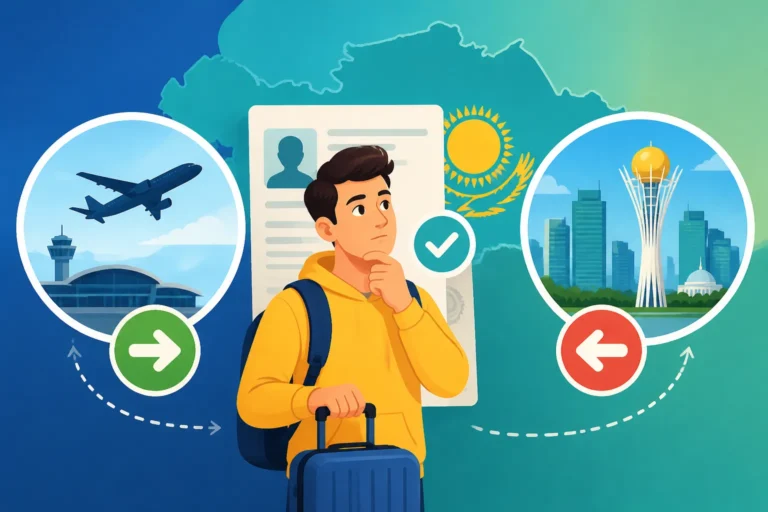
Let's start with the basics. Think of a visa as your initial permission slip, a stamp or sticker in your passport that grants you the right to enter Kazakhstan and stay for a specific, limited period. It’s intrinsically tied to the purpose of your visit—tourism, business, visiting family, or even short-term employment. A visa is not a long-term solution for settling down; it's more like a temporary pass.
For many nationalities, Kazakhstan offers a Understanding the 30-Day Visa-Free Entry to Kazakhstan scheme. This is fantastic for tourists and short-term business trips, allowing you to enter with just your passport and stay for up to 30 days. However, crucial distinction: visa-free entry, while convenient, does not mean you have a visa. It means you are exempt from needing one for a limited time. This period is strict, and overstaying even by a day can lead to fines, deportation, and potential bans from re-entering the country. I've seen too many expats caught out by this, thinking they could just 'sort it out' later. Trust me, the migration police are not sympathetic to such oversights.
Beyond the visa-free option, there are numerous Understanding the Different Visa Categories for Kazakhstan tailored to specific intents. For instance, a tourist visa (B10, B12) is explicitly for leisure and sightseeing. A business visa (B1, B2, B3) is for meetings, negotiations, or conferences. If you're coming for a job, you'll initially need a work visa (C3), often requiring an invitation from your employer. A private visa (B11) allows you to visit family or friends, but it comes with strict limitations on your activities. The common thread for all these visas is their temporary nature and predefined purpose. They are designed for a finite period, and once that period is up, you're expected to leave or obtain a different legal status. This temporary nature often means repeated trips to the migration service or embassies, filling out forms, and stressing over deadlines, which is certainly a familiar feeling for many of us who’ve lived here for years.
The Residence Permit: Your Key to Longer-Term Life in Kazakhstan
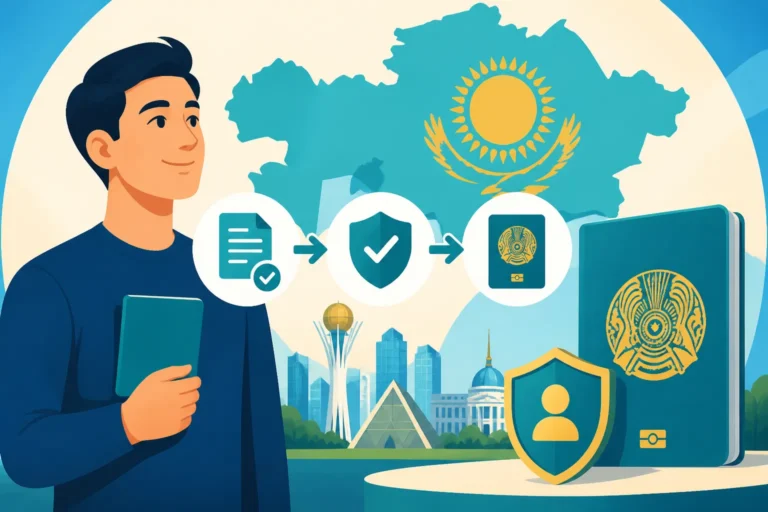
Now, let's talk about the big league: a residence permit. This is where you move beyond merely visiting and begin to establish a real life in Kazakhstan. Unlike a visa, which is about entry and a short-term purpose, a residence permit (often called a 'residency' or 'vid na zhitelstvo' – ВНЖ in Russian) grants you the legal right to live in Kazakhstan for an extended, often renewable, period. It’s your official authorisation to settle, access public services, and integrate into society.
Kazakhstan primarily offers two types of residence permits for foreigners:
Temporary Residence Permit (TRP or VNZh)
The Temporary Residence Permit (TRP) is the most common form of residency for expats working, studying, or joining family members in Kazakhstan. This permit is usually issued for a specific period, typically aligning with your employment contract, study duration, or family reunification needs, often ranging from one to five years. Getting a TRP means you’ve taken a significant step towards legitimizing your long-term stay. With a TRP, you can legally work (if your permit is work-based), open bank accounts more easily, access local healthcare services through the OSMS system, and enroll your children in schools. It truly anchors you to the country.
For example, if you're a skilled professional relocating with an international company, your employer will typically sponsor your work permit, which then forms the basis for your TRP. This process, as outlined in Understanding Kazakhstani Residence Permits: Work, Study and Investment (2027), involves a substantial amount of paperwork and coordination. It’s not a quick fix, and it certainly involves more steps than simply applying for a tourist visa. One of the biggest reliefs of having a TRP is the peace of mind it brings. You're no longer counting down the days until your visa expires; instead, you have a stable legal status that allows you to plan your life here, secure in the knowledge that you have official permission to remain. This stability is invaluable, especially when trying to set up crucial services like health insurance. Many expats opt for international health insurance providers like Cigna Global once they establish their residency, knowing they have comprehensive coverage that complements the local system.
Permanent Residence Permit (PRP or PMZh)
The Permanent Residence Permit (PRP) is for those truly committed to making Kazakhstan their long-term home, often a stepping stone towards potential citizenship by naturalisation. Obtaining a PRP is a more arduous process than a TRP, with stricter requirements, including typically proving financial solvency, having no criminal record, and often demonstrating a deeper connection to the country, such as through marriage to a Kazakhstani citizen or significant investment. It offers even more rights, essentially putting you on par with citizens in terms of access to services and social benefits, though without the right to vote or hold public office. This is a big step for anyone, a real signal that you're here to stay. Information on How to Apply for Permanent Residence in Kazakhstan delves into the intricacies of this extensive process.
For many expats, especially those with families, having a PRP provides unparalleled stability and reduces administrative burdens considerably. Imagine not having to worry about renewing your status every few years or dealing with exit-entry visas if you travel frequently. It's a game-changer for long-term planning and establishing a true home here. If you're considering a permanent move, engaging with a specialist moving service like Sirelo can help you plan the logistics of bringing your entire life to Kazakhstan, ensuring a smooth transition to your new permanent home.
Visa vs. Residence: A Side-by-Side Comparison
The distinction between a visa and a residence permit is fundamental. While both are legal authorisations to be in Kazakhstan, their purpose, duration, and the rights they grant are vastly different. Confusing them can lead to significant inconvenience, or worse, legal trouble.
| Feature | Visa | Residence Permit (TRP/PRP) |
|---|---|---|
| Primary Purpose | Short-term entry and specific activity (tourism, business, visit) | Legal long-term stay, establishing residency, integration |
| Duration | Usually up to 90 days (for most common types), often single-entry or limited multiple-entry | Usually 1-5 years (TRP), can be indefinite (PRP), renewable |
| Work Rights | Generally no work rights (except specific work entry visas, which need to be converted) | Yes, if issued for employment purposes (TRP/PRP) |
| Access to Public Services | Very limited (e.g., basic emergency medical care) | Broad (healthcare, education, social security, banking, driving licence) |
| Application Complexity | Generally simpler, often can be done at an embassy/consulate abroad or online | More complex, extensive documentation, local processing at migration service |
| Required Documents | Passport, invitation (if applicable), photos, visa fee | Passport, IIN, local address registration, work contract, medical certificates, criminal record check, application, photos, state fee (more extensive) |
| Travel Impact | Allows entry; often single-use or limited re-entry, may require new visa upon each return | Allows re-entry into Kazakhstan without needing a new entry visa (as long as permit is valid) |
| Path to Citizenship | None | PRP is a prerequisite for citizenship by naturalisation |
The "work" nuance is a particularly tricky point for many. You might receive a C3 Work Visa to enter Kazakhstan for employment purposes. However, this entry visa does not, by itself, grant you the full legal right to work long-term in Kazakhstan. That right comes with a work permit (which your employer arranges) and subsequently, your Temporary Residence Permit. This is why the question What Is the Difference Between a Work Permit and Permanent Residence in Kazakhstan? is so critical, because it highlights the layers of authorization needed for legal employment and long-term stay. Without the appropriate residence permit, even if you entered on a work visa, you could find yourself in a very difficult situation regarding your employment and legal status. This layered approach is a common source of frustration, but understanding it is key to a smooth expat journey.
Practical Implications and Navigating the Bureaucracy
Understanding these differences is not just academic; it has profound practical implications for your daily life in Kazakhstan. Most often, your journey will begin with some form of visa or visa-free entry, followed by a transition to a residence permit if your stay extends beyond a short period. This transition is where many expats encounter the notorious Kazakhstani bureaucracy.
One of the first and most critical steps, regardless of your long-term intentions, is obtaining an Individual Identification Number (IIN). This 12-digit number is your unique identifier in Kazakhstan, much like a social security number or tax ID. You literally cannot do anything significant without it – from opening a bank account to registering for internet, and most certainly, applying for any form of residence. It's the absolute foundation. Trust me, get your How Do I Get an IIN in Kazakhstan sorted as soon as possible after arrival; it saves countless headaches down the line.
Once you have your IIN and are ready to apply for a residence permit – whether it's a TRP for work or family reunification, or even permanent residence – the process shifts from consular applications abroad to dealing directly with the local migration service within Kazakhstan. This means visiting the Public Service Center (often called 'TsON' in Russian) or directly engaging with the Migration Service. For many, this is a baptism by fire into the local administrative system. Don't underestimate the importance of timely and correct address registration with the Migration Service; it's a legal requirement that often links directly to your residence permit. Failure to register your address, even if you have a valid permit, can lead to fines and complications.
The Understanding the Role of the Migration Service in Kazakhstan cannot be overstated. They are the gatekeepers of your legal status. Any change in your circumstances—new job, new address, marriage, birth of a child—will likely require interaction with them. It’s also important to understand that while official processes are becoming more digitized, there's still a strong emphasis on physical documents. Ensuring all your documents are correctly translated and notarized is paramount. Many expats have faced delays or rejections simply because a translation wasn't done by an accredited translator or a copy wasn't properly attested. This can be a real pain, especially when you’re on a tight schedule. Details on Understanding Document and Translation Requirements for Kazakhstan Immigration are vital here.
In short, while a visa is your handshake with Kazakhstan, a residence permit is like signing a long-term lease. It signifies a deeper commitment and grants you a more secure and integrated status within the country. Navigating this successfully requires patience, meticulous attention to detail, and a clear understanding of what each document entails. Don't be afraid to ask for help from local experts or experienced expats; their insights can save you a lot of grief and expense when dealing with the migration authorities. Remember, the goal is to enjoy your time here, not to constantly battle bureaucracy!
Disclaimer
Please note that immigration laws and regulations in Kazakhstan can change. The information provided in this article is intended for general guidance only and does not constitute legal advice. Always consult with official government sources or a qualified immigration lawyer for the most accurate and up-to-date information pertaining to your specific situation.