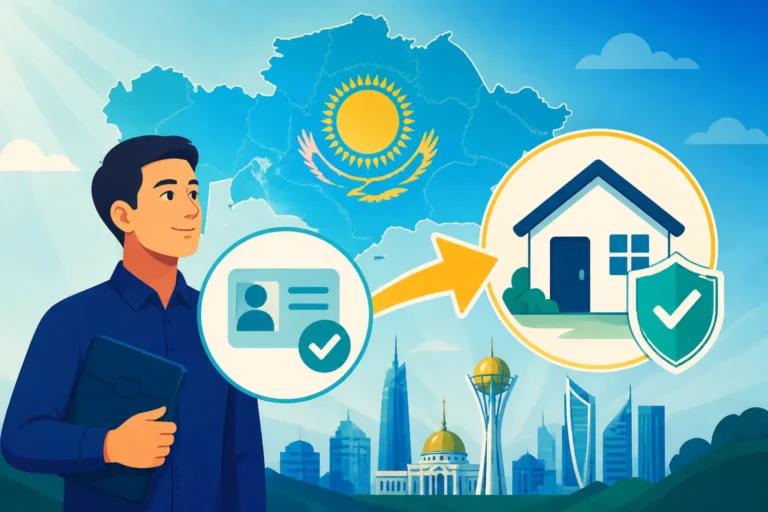
Working in Kazakhstan’s Oil, Mining and Tech Sectors: The Expat Guide (2027)
Moving to Kazakhstan for work, especially in the high-stakes oil, mining, or burgeoning tech sectors, can feel like stepping into a whole new world. You're not just looking for a job; you're navigating a different culture, a unique professional environment, and a completely new way of life. This comprehensive guide is designed to cut through the noise, offering an expat's perspective on securing roles, understanding the legalities, managing your finances, and truly settling into your professional and personal life in these dynamic industries across Kazakhstan.
Understanding Kazakhstan's Key Industries: A High-Level Overview
Kazakhstan's economy, while diversifying, still has a beating heart driven by its natural resources and a rapidly accelerating pulse from its tech aspirations. As an expat, understanding the landscape of these core industries is paramount, not just for finding a job, but for grasping the country's economic priorities and where your skills might best fit. These aren't just sectors; they're communities, often with their own distinct cultures and demands, particularly for foreign professionals.
The Enduring Power of Oil and Gas
Let's be real, when most people think of Kazakhstan's economy, oil and gas are often the first things that come to mind. And for good reason! This sector is the backbone of the country's wealth, driving significant foreign investment and offering a plethora of opportunities for skilled expats. You'll find yourself primarily concentrated in the western regions, particularly around Atyrau and Aktau, which are practically expat enclaves thanks to the industry's presence. These are not just cities; they are operational hubs, often bustling with international talent and a distinct working rhythm that blends local customs with global corporate practices.
Major players like Tengizchevroil (TCO), Chevron, Shell, ExxonMobil, and KazMunayGas dominate the landscape, operating some of the world's largest and most complex projects, such as the massive Tengiz and Kashagan fields. For expats, this often translates into roles in engineering (petroleum, mechanical, electrical), project management, health and safety, environmental compliance, geology, and specialized technical services. The demand is consistently high for those with international experience and expertise in large-scale infrastructure, drilling, and processing technologies. You’ll quickly learn that while the work can be demanding, especially with rotational shifts, the compensation packages often reflect the challenging environment and the crucial nature of these operations to Kazakhstan's national interest.
The Rich Veins of the Mining Sector
Beyond the black gold, Kazakhstan sits on some truly immense mineral wealth. Copper, uranium, chromite, lead, zinc, gold, and iron ore are extracted from vast deposits across the country, making it a significant global player in the mining industry. This sector, much like oil and gas, is often concentrated in specific regions, with Karaganda, Ust-Kamenogorsk (Oskemen), and Zhezkazgan being prominent centers. These areas have a long history of mining, often dating back to Soviet times, and possess established infrastructure, albeit sometimes older, around these operations.
Companies like KAZ Minerals, Eurasian Resources Group (ERG), Kazatomprom (a global leader in uranium production), and numerous smaller, often foreign-owned enterprises, are constantly seeking expertise. Expats frequently fill roles in mine planning, geological surveying, metallurgical engineering, processing plant management, health and safety, and environmental stewardship, especially where modern extraction techniques and international best practices are required. The nature of mining work can vary from open-pit operations in vast steppe landscapes to underground facilities, each presenting its own set of technical and logistical challenges. Working in these regions often means embracing a more traditional, industrial lifestyle, but with the camaraderie and purpose that comes from being part of a critical global supply chain.
Kazakhstan's Aspiring Tech Hub: A Growing Frontier
Now, for something a bit different! While oil and mining represent the established giants, Kazakhstan has a clear vision to diversify its economy, and technology is at the forefront of this ambition. The government has heavily invested in creating a vibrant tech ecosystem, most notably with the establishment of Astana Hub in the capital, Nur-Sultan (Astana). This international tech park offers preferential tax regimes, simplified visa processes, and a supportive infrastructure designed to attract startups, IT companies, and digital nomads from around the world. It’s a deliberate effort to pivot towards innovation and create a knowledge-based economy.
Beyond Astana Hub, Almaty, the country's largest city, is also a significant tech cluster, often seen as the creative and commercial heart of the nation. Here, you'll find a more organic growth of startups, fintech companies, e-commerce platforms, and IT service providers. Expats in the tech sector are highly sought after for their skills in software development, data science, AI/machine learning, cybersecurity, product management, digital marketing, and UI/UX design. Many roles also involve bringing international best practices and scaling strategies to local companies. While the tech scene is newer and perhaps less established than in traditional tech powerhouses, it offers immense potential for those looking to make a significant impact, grow rapidly with emerging companies, and be part of Kazakhstan's digital transformation journey. It’s a dynamic and exciting space where innovation is actively encouraged and funded.
Navigating the Job Market in High-Demand Sectors
Finding a job in Kazakhstan, especially in specialized sectors like oil, mining, or tech, isn't always as straightforward as applying for positions back home. It requires a nuanced understanding of local hiring practices, strategic networking, and knowing where to focus your efforts. Many expats arrive with preconceived notions, only to find that the local market operates on a different rhythm, one that often values personal connections and demonstrating a deep commitment to adapting.
Where to Find Opportunities: Online and Offline Strategies
When you’re looking for work in Kazakhstan's heavy industries or its burgeoning tech scene, casting a wide net with a targeted approach is key. Online platforms are a great starting point, but they often only tell part of the story. For oil and gas and mining, you'll want to keep a close eye on the career pages of the major international companies operating here, like Tengizchevroil, Chevron, Shell, ExxonMobil, KAZ Minerals, and Kazatomprom. Many of these firms have dedicated sections for expatriate roles, which are usually managed by their international HR teams or specialized recruitment firms. General job boards like LinkedIn are also incredibly valuable, not just for direct listings but for connecting with recruiters and industry professionals. Local job sites like HeadHunter.kz (HH.kz) are also important, though many expat-focused roles might be listed directly in English or through international channels.
Don't underestimate the power of specialized recruitment agencies. Several firms, both international and local, focus specifically on placing expat talent in Kazakhstan's energy and mining sectors. These agencies often have exclusive contracts with companies and a deeper understanding of the specific skills and experience needed. For the tech sector, while LinkedIn and local platforms are still useful, consider directly engaging with entities like Astana Hub or researching the portfolios of local venture capital firms to identify promising startups. Attending virtual or in-person industry conferences, expos, and tech meetups (if you're already in Kazakhstan) can also open doors that online applications might not. Remember, in Kazakhstan, as in many parts of the world, personal connections and introductions can often fast-track your application process, so networking is never a waste of time.
Crafting Your Application for the Kazakhstani Context
Submitting a generic CV and cover letter might work in some markets, but for Kazakhstan's specialized sectors, you need to tailor your application to resonate with local employers and the unique demands of the roles. Firstly, your CV should clearly highlight any international experience, particularly if it's in similar challenging environments or emerging markets. Employers in Kazakhstan, especially in oil and mining, value candidates who can demonstrate adaptability and cross-cultural competency. Emphasize your quantifiable achievements and technical skills that are directly relevant to the industry. For instance, if you're an engineer, detail specific projects, budgets managed, and efficiency improvements.
For tech roles, demonstrating experience with modern stacks, agile methodologies, and any contributions to open-source projects can set you apart. It's also wise to include a professional headshot on your CV, as this is a common practice in Kazakhstan. Your cover letter should articulate why you are specifically interested in Kazakhstan and the particular company, showcasing a genuine understanding of the local industry landscape. Don't just rehash your CV; tell a concise story of how your skills align with their needs and how you envision contributing to their operations in this specific context. If you're serious about making a move, consider reading up on How to Adapt Your CV for the Kazakhstani Job Market to ensure your application stands out for all the right reasons. A well-prepared application signals professionalism and a serious commitment to relocating, which employers appreciate.
Understanding Recruitment Timelines and Processes
The recruitment process in Kazakhstan, particularly for expat roles in the oil, mining, and even larger tech companies, can sometimes feel like a test of patience. It’s rarely a quick turnaround, and understanding typical timelines can help manage your expectations and reduce anxiety. For senior or highly specialized roles, the entire process, from initial application to receiving an offer, can easily span several months, sometimes even six months or more. This extended timeline often accounts for internal approvals, work permit processing, and multiple interview stages involving various stakeholders, including local management, HR, and sometimes even government liaisons for crucial roles.
Interview expectations generally follow international best practices: an initial screening call, followed by one or more technical or competency-based interviews, and often a final interview with senior management. For roles in remote locations, video interviews are standard. Be prepared for technical assessments, case studies, or presentations, especially in engineering and tech. Background checks are also a standard part of the process, verifying your education, professional experience, and sometimes even criminal records, particularly for sensitive positions. It’s worth noting that the administrative burden of hiring an expat, especially concerning work permits, means companies often invest heavily in vetting candidates, so expect thoroughness. Staying proactive by gently following up and expressing continued interest can be helpful, but avoid being overly pushy.
Work Permits, Visas, and Legalities for Expats
Alright, let's talk about the nitty-gritty: getting yourself legally sorted to work in Kazakhstan. This is often the most frustrating part for many expats, as the administrative processes can be complex and demand a significant amount of paperwork and patience. But trust me, doing it right from the start will save you countless headaches down the line. It's not just about getting a job; it's about securing your legal right to live and earn in this country.
The Essential Work Permit Process
Unless you're from a country with a special agreement (which is rare for long-term employment) or fall under specific highly-skilled categories, you absolutely need a work permit to be employed in Kazakhstan. This isn't something you typically apply for yourself; your employer is almost always responsible for sponsoring and obtaining it on your behalf. This sponsorship is a big deal for companies, as it signifies a significant commitment and involves a detailed application to the Ministry of Labour and Social Protection. The process requires your employer to demonstrate that there's no suitable local candidate for the role, often through local job advertisements and candidate screenings.
The required documents for your work permit application are extensive. You'll need notarized and apostilled copies of your diplomas and professional qualifications, a detailed CV, copies of your passport, a medical certificate, and sometimes even a police clearance certificate from your home country. Processing times can vary wildly, from a few weeks to several months, depending on the region, the complexity of your role, and the efficiency of the local authorities. It's a bureaucratic marathon, not a sprint. This is why it's crucial for your prospective employer to have a dedicated HR or legal team that is experienced in managing these applications. For a deeper dive into what your employer needs to handle, take a look at How a Work Permit and Employer Sponsorship Work in Kazakhstan. This really is the cornerstone of your legal employment here.
Securing Your Residence Permit
Once your work permit is approved, the next vital step is securing a residence permit (often referred to as a temporary residence permit or 'registration'). The work permit gives you the right to work, but the residence permit gives you the right to live in Kazakhstan for an extended period aligned with your employment. This document is usually processed concurrently or immediately after your work permit is issued and is tied directly to your employment. It’s what allows you to, for example, open a bank account, register your address, and eventually bring your family.
The validity of your residence permit will generally match the term of your work permit or employment contract, typically one to three years, and will need to be renewed if your contract is extended. If you plan to bring your spouse and children, they will also need to apply for dependent residence permits, which are usually linked to your primary work-based permit. The process again involves significant paperwork, including proof of address (your rental contract), copies of your passport and visa, and sometimes proof of financial stability. It’s a cascading process, where one step unlocks the next. Don't underestimate the importance of keeping all your original documents safe and organized throughout this journey. For a comprehensive overview of the full process, you'll find a lot of useful information in How to Get a Work Visa and Residence Permit in Kazakhstan (2027).
Navigating Visa Requirements Before You Arrive
Before you even think about that work permit and residence permit, you need to consider your initial entry visa into Kazakhstan. The type of visa you apply for will depend on your nationality and the specifics of your employer’s arrangements. Many countries enjoy a 30-day visa-free entry to Kazakhstan, which is fantastic for short business trips or initial scouting visits. However, this visa-free status does not permit you to work. Trying to start work on a tourist or business visitor visa is a big no-no and can lead to serious legal issues, including fines and deportation.
For those coming specifically for employment, your employer will likely guide you on obtaining a C3 or C5 category visa (often a 'work visa' or 'investment visa' if you're a senior executive with specific investments). This visa is obtained before you travel to Kazakhstan, usually from a Kazakhstani embassy or consulate in your home country. You'll need an invitation letter from your employer, along with other supporting documents. Once you arrive in Kazakhstan with the correct work visa, it will then be converted or supplemented by your work permit and residence permit. Confused yet? It’s understandable. The key takeaway is: do not travel to Kazakhstan intending to work without the proper visa arranged beforehand by your employer. Getting this wrong can derail your entire relocation. To ensure you're fully prepared, check out The Complete Guide to Kazakhstan Visas and Immigration for Expats (2027) for all the details.
Compensation, Contracts, and Labour Law
Understanding your earnings, what your contract truly means, and your rights as a foreign worker in Kazakhstan is critical. This isn't just about the numbers on your paycheque; it's about ensuring your professional well-being, financial security, and peace of mind while working in a new country. The Kazakhstani labour landscape has its own rules, and being informed is your best defense against potential misunderstandings or issues.
Salary Expectations and Cost of Living
When discussing salary expectations, it’s important to remember that the oil and gas and mining sectors generally offer the most competitive packages for expats in Kazakhstan. Roles in these industries, particularly for specialized engineers, geologists, project managers, and senior technicians, often come with salaries that are comparable to or even exceed those in Western countries, especially when you factor in allowances. These allowances commonly include housing, transportation, and sometimes even hardship or rotation bonuses, particularly for remote site work. This is to compensate for the often challenging living and working conditions in industrial hubs like Atyrau or Aktau.
In the tech sector, while salaries are growing, they might not always match the top-tier oil and gas packages unless you're in a very niche, senior role at an international firm. However, the cost of living in major cities like Almaty and Astana is significantly lower than in many Western capitals, meaning your purchasing power can be quite strong. An excellent benchmark to understand local economic realities is to research How Much Is the Average Salary in Kazakhstan in 2026?. When negotiating, always consider the total package, not just the base salary. Discuss housing (company-provided or allowance?), flights home, medical insurance, and potential education allowances if you have a family. These benefits can dramatically impact your financial comfort.
Understanding Kazakhstani Labour Contracts
Your employment contract is more than just a piece of paper; it's your legal framework while working in Kazakhstan. While many international companies will have contracts that resemble Western standards, they must comply with Kazakhstani Labour Law. You'll typically encounter two main types: fixed-term contracts or indefinite (permanent) contracts. For expats, fixed-term contracts for one, three, or five years are very common, especially in project-based roles or those tied to specific work permit durations. Ensure your contract clearly specifies your role, responsibilities, reporting lines, salary breakdown, and all agreed-upon benefits and allowances.
Key clauses to pay close attention to include the probation period (which can be up to three months and should be clearly defined), notice periods for resignation or termination, and clauses related to relocation assistance and repatriation. It’s also important to understand the language of the contract – often, it will be in both Kazakh/Russian and English. If there’s any discrepancy, the Kazakh/Russian version typically holds legal precedence. Don’t hesitate to seek independent legal advice if anything in the contract is unclear or seems unusual, especially regarding termination clauses. Familiarity with Understanding Fixed-Term vs Permanent Employment Contracts in Kazakhstan can help you navigate these details.
Your Rights and Obligations as a Foreign Worker
As an expat working in Kazakhstan, you are generally afforded the same basic rights and protections under Kazakhstani Labour Law as local employees. This includes standard working hours (typically a 40-hour workweek), entitlements to annual leave (a minimum of 24 calendar days, though many expat contracts offer more), and public holidays. Overtime work should be compensated according to the law, usually at a higher rate. It’s important to familiarize yourself with the official list of Kazakhstani public holidays, as they are often celebrated with multiple days off.
You also have obligations. You are expected to adhere to company policies, fulfill your job duties diligently, and respect local laws and customs. A significant obligation is participation in the mandatory pension fund system and social insurance contributions, deducted directly from your salary. While your employer manages the payment of these, they are a statutory requirement. Understanding these deductions is part of grasping your true take-home pay. For a comprehensive overview of your entitlements and responsibilities, I highly recommend reviewing Understanding Kazakhstani Labour Law and Worker Rights (2027). Knowing your rights and fulfilling your obligations creates a solid foundation for a successful working life in Kazakhstan.
Integration and Life as an Expat Professional
Moving to a new country for work is more than just a change of job; it's a change of life. Integrating into the local professional and social fabric, especially in a place as culturally rich and distinct as Kazakhstan, requires an open mind and a willingness to adapt. The rewards of truly connecting with the country and its people are immeasurable, but it takes effort.
Cultural Nuances in the Workplace
Kazakhstani workplaces, while often influenced by international corporate standards in the expat-heavy sectors, still retain distinct cultural nuances. Hierarchy is generally respected, and decision-making often flows from the top down. While direct communication is appreciated, there's also a strong emphasis on maintaining harmonious relationships and avoiding direct confrontation, especially in public settings. Patience and politeness go a long way. Building personal relationships with colleagues, often outside of work over tea or a meal, can be incredibly important for professional success and team cohesion. It's not just about what you do, but how you do it and who you do it with.
You'll find that punctuality is valued, but meetings might not always start exactly on the dot, and flexibility can be a necessary trait. During celebrations like Nauryz (the spring equinox and traditional New Year) or other national holidays, expect shifts in work schedules and a strong emphasis on family and community. Understanding these unspoken rules can significantly smooth your professional interactions and help you build trust and rapport with your Kazakhstani colleagues and counterparts.
Language Skills: A Game Changer
While English is often the working language in international companies within the oil, mining, and tech sectors, especially in expat teams, having some grasp of Russian or Kazakh is truly a game changer for daily life and even professional growth. Russian is still widely spoken as a lingua franca, particularly in business, government, and urban settings, due to historical reasons. Many older generations and even much of the younger population will communicate effectively in Russian. Kazakh, the state language, is increasingly important, especially for those looking to integrate deeper or work with local teams outside of purely international bubbles.
Learning some basic phrases in either (or both!) can greatly enhance your experience, making daily tasks easier, improving social interactions, and demonstrating respect for the local culture. Even a simple "Salamatsyz ba!" (Hello in Kazakh) or "Zdravstvuyte!" (Hello in Russian) can open doors and warm up interactions. Resources like iTalki, where you can find native tutors for both Kazakh and Russian, are excellent for getting started with personalized lessons. Many language schools in Almaty and Astana also offer group or individual classes. While you might not become fluent overnight, showing an effort to learn will be highly appreciated and will enrich your expat journey immeasurably.
Finding Your Community and Support Network
Feeling isolated is a common challenge for expats, but Kazakhstan offers various avenues to build a supportive community. In cities like Almaty and Astana, you'll find established expat groups, often facilitated through social media platforms like Facebook, WhatsApp groups, or online forums. These groups are fantastic resources for everything from finding apartments and asking local advice to organizing social events and sports leagues. Many international schools and businesses also have their own expat communities that you can tap into.
For professionals, joining industry-specific associations or attending local business chamber events can help you connect with like-minded individuals, both local and international. If you're into sports or hobbies, seeking out clubs or classes can be a natural way to meet people. Don't be afraid to put yourself out there; while it can feel daunting at first, many expats are eager to connect and share their experiences. Having a strong network not only provides social support but also offers a wealth of practical advice for navigating life in Kazakhstan. This support system can be invaluable in making your new home truly feel like home.
Financial Planning and Taxation for Expats
Handling your finances in a foreign country can be intimidating, and Kazakhstan is no exception. Between understanding local tax laws, setting up banking, and grappling with mandatory contributions, it's easy to feel overwhelmed. However, getting these elements right is crucial for your financial stability and peace of mind during your time here. The good news is that Kazakhstan has a relatively straightforward tax system for individuals, but knowing the specifics is key.
Navigating the Tax System
Kazakhstan operates with a flat 10% individual income tax (IIT) rate for residents on most types of income, which is often seen as quite favourable compared to many other countries. As an expat, you will generally become a tax resident if you spend 183 days or more in Kazakhstan within any consecutive 12-month period. Once you're a tax resident, your worldwide income may technically become subject to Kazakhstani tax, though double taxation agreements (DTAs) with your home country often provide relief and prevent you from being taxed twice on the same income.
Your employer will typically handle your IIT deductions at source, meaning tax is withheld directly from your salary each month. However, it's your responsibility to ensure you understand your tax obligations and to file an annual tax declaration if required (e.g., if you have foreign income not managed by your Kazakhstani employer). Registering with the State Revenue Committee and obtaining an IIN (Individual Identification Number) is a fundamental step that your employer will assist with. For detailed guidance on your tax obligations, especially if you have complex financial affairs, consulting with specialists is highly recommended. Firms like Taxes for Expats specialize in guiding foreigners through the nuances of international tax laws, including those in Kazakhstan, ensuring you stay compliant. For more detailed information on your personal tax situation, you'll want to review Understanding Income Tax and the Flat 10% Rate in Kazakhstan (2026).
Banking and Financial Management
Opening a bank account in Kazakhstan is one of your first financial priorities upon arrival. Major local banks like Kaspi Bank, Halyk Bank, and ForteBank are popular choices, offering modern online banking services and mobile apps. Kaspi Bank, in particular, has become incredibly ubiquitous for daily transactions, payments, and even consumer loans, with its app widely used for everything from paying utilities to ordering food. To open an account, you will need your passport, your Individual Identification Number (IIN), and proof of address (often your temporary residence permit and rental contract).
Many expats opt for a multi-currency account, allowing them to hold funds in Kazakhstani Tenge (KZT), US Dollars, and sometimes Euros, which is convenient for managing international transfers and avoiding constant currency conversion fees. When transferring money into or out of Kazakhstan, be aware of potential bank fees and currency exchange rates. While local banks offer international transfer services, exploring options like Wise (formerly TransferWise) or other international money transfer platforms might offer more competitive rates. Getting set up with a local bank is not just for your salary; it's essential for paying bills, using local services, and integrating into the financial ecosystem. For more in-depth advice on this, check out The Expat Guide to Opening a Bank Account in Kazakhstan.
Mandatory Contributions: Pension and Social Insurance
Working in Kazakhstan comes with mandatory contributions towards the country's pension and social insurance systems. These are typically deducted directly from your gross salary by your employer, similar to income tax. The main components are:
- Mandatory Pension Contributions (OPV): These are paid into your individual pension account within the Unified Accumulative Pension Fund (UAPF). The current rate is 10% of your monthly income. While the long-term accessibility of these funds for expats upon leaving Kazakhstan can be complex and depends on international agreements and specific circumstances, these contributions are a statutory requirement for all employed individuals.
- Mandatory Social Health Insurance (OSMS): This is a key part of Kazakhstan's healthcare system. Your employer contributes a percentage of your salary (currently 3%) to the Social Health Insurance Fund, and employees also make a smaller contribution (currently 2%). This ensures you have access to a wide range of public healthcare services.
- Social Contributions (SO): These are paid by your employer (usually 3.2% of your salary) to the State Social Insurance Fund and cover benefits like temporary disability, maternity, and unemployment.
It's vital to understand that these contributions are compulsory for all legally employed individuals, including expats. Your payslip should clearly show these deductions. While they reduce your net income, they ensure your compliance with local regulations and provide access to social benefits, particularly healthcare. For a detailed explanation, refer to Understanding Mandatory Social and Pension Contributions in Kazakhstan.
| Contribution Type | Current Rate (Employee) | Current Rate (Employer) | Description |
|---|---|---|---|
| Individual Income Tax (IIT) | 10% | N/A | Flat tax on gross income for tax residents. |
| Mandatory Pension Contributions (OPV) | 10% | N/A | Deducted for Unified Accumulative Pension Fund. |
| Social Health Insurance (OSMS) | 2% | 3% | Employee and employer contributions for access to public healthcare services. |
| Social Contributions (SO) | N/A | 3.2% | Employer contribution to State Social Insurance Fund for various social benefits (e.g., disability, maternity). |
Note: Rates are subject to change by the Kazakhstani government. Always refer to the latest official sources.
Living in Kazakhstan's Industrial and Tech Hubs
Life as an expat in Kazakhstan is a rich tapestry woven with professional challenges, cultural immersion, and practical considerations. The experience can vary wildly depending on whether you find yourself in the rugged, resource-rich western regions or the glittering, ambitious cities of the south and centre. Each hub offers a distinct lifestyle, opportunities, and challenges that are worth understanding before you pack your bags.
Life in the Oil & Gas Cities (Atyrau, Aktau)
Atyrau and Aktau, located in western Kazakhstan on the Caspian Sea, are the undisputed heartlands of the oil and gas industry. For many expats, particularly those working on rotational shifts, these cities become a functional base rather than a long-term home. Life here is often characterized by a strong expat bubble, with international compounds, dedicated expat housing, and a significant presence of international schools and Western-style amenities. While this provides a sense of familiarity and community, it can also limit immersion into local Kazakhstani culture.
The climate in these regions can be extreme – very hot in summer and bitterly cold in winter, often accompanied by strong winds. Entertainment options are more limited compared to Almaty or Astana, typically revolving around expat clubs, restaurants, and company-organized events. However, the camaraderie among expats is often very strong, forged by shared experiences and the demanding nature of the work. For those with families, finding appropriate education for children and a robust support network is usually a high priority, and these cities have developed services to meet those needs. Expect a slower pace of local life outside the industrial buzz, and a greater reliance on self-sufficiency or company support for many daily logistics.
Mining Hubs (Karaganda, Ust-Kamenogorsk)
The mining hubs like Karaganda in central Kazakhstan or Ust-Kamenogorsk (Oskemen) in the east offer a different flavour of expat life. These cities have a deeper industrial history and are often more integrated with the local Kazakhstani population than the newer oil and gas expat enclaves. While there might be smaller expat communities, they are often less segregated, encouraging more interaction with local culture and language. The cost of living in these regions is generally lower than in Almaty or Astana, offering a comfortable standard of living, especially when factoring in expat salaries.
The cultural experience here can be incredibly rich, with opportunities to explore Soviet-era architecture, local markets, and traditional Kazakhstani cuisine and hospitality. Winter sports are popular in the eastern regions, with mountains nearby providing a stark contrast to the vast steppe landscapes of the west. For families, public schools are an option for those comfortable with Russian or Kazakh language immersion, and there might be smaller private options. While these cities may lack the global sheen of the capital, they offer a more authentic glimpse into Kazakhstani life and a sense of being part of the country's working heartland.
The Dynamic Tech Scene (Almaty, Astana)
Almaty and Astana (now Nur-Sultan, though many still refer to it as Astana) present a vastly different expat experience, particularly for those in the tech sector. These are modern, rapidly developing cities with excellent infrastructure, international amenities, and a vibrant social scene. Almaty, nestled at the foot of the magnificent Tien Shan mountains, is known for its green spaces, cafes, cultural venues, and a more bohemian, European feel. Astana, the capital, is a futuristic city of impressive architecture, wide boulevards, and a strong sense of national ambition.
In both cities, expats can expect a wide range of housing options, from modern apartments to comfortable family homes. There are numerous international schools, a diverse culinary scene, shopping malls, and cultural events. The tech scene here is young and dynamic, with many co-working spaces, startup incubators, and networking opportunities. English is more widely spoken, especially among the younger generation in tech and business. Public transport is efficient, and access to international travel is easier. For those looking for a lively urban environment with a balance of local culture and international comforts, Almaty and Astana are excellent choices. To help you choose, consider reading The Best Places to Live in Kazakhstan for Expats: A Complete Guide (2027). These cities offer a high quality of life with a lower cost of living than many Western cities, making them attractive for professionals and families alike.
Career Growth and Future Prospects
Embarking on a career in Kazakhstan’s key sectors isn’t just about the immediate job; it's about the long game. The opportunities for career growth, professional development, and making a significant impact are substantial, particularly given the country's strategic importance and its ongoing economic evolution. Understanding the trajectory of these industries can help you position yourself for long-term success.
Advancing Your Career in Kazakhstan
Working in Kazakhstan's oil, mining, or tech sectors can provide unique opportunities for rapid career advancement, often faster than in more saturated markets. The nature of large-scale projects in oil and mining often means expats are brought in for their specialized expertise, putting them in positions of significant responsibility from the outset. Demonstrating leadership, problem-solving skills in challenging environments, and cross-cultural communication abilities can quickly open doors to more senior management or technical specialist roles. Companies are often keen to develop their expat talent, viewing them as crucial for knowledge transfer and maintaining international standards.
In the tech sector, given its rapid growth, there's immense potential to take on more responsibilities, lead new initiatives, and even move into startup leadership roles. Networking within your industry, attending professional development courses (often sponsored by employers), and proactively seeking out new challenges are key. Remember, your international experience is a valuable asset here, and leveraging it to mentor local colleagues or implement best practices can enhance your profile significantly. Building a strong reputation within the expat and local professional communities will be invaluable for your long-term prospects.
The Long-Term Outlook for Oil, Mining, and Tech
Kazakhstan's long-term economic outlook is generally positive, though it remains closely tied to global commodity prices for its traditional sectors. The oil and gas sector continues to be a cornerstone, with ongoing expansion projects at major fields securing its future for decades. While there's a global push for green energy, Kazakhstan's strategic location and vast reserves mean its energy resources will remain critical for international markets for the foreseeable future. The mining sector also benefits from global demand for raw materials, especially as new technologies require specific rare earth metals and minerals. Investment in modernization and sustainable practices is a growing trend, offering new roles for environmental and operational efficiency experts.
The tech sector is where Kazakhstan is actively investing for future diversification. The government's commitment to developing a digital economy, fostering innovation, and attracting foreign tech talent means this sector is poised for substantial growth. Initiatives like Astana Hub and the development of fintech, e-commerce, and IT services indicate a clear path towards becoming a regional tech leader. This focus on diversification means that while traditional sectors remain strong, the tech industry offers a dynamic, forward-looking path with significant potential for those who want to be at the forefront of Kazakhstan's economic transformation. For expats, this dual economic strategy provides both stability in established industries and exciting, impactful opportunities in emerging ones.
Disclaimer
The information provided in this guide is for general informational purposes only and does not constitute legal, financial, or immigration advice. While we strive to keep the information accurate and up-to-date, laws, regulations, and market conditions in Kazakhstan can change rapidly. Expats are strongly advised to consult with relevant professional advisors, such as legal counsel, tax consultants, and immigration specialists, for advice tailored to their individual circumstances before making any decisions related to employment, finance, or residency in Kazakhstan. We do not assume any liability for actions taken based on the information contained herein.