Why Is the Cost of Living So Low in Kazakhstan?
When you first consider moving to Kazakhstan, or even just planning an extended visit, one of the first things that often catches people off guard is the surprisingly low cost of living. It’s easy to read numbers online and dismiss them, thinking there must be a catch, or that the quality of life must be compromised. But as someone who's navigated the bustling bazaars and sleek modern malls of this fascinating country, I can tell you it's a genuine relief. This guide will peel back the layers and explain exactly why life here can be so affordable, helping you understand what to expect.
Understanding Kazakhstan's Economic Landscape and Currency Stability
Kazakhstan's economic structure plays a huge role in why things are so much more affordable here than in many Western nations. It’s not just a happy accident; it’s a combination of natural resources, government policy, and currency dynamics.
The Tenge and Its Purchasing Power
Let's talk about the tenge (KZT), Kazakhstan's national currency. For many years, the tenge was pegged to the US dollar, which led to a few significant devaluations over the past decade. While these devaluations were tough for locals, they made Kazakhstan incredibly attractive for expats earning salaries in stronger foreign currencies. Suddenly, your dollars, euros, or pounds stretched further than you could ever imagine.
Today, the tenge floats more freely, and while it has its fluctuations, it has generally offered a favourable exchange rate for foreigners. This means your purchasing power, especially if your income originates from outside Kazakhstan, is significantly boosted. A coffee that might cost you $5 in London could be $1.50 here, and that adds up quickly across all your daily expenses. This phenomenon is a key reason why expats often find their disposable income dramatically increasing when they move here, enabling a lifestyle that might be out of reach back home. It really highlights why understanding the tenge is crucial for anyone thinking about their finances here. You can learn more about Understanding the Tenge (KZT) and Foreign Currency Accounts in Kazakhstan to help manage your money.
Now, it's not all sunshine and roses for local purchasing power. For the average Kazakhstani, salaries, while growing, don't always keep pace with inflation or global commodity prices. This disparity is what creates the "low cost of living" perception for many expats, as their foreign-denominated salaries effectively put them in a much higher income bracket relative to local prices. It's an important distinction to make, and it shapes much of the expat experience here.
Government Policies and Economic Drivers
Kazakhstan is incredibly rich in natural resources, particularly oil, gas, and various minerals. This resource wealth forms the backbone of its economy, providing a steady stream of revenue to the government. A portion of this wealth is often channeled back into the economy through subsidies on essential goods and services, which directly keeps costs down for consumers. Think about things like fuel, utilities, and even some staple food items; these are often cheaper due to government intervention or the sheer abundance of local resources.
These government policies extend to infrastructure development and public services as well. For example, the extensive public transport networks in cities like Almaty and Astana are maintained and subsidized, making daily commuting incredibly inexpensive. While there’s a push to diversify the economy beyond oil and gas, the existing resource wealth continues to influence pricing across various sectors, creating a generally lower cost base for almost everything. This economic model, while facing its own challenges, is a significant contributor to the affordability expats experience.
It’s also worth noting the tax regime in Kazakhstan. For individuals, the flat 10% income tax rate is remarkably low compared to many Western countries. This isn't directly a "cost of living" factor, but it certainly impacts your take-home pay, allowing you to retain more of your earnings. This means your effectively lower living expenses are complemented by a higher disposable income from your salary, creating a powerful combination for financial well-being. For a deeper dive into the financial landscape, you might want to read The Complete Guide to Taxes in Kazakhstan for Expats (2027).
Affordable Housing and Utilities: A Major Factor
The cost of housing is often the biggest budget buster in many expat destinations. Here in Kazakhstan, it's one of the main reasons the overall cost of living remains so accessible. Whether you're renting or considering buying, you'll find options that are significantly lighter on your wallet than in comparable cities elsewhere.
Renting vs. Buying Property
Let's talk about rent first. In major cities like Almaty and Astana, you'll find a wide range of apartments, from older Soviet-era blocks to brand-new, modern complexes. Even in the most desirable areas, the rental prices for a spacious, well-located apartment are often a fraction of what you'd pay in a European or North American city. For example, a comfortable one-bedroom apartment in a good neighbourhood in Almaty might set you back anywhere from ₸180,000 to ₸350,000 per month (roughly $400-$800 USD), depending on the exact location, furnishings, and age of the building. Compare that to a similar setup in, say, Lisbon or Berlin, and you'll see a stark difference. To give you a better idea of what to expect, check out How Much Does It Cost to Rent an Apartment in Almaty in 2026? or even How Much Is the Average Rent for a One-Bedroom in Astana in 2026?.
If you're thinking long-term, buying property in Kazakhstan is also significantly more affordable, especially apartments. While foreign ownership of land itself can be complex or restricted, foreigners can generally own apartments. The market offers attractive prices for both new builds and older properties, allowing for a potentially excellent return on investment or simply a comfortable home at a fraction of international prices. Of course, the process of signing a rental contract involves some specific Kazakhstani nuances, so it’s always good to be prepared. Take a look at How Do I Sign a Rental Contract in Kazakhstan? for essential tips.
The sheer volume of new construction, particularly in cities like Astana, has also played a role in keeping housing costs competitive. Developers are constantly building, ensuring a good supply of housing options. This competitive market, coupled with lower labour and material costs compared to many developed nations, directly translates into more affordable rents and property prices for everyone, including expats. It’s a genuine relief not to have your entire salary swallowed by rent each month.
Cost of Utilities and Public Services
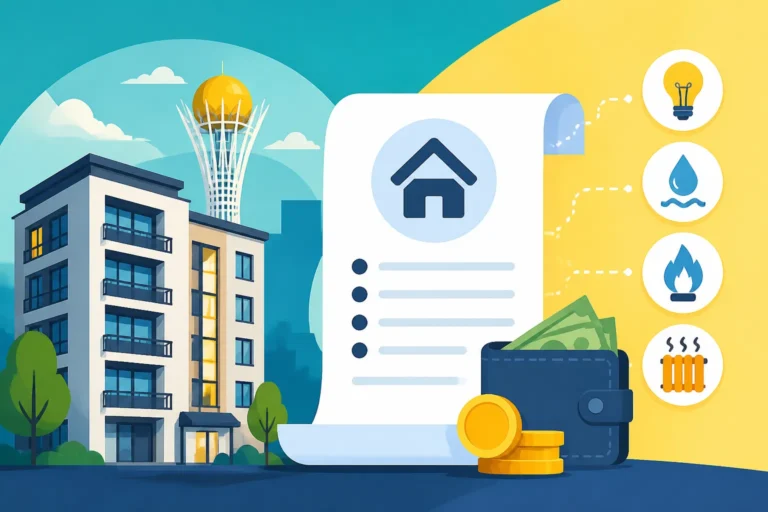
Beyond rent, the ongoing costs of running a household are also remarkably low. Utilities like electricity, water, and perhaps most notably, central heating, are heavily subsidized by the government. This means that even during the harsh Kazakhstani winters, when your heating is running almost constantly, your utility bill won't send you into shock. For a standard two-bedroom apartment, you might pay anywhere from ₸10,000 to ₸25,000 (roughly $25-$60 USD) for all utilities combined in a given month, depending on usage and the season. Setting up these services can be a bit of a dance, but the costs are minimal. Check out How Do I Set Up Electricity After Moving to Kazakhstan? and How Much Does Electricity Cost per Month in Kazakhstan? for details on getting started. And when it comes to paying your bills, it's often simpler than you think; How Do I Pay My Electricity Bill in Kazakhstan? has the answers.
Internet and mobile phone services are also very affordable and widely available. You can get high-speed fiber optic internet for a reasonable monthly fee, and mobile data plans offer generous allowances without breaking the bank. For example, a decent internet package might cost around ₸5,000-₸8,000 ($10-$20 USD) per month. For mobile connectivity, especially when you first arrive and need to get online quickly, services like Airalo can be a lifesaver, offering eSIMs for instant data access without needing a local SIM card immediately. Once you’re settled, local providers are very competitive.
The efficiency of Kazakhstan's centralized heating systems, particularly in apartment buildings, also contributes to lower costs. Rather than individual boilers or electric heating, entire districts are often heated from central plants, which is more energy-efficient and, critically, often subsidized. This institutional approach to utilities means less financial burden on individual households, directly contributing to the perception of a low cost of living.
Everyday Expenses: Groceries, Transport, and Leisure
It's not just the big-ticket items like housing that are affordable; your daily expenses for food, getting around, and enjoying life also tend to be remarkably low. This is where the local economy truly shines for those looking to save money.
Food Costs and Local Markets
One of the greatest joys of living in Kazakhstan is the accessibility of fresh, local produce and affordable groceries. If you embrace local cuisine and shop at the numerous bazaars (like Almaty’s famous Green Bazaar), your food budget will stretch incredibly far. Seasonal fruits, vegetables, fresh meat, and dairy products are not only delicious but also significantly cheaper than in Western supermarkets. You can fill your fridge for a week for a fraction of what you’d pay in Europe or North America.
Of course, if you're craving imported goods or specific Western brands, you can find them in larger supermarkets like Magnum or Small, but expect to pay a premium. However, the sheer variety and quality of local products mean you rarely need to rely on imports. A typical grocery bill for a single person focused on local produce might be around ₸30,000-₸50,000 ($70-$120 USD) per month, which is astounding compared to many other expat destinations. Embracing local markets is key to truly enjoying the affordability here.
Dining out is also surprisingly inexpensive, especially if you stick to local Kazakh or Russian restaurants. You can enjoy a hearty, delicious meal for less than ₸5,000 ($12 USD), and even mid-range restaurants won't break the bank. This makes it easy to socialize and enjoy the culinary scene without constantly watching your wallet.
Public Transportation and Fuel Prices
Getting around in Kazakhstan's major cities is incredibly cheap. Almaty boasts a modern and efficient metro system, alongside an extensive network of buses and trolleybuses. A single ride on public transport costs a mere ₸100 (around $0.25 USD) if you use a transport card like the Onay card in Almaty. Compare that to the multi-dollar fares in most international cities, and you'll see how quickly the savings add up. For a detailed overview, check out The Expat Guide to Public Transport in Kazakhstan.
For those who prefer the convenience of ride-hailing services, apps like Yandex Go are widely available and extremely affordable. A cross-city ride in Almaty or Astana often costs just a few hundred tenge, making taxis a viable and budget-friendly option for daily commutes or late-night outings. This means you don't necessarily need to own a car, cutting down on significant expenses like vehicle purchase, insurance, and maintenance.
If you do opt for private car ownership, fuel prices are also very low due to Kazakhstan being an oil-producing nation. This further reduces the overall cost of transportation, making driving a less prohibitive expense than in countries where petrol costs are sky-high. This combination of cheap public transport, affordable ride-hailing, and low fuel costs makes getting around incredibly light on your budget.
Entertainment and Lifestyle Affordability
When it comes to leisure and entertainment, Kazakhstan offers a plethora of options that won't drain your bank account. Cinema tickets, museum entries, and local sporting events are all very reasonably priced. For example, a movie ticket might cost around ₸2,000-₸3,000 ($5-$7 USD), and many cultural attractions are even cheaper or free.
Outdoor activities are also a huge part of the lifestyle here, especially in places like Almaty, nestled at the foot of the Tian Shan mountains. Skiing at Shymbulak, hiking in the nearby canyons, or simply enjoying the many parks are accessible and often budget-friendly ways to spend your free time. Gym memberships can vary, but many local fitness centers offer competitive rates that are significantly lower than Western equivalents.
Overall, the lifestyle here allows for a high degree of enjoyment without constant financial worry. Whether it's dining out, exploring the vibrant cultural scene, or heading into the mountains, your disposable income will afford you more experiences here than in many other expat destinations. For ideas on where to settle and what to do, don't miss The Best Places to Live in Kazakhstan for Expats: A Complete Guide (2027).
The Ripple Effect: How Low Costs Impact Expat Life
The consistent affordability across almost all sectors of life in Kazakhstan creates a unique situation for expats, allowing for a certain quality of life and financial freedom that can be hard to find elsewhere.
Quality of Life and Disposable Income
For many expats, especially those receiving salaries comparable to international standards, the low cost of living in Kazakhstan translates directly into a significantly higher quality of life. Imagine being able to afford a spacious apartment in a prime location, regularly dine out, take weekend trips to beautiful natural spots, and still save a substantial portion of your income – this is the reality for many here. Your disposable income stretches further, allowing for more luxuries, more experiences, and greater financial security.
This financial buffer can make a massive difference. It means less stress about daily expenses, more opportunities for travel within the region, and the ability to invest in hobbies or personal development without feeling the pinch. It’s a compelling reason why many expats choose to stay in Kazakhstan longer than initially planned, realizing that the value for money here is exceptional. While the average local salary provides valuable context, the expat experience is often quite different. You might want to consider How Much Is the Average Salary in Kazakhstan in 2026? to understand the local economic picture more broadly. For a full picture of what to expect, refer to The Complete Guide to Cost of Living in Kazakhstan for Expats (2026).
It's not just about saving money; it's about the freedom that comes with it. The ability to engage with local culture, explore the vast landscapes, and participate in social activities without constantly worrying about the bill genuinely enhances the expat experience. You can say "yes" to more opportunities and immerse yourself more deeply, which is invaluable.
Potential Drawbacks or Hidden Costs
While the overall cost of living is genuinely low, it’s important to acknowledge that not everything is dirt cheap, and there can be a few nuances. High-end imported luxury goods, specialized international services (think certain niche medical treatments or specific international school fees), or even some particular types of foreign cuisine can be surprisingly expensive, sometimes even more so than in your home country due to import duties and limited supply chains. These are the exceptions, of course, but it’s something to be aware of if your lifestyle heavily relies on such items.
Furthermore, while the ongoing cost of living is low, the initial costs of moving to Kazakhstan can still be significant, especially if you're shipping a lot of belongings. Services like Sirelo can help you compare moving companies and understand the logistics and costs involved in international relocation, ensuring you budget appropriately for the move itself, even if life once you arrive is more affordable. These initial setup costs, while one-time, are important to factor into your overall budget.
Finally, while not a direct financial cost, the administrative hurdles and language barrier, especially outside of Almaty and Astana, can sometimes feel like an indirect "cost" in terms of time and effort. Navigating bureaucracy can be frustrating, and while the financial side might be light, the mental load can sometimes be heavy. However, with good preparation and a healthy dose of patience, these challenges are certainly manageable and shouldn't overshadow the fantastic affordability Kazakhstan offers.
| Category | Example Expense | Estimated Cost in Almaty (KZT) | Estimated Cost in Almaty (USD) | Equivalent in Western City (USD) |
|---|---|---|---|---|
| Housing (1-BR Apt) | Monthly Rent (Good Area) | ₸180,000 – ₸350,000 | $400 – $800 | $1,500 – $3,000 |
| Utilities | Monthly (Electricity, Water, Heating, Internet) | ₸15,000 – ₸25,000 | $35 – $60 | $150 – $300 |
| Groceries | Monthly (Single Person) | ₸30,000 – ₸50,000 | $70 – $120 | $300 – $600 |
| Transportation | Single Metro/Bus Ride | ₸100 | $0.25 | $2.50 – $4.00 |
| Dining Out | Mid-range Meal (1 person) | ₸3,000 – ₸7,000 | $7 – $16 | $25 – $50 |
| Entertainment | Cinema Ticket | ₸2,000 – ₸3,000 | $5 – $7 | $12 – $20 |
| Mobile Data | Monthly Plan (generous) | ₸3,500 – ₸6,000 | $8 – $14 | $30 – $70 |
Note: Exchange rates are approximate and can fluctuate.
Disclaimer
The information provided in this guide is intended for general informational purposes only and does not constitute financial, legal, or professional advice. While we strive to provide accurate and up-to-date information, economic conditions, regulations, and prices in Kazakhstan can change rapidly. Always consult with relevant local experts or authorities for the most current and personalized advice. We are not responsible for any consequences arising from the use of this information.