How Do I Use the Metro in Almaty?
Arriving in a bustling city like Almaty can be exhilarating, but the thought of navigating its public transport system, especially the metro, can feel a little daunting at first. You might be used to metros in other parts of the world, but every city has its quirks, and Almaty is no exception. This guide is designed to cut through that initial confusion, offering you an expat's practical, no-nonsense roadmap to confidently using the beautiful Almaty Metro, ensuring you get where you need to go without a hitch.
Getting Started with the Almaty Metro: Your First Steps
When you first land in Almaty, everything can feel a bit like a whirlwind – from finding your apartment to understanding how to even get to the nearest grocery store. But trust me, once you get the hang of it, the metro is going to be your best friend for zipping around the city. It's clean, efficient, and a real lifesaver, especially during peak traffic or when the weather isn't cooperating.
Understanding the Basics: Stations, Lines, and Operating Hours
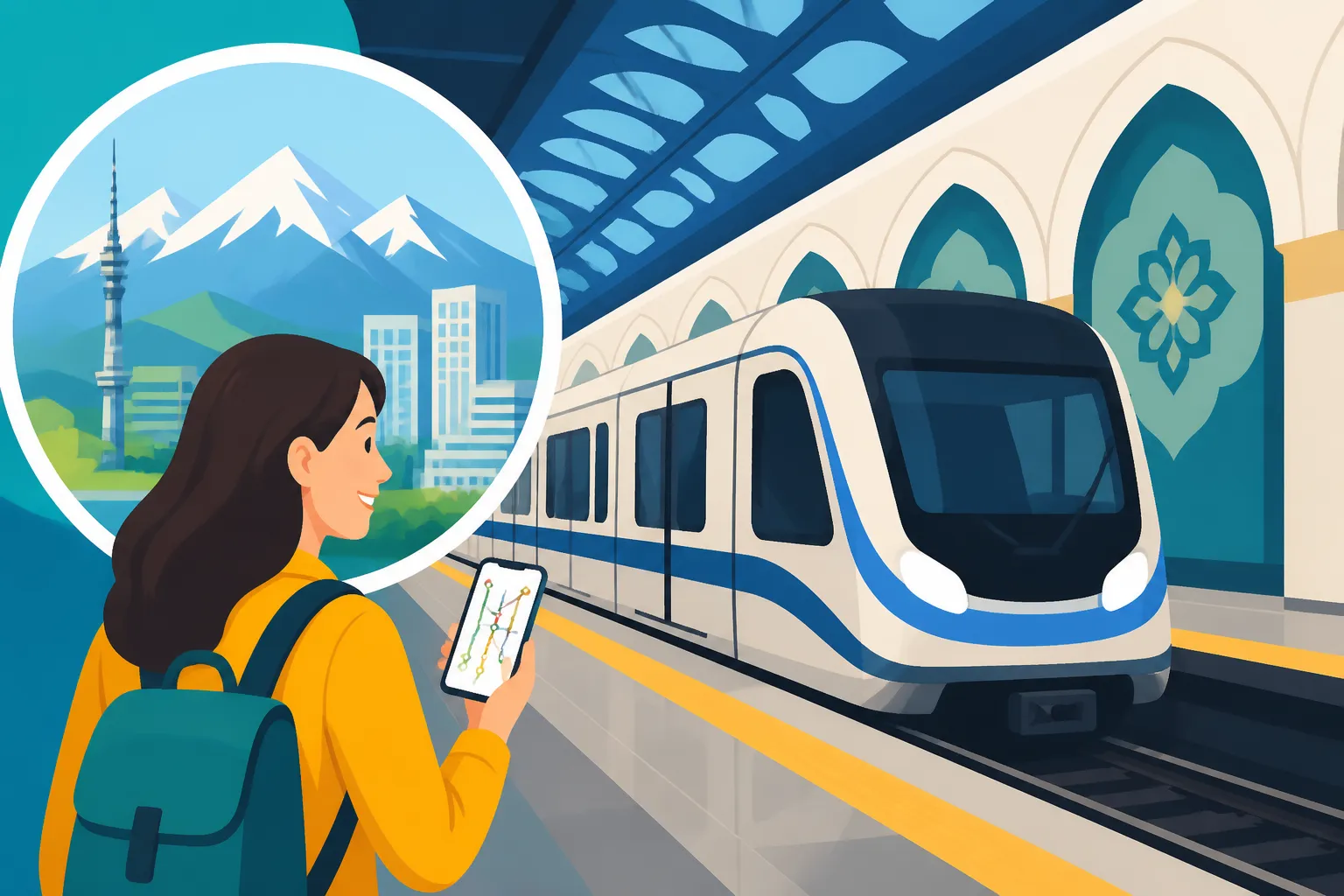
The Almaty Metro, or Almaty Metropoliten (Алматы Метрополитен), might not be as extensive as some global giants, but what it lacks in length, it makes up for in beauty and efficiency. Currently, it consists of a single, highly effective line (Line 1, or the Green Line) that stretches primarily north-south through some of the city's most important districts. This makes it quite straightforward to understand, which is a huge relief when you're just starting out.
Let's talk about the stations. Each one is a work of art, often showcasing Kazakh culture and history through stunning mosaics, intricate carvings, and impressive architecture. This isn't just a functional transport system; it's an underground gallery! You'll find stations like Zhibek Zholy, which puts you right in the heart of the old city and bazaar, or Abay, perfectly situated for exploring the city center and its many attractions. While the metro currently only has one line, there are plans for expansion, with extensions already underway towards the city's western and northern areas. This means that while its reach is concentrated, it covers vital arteries, linking residential areas with business districts, shopping centers, and cultural hotspots. For example, if you've managed to find an apartment near the metro in Almaty, you'll quickly realize how much easier your daily commute becomes.
Operating hours are generally from around 6:20 AM until midnight, though it's always wise to check official sources for any changes, especially during public holidays. Trains run frequently, typically every 5-10 minutes during peak hours and slightly less often during off-peak times. Don't worry about long waits; you'll rarely be standing on the platform for more than a few minutes. This consistent schedule means you can rely on the metro whether you're heading to work, meeting friends, or simply exploring.
How to Buy and Use a Metro Card Onakai Card
Forget fumbling with cash or trying to figure out ticket machines in a foreign language. The Almaty Metro, like most modern transport systems, operates primarily with a reloadable transport card called the "Onakai Card." This card isn't just for the metro; it's also your key to hassle-free travel on Almaty's extensive bus and trolleybus network. Seriously, getting one of these should be high on your "first week in Almaty" checklist.
You can purchase an Onakai Card at any metro station ticket office. Look for the "Касса" (Kassa) sign. The card itself costs a small, one-time fee, and then you load it with credit. You can pay with cash or, increasingly, with a local bank card like Kaspi Gold. Don't worry if your Kazakh isn't fluent; many ticket agents, especially in central stations, will understand "Onakai card" and "top up" (пополнить – popolnit). You can load any amount you wish, though it's usually smart to put at least a few thousand Tenge on it to start. The current fare for a single metro ride is very affordable, around 100 KZT (at the time of writing), so your balance will last a while.
To use the card, it's simple: just tap it on the reader at the turnstile as you enter and exit the metro station. The system automatically calculates the fare, so you don't need to worry about zones. Remember to always tap both when entering and exiting to ensure the correct fare is deducted. If you forget to tap out, the system might deduct a higher default fare on your next journey. Reloading is just as easy – head back to a ticket office or use the many Kaspi bank terminals scattered around the city, which often have an option for topping up transport cards. Having a local mobile plan, perhaps even with an eSIM from a provider like Airalo, will make finding these terminals and using translation apps much easier.
Navigating the Stations and Platforms
Entering an Almaty metro station for the first time, you might feel a pang of intimidation, but it’s actually incredibly user-friendly. Once you've tapped your Onakai card and passed through the turnstiles, you'll head down the escalator. These escalators are often quite long, a characteristic shared with many post-Soviet metros, adding to the feeling that you’re descending into a subterranean world. Just stand on the right, walk on the left if you’re in a hurry – the unspoken rule is universal.
At the bottom of the escalator, you'll find the platform. The Almaty Metro currently only has one line, which simplifies things immensely. There will be signs indicating the direction of travel, usually showing the name of the terminal station for that direction. For instance, if you're at Abay station and heading south, you'd look for signs pointing towards "Bauyrzhan Momyshuly" (the current southern terminus). If you're heading north, you'd look for "Raiymbek Batyr." The station names are clearly displayed in both Kazakh (Cyrillic script) and English, which is a huge help for us expats.
Listen out for announcements; they are typically made in Kazakh, Russian, and sometimes English. However, even if you don't understand the languages, the visual cues – the station names illuminated on the walls and electronic displays inside the train – are usually enough. Just pay attention to the names as the train pulls into each station. The platforms are clean, well-lit, and generally very safe. Unlike some other cities, panhandling or aggressive behavior is very rare, making for a pleasant travel experience. Just be mindful of your personal belongings, as you would in any major city.
Mastering Your Journey: Tips and Etiquette
Once you've got the basics down, you'll find that using the Almaty Metro becomes second nature. But like any public space, there are some unwritten rules and practical tips that can make your experience even smoother and more respectful of local customs.
Planning Your Route and Transfers
With only one line, planning your route on the Almaty Metro is pretty straightforward. Most people simply need to know which direction to go (north or south) and which station is closest to their destination. However, the metro is designed to integrate with the city's extensive bus and trolleybus network. Often, your metro journey will be the first leg of your trip, connecting you to an area from which you’ll then catch a bus or taxi to your final spot.
To plan multi-modal journeys, I highly recommend using a local mapping app. Yandex Maps (Яндекс Карты) is by far the most popular and accurate option in Kazakhstan. It provides real-time public transport information, including metro and bus routes, estimated arrival times, and even tells you how many stops you have before your destination. Google Maps is also decent but often lags behind Yandex in accuracy for local transport. Download these apps, and make sure your phone has a good data connection. For instance, if you're exploring the intricacies of how to set up internet in your Kazakhstan home or how to set up a mobile phone plan in Kazakhstan, knowing that these apps are essential for navigation will give you an extra incentive. Many metro stations also have large, clear maps of the line, often with key attractions and bus connections marked. Don't be afraid to take a moment to study them.
When transferring to a bus, remember your Onakai card works seamlessly. Just tap again as you board the bus. If you're planning a trip during peak hours (roughly 7-9 AM and 5-7 PM), be aware that while the metro remains efficient, buses can get very crowded. If your destination is a bit off the metro line, consider combining a metro ride with a short taxi journey, especially if you're with family or have a lot of bags. Speaking of family, if you need to know how to add dependents to your health coverage in Kazakhstan, navigating the city for appointments will be much simpler with a solid grasp of the public transport system.
Essential Etiquette and Safety Tips
The Almaty Metro is generally a very safe and orderly place, but a few pointers on etiquette can go a long way in making you feel more comfortable and avoid any unintentional faux pas.
First and foremost, always give up your seat to the elderly, pregnant women, or those with young children. This is deeply ingrained in Kazakh culture and is an expectation, not just a courtesy. You’ll see locals do it all the time, and it’s a simple way to show respect. When standing on the escalator, remember the "stand right, walk left" rule, allowing those in a rush to pass.
Eating or drinking on the metro is generally frowned upon and can sometimes even be prohibited by signage, so it's best to avoid it. Keep your voice low when talking on your phone or with companions, and avoid playing loud music. Personal space might feel a little different here compared to what you're used to, especially during crowded times, but generally, people are respectful.
In terms of safety, the Almaty Metro is considered one of the safest public transport systems. Stations are monitored by CCTV, and you'll often see police officers present. Pickpocketing is rare but, like anywhere, can occur in crowded areas, so always keep an eye on your belongings. Avoid displaying large amounts of cash or expensive electronics overtly. If you ever feel uncomfortable or witness something suspicious, look for a police officer or speak to a station attendant. They are usually helpful, even with language barriers. Knowing the general layout and routine will bolster your confidence.
What to Do If You Get Stuck or Need Help
Even the most seasoned expat can have a moment of confusion or get a little "stuck" when navigating a new city. It's totally normal! The good news is that the Almaty Metro system is quite forgiving, and help is usually at hand.
If you accidentally go past your stop, don't panic. Simply get off at the next station, cross the platform, and take the train back in the opposite direction. Your Onakai card won't charge you extra for this unless you exit the system and re-enter. If your Onakai card isn't working at the turnstile, first try tapping it again firmly. If that doesn't work, head to the nearest ticket office ("Касса"). Explain the situation (even with gestures and a few key Russian/Kazakh phrases like "card no work" – karta ne rabotaet). They can check your card balance, top it up, or troubleshoot any issues.
For more complex issues, such as feeling unwell, lost, or needing directions beyond the metro, look for staff members. They usually wear uniforms and can be found near ticket offices or on platforms. While not all staff will speak fluent English, they are generally eager to help. Having a translation app on your phone will be incredibly useful here. Even a basic "where is X?" (Где X? – Gde X?) or "I need help" (Мне нужна помощь – Mne nuzhna pomoshch) can make a big difference. Remember, the metro is a public service, and they are there to ensure everyone has a safe journey.
Beyond the Metro: Connecting to Other Transport
The metro is fantastic for its limited but vital route, but Almaty is a sprawling city, and you'll definitely need to use other modes of transport to get around fully. Luckily, the system is designed to integrate, making your life much easier once you understand the connections.
Integrating Metro with Buses and Taxis
The beauty of the Onakai card is its versatility. Once you exit a metro station, you'll often find bus and trolleybus stops right outside. Your trusty Onakai card works seamlessly on these too. Just tap as you board, and you're good to go. This integrated system is one of the reasons why the cost of living in Kazakhstan for expats, especially when it comes to transportation, remains quite low.
Almaty's bus network is vast and can take you almost anywhere the metro doesn't reach. Use Yandex Maps to find the best bus routes from your metro station. The app will tell you which bus number to take, where the stop is, and even provide real-time tracking so you know exactly when your bus is arriving. This can be a game-changer when you're exploring different neighborhoods or heading to specific attractions not directly on the metro line. For a deeper dive into the broader public transport options, you might find The Expat Guide to Public Transport in Kazakhstan helpful.
Taxis are also incredibly popular and affordable in Almaty. For ride-hailing services, Yandex Taxi is the undisputed king here. Download the app, and you can easily hail a taxi right from any metro station exit. It’s a convenient option for those last-mile journeys, especially if you’re carrying shopping bags or if it’s late at night. The prices are usually very reasonable, and you can pay cash or link a local card to the app. This is particularly useful if you're trying to figure out the best way to get around Almaty without a car.
Apps and Resources for Seamless Travel
In today's connected world, your smartphone is your ultimate travel companion. Beyond Yandex Maps and Yandex Taxi, there are a few other digital tools and resources that can make your life much easier when navigating Almaty's transport system.
As mentioned, having a local SIM card with a robust data plan is crucial. If you're still getting settled, consider an eSIM service like Airalo. It allows you to get connected almost instantly upon arrival, which is invaluable for navigation, communication, and looking up information on the go. Imagine stepping off the plane, activating your eSIM, and immediately being able to call a Yandex Taxi or find the nearest metro station.
For language assistance, Google Translate is your best friend. Its camera translation feature is incredibly useful for deciphering signs or menus, while the conversational mode can help bridge communication gaps with locals if you need directions or assistance. While many younger Kazakhstanians speak English, it's not universally understood, especially with older generations or service staff.
Finally, while official metro websites exist, they are often in Kazakh or Russian. Expats and long-term visitors usually rely on community forums and local expat groups on social media for the most up-to-date, practical advice and tips. These communities can offer insights into temporary closures, service changes, or new payment methods before official announcements are widely translated. They can also be a great resource for understanding the cost of living in Kazakhstan for expats and finding out how much it costs to live in Almaty per month.
The Benefits and Drawbacks of Metro Travel for Expats
Like any public transport system, the Almaty Metro has its upsides and downsides for those of us living here from abroad. Understanding these can help you integrate it more effectively into your daily life.
Pros: Efficiency, Cost, and Cultural Immersion
The Almaty Metro is genuinely a jewel in the city's crown. Its most significant advantage is efficiency. Trains run like clockwork, they are rarely delayed, and they slice through Almaty's notorious traffic with ease. If you have an appointment or need to be somewhere on time, the metro is almost always the most reliable option. This punctuality is a stark contrast to surface transport, especially during rush hour, and it quickly becomes a habit you appreciate.
Then there's the cost. As I mentioned, a single ride is incredibly affordable. For anyone concerned about their budget and the overall How Much Is the Cost of Living in Kazakhstan for Expats?, the metro (and the integrated bus system) offers excellent value for money. You can travel across the city for less than a dollar, which is a major bonus compared to many Western cities. This affordability means you can explore more without worrying about breaking the bank.
Finally, and perhaps unexpectedly, the metro offers a unique form of cultural immersion. Each station is a testament to Kazakh art and history, often reflecting the nation's Soviet past and its vibrant nomadic heritage. Riding the metro allows you to observe daily life, hear the local languages, and witness the polite interactions among Kazakhstanians. It’s a glimpse into the heart of the city that you just don’t get from a private car. Plus, the underground environment provides a welcome respite from the extreme summer heat or the biting winter cold, making your commute comfortable year-round. It's truly a testament to thoughtful urban planning.
Cons: Limited Reach and Language Barriers
While the metro is fantastic, it's not without its drawbacks, particularly for expats navigating a new city. The most obvious limitation is its limited reach. As of now, with just one primary line, the metro doesn't cover all of Almaty. Many residential areas, business parks, and tourist attractions are not directly accessible by metro, meaning you'll almost always need to combine your metro journey with a bus, trolleybus, or taxi ride. This can add extra time and planning to your trips, especially if you're venturing further afield. If you’re trying to find an apartment that minimizes commute time, knowing How Do I Find an Apartment Near the Metro in Almaty? becomes crucial.
Another challenge can be language barriers, especially outside of the main city center stations. While major signs include English, interacting with ticket agents or asking for directions can be tricky if you don't speak Kazakh or Russian. Most locals are incredibly kind and willing to help, but communication can still be a hurdle. This is where those translation apps become indispensable. It's a small frustration, but one that can occasionally add a layer of stress to an otherwise simple task. Thankfully, as more and more international events take place in Almaty, English proficiency is slowly but steadily increasing, particularly among the younger generation.
Here's a quick overview of some key metro facts:
| Feature | Detail | Expat Tip |
|---|---|---|
| Number of Lines | 1 (Green Line) | Easy to navigate, but be prepared for multi-modal journeys. |
| Operating Hours | ~6:20 AM – Midnight daily | Reliable for most trips, but plan alternatives for very late nights. |
| Fare | ~100 KZT per ride | Inexpensive, makes it ideal for daily commutes. |
| Payment Method | Onakai Card (rechargeable) | Essential for seamless travel on metro and buses; buy at any station. |
| Language | Kazakh, Russian (signs often in English) | Use Yandex Maps & Google Translate for directions and communication with staff. |
| Safety | High, CCTV monitored, police presence | Generally very safe, but apply common sense personal security. |
| Key Apps | Yandex Maps, Yandex Taxi, Google Translate, Airalo (for eSIM data) | Download these before you travel for maximum convenience. |
| Integration | Excellent with bus/trolleybus network | Your Onakai card works on all; plan transfers with Yandex Maps. |
Overall, the Almaty Metro is a fantastic asset for anyone living in or visiting Kazakhstan. Embrace it, enjoy the ride, and don't be afraid to ask for help when you need it. You'll be zipping around like a local in no time! Oh, and if you’re planning a big move to Kazakhstan, remember services like Sirelo can help manage the logistics of getting your belongings here, leaving you more time to master the local transport once you arrive.
Disclaimer
Please note that while this guide is crafted with the latest available information and personal expat experience, details such as prices, operating hours, and regulations can change. It is always advisable to check official Almaty Metro sources or local news for the most current updates before planning your journey. This information is provided for general guidance and informational purposes only, and does not constitute professional advice.