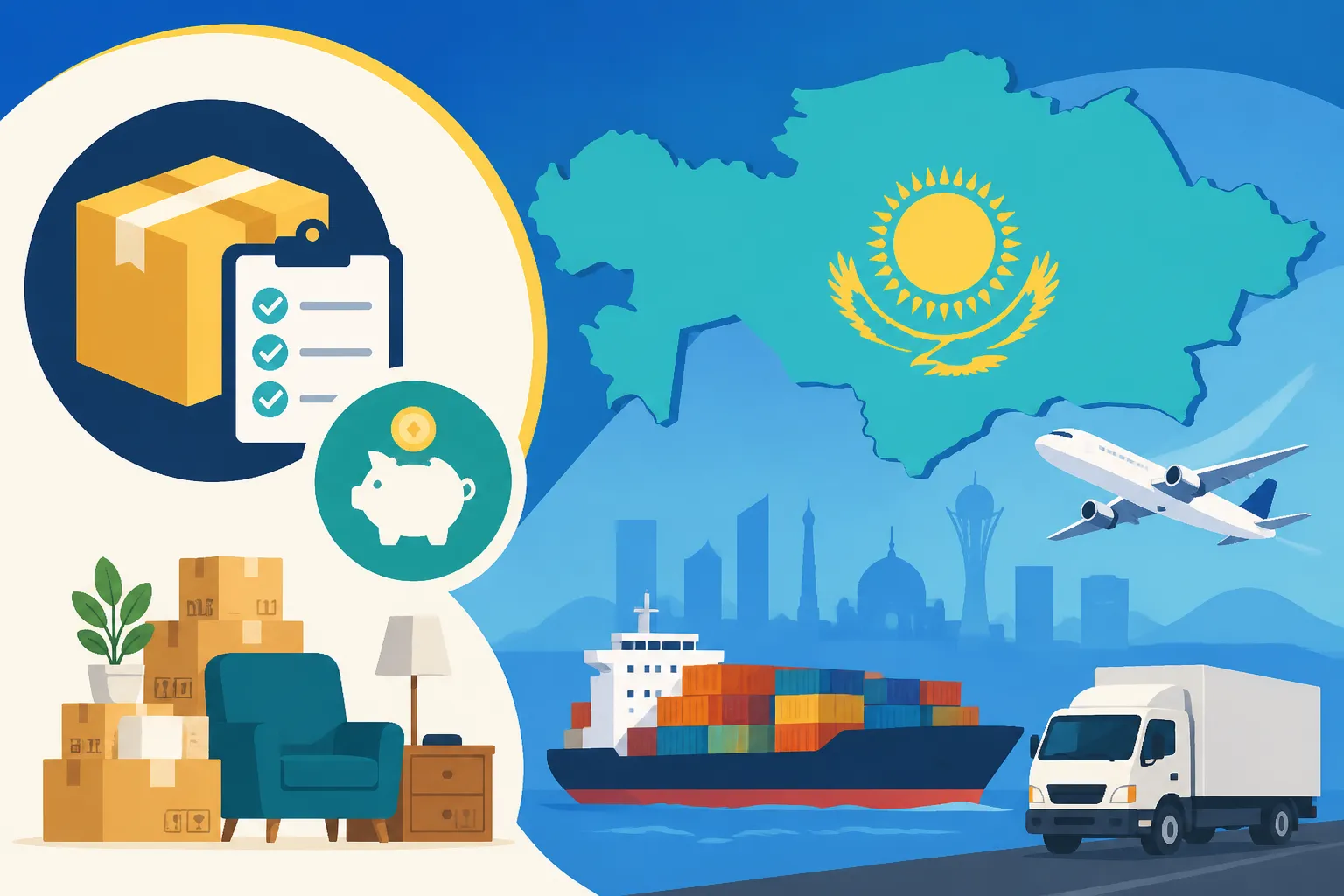
How Much Does It Cost to Ship Belongings to Kazakhstan?
Moving to a new country like Kazakhstan is an exciting adventure, but let's be honest, the thought of getting all your worldly possessions from point A to point B can feel like a monstrous jigsaw puzzle, especially when you start worrying about shipping costs. Forget the sticker shock of those initial quotes; the real headache is understanding what you're paying for and why it fluctuates so wildly. This guide is here to untangle that knot for you, breaking down everything you need to know about the costs involved in shipping your belongings to Kazakhstan, so you can plan your budget with confidence and less stress.
Understanding the Big Picture: What Drives Shipping Costs to Kazakhstan?
When you first start looking into shipping your belongings to Kazakhstan, it can feel like you're staring at an incomprehensible spreadsheet. The numbers jump around, and it's hard to pin down why. But once you understand the core factors at play, it all starts to make a bit more sense. It's not just about getting a box from one place to another; it's a complex logistical dance with many moving parts.
Volume, Weight, and Distance: The Obvious Factors
These three elements are the absolute fundamentals that any international mover will look at. Think of it like this: the more space your stuff takes up (volume), the heavier it is (weight), and the further it has to travel (distance), the more it's going to cost. It sounds simple, right? But the nuances are important.
For example, a bulky but lightweight sofa might cost more due to its volume, while a small box of books will cost more because of its weight. Shipping companies often calculate charges based on whichever metric yields a higher cost, known as chargeable weight. This is why decluttering is always the first piece of advice anyone gives before an international move. Do you really need that ancient set of encyclopedias taking up precious cubic meters? Probably not. From bustling European hubs like London or Berlin, your items might travel through various ports and land routes. From North America, a significant portion of the journey will likely be by sea, possibly traversing the Atlantic, through the Suez Canal, and then via land from a port like Poti, Georgia, or Bandar Abbas, Iran, before making its way into Kazakhstan. The vast distances involved, particularly if you're coming from continents like North or South America or even Australia, means longer transit times and proportionally higher fuel and operational costs. Even within Asia, say from China, while the distance is shorter, the sheer scale of logistics for international transit still adds up.
Shipping Methods: Sea, Air, and Land Considerations
The mode of transport you choose will be one of the most significant drivers of your overall cost and, crucially, your timeline. Each method has its own set of trade-offs, and what's right for one expat might be completely impractical for another.
Sea Freight: The Budget-Friendly Marathon Runner
If you're not in a rush and have a substantial amount of belongings, sea freight is almost always the most economical option. Your items are packed into large steel containers, which are then loaded onto cargo ships. The journey is long – often several weeks, or even a couple of months, depending on the origin. For instance, shipping a container from the UK to Kazakhstan could take anywhere from 6-8 weeks, while from the USA, it might be 8-12 weeks or more. The cost per cubic meter is significantly lower than air freight, making it ideal for furniture, vehicles, and a full household's worth of goods.
The downside? The waiting game. You'll need to be prepared to live without most of your possessions for an extended period. This often means carefully planning what you'll bring with you in your luggage, covering your initial days, and perhaps even purchasing some essentials upon arrival. If you're pondering how long you can cope, perhaps consider how long you'll need to get settled in your new home, arrange your How to Sign a Rental Contract and Pay a Deposit in Kazakhstan and secure your The Complete Guide to Moving to Kazakhstan: Your First 90 Days (2027).
Air Freight: The Speedy, But Pricey, Sprint
For urgent items or smaller, high-value shipments, air freight is your fastest option. Your belongings will travel in the cargo hold of passenger planes or dedicated cargo aircraft. The transit time is drastically reduced, usually a matter of days rather than weeks. This is fantastic if you need critical documents, expensive electronics, or just can't bear to be separated from your favourite coffee machine for too long.
However, speed comes at a premium. Air freight is considerably more expensive than sea freight, sometimes costing several times as much. It's typically priced by weight, so it's best reserved for items that are lightweight or absolutely essential. Expats often use air freight for a small portion of their goods, like important work equipment, special medical supplies, or a few beloved toys for the kids, while the bulk of their household items travel by sea.
Land Freight: The Regional Workhorse
Given Kazakhstan's landlocked nature and its geographical position, land freight (primarily by truck or rail) plays a crucial role, especially for goods originating from neighbouring countries or as part of a multimodal journey. If your shipment arrives at a Black Sea port (like Poti in Georgia) or a Baltic port and then needs to reach Almaty or Astana, it will almost certainly complete its journey by truck or rail. For moves originating directly from countries like Russia, China, or other Central Asian states, land freight can be efficient and cost-effective.
Land freight offers a middle ground in terms of speed and cost compared to air and sea for regional movements. It's often quicker than sea freight but generally more expensive per cubic meter than direct sea freight for very long distances. For those coming from Europe, a combined sea-land route (sea to a port, then land to Kazakhstan) is a common and often sensible compromise.
Customs, Duties, and Local Charges in Kazakhstan
This is where things can get a little opaque and, frankly, frustrating. Navigating customs regulations in any new country can be a challenge, and Kazakhstan is no exception. It's not just about the cost; it's about the paperwork, the potential for delays, and the sheer administrative burden.
Understanding Customs Duties: Kazakhstan has specific rules regarding the import of household goods. Generally, personal effects and used household items can often be imported duty-free, provided you can prove they are indeed your personal effects and have been used for a certain period (e.g., usually at least six months). However, new items, certain restricted goods, or items exceeding specified quantities might incur import duties and taxes (such as VAT). The exact rates can vary significantly, so it's crucial to clarify this with your moving company or a customs broker in Kazakhstan. Without proper documentation or if an item is deemed commercial, you could face hefty fees.
Required Documentation: Be prepared for a mountain of paperwork. You'll need your passport, visa/residence permit (such as a How to Get a Residence Permit for Work in Kazakhstan), a detailed inventory of your belongings (often translated and notarized), and potentially a letter from your employer or a rental contract for your new address. Having your How Do I Get an IIN in Kazakhstan is absolutely critical for almost any official transaction, including customs. Delays often stem from incomplete or incorrect documentation, leading to storage fees at the port or border.
Local Charges: Once your shipment clears customs, there are still local delivery charges. These include fees for unloading the container, transporting your goods from the port or warehouse to your residence, and any terminal handling charges. If your destination is a major city like Almaty or Astana, direct delivery might be straightforward. If you're heading to a smaller town, the "last mile" delivery costs can unexpectedly inflate the final price. Always ask your mover for a comprehensive, "door-to-door" quote to avoid nasty surprises.
Breaking Down the Costs: What You'll Actually Pay
Now, let's talk numbers and the different ways your moving quote can be structured. It’s not just one big lump sum; it’s a collection of services, each with its own price tag. Understanding these components will empower you to make more informed decisions and potentially save some tenge.
Full Container Load FCL vs. Less Than Container Load LCL
This distinction is fundamental to sea freight costs and impacts your flexibility and potential savings.
Full Container Load (FCL): Your Private Moving Box
With an FCL shipment, you essentially rent an entire shipping container for your exclusive use. The most common sizes are 20-foot (approx. 33 cubic meters) and 40-foot (approx. 67 cubic meters). If you have a large household – say, a three-bedroom house worth of furniture and belongings – an FCL is usually the most cost-effective per cubic meter.
- Pros: Your items are isolated, reducing the risk of damage or loss from other people's goods. Transit times can sometimes be slightly faster as the container doesn't wait for other shipments. You have more control over scheduling.
- Cons: If you don't fill the container, you're still paying for the empty space. This is why it's less economical for smaller moves.
- Cost Impact: The price is for the entire container, regardless of how full it is. This means a higher base cost, but a lower cost per item if you fill it up. A 20-foot container from Europe to Almaty could range from $5,000 to $10,000 USD or more, depending on the origin, destination, time of year, and inclusions.
Less Than Container Load (LCL): Sharing the Ride
LCL shipments, also known as groupage or shared container services, are perfect if you have fewer items – perhaps just a few pieces of furniture, 10-20 boxes, or simply too much for air freight but not enough for an FCL. Your belongings are consolidated with other people's shipments into one container.
- Pros: You only pay for the space your items occupy, making it significantly cheaper for smaller moves.
- Cons: Transit times can be longer and less predictable, as the container needs to be fully loaded before departure and then deconsolidated at the destination. More handling of your goods, which slightly increases the risk of damage.
- Cost Impact: Priced per cubic meter or by weight, whichever is greater. This is the more budget-friendly option for smaller shipments. An LCL shipment of, say, 5 cubic meters from Western Europe to Kazakhstan might cost anywhere from $1,000 to $3,000 USD, again depending on the specifics.
Door-to-Door, Port-to-Port, and Everything In Between
The level of service you choose impacts not only the cost but also the amount of effort you'll need to put in. Don't underestimate the logistical challenges of a self-managed move in a foreign country.
Door-to-Door Service: The Full-Service Treatment
This is the most comprehensive and, therefore, the most expensive option. The moving company handles everything from packing your belongings at your current home, transporting them to the port/airport, managing customs clearance, and delivering them to your new address in Kazakhstan. Some even offer unpacking services.
- Pros: Minimal stress for you. The moving company acts as a single point of contact and is responsible for the entire journey. This is a huge relief when you're already juggling so much during an international relocation.
- Cons: The highest cost due to the extensive services included.
- Cost Impact: Expect this to be at the higher end of the pricing spectrum. This is where a lot of the "hidden" fees become transparent, as they're all rolled into one service.
Port-to-Port / Airport-to-Airport: The Bare Bones
This option means the shipping company is only responsible for getting your goods from the port or airport of origin to the port or airport of destination. You are then responsible for all inland transportation, customs clearance, and final delivery yourself.
- Pros: The cheapest shipping cost, as you're cutting out all the associated services.
- Cons: Immense logistical burden. You'll need to find local transport, manage complex customs procedures (often requiring a local customs broker), and physically collect your goods. This is usually only feasible for businesses with established logistics teams or individuals with extensive local support.
- Cost Impact: Significantly lower headline shipping price, but be wary of the potential for unexpected local costs, administrative hurdles, and delays once your goods arrive.
Door-to-Port / Port-to-Door: Hybrid Options
These are common compromises. For example, "door-to-port" means the company collects your items and ships them to the destination port, but you handle everything from that point on. "Port-to-door" means you get your items to the origin port, and the company ships them and delivers to your new home.
- Pros: Balances cost savings with some level of convenience. You choose which parts of the process you're comfortable managing.
- Cons: You still bear some of the logistical responsibility.
- Cost Impact: Falls in the middle of the pricing range, offering flexibility for your budget and effort.
Packing, Insurance, and Additional Services
These often overlooked line items can add a significant amount to your bill but are frequently worth the investment for a smooth move to Kazakhstan.
Professional Packing:
While you might be tempted to save money by packing everything yourself, professional packing for international moves is often a wise investment. Experienced movers use specialized materials and techniques to ensure your items withstand the rigors of long-distance transport, especially over land routes that can be bumpy! They'll create a detailed inventory, which is crucial for customs and insurance claims.
- Cost: This typically adds 15-25% to your base shipping cost, but it can dramatically reduce the risk of damage and simplifies the customs process.
Transit Insurance:
Do not skip this. While moving companies take great care, accidents happen. A container could fall off a ship, or a box could get damaged during handling. Standard liability coverage from carriers is often minimal, based on weight, not value. Comprehensive transit insurance covers your items for their full replacement value.
- Cost: Usually 1-3% of the declared value of your goods. It's a small price for peace of mind, especially when shipping sentimental or high-value items to a new home. Imagine losing a cherished heirloom and only getting pennies back – it’s a truly awful thought.
Storage Services:
Sometimes your new home in Kazakhstan isn't ready when your shipment arrives, or you need to store some items temporarily before finding permanent accommodation. Many international moving companies offer storage solutions at either the origin or destination.
- Cost: Varies widely based on location, duration, and volume. This is an excellent solution for bridging the gap between moving out and settling in, especially if you're still looking for a place or waiting to sign your How to Sign a Rental Contract and Pay a Deposit in Kazakhstan.
How to Get Accurate Quotes and Save Money
Navigating the cost of shipping your belongings to Kazakhstan can be a labyrinth, but with the right approach, you can find a reliable service that fits your budget. The key is to be proactive, thorough, and strategic.
Getting Multiple Quotes and Comparing Services
This is arguably the most critical step in controlling your shipping costs. Never settle for the first quote you receive. Different companies have different networks, pricing structures, and specialties.
- Be Specific: When requesting a quote, provide as much detail as possible. This includes a comprehensive inventory list (even if estimated), your exact origin and destination addresses, desired shipping method (sea/air), and preferred service level (door-to-door, etc.). The more information you give, the more accurate the quote will be, reducing the chance of unexpected fees later.
- Look Beyond the Price Tag: While cost is important, don't let it be your sole deciding factor. A quote that seems too good to be true often is. Inquire about:
- Inclusions/Exclusions: Does the quote include customs clearance, duties, terminal handling charges, and delivery to your final address in Kazakhstan? Ask for a detailed breakdown.
- Insurance: What level of insurance is offered? Is it comprehensive or basic?
- Reputation and Experience: How long has the company been in business? Do they have experience with moves to Central Asia, specifically Kazakhstan? Read reviews and check their credentials.
- Communication: How responsive and transparent are they during the quoting process? Good communication is vital for an international move.
- Leverage Comparison Platforms: Online platforms can streamline this process significantly. For instance, services like Sirelo allow you to submit your moving details once and receive multiple quotes from pre-vetted international moving companies. This saves you the tedious work of contacting each mover individually and helps you compare options side-by-side, including their service offerings and pricing, making the process much more efficient.
Decluttering and Self-Packing Strategies
Reducing the volume and weight of your shipment is the most direct way to cut costs. Every cubic meter or kilogram costs money.
- Be Ruthless: Go through every item. Ask yourself: "Do I truly need this in Kazakhstan?" "Is it cheaper to replace it there than to ship it?" "Does it have significant sentimental value?" Items like old clothes, expired pantry goods, or rarely used appliances are often better left behind or donated. Consider what The Complete Guide to Cost of Living in Kazakhstan for Expats (2026) is like – you might find that many everyday items are quite affordable to buy new.
- Sell, Donate, or Discard: Host a garage sale, list items on local classifieds, or donate them to charity. Not only do you reduce your shipping burden, but you might also earn a little extra cash or do some good.
- Strategic Self-Packing (for certain items): While professional packing for fragile and high-value items is recommended, you can save money by packing non-fragile items like clothes, linens, and books yourself. Invest in good quality moving boxes and packing tape. Label everything clearly with contents and destination room. Remember that while you can pack these yourself, they'll still contribute to the overall weight and volume.
Understanding Peak Seasons and Timing Your Move
Just like with flights and holidays, the demand for international shipping fluctuates, and this can impact pricing and availability.
- Peak Season: Summer months (June-August) are typically the busiest for international moves due to school holidays and lease cycles. This high demand can lead to increased prices and limited availability for shipping containers and moving crews. If you have flexibility, avoiding these months can lead to savings.
- Off-Peak Season: Moving during the quieter months (e.g., late autumn, winter, or early spring) can often result in lower rates and more flexibility in scheduling. The only caveat for Kazakhstan is the harsh winter climate, which might complicate land delivery in some remote areas, but major cities like Almaty and Astana are generally well-equipped to handle year-round logistics.
- Book in Advance: Regardless of the season, booking your move several weeks or even months in advance can secure better rates and ensure your preferred dates. Last-minute bookings are almost always more expensive.
Managing Your Essentials While Your Belongings Travel
The period between your old life and your new one in Kazakhstan, when your belongings are in transit, can feel like a strange limbo. It's crucial to plan for this gap to avoid unnecessary stress and ensure you have what you need immediately upon arrival.
Preparing for Life Without Your Shipments
While your main shipment might be chugging across oceans or thundering over land, you'll still need to function. This "survival kit" or "first-days box" is your best friend.
- The "First-Days" Kit: Pack essential clothing for a week or two, toiletries, basic medications, important documents (passports, visas, copies of your How to Register Your Arrival with the Migration Service in Kazakhstan and your How Do I Get an IIN in Kazakhstan and any other critical paperwork), chargers for your electronics, and perhaps a small comfort item like a child's favorite toy. This bag should travel with you on the plane.
- Temporary Accommodation: If your new apartment in Kazakhstan isn't ready or furnished, factor in the cost of temporary accommodation. This could be a serviced apartment or a short-term rental. Knowing you have a comfortable place to land while waiting for your things makes a huge difference. You might also need to buy some basic household items locally to tide you over, which adds to your initial setup costs. Think about where you will be staying while waiting for your belongings and if it is near where you want to find an apartment like in How to Find an Apartment to Rent in Astana.
- Budget for Immediate Needs: Set aside funds for immediate purchases like basic groceries, kitchenware, and maybe even some inexpensive furniture to get by until your main shipment arrives. Remember, The Complete Guide to Cost of Living in Kazakhstan for Expats (2026) will give you an idea of what these initial expenses might be.
Staying Connected During Your Move
One of the biggest anxieties when moving internationally is losing connectivity. Imagine landing in Kazakhstan, needing to call your moving company, your landlord, or simply use Google Maps, and having no data! This is where smart planning comes in.
- International Roaming vs. Local SIM: While international roaming might work for a day or two, it quickly becomes prohibitively expensive. Getting a local SIM card in Kazakhstan is essential, but that takes time and often requires your IIN and passport registration.
- The Power of eSIMs: For immediate connectivity, an eSIM is a game-changer. Services like Airalo allow you to purchase and activate a digital SIM card for Kazakhstan (or another country) before you even arrive. You can land at Almaty International Airport (ALA) or Nursultan Nazarbayev International Airport (NQZ) with data already enabled on your phone, ready to navigate, contact your driver, or update loved ones. This prevents that frantic search for Wi-Fi or a local SIM shop right after a long flight. It means you can immediately get directions to your temporary housing or reach out to your real estate agent, which is invaluable.
- Pre-Plan Your Local Internet: Once you're settled, you'll want reliable home internet. You can start researching providers like Kazakhtelecom or Beeline even before your arrival. Knowing how to get your How to Set Up Internet and Mobile Service in Kazakhstan and your How to Choose a Mobile and Internet Provider in Kazakhstan will make this transition smoother.
Shipping Method Comparison: A Quick Look
To help you visualize the trade-offs, here's a simple comparison of the main shipping methods for your belongings to Kazakhstan.
| Feature | Sea Freight (LCL/FCL) | Air Freight | Land Freight (Regional/Multimodal) |
|---|---|---|---|
| Cost | Most economical (per cubic meter) | Most expensive (per kg) | Moderate (regional); part of multimodal long-distance |
| Speed | Slow (weeks to months) | Fast (days to 1-2 weeks) | Moderate (days to weeks, depending on route) |
| Suitability | Large volumes, furniture, vehicles, non-urgent items | Small, urgent, high-value, lightweight items | Regional moves, last-mile delivery, multimodal routes |
| Ideal For | Full household moves, budget-conscious expats | Critical documents, electronics, essentials | From neighboring countries, part of a larger journey |
| Risks | Long transit, potential for port delays | Higher cost, size/weight restrictions | Road conditions, border delays, cargo security |
Disclaimer
The information provided in this guide is intended for general informational purposes only and does not constitute professional advice. While we strive to offer accurate and up-to-date content, circumstances, regulations, and costs in Kazakhstan can change rapidly. Always consult with professional international moving companies, customs brokers, and relevant authorities for personalized advice regarding your specific shipping needs, legal requirements, and current costs. Reliance on any information in this guide is solely at your own risk.