Can I Get Fibre Internet Anywhere in Kazakhstan?
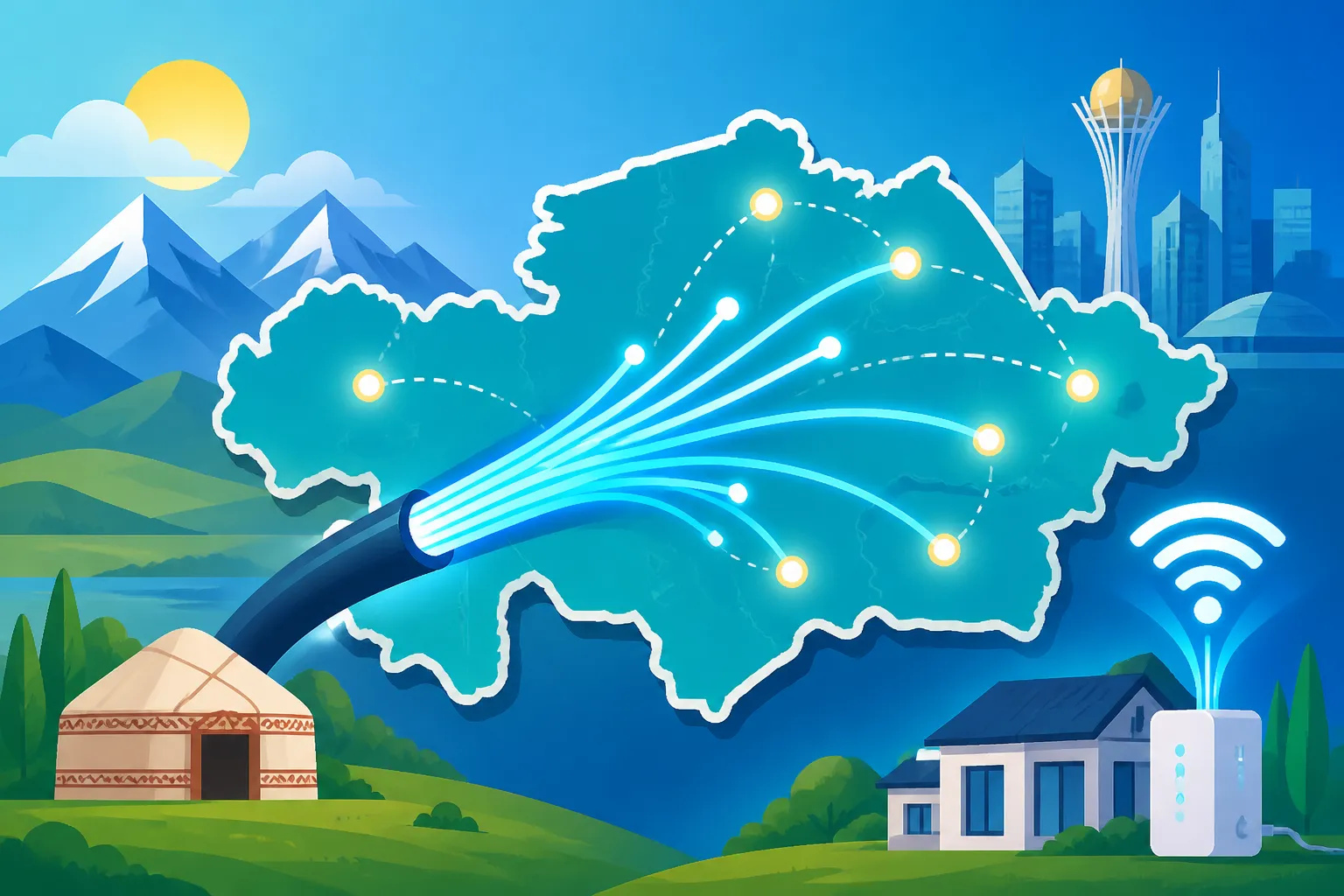
One of the first things that crosses every expat's mind when moving to Kazakhstan, right after securing a visa and finding an apartment, is "How will I stay connected?" We all crave that reliable, lightning-fast internet we’re used to, whether for video calls back home, streaming our favourite shows, or, let’s be honest, getting some actual work done. The burning question, especially for those of us dependent on a strong signal, is: can you get fibre internet anywhere in Kazakhstan? Spoiler alert: while Kazakhstan has made incredible strides in digital infrastructure, the answer isn't a simple 'yes' or 'no.' This guide will unravel the reality of fibre internet availability across the country, giving you a realistic picture and practical advice.
Understanding Kazakhstan's Internet Landscape
Kazakhstan has truly embraced the digital age, with impressive connectivity statistics and a clear government push towards digitalization. However, like many rapidly developing nations, the quality and type of internet access can vary wildly depending on where you lay your head. It’s not just about what's available; it’s about what’s actually hooked up to your building.
The Digital Divide: Cities vs. Rural Areas
Let’s be honest, this is a tale as old as time in many countries, and Kazakhstan is no exception. In the gleaming metropolises of Almaty and Astana, you'll often find yourself in a digital paradise. Fibre optic cables snake through new residential complexes and modern business districts, offering speeds that would make many Western countries green with envy. These urban centres are the heart of Kazakhstan's digital push, attracting significant investment from major internet service providers (ISPs).
However, venture out into the vast, beautiful steppes, or even into some of the smaller regional towns, and the picture shifts considerably. While mobile internet coverage is surprisingly extensive, often reaching 4G and even some 5G in unexpected pockets, fixed-line fibre infrastructure is a different beast. Installing fibre is an expensive, labour-intensive process, prioritising areas with higher population density and economic activity. So, if your expat adventure takes you to a more remote locale, setting up a home office with ultra-fast fibre might be more of a dream than a reality. It's a key frustration point for those who expect ubiquitous high-speed connections.
Key Internet Service Providers and Their Reach
When it comes to fixed-line internet, one name dominates the landscape: Kazakhtelecom. Think of them as the national behemoth, the foundational backbone provider for the country. Many other providers, like ID Net (which is also part of Kazakhtelecom Group) and smaller local players, often lease lines or infrastructure directly from Kazakhtelecom. This means that while you might see different brand names, the underlying network is often the same.
For mobile internet, which is often a lifesaver when fibre isn't an option, you have more choices:
- Beeline: A very popular provider, known for its widespread coverage and competitive data plans.
- Kcell / Activ: Another major player with strong network presence, particularly in urban areas. Kcell is often seen as the premium brand, while Activ is its more budget-friendly counterpart.
- Altel: Also offers decent coverage and is part of the Kazakhtelecom group.
These mobile providers offer various data packages, and if you’re living in a place where fibre isn't available, a good 4G/5G router with a solid data plan from one of these companies can often bridge the gap surprisingly well. Many expats find themselves relying on robust mobile hotspots or even using their phone as a primary internet source, especially if they’re just starting out or their home doesn't have fibre access. When you're first arriving, even before you've settled on a fixed internet plan, having a reliable eSIM from a provider like Airalo can be an absolute lifesaver for staying connected from day one. It lets you get online immediately to navigate, communicate, and start your hunt for a permanent internet solution.
Where Fibre Internet Shines Brightest
Kazakhstan's commitment to digital infrastructure is evident, especially in its burgeoning urban centres. If you're looking for the best chance of scoring that sweet, sweet fibre connection, you'll want to focus your search on particular areas.
Major Cities: Almaty and Astana Leading the Way
There’s no doubt about it: Almaty and Astana (now Nur-Sultan, though many still refer to it as Astana) are your best bets for reliable fibre internet. These are the economic, political, and cultural hubs, and consequently, where the majority of infrastructure investment has been concentrated.
- Almaty: In Almaty, particularly in newer residential complexes (often called "ZhK" or "Residential Complexes") built in the last 10-15 years, fibre is almost a given. Areas like Dostyk Plaza, Esentai Park, or the myriad of new high-rise developments popping up around the city centre and southern districts are typically pre-wired for fibre. Many older, but well-maintained, apartment buildings in central districts have also been retrofitted with fibre by Kazakhtelecom or ID Net. If you're renting an apartment in Almaty, especially in any of the more modern buildings, you’re highly likely to have fibre optic lines leading directly to your unit. Speeds of 100 Mbps, 500 Mbps, or even 1 Gbps are commonplace and surprisingly affordable.
- Astana: As the capital, Astana boasts even more modern infrastructure due to its planned development. The newer districts, particularly those around the Bayterek tower, Expo grounds, and the administrative centres, are absolutely saturated with fibre connectivity. Many of the impressive architectural marvels and high-end residential towers come equipped with top-tier internet options. Again, finding a fibre connection in Astana's newer areas is usually a straightforward process.
In both these cities, competition among providers (even if they rely on the same underlying network) means that services are generally good, and customer support, while sometimes requiring a bit of patience and Russian/Kazakh language skills, is usually capable of resolving issues.
Smaller Cities and Regional Centres: A Mixed Bag
Moving beyond the two giants, the situation becomes more varied. Cities like Shymkent, Karaganda, Aktobe, and Atyrau are significant regional centres, each with their own economic drivers (e.g., oil and gas in Atyrau, mining in Karaganda). These cities often have pockets of excellent fibre coverage, particularly in their newer developments or central business districts.
For example, in Atyrau, residential areas popular with oil and gas expats often have dedicated fibre connections due to the demand from international residents and businesses. However, in older residential areas or the more sprawling parts of these cities, you might find that fibre is not as universally available. You could be looking at ADSL (Digital Subscriber Line), which uses traditional copper telephone lines and offers significantly slower speeds, or relying primarily on mobile internet solutions.
It’s crucial to understand that even within these cities, the street and even the specific building can make all the difference. One block might have state-of-the-art fibre, while the next might be stuck in the past. This is why thorough checking before committing to a rental is paramount – don't assume anything! Always confirm the exact internet options for your specific address. This level of detail can feel tedious, but it saves a lot of headaches later, especially if you rely on internet for work or staying in touch with family.
The Reality of Fibre Availability Beyond the Hubs
While the major cities are well-equipped, the phrase "anywhere in Kazakhstan" is where the dream of ubiquitous fibre starts to bump into reality. It’s not just about what the ISP says is available in a city, but what’s actually hooked up to your specific building.
Navigating Residential Buildings and Infrastructure
This is where the rubber meets the road. Even in a fibre-rich city like Almaty, if you find yourself in an older, Soviet-era apartment building (a khroushchovka or similar block from the 1960s-80s), your chances of a direct fibre connection might be slim. These buildings weren't designed with fibre in mind, and retrofitting them can be a costly and logistically challenging endeavour for ISPs. Many older buildings might only have copper lines, meaning your fastest option will be ADSL, or if you're lucky, VDSL (Very High Bitrate Digital Subscriber Line), which is an improvement but still not true fibre.
Conversely, almost any new build – residential complexes, modern business centres, and detached homes in developed suburban areas – will have fibre optic connections as standard. Developers often integrate the latest utilities, including fibre, into their construction plans to attract tenants and buyers. So, when you're apartment hunting, especially if you're working with a real estate agent, always ask specifically about the internet provider options and the type of connection for that particular building. Don't be shy about it; it's a make-or-break detail for many expats. You can find more comprehensive advice on how to sign a rental contract and pay a deposit in Kazakhstan, which often includes details about utilities.
What to Expect in Rural or Developing Areas
If your work or personal preference takes you away from the urban sprawl and into more rural settings or newly developing areas on the outskirts of cities, fibre internet becomes a much rarer commodity. In these places, the cost-benefit analysis for ISPs doesn't always favour expensive fibre deployments for a scattered population.
In such scenarios, you'll likely be relying on:
- Mobile Internet: This is your primary lifeline. With a good 4G/5G signal (and these are surprisingly widespread in Kazakhstan), a powerful mobile router can provide perfectly adequate speeds for most tasks, including streaming and video calls. Beeline, Kcell, and Altel all offer various tariffs, including unlimited data options, which can be a practical substitute for fixed-line fibre. You might even find yourself preferring this flexibility, especially if you travel frequently within the country.
- Satellite Internet: For truly remote locations where even mobile signal struggles, satellite internet is an option, though it comes with higher costs, lower speeds, and noticeable latency. It's usually a last resort for those deep in the countryside or in very specific industrial sites.
While fibre internet might not be "anywhere," the country's extensive mobile network means that being completely disconnected is rare. It just might not be the fixed, blazing-fast fibre you initially hoped for. Understanding how to set up internet and mobile service in Kazakhstan is crucial, no matter where you settle.
Practical Steps for Expats to Check Fibre Availability
It might seem daunting, but with a bit of legwork, you can usually figure out the internet situation for your potential new home. Don't just hope for the best; actively investigate!
Online Tools and Direct Inquiries
The first step in checking fibre availability is typically through the major ISPs' websites. Kazakhtelecom (and its subsidiary ID Net) are usually the first places to look for fixed-line options. Their websites often have a "check availability" feature where you can input a specific address. Be prepared that these sites are primarily in Russian or Kazakh, so a browser translator or a local friend might be invaluable here.
Here’s how you generally proceed:
- Visit the Provider's Website: Go to Kazakhtelecom's or ID Net's official sites.
- Find the Coverage Checker: Look for sections like "Проверить подключение" (Check connection) or "Подключить интернет" (Connect internet).
- Enter Your Address: Input the exact street name and building number. Sometimes you need to select the apartment number too.
- Review Results: The system will usually tell you if fibre (often referred to as GPON or FTTB/FTTH) is available, or if only ADSL or other older technologies are an option.
Beyond online checks, a direct phone call or visit to a Kazakhtelecom service centre (found in every major city) can provide definitive answers. Bring your exact address, and if possible, have a Russian or Kazakh speaker with you to ensure clear communication. They can tell you precisely what's installed at your address. When you are comparing options, you will want to understand how to choose a mobile and internet provider in Kazakhstan.
Questions to Ask Your Landlord or Real Estate Agent
This is arguably the most critical step. Your landlord or real estate agent will have the most immediate and accurate information about your specific rental property. They know the building, the history, and what’s actually hooked up. Don't just ask "Is there internet?"; be very specific:
- "Is fibre optic internet (оптоволоконный интернет) available in this apartment/building?" Use the Russian term "оптоволокно" or "GPON" if you can, as it helps clarify.
- "Which internet service providers are connected to this building?" They might say "Kazakhtelecom" or "ID Net" or even a smaller local provider.
- "What are the typical speeds you or previous tenants have experienced?" This gives you a real-world expectation.
- "Is the apartment pre-wired, or will I need to arrange for installation?" Many new apartments are already wired, making activation quick and easy. Older ones might require a technician visit.
- "Who typically pays for the internet service – is it included in the rent or separate?" Usually, it’s a separate bill that you arrange. Understanding the various utility costs is important, so you might also want to look into the expat guide to setting up utilities (electricity, water, heating) in Kazakhstan.
Make these questions a non-negotiable part of your apartment viewing checklist. A reliable internet connection is often as important as running water and electricity for modern expats! If you’re moving from abroad, using a service like Sirelo can help you organize all your moving logistics, including providing checklists that remind you to ask these crucial questions about utilities and internet before you even arrive.
Internet Service Provider Comparison in Major Cities (Almaty & Astana)
Here's a quick overview of what you can generally expect from the major players, though availability always depends on your specific address.
| Provider Name | Primary Service Type | General Availability (Cities) | Typical Speeds Available | Notes |
|---|---|---|---|---|
| Kazakhtelecom | Fixed Fibre (GPON) | High (Almaty, Astana, major regional centres) | 100 Mbps – 1 Gbps | National backbone. Often provides services under its own brand or through ID Net. Reliable, extensive network. |
| ID Net | Fixed Fibre (GPON) | High (Almaty, Astana, modern complexes) | 100 Mbps – 1 Gbps | Part of Kazakhtelecom Group, focusing on modern residential and business fibre. Often seen as the "premium" fibre brand for consumers. |
| Beeline | Mobile (4G/5G), some Fixed Fibre | High (Mobile), Moderate (Fixed Fibre) | Mobile: Up to 100s Mbps; Fixed: Similar to Kazakhtelecom | Primarily known for strong mobile network. Offers mobile routers/hotspots. Has some fixed fibre presence, especially in older wired buildings. |
| Kcell / Activ | Mobile (4G/5G) | High (Mobile) | Mobile: Up to 100s Mbps | Strong mobile network, especially in cities. Good for mobile hotspots. Limited fixed-line offerings; focus is on mobile data plans. |
| Altel | Mobile (4G/5G) | Moderate to High (Mobile) | Mobile: Up to 100s Mbps | Also part of Kazakhtelecom Group. Good mobile coverage. Offers various mobile data packages and home internet solutions via mobile router. |
It's clear that in the big cities, fibre is not just available, but often readily so. However, the further you get from the modern urban core, the more you'll need to adapt and potentially rely on the excellent mobile networks Kazakhstan has developed. Keep these practical steps in mind, and you'll be well on your way to a connected life in Kazakhstan!
Disclaimer
The information provided in this guide is intended for general informational purposes only and does not constitute professional advice. While we strive to keep the information up-to-date and accurate, regulations, services, and availability can change rapidly in Kazakhstan. It is always recommended to verify specific details with official sources, local authorities, and service providers. We do not assume any liability for decisions made based on this information.