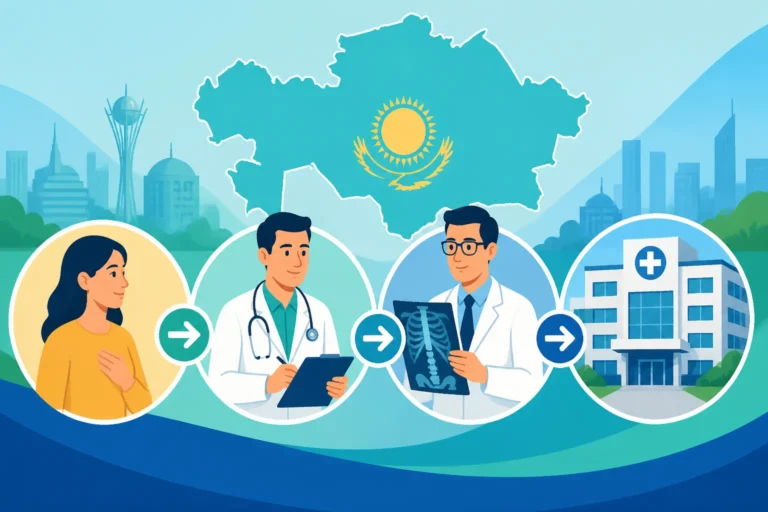
Understanding Hospital Admission and Billing in Kazakhstan
Landing in a hospital in a new country can be one of the most disorienting and stressful experiences an expat can face. The familiar systems are gone, and you’re suddenly navigating a new language, different protocols, and an unfamiliar billing structure, all while feeling unwell or worried about a loved one. When it comes to hospital admission and billing in Kazakhstan, the process can feel like a labyrinth, but trust me, with a bit of foresight and understanding, it becomes far less daunting. This comprehensive guide will walk you through what to expect, from the moment you arrive at the emergency room to settling your bills and preparing for discharge.
The Initial Shock: Understanding Hospital Admission in Kazakhstan
When you're suddenly faced with a medical emergency or a planned procedure, the first step is always admission. In Kazakhstan, this process can differ significantly depending on the urgency and your insurance status. It's not always as straightforward as walking in, showing your card, and being whisked away. Understanding the nuances here can save you a lot of stress down the line.
Emergency Admissions: When Every Second Counts
Let's face it, emergencies rarely happen at convenient times or in convenient places. If you find yourself needing urgent medical attention, the standard emergency number is 103, which will connect you to the ambulance service. For a more general emergency number that covers police, fire, and ambulance, you can dial 112. These services will typically take you to the nearest public hospital equipped to handle your specific emergency.
Once you arrive at a public hospital via ambulance, the immediate focus will be on stabilizing your condition. Don't expect a lot of questions about insurance or payment right away; life-saving care takes precedence. However, once you're stable, the administrative side will kick in. It's crucial, if you're able, to have someone with you who can communicate in Kazakh or Russian to assist with providing your details, particularly your Individual Identification Number (IIN) and information about your OSMS (Compulsory Social Health Insurance) coverage or private insurance. If you don't have anyone with you, prepare for a lot of pointing, Google Translate, and potentially a kind-hearted nurse or doctor who speaks some English. For more detailed information on urgent situations, make sure to read our guide on Emergency Medical Care in Kazakhstan: What Every Expat Needs to Know.
Planned Admissions: The Bureaucratic Dance
For non-emergency situations, such as a scheduled surgery, diagnostic tests requiring hospitalization, or a specialist consultation that leads to an inpatient stay, the admission process is more structured. This typically begins with a referral from your primary care physician at your assigned polyklinika (outpatient clinic) or a private specialist.
With a planned admission, you'll have a bit more time to gather your documents. You'll usually be given a specific date and time to arrive. Be prepared for a fair amount of paperwork, often involving multiple forms and signatures. This is where having your IIN and current health insurance details (whether it’s OSMS or a private plan) readily available is absolutely essential. You’ll also need your passport and potentially a copy of your residence permit. In some public hospitals, even with a referral, there might be a short waiting period for a bed or the specific procedure, so bring something to keep yourself occupied.
The Initial Paperwork and Language Barrier
The first hurdle you’ll likely encounter, regardless of whether it’s an emergency or planned admission, is the paperwork. Kazakhstani hospitals, like many administrative bodies here, are quite document-heavy. You'll need your passport, your IIN, and proof of your health insurance. For those covered by OSMS, this usually means your IIN is enough, as the system is digital. However, having a screenshot of your OSMS status from the eGov mobile app can sometimes expedite things.
The language barrier is real. While medical staff in larger private clinics, especially in Almaty and Astana, are increasingly English-proficient, many public hospital staff might have limited or no English. This is where having a trusted Kazakhstani friend, a colleague, or a professional interpreter can be invaluable. Don't underestimate how vital clear communication is when discussing your health. It's not just about understanding instructions; it's about being able to express your symptoms, concerns, and medical history accurately. Some expats even opt for international travel insurance like SafetyWing when they first arrive, as it often includes emergency medical evacuation or even a local interpreter service, which can be a lifesaver in these situations.
Public vs. Private: Where Will You Be Treated?
Kazakhstan offers a dual healthcare system: the public sector, largely funded by the Compulsory Social Health Insurance (OSMS), and a growing private sector. Where you end up for hospital admission will significantly impact your experience, the facilities, and crucially, the billing.
Public Hospitals: The OSMS Route
Public hospitals in Kazakhstan are the backbone of the healthcare system. They are generally well-equipped for serious medical conditions and emergencies, often handling a higher volume of patients. If you are formally employed in Kazakhstan or self-employed and contributing to OSMS, then a significant portion of your hospital treatment in the public sector will be covered. This includes consultations, surgeries, medications administered during your stay, and basic room and board.
However, the experience in public hospitals can vary. While the medical care itself can be excellent, particularly from experienced doctors, the facilities might feel a bit dated compared to what you're used to. Expect shared rooms, more basic amenities, and potentially longer wait times for non-emergency procedures. The administrative process can also feel less streamlined. Despite these challenges, public hospitals offer comprehensive care and are an essential resource, especially for those relying on the OSMS system. To understand the wider system, our guide on How Kazakhstan's Health System Works: OSMS and Private Care Explained (2027) is a must-read.
Private Clinics and Hospitals: A Different Experience
For expats seeking a more familiar or comfortable experience, private clinics and hospitals are often the preferred choice, especially for planned admissions or less severe emergencies. Major cities like Almaty and Astana boast several reputable private medical centers. For instance, in Almaty, centers like Suncar Med, Interteach, or the Astana Medical University Hospital in Astana offer a higher standard of comfort, modern equipment, and often, English-speaking staff.
The benefits of private facilities are numerous: shorter wait times, private rooms, more personalized care, and often, the latest medical technology. However, this comfort comes at a cost. While your private health insurance might cover a substantial portion, or even all, of your expenses, you will likely pay significantly more out-of-pocket if you don't have adequate coverage. If you are looking for specific facilities, our article on How to Use Major Hospitals and Clinics in Almaty provides more localized details.
Specialist Hospitals and Medical Centers
Beyond general public and private hospitals, Kazakhstan also has a network of highly specialized medical centers. These include dedicated cardiology centers, oncology clinics, maternity hospitals, and pediatric facilities. For instance, the National Research Center for Maternal and Child Health in Astana is a leading facility for pediatric care. If your condition requires highly specialized treatment, you might be referred to one of these centers.
Admission to these specialized centers, whether public or private, typically follows the same general rules regarding referrals and insurance. In public specialist hospitals, OSMS will cover most costs for eligible individuals. In private specialist centers, you’ll need to ensure your private insurance policy explicitly covers the specific specialized treatment you need. It’s always best to check with your insurance provider before a planned admission to one of these facilities, as the costs can be substantial.
Demystifying Hospital Billing: OSMS, Private Insurance, and Out-of-Pocket
The financial side of hospitalization is often the biggest source of anxiety for expats. Understanding how billing works with OSMS, private insurance, and what you might still have to pay out-of-pocket is crucial to avoid unpleasant surprises.
How OSMS Works for Hospital Stays
If you are a legal resident and contributor to the OSMS system, much of your hospital care in public facilities will be covered. This compulsory social health insurance scheme is designed to provide universal access to a defined package of medical services. For inpatient care, this generally includes:
- Consultations and diagnostics: All necessary tests, examinations, and specialist consultations during your stay.
- Surgeries and procedures: Medically necessary operations.
- Medication: Drugs administered while you are hospitalized.
- Room and board: Standard accommodation in a public ward.
- Rehabilitation: Initial post-operative or post-treatment rehabilitation as deemed necessary.
However, it's important to understand the nuances. OSMS covers the medically necessary components. This means if you opt for a private room in a public hospital (if available), or certain advanced diagnostic tests not deemed essential by the OSMS protocol, you might be expected to cover these additional costs. Furthermore, OSMS primarily covers treatment within the public sector. If you choose to seek inpatient care at a private hospital, OSMS will generally not cover those expenses, or will only cover a minimal portion if referred by an OSMS clinic. It’s also vital to ensure your OSMS contributions are up-to-date; if you fall behind, your coverage may be suspended, leading to significant out-of-pocket expenses. Our article Understanding Mandatory Health Insurance Contributions in Kazakhstan details this further.
Navigating Private Health Insurance Coverage
For many expats, private health insurance provides an extra layer of security and access to a wider range of options, particularly in private hospitals. When admitted to a private hospital, your billing process will largely depend on your insurance provider and policy.
Typically, with private insurance, you might have one of two scenarios:
- Direct Billing (Cashless): The hospital bills your insurance company directly. This is the ideal scenario, minimizing your upfront costs. Many international hospitals and larger private clinics in Almaty and Astana have arrangements with major international and local private insurance providers. Always confirm if direct billing is possible before admission, especially for planned procedures.
- Reimbursement: You pay for the services upfront and then submit a claim to your insurance company for reimbursement. This means you need to have sufficient funds available to cover the hospital bill, which can be substantial. Keep all invoices, receipts, and medical reports meticulous for your claim.
It's absolutely critical to understand your specific private insurance policy. Check for deductibles, co-payments, annual limits, and any exclusions (e.g., pre-existing conditions, specific treatments). Some policies, like those offered by SafetyWing, are designed for digital nomads and provide comprehensive travel medical insurance that can cover emergency hospitalizations, but might have limitations for long-term residents or planned procedures without specific upgrades. Ensure your policy covers inpatient care in Kazakhstan, not just emergencies or travel-related incidents. This is a common oversight that can lead to huge bills.
Out-of-Pocket Costs and Unexpected Expenses
Even with OSMS or private health insurance, you might still face out-of-pocket expenses. This is where many expats get caught off guard.
Here are some common scenarios for out-of-pocket costs:
- OSMS Co-payments: While OSMS covers most essential services, some specific procedures, medications, or services might have a small co-payment, though this is less common for inpatient care.
- Non-Covered Services: Elective procedures, cosmetic treatments, or amenities like private rooms in public hospitals are usually not covered by OSMS. Private insurance policies also have their limits and exclusions.
- Uninsured Period: If you are new to Kazakhstan and haven't yet registered for OSMS, or if your private insurance hasn't kicked in, any medical care, including hospital stays, will be entirely out-of-pocket. This is why having temporary coverage like SafetyWing during your initial relocation phase is highly recommended.
- Expired or Lapsed Coverage: If your OSMS contributions are not current, or your private insurance policy has expired, you will be liable for the full cost.
- Medications after Discharge: While inpatient medications are usually covered, prescriptions for take-home medications after discharge typically fall under your own responsibility, unless explicitly covered by a robust private plan. Our guide on Prescription Medications and Pharmacies in Kazakhstan: The Complete Guide has more details.
- Transportation: Ambulance services, while generally part of OSMS emergency care, might incur costs if you opt for a private ambulance or specialized transfer not deemed medically essential.
Always ask for an estimate of costs upfront for planned procedures, and don't be afraid to question charges you don't understand. Understanding The Cost of Healthcare in Kazakhstan: A Complete Breakdown for Foreigners (2026) can help you budget and prepare.
The Billing Process and What to Expect
The actual process of receiving and paying a hospital bill in Kazakhstan can feel different from what you're used to. It's not always a single, clearly itemized statement dropped on your bed at discharge.
Itemized Bills and Transparency (or Lack Thereof)
In public hospitals, if your care is fully covered by OSMS, you might not receive a detailed bill at all, as the financial transaction occurs directly between the hospital and the Social Health Insurance Fund. However, if there are co-payments or services not covered, you should receive an invoice for these specific items. It's always prudent to ask for one if it's not immediately provided.
In private hospitals, you are more likely to receive an itemized bill. However, the level of detail can vary. Sometimes, you might get a consolidated bill with general categories like "consultation," "procedure," and "medication," rather than a line-by-line breakdown of every single bandage or pill. Don't hesitate to request a more detailed breakdown if you need it, especially if you're claiming reimbursement from your private insurance, as they often require specific codes or descriptions. This can sometimes be a battle, but persistence is key.
Payment Methods and Financial Arrangements
For any out-of-pocket expenses, hospitals in Kazakhstan generally accept cash (Kazakhstani Tenge) and major credit/debit cards. In larger private clinics, bank transfers might also be an option for substantial bills. It's always a good idea to clarify acceptable payment methods with the billing department upon admission or during your stay.
If you are facing a large bill and have concerns about immediate payment, it's worth discussing financial arrangements with the hospital's administration. While not as common as in some Western countries, some private hospitals might offer installment plans or payment deferrals in exceptional circumstances, especially if you can demonstrate a clear plan for payment or upcoming insurance reimbursement. This is often more achievable in private facilities that value customer service.
Here's a quick comparison of billing options:
| Aspect | Public Hospital (OSMS Coverage) | Private Hospital (Private Insurance/Self-Pay) |
|---|---|---|
| Admission Focus | Medically necessary care, often ward-based | Patient comfort, modern amenities, private rooms (often) |
| Cost Coverage | Majority covered by OSMS (if active contributor) | Covered by private insurance (direct or reimbursement) or 100% self-pay |
| Out-of-Pocket | Minimal, for non-covered items or amenities | Deductibles, co-pays, non-covered services, or full cost |
| Billing Transparency | Less detailed, direct to OSMS Fund | Generally more itemized, but still might need clarification |
| Payment Methods | Cash, card for small co-pays | Cash, card, bank transfer for large sums |
| Language Support | Limited English, interpreter often needed | Variable, more likely English-speaking staff in major cities |
| Typical Waiting Times | Can be longer for planned procedures | Generally shorter |
Handling Disputes and Discrepancies
If you notice any charges on your bill that seem incorrect, or you were charged for a service you didn't receive, it's crucial to address it immediately. Start by speaking to the hospital's billing department or administration. Clearly explain your concerns, providing any documentation you have (e.g., your insurance policy, medical records).
Be prepared for a conversation that might require patience and persistence, especially if there's a language barrier. If direct communication doesn't resolve the issue, and you feel unfairly charged, you can seek advice from your private insurance provider if applicable, or even consult with a local lawyer specializing in consumer rights, though this should be a last resort. Keeping a record of all your communication, including names, dates, and outcomes, will be invaluable if a dispute escalates.
Preparing for Discharge and Aftercare
Getting discharged from the hospital is a milestone, but it's not the end of your healthcare journey. Understanding the discharge process and planning for follow-up care is vital for a smooth recovery in Kazakhstan.
Understanding Discharge Procedures
When the doctor determines you're ready to go home, the discharge process begins. In both public and private hospitals, this typically involves a final medical check, receiving instructions for your recovery, and settling any outstanding bills. You will usually receive a discharge summary (выписка из истории болезни, vypiska iz istorii bolezni) outlining your diagnosis, treatment received, medications prescribed, and recommendations for aftercare. This document is extremely important, so keep it safe.
Make sure you understand all instructions before you leave. Don't be shy about asking questions if anything is unclear, especially regarding medication dosages, warning signs to watch for, or activity restrictions. If there's a language barrier, this is another critical moment to have an interpreter or a bilingual friend by your side. You’ll need to make sure all administrative checks are complete before you are officially released, so don't rush out the door.
Follow-Up Appointments and Post-Hospital Care
Your discharge summary will usually include recommendations for follow-up appointments with specialists or your primary care physician. It's your responsibility to schedule these appointments. For OSMS patients, this means returning to your polyklinika to get a referral for any specialist appointments. For private patients, you can usually schedule directly with your chosen private clinic or specialist.
Post-hospital care might also involve physical therapy, specialized nursing care, or home health visits. Clarify with the hospital if they have recommendations for these services and whether your OSMS or private insurance covers them. Sometimes, your OSMS polyklinika can arrange for basic physiotherapy or follow-up nurse visits within the public system, but for more intensive or convenient options, private services are available at an additional cost.
Getting Your Medical Records
Having access to your complete medical records is essential, both for continuity of care in Kazakhstan and for future medical needs if you return to your home country. Upon discharge, you will always receive a basic summary (the vypiska mentioned earlier). However, for more comprehensive records, including detailed test results, imaging reports, and physician notes, you may need to formally request them from the hospital's medical records department.
The process for obtaining full records can vary between institutions. In some private clinics, a digital copy might be provided or easily accessible. In public hospitals, you might need to submit a written request and pay a small administrative fee. Be patient, as it can sometimes take a few days or even weeks to compile all the necessary documents. If you have any concerns about your health insurance in general, including how to register, our complete guide on Health Insurance in Kazakhstan: OSMS, Private and International Options Explained is a great resource.
Essential Tips for Expats Navigating Kazakhstani Hospitals
Being an expat often means being extra prepared. When it comes to something as critical as hospital care, a little bit of planning goes a long way in Kazakhstan.
Always Have a Plan B (and C)
Never rely on a single solution. If you have OSMS, understand its limitations and consider supplementing it with private insurance if your budget allows. If you have private insurance, know exactly what it covers and what it doesn't. Always have a contact person in Kazakhstan who can speak Kazakh or Russian and act on your behalf if you're incapacitated. This could be a trusted friend, a colleague, or a representative from your employer.
For those on short-term stays or those just arriving, consider robust travel medical insurance that includes emergency evacuation. Providers like SafetyWing are excellent for this, ensuring you have a fallback plan for critical situations or if you need to be transferred to a facility with better English-speaking staff or specialized care outside of Kazakhstan. Even if you don't think you'll need it, that peace of mind is invaluable.
Communication is Key: Interpreters and Advocates
As mentioned repeatedly, the language barrier is perhaps the biggest hurdle. Do not assume medical staff will speak English. For any planned hospital visit, arrange for a professional medical interpreter or bring a highly fluent, trusted friend. For emergencies, use a translation app if you can, but try to get someone on the phone who can communicate for you.
An advocate can be more than just an interpreter; they can navigate the administrative side, ask questions on your behalf, and ensure you understand your treatment plan and billing. This is particularly important for navigating the often complex world of Public vs Private Healthcare in Kazakhstan: What Expats Need to Know. Don’t be afraid to ask for help; your health is too important to leave to miscommunication.
What to Carry with You
Being prepared means having your essential documents and information readily accessible. Here’s a checklist:
- Passport and Residence Permit: Always carry copies or digital images.
- IIN (Individual Identification Number): Absolutely crucial for all official matters, especially healthcare.
- Health Insurance Information: Your OSMS status (e.g., screenshot from eGov app) or your private insurance card and policy details. Know your policy number and the emergency contact number for your insurer.
- Emergency Contact List: Names and numbers of family, friends, and your employer (if applicable).
- Medical History: A brief summary of your medical conditions, allergies, current medications, and any past surgeries, ideally translated into Russian.
- Medication List: A precise list of all prescription and over-the-counter medications you are currently taking, including dosage and frequency.
- Cash and Cards: Sufficient funds to cover any immediate out-of-pocket expenses, even if you have insurance.
- Phone and Charger: Essential for communication, translation, and entertainment.
- Comfort Items: A book, headphones, or anything else to make a potentially long wait more comfortable.
Having this information at your fingertips can significantly ease the admission process and ensure you get the right care without unnecessary delays. Familiarize yourself with how to register for OSMS through guides like How to Register for OSMS Health Insurance in Kazakhstan (2027) well before you need it.
Disclaimer
The information provided in this guide is intended for general informational purposes only and does not constitute medical, legal, or financial advice. Healthcare systems, regulations, and costs in Kazakhstan can change. Always consult with qualified medical professionals, insurance providers, and legal experts for advice tailored to your specific situation. While efforts have been made to ensure accuracy, we cannot guarantee the information is always up-to-date or applicable to every individual circumstance.