Can I Get Kazakhstani Citizenship Through Marriage?
So, you've found love in the heart of Eurasia, married a wonderful Kazakhstani citizen, and now you're wondering if that beautiful union paves a direct path to calling Kazakhstan your official home, as in, becoming a citizen. It’s a common, hopeful question many expats ask, imagining a simpler route after taking such a significant step. This guide is here to walk you through the often complex, sometimes frustrating, but ultimately achievable reality of seeking Kazakhstani citizenship through the invaluable link of marriage, breaking down the myths and setting realistic expectations.
The Reality of Citizenship Through Marriage in Kazakhstan
When you tie the knot with a local in Kazakhstan, it feels like you've unlocked a major milestone, a true commitment to this country and its people. Naturally, your mind might start racing ahead to all the possibilities, including finally shedding the expat label and becoming a full-fledged citizen. It’s a dream shared by many, fueled by love and the desire for stability.
Dispelling the "Instant Passport" Myth
Let's get one thing straight right away: marrying a Kazakhstani citizen does not, unfortunately, grant you an instant or even a fast-track passport. I know, it's a bit of a letdown, especially when you hear stories from other countries where marriage can significantly accelerate the process. Here in Kazakhstan, the administrative wheels turn at their own pace, and while marriage is a huge advantage, it's not a magic wand. You won't be walking into a government office one day after your wedding certificate is issued and walking out with a Kazakhstani passport in hand.
Many expats arrive here with preconceived notions based on their home countries' immigration laws or what they've heard about other places. They might think, "Well, I'm married, so surely citizenship is just a formality now." This misconception can lead to considerable frustration and even heartbreak when they encounter the multi-stage, time-consuming process that is actually in place. It’s essential to manage these expectations from the outset to avoid feeling defeated by the bureaucracy later on. The emotional investment in marrying someone from a different culture is already immense; adding the stress of misinformed immigration expectations can be truly draining.
Marriage as a Pathway to Permanent Residence
So, if it’s not an instant passport, what is it? Marriage to a Kazakhstani citizen is primarily your golden ticket to applying for and obtaining a permanent residence permit (ПМЖ or PMZh). Think of permanent residency as the crucial stepping stone, the foundation upon which your future citizenship application will eventually stand. It grants you many rights similar to citizens, like the ability to live, work, and study indefinitely in Kazakhstan without needing to constantly renew a temporary visa or work permit. You’ll be able to register your address, get a local driver's license, and generally integrate much more deeply into daily life.
This permanent residence status provides a much-needed sense of security and belonging. You won't have the constant worry of visa expiry dates looming over your head, and it frees you from the complexities of employer sponsorship if you're working. However, it's important to remember that a permanent residence permit is distinct from citizenship. You still retain your original nationality and passport, and there are certain rights (like voting in national elections or holding specific government jobs) that remain exclusive to citizens. It's a significant upgrade from temporary visas, offering stability and laying the groundwork for the next, even more substantial, step towards citizenship.
Eligibility and Key Requirements for Permanent Residence Based on Marriage
Before you can even dream of citizenship, you need that solid permanent residence permit. And to get that, you'll need to demonstrate your eligibility, primarily through your legitimate marriage and your ability to support yourself here. It's not just about proving you're married; it's about proving you're a stable, contributing member of society.
The Legal Marriage and Its Proof
First and foremost, your marriage must be legally registered in Kazakhstan. This isn't just about having a big wedding party; it's about the official paperwork. You'll need an official marriage certificate issued by the Kazakhstani civil registry office (ЗАГС or ZAGS). If you got married abroad, that certificate needs to be legalized or apostilled in your home country (depending on whether your country is a signatory to the Hague Apostille Convention) and then officially translated and notarized into Kazakh or Russian here in Kazakhstan. This can be a painstaking process, coordinating between different government bodies across international borders.
When applying for permanent residence, the authorities will scrutinize your marriage to ensure it's genuine and not a "sham marriage" entered into solely for immigration purposes. They want to see real commitment, shared life, and integration. This means providing various documents beyond just the marriage certificate itself. You'll need your valid passport, your Individual Identification Number (IIN) – which is absolutely essential for almost everything here, your spouse’s Kazakhstani passport or ID, and potentially other supporting documents like birth certificates, divorce decrees (if applicable), and even joint utility bills or a shared rental agreement to prove cohabitation. The process for ensuring all your documents are correct and properly translated can be frustrating, but resources like Understanding Document and Translation Requirements for Kazakhstan Immigration and How to Get Your Documents Apostilled for Kazakhstan Immigration can help you navigate this bureaucratic maze.
Demonstrating Sufficient Financial Means and Housing
Kazakhstan, like many countries, doesn't want new residents to become a public burden. Therefore, you'll need to demonstrate that you have sufficient financial means to support yourself and your family. This usually involves proving a stable income source, such as employment contracts, salary statements, or business registration documents if you are self-employed. If you don't have an immediate income, you might need to show proof of significant savings in a Kazakhstani bank account. The exact amount required can vary and is subject to change, so always check the latest requirements with the local Migration Service.
Beyond income, you also need to prove stable housing. This could be owning property in Kazakhstan, or having a valid, registered rental agreement. If your Kazakhstani spouse owns property, you can also use that as proof of your accommodation, provided you are registered to live there. The authorities will want to see that you have a consistent and legal place of residence. Imagine trying to explain your variable freelance income or proving ownership of your rental apartment back home while navigating the intricacies of local document submission. It's not always straightforward, but demonstrating this financial and housing stability is non-negotiable for the permanent residence application.
Medical Checks and Background Verifications
Before you're granted permanent residence, you'll also be subject to mandatory medical examinations. These checks are primarily to screen for certain infectious diseases like HIV, tuberculosis, and others that could pose a public health risk. These examinations must be conducted at designated medical facilities in Kazakhstan, and you'll receive certificates confirming your health status. This isn't a simple doctor's visit; it often involves multiple appointments, waiting times, and different tests, adding another layer of administrative burden.
In addition to medical checks, thorough background verifications are a standard part of the process. This includes obtaining a certificate of no criminal record from your home country, and also one from Kazakhstan if you've been living here for a period. For the document from your home country, it will need to be legalized or apostilled and then translated, just like your marriage certificate. These checks are crucial to ensure national security and public safety. These steps can feel intrusive, but they are a standard part of the immigration process for long-term residency. It just feels more personal when you’re doing it for your life with your spouse.
The Road from Permanent Resident to Citizen: The Naturalization Process
Okay, so you’ve successfully navigated the permanent residence process – congratulations! That’s a massive step. Now, with your permanent residence permit safely in hand, you can begin to look towards the ultimate goal: Kazakhstani citizenship. But remember, it’s not an immediate leap. There’s another significant journey ahead, marked by time, integration, and often, some difficult decisions.
The Residency Requirement
This is where patience truly becomes a virtue. To apply for Kazakhstani citizenship through naturalisation, you generally need to have lived in Kazakhstan with your permanent residence permit for a continuous period. The standard requirement for those married to a Kazakhstani citizen is typically five years of continuous permanent residence. "Continuous" is the key word here, meaning there are usually limits on how much time you can spend outside of Kazakhstan during this period without breaking the continuity of your residency. For example, if you spend too much time abroad for work or family visits, it might reset your clock or complicate your application.
This residency requirement means you'll be living a significant portion of your life in Kazakhstan before you're even eligible to apply for citizenship. It’s a commitment, a test of your dedication to making Kazakhstan your home. During this time, you’re not just passively existing; you’re building a life, contributing to the economy, and integrating into society. For those who are working, knowing how to navigate the local job market and understanding things like Understanding Income Tax and the Flat 10% Rate in Kazakhstan can be invaluable during this period. The good news is that by the time you've met this requirement, you'll likely feel much more at home and accustomed to life here.
Language and Culture Knowledge
Another significant aspect of the naturalisation process is demonstrating your integration into Kazakhstani society, which often includes proving knowledge of the state language, history, and constitution. While specific requirements can sometimes vary or be subject to interpretation, the general expectation is that you will make an effort to understand and participate in the local culture. For many expats, especially those who come from non-Turkic language backgrounds, learning Kazakh can be a considerable challenge. It's a beautiful, rich language, but it's distinct and requires dedicated study.
You might be required to pass an examination on basic Kazakh language proficiency, general knowledge of Kazakhstani history, and the fundamental principles of the Constitution. This is where your efforts to learn a few phrases, understand local customs, and engage with your spouse's family and community truly pay off. It shows a genuine desire to become part of the fabric of the nation, rather than just residing here. Many cities offer language courses, and there are online resources too, but nothing beats immersion and dedicated practice. This step can feel daunting, but it’s a clear signal from the government that they want citizens who are invested in the country’s identity.
Renunciation of Previous Citizenship
Here comes one of the most significant and often emotionally charged hurdles for many expats: Kazakhstan generally does not recognise dual citizenship. This means that if you are granted Kazakhstani citizenship, you will almost certainly be required to renounce your original citizenship. This is a profound decision, as it means giving up the rights, protections, and connections to your birth country. There are extremely limited exceptions, typically arising from specific international treaties, but for most individuals naturalising through marriage, this is not the case.
The process of renouncing your former citizenship often involves its own bureaucratic steps in your home country, which can take time and incur costs. You will need to provide proof to the Kazakhstani authorities that you have indeed initiated or completed this renunciation. This is a life-altering choice, impacting everything from travel and property ownership in your home country to potential pension rights. It's a decision that should not be taken lightly and requires careful consideration of all implications. For detailed information, you can refer to resources like Does Kazakhstan Allow Dual Citizenship?, which clarifies this critical aspect.
Step-by-Step Application Process (Simplified)
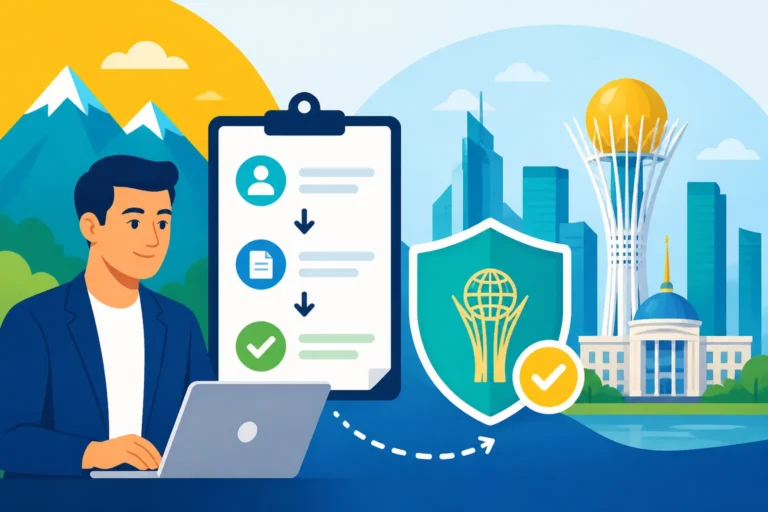
Navigating the immigration process in Kazakhstan can feel like a marathon with multiple checkpoints, each requiring meticulous attention to detail. It's a journey that demands patience and organization.
For Permanent Residence (First Stage)
The first major hurdle is securing that permanent residence permit. This is where your marriage truly becomes an asset.
-
Gather Your Documents: This is the most crucial part. You'll need:
- Your passport (with at least six months validity).
- Your Individual Identification Number (IIN), which is like your personal tax and identification code here. You absolutely need this for almost everything. If you don't have one, make it your priority. Check out Understanding the IIN and Why You Need One in Kazakhstan for details.
- Your Kazakhstani marriage certificate (or foreign one, properly apostilled/legalized and translated).
- Your spouse’s Kazakhstani ID card or passport.
- Proof of financial solvency (bank statements, employment contract, salary slips).
- Proof of accommodation (property title deed or a registered rental contract).
- Medical certificates (HIV, tuberculosis, etc., from designated Kazakhstani clinics).
- Police clearance certificates from your home country and from Kazakhstan.
- A set of passport-sized photos.
- The official application form for a permanent residence permit.
- Any other documents requested by the Migration Service. Remember that all foreign documents need to be officially translated into Kazakh or Russian and notarized. Many will also need an apostille or consular legalization. Understanding Document and Translation Requirements for Kazakhstan Immigration and How to Get Your Documents Apostilled for Kazakhstan Immigration are excellent resources to help you ensure everything is in order.
-
Visit the Migration Service: Once your documents are ready, you'll need to visit the local Migration Service (often found within a ЦОН – TSON, a Public Service Center) in the city where you and your spouse reside. Be prepared for queues and potentially multiple visits. It's often helpful to bring your spouse along for support, especially if your Russian or Kazakh language skills aren't perfect yet.
-
Submission and Waiting: Submit your complete application package. The officials will review everything, and if anything is missing or incorrect, they will inform you. This often means going back, getting the right document, and returning. This back-and-forth is a common frustration for expats, so don't be discouraged. Once accepted, you enter the waiting period. Processing times can vary, but generally, it takes several months. Stay in regular contact with the Migration Service or check the eGov portal if available for updates. For more general insights into this stage, consider reading How to Apply for a Residence Permit from Inside Kazakhstan.
For Citizenship by Naturalisation (Second Stage)
Once you’ve lived continuously in Kazakhstan with your permanent residence permit for the required period (typically five years for spouses of citizens), you can then apply for citizenship.
-
Meet Residency & Integration Criteria: Ensure you have completed the continuous residency period and are prepared to demonstrate your knowledge of the Kazakh language, history, and constitution if required.
-
Gather Additional Documents: You’ll need:
- Your permanent residence permit card.
- Your passport.
- Your IIN.
- Your marriage certificate.
- Your spouse’s Kazakhstani ID.
- Certificates proving your knowledge of the Kazakh language, history, and constitution (if applicable).
- Crucially, official documentation from your home country proving you have initiated or completed the renunciation of your original citizenship.
- Application form for citizenship.
- More passport-sized photos.
- Any other documents specific to your situation or as requested by the Migration Service.
-
Submit Your Application: You’ll submit this comprehensive package to the Migration Service or the Committee for Migration. This is another formal submission, and again, expect thorough checks.
-
The Interview Process: You might be called for an interview where officials will assess your reasons for seeking citizenship, your integration into Kazakhstani society, and potentially your language and cultural knowledge. This is your chance to convey your genuine desire to become a Kazakhstani citizen.
-
Long Waiting Times: The citizenship application process can be lengthy, often taking a year or more from submission to a final decision. It requires a great deal of patience and fortitude. Throughout these stages, getting good advice on Understanding the Cost and Timeline of the Kazakhstan Residence Process can be really helpful. More specific guidance can be found in articles like How to Apply for Permanent Residence in Kazakhstan and How to Apply for Kazakhstani Citizenship by Naturalisation.
Challenges and Considerations for Expat Spouses
Embarking on the journey to Kazakhstani citizenship, even with the loving support of a Kazakhstani spouse, is fraught with unique challenges. It’s not just about paperwork; it's about navigating a new system, enduring waiting periods, and making profound personal choices.
Bureaucracy and Waiting Times
Anyone who has lived in Kazakhstan for a while can attest to the unique flavour of its bureaucracy. It's rarely a smooth, one-and-done experience. You'll likely encounter multiple stages, requests for additional documents that you thought you didn't need, and sometimes conflicting information from different officials. This isn't necessarily malice; it's often just the nature of large administrative systems. Newcomers are sometimes sent from one office to another, then back to the first, just to get a stamp. It can be incredibly frustrating and feels like a test of endurance.
The waiting times for each stage – from processing your initial permanent residence application to the final citizenship decision – can stretch for months, sometimes even over a year. During this time, you're in limbo, unable to make certain long-term plans. My advice? Document absolutely everything. Keep copies of every form, every receipt, every email, and note down the names and dates of every interaction. Patience is not just a virtue here; it's a survival skill. Regularly checking in with the Migration Service, but not excessively, can help you stay informed without becoming a nuisance. If you ever need to renew your current permit while waiting, make sure to read How to Renew Your Residence Permit in Kazakhstan well in advance.
Financial and Emotional Strain
The path to citizenship isn't free. There are various costs involved: application fees, fees for document translations and notarizations, apostille services, medical examination costs, and potentially legal consultation fees if you opt for professional help. These expenses can add up significantly, putting a strain on your household budget. Beyond the monetary aspect, the emotional toll can be substantial. The constant uncertainty, the repeated visits to government offices, the language barrier if your Kazakh or Russian isn't fluent, and the sheer weight of making such a life-altering decision can lead to stress, anxiety, and even feelings of isolation.
It's vital to have a strong support system during this period. Your Kazakhstani spouse will be your biggest advocate, but also lean on expat friends who understand what you're going through. Online expat forums can be a source of shared experiences and advice, though always cross-reference information with official sources. If you're planning a major move here, consider companies like Sirelo, who can help with the logistics, easing one aspect of the burden. And remember, your health is paramount. Having reliable health insurance, such as through providers like Cigna Global, can alleviate worries about medical costs during this stressful time, whether for routine check-ups or unexpected emergencies.
The Future of Dual Citizenship
As we've discussed, Kazakhstan's stance on dual citizenship is generally strict, requiring you to renounce your original nationality. While there are always discussions and evolving dialogues in government circles, as of now, this remains the prevailing rule for naturalisation. It's a huge decision, one that many expats grapple with profoundly. You lose certain rights in your birth country – the right to vote, automatic consular protection, and sometimes even the ease of property ownership or inheritance.
It's crucial to understand that if you manage to acquire Kazakhstani citizenship and fail to renounce your former nationality (and are discovered), you could face severe penalties, including fines, deportation, and the revocation of your Kazakhstani citizenship. This is not something to gamble with. Always seek the most up-to-date and authoritative information directly from the Migration Service regarding this critical policy. The consequences of misunderstanding or ignoring this rule are simply too high. For a broader overview of the move to Kazakhstan, consult a comprehensive resource like Understanding How to Move to Kazakhstan Legally from Abroad.
Permanent Resident vs. Citizen: Key Differences
To help visualize the practical differences between holding a permanent residence permit and being a full Kazakhstani citizen, here's a table outlining some key aspects:
| Feature | Permanent Resident (PMZh) | Kazakhstani Citizen |
|---|---|---|
| Right to Live/Work | Indefinite right to live and work. | Indefinite right to live and work. |
| Passport | Retain foreign passport. | Issued a Kazakhstani passport. |
| Voting Rights | No voting rights in national elections. | Can vote in all national and local elections. |
| Public Office | Generally ineligible for public office. | Eligible for all public offices. |
| Military Service | Generally exempt (check country-specific treaties). | May be subject to military service (for males). |
| Dual Citizenship | Allowed (retain original nationality). | Generally not allowed (renunciation usually required). |
| Visa-Free Travel | Based on foreign passport's agreements. | Based on Kazakhstani passport's agreements. |
| Entry/Exit | Requires valid foreign passport and residence permit. | Free entry/exit with Kazakhstani passport. |
| Consular Protection | By your original country. | By Kazakhstan (when abroad). |
| State Benefits | Access to most social benefits (healthcare, education). | Full access to all social benefits and protections. |
| Property Ownership | Can own most types of property (e.g., apartments). | Full rights to own any property, including agricultural land. |
| Duration | Usually issued for 10 years, renewable. | Lifelong status. |
This table highlights that while permanent residency offers substantial benefits and stability, citizenship grants full, unequivocal rights and responsibilities within Kazakhstan, reflecting complete integration into the nation.
Disclaimer
The information provided in this article is intended for general guidance and informational purposes only, and does not constitute legal, immigration, or professional advice. Immigration laws and regulations in Kazakhstan are complex and subject to frequent change. While we strive to provide accurate and up-to-date information, readers are strongly advised to consult with qualified legal professionals or the official Migration Service of Kazakhstan for advice tailored to their specific situation before making any decisions related to permanent residency or citizenship. The author and publisher disclaim any liability for any actions taken or not taken based on the contents of this article.