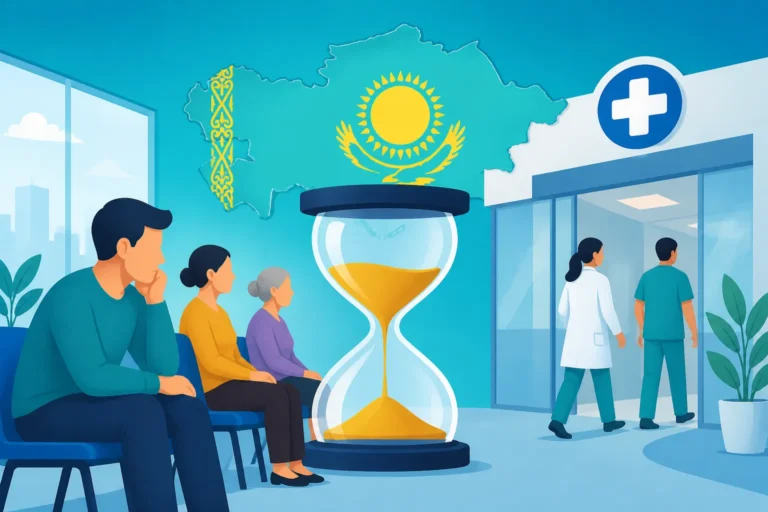
How to Find an English-Speaking Doctor in Kazakhstan
Landing in Kazakhstan, you're bound to experience a myriad of wonderful things, but when health concerns crop up, the language barrier can transform a simple sniffle into a mountain of anxiety. It's a universal expat fear: feeling unwell in a foreign land and struggling to articulate your symptoms to a doctor who only speaks the local tongue. This guide is here to cut through that worry, offering a detailed roadmap on how to effectively find and access English-speaking medical professionals across Kazakhstan, ensuring you get the care you need, clearly and confidently.
The Critical Need for English-Speaking Medical Professionals
Let's be honest, getting sick or injured is stressful enough without the added layer of a language barrier. When you're trying to describe a throbbing headache or a suspicious rash, having to mime or rely on a translation app simply isn't good enough. It’s not just about comfort; it's about accuracy, understanding, and ultimately, your well-being. This isn't just a "nice-to-have"; it's a "must-have" for many of us living far from home.
Overcoming the Language Barrier in Healthcare
The Kazakhstani healthcare system, while robust in many ways, primarily operates in Kazakh and Russian. For those of us who haven't quite mastered either, this can be a significant hurdle. Imagine trying to explain complex medical history, specific allergies, or nuanced symptoms like "a dull ache that gets worse when I stand" through a third party or a clumsy app. Misunderstandings can lead to misdiagnoses, incorrect medication, or simply a deep feeling of frustration and helplessness. Having a doctor who understands you directly ensures that every detail, every concern, is conveyed accurately, leading to more effective treatment and a quicker recovery. It’s about more than just words; it’s about conveying the full context of your health situation.
Understanding Medical Terminology in a Foreign Language
Even if you have a decent grasp of Russian or Kazakh for daily conversations, medical terminology is a whole different beast. It’s filled with specific terms for organs, diseases, procedures, and medications that most casual learners wouldn't know. Trying to decipher a doctor's explanation of your diagnosis or the instructions for your prescription through a fog of unfamiliar vocabulary can be overwhelming and lead to anxiety. An English-speaking doctor can explain everything in plain language, answer your questions thoroughly, and ensure you fully comprehend your condition and treatment plan. This clarity is vital for adherence to treatment and for feeling in control of your own health journey. It also empowers you to ask informed questions, something you might hesitate to do if you’re struggling with the language.
The Peace of Mind Factor for Expats
Beyond the practicalities, there's a profound psychological benefit to finding an English-speaking doctor. Living as an expat often means being outside your comfort zone, constantly adapting to new norms. Your health should be one area where you don't have to fight an uphill battle. Knowing you have a reliable English-speaking medical professional on speed dial provides immense peace of mind. It means less stress during routine check-ups and, more importantly, a vital sense of security if an unexpected illness or emergency strikes. This comfort allows you to relax, focus on healing, and trust the medical advice you're receiving without second-guessing every interaction due to language concerns. For newcomers, having this resource sorted can be as important as securing your first apartment.
Your Initial Search: Where to Start Looking
So, you're new here, or perhaps you've been here a while and are finally realizing you need to get your medical ducks in a row. The good news is that while it might take a bit of digging, English-speaking doctors do exist in Kazakhstan, especially in the larger cities like Almaty and Astana. The key is knowing where to direct your initial search. Don't just wander into the nearest polyclinic hoping for the best; a strategic approach will save you time and stress.
Leveraging Expat Communities and Online Forums
Your fellow expats are your absolute best resource for this. They've been through it all – the struggles, the successes, the recommendations. Join expat groups on social media platforms like Facebook or Telegram specific to Almaty or Astana. A quick post asking for recommendations for an English-speaking GP, pediatrician, or specialist will often yield a wealth of personal experiences and direct contacts. Many groups, like "Almaty Expats" or "Astana Expats," are incredibly active and supportive. People will not only give names of doctors and clinics but often share details about their experiences, wait times, and even general costs, which can be invaluable. These informal networks can often provide more current and personalized advice than any official directory.
Online Directories and Embassy Resources
While expat forums are fantastic for personal recommendations, official sources also have their place. Many foreign embassies in Kazakhstan maintain lists of English-speaking doctors and medical facilities. This is particularly true for countries with a significant expat population. Check the websites of the US, UK, or Canadian embassies in Astana. These lists are usually vetted and can be a good starting point, especially if you're looking for facilities that cater specifically to international clients. Additionally, some private clinics, recognizing the need, will explicitly state "English-speaking staff" on their websites. A quick Google search for "English speaking doctor Almaty" or "international clinic Astana" will often bring up several options. Websites like Interteach, known for their international services, are often among the first to appear. Remember that online reviews can also give you an idea of other expats' experiences.
Employer-Provided Healthcare Networks
If you're in Kazakhstan through an employer, especially a large international company, they are often your first port of call. Many employers provide private health insurance plans that include access to a network of approved clinics and doctors, many of whom are English-speaking. This is often part of a more comprehensive expat healthcare package. Your HR department or the company's local administrator should be able to provide you with a list of preferred providers. Sometimes, these companies even have a designated medical coordinator who can help you schedule appointments and navigate the system. Even if your employer doesn't offer a full network, they might have preferred partners or recommendations based on their experience with other foreign employees. Don't overlook this resource; it's often the easiest and most reliable pathway. If your employer provides only basic coverage, you might consider supplemental international health insurance, which can often recommend clinics abroad. Companies like SafetyWing offer flexible travel medical insurance that can be particularly useful for expats, providing coverage that often includes a network of English-speaking providers or a mechanism for reimbursement, even if you’re just getting started.
Navigating Different Healthcare Facilities
Once you have a few names or clinic types in mind, the next step is understanding the different kinds of medical facilities available and how they cater to English speakers. Kazakhstan offers a mix, and knowing which one is right for your needs can make a big difference in your experience. From private, internationally-oriented clinics to public polyclinics, each has its pros and cons.
Private Clinics and International Medical Centers
For many expats, private clinics and international medical centers are the preferred choice. These facilities, like Interteach or SOS International, are specifically geared towards providing a higher standard of service and often employ English-speaking doctors, nurses, and administrative staff. They understand the needs of an international clientele, from appointment scheduling to insurance claims. You'll typically find shorter wait times, modern equipment, and a more patient-centric approach compared to the public system. These clinics often operate on a fee-for-service basis, which means you pay upfront and then seek reimbursement from your private insurance. It's wise to understand the nuances of Understanding Private Health Insurance Plans in Kazakhstan to ensure smooth claim processing. While more expensive than public options, the peace of mind and convenience often justify the cost, especially for those with comprehensive private health insurance. They usually offer a wide range of specialties under one roof, making referrals and follow-ups much smoother.
| Feature | Private Clinics / International Centers | Public Polyclinikas / Hospitals |
|---|---|---|
| Language Support | High likelihood of English-speaking doctors & staff | Very low likelihood; relies on Russian/Kazakh |
| Appointment Wait | Generally shorter (days to a week for specialists) | Can be longer (weeks to months for specialists) |
| Facilities/Equipment | Modern, well-maintained, up-to-date | Varies widely; some modern, many older |
| Cost | Higher; often requires private insurance or out-of-pocket | Lower; often covered by OSMS, but out-of-pocket for non-OSMS |
| Patient Experience | More personalized, patient-centric, comfortable environment | More bureaucratic, less personalized, faster-paced |
| Emergency Services | Often have urgent care, but serious emergencies may be redirected | Comprehensive emergency departments |
| Service Range | Wide range of specialties, often in one location | Comprehensive, but navigating referrals can be complex |
Public Hospitals and Poliklinikas
The public healthcare system in Kazakhstan, including its extensive network of poliklinikas (outpatient clinics) and hospitals, is the backbone of the country's medical services. If you're registered for the Compulsory Social Health Insurance (OSMS), which is mandatory for most working expats, this is your primary gateway to care. While public facilities are generally more affordable, and in some cases free under OSMS, finding English-speaking staff here is much rarer. You might get lucky with a younger doctor or one who has studied abroad, particularly in the major cities, but it's far from guaranteed. If you opt for public care, be prepared to bring a translator or rely heavily on translation apps. For detailed information on registering, you can consult How to Register for OSMS Health Insurance in Kazakhstan (2027). While some public hospitals in Almaty and Astana have improved, especially those with international patient departments, the general experience might be less streamlined for non-Russian/Kazakh speakers. Understanding Public vs Private Healthcare in Kazakhstan: What Expats Need to Know can help you decide which route is best for your specific situation.
Telemedicine and Remote Consultations
In an increasingly connected world, telemedicine has become a viable option, especially for initial consultations or follow-ups for non-urgent conditions. Some international clinics in Kazakhstan offer remote consultations, allowing you to speak with an English-speaking doctor from the comfort of your home. This can be particularly useful if you live in a smaller town where English-speaking doctors are scarce, or if you simply prefer the convenience. Beyond local options, many international health insurance providers also offer global telemedicine services. For instance, if you have robust expat insurance like that offered by SafetyWing, you might have access to a network of English-speaking doctors worldwide who can provide advice or even e-prescriptions, depending on local regulations. This can be a fantastic first step to understand your symptoms and decide if an in-person visit is necessary, potentially saving you a trip and hassle. Always check if a telemedicine consultation is recognized for insurance purposes and if any prescriptions issued will be valid in Kazakhstani pharmacies.
The Appointment Process and What to Expect
You've found a promising English-speaking doctor or clinic – fantastic! Now, let's walk through the actual process of getting an appointment and what you can expect during your visit. While the experience at an international private clinic will likely feel familiar, there are still some local nuances to be aware of to ensure a smooth and productive consultation.
Booking Your Appointment and Initial Contact
At most private, expat-friendly clinics in Almaty or Astana, you can usually book an appointment by phone or through their website. When calling, specifically ask to speak with someone in English or state that you require an English-speaking doctor. The administrative staff at places like Interteach are generally accustomed to this. Be prepared to provide your personal details, a brief reason for your visit, and your insurance information if you have private coverage. They may ask for your IIN (Individual Identification Number), which is crucial for almost any official transaction in Kazakhstan, including healthcare. If you're a new patient, they might also send you some forms to fill out beforehand, which is always a good sign as it indicates a more organized approach to patient care. Don't be shy about asking about the cost of the consultation upfront if you're paying out-of-pocket, or confirming if your specific insurance plan is accepted.
During the Consultation: Communication and Questions
When you arrive for your appointment, especially at an international clinic, the process will often mirror what you might expect back home. You'll check in, potentially fill out more detailed medical history forms, and then be directed to the doctor's office. Once with the doctor, don't rush. Take your time to clearly explain your symptoms, how long you've had them, and any concerns you might have. An English-speaking doctor will encourage this. This is your chance to provide all the context. They will ask questions, conduct an examination, and discuss potential diagnoses and treatment options. Crucially, this is where you can ask every single question you have. Don't leave anything to chance. Ask about medication side effects, lifestyle changes, follow-up procedures, and any potential risks. Understanding is key to your recovery, and a good English-speaking doctor will ensure you leave feeling fully informed and heard.
Understanding Prescriptions and Follow-up Care
After your consultation, the doctor will likely provide a prescription or recommend further tests. Most prescriptions in Kazakhstan are handwritten, though some modern clinics might use electronic systems. Always double-check the medication name, dosage, and instructions with your doctor before you leave. If you're worried about finding specific medications, you can also ask the doctor for generic alternatives or for their recommendation on where to purchase the prescribed drugs. For more on navigating this, see Prescription Medications and Pharmacies in Kazakhstan: The Complete Guide.
For follow-up care, your doctor will advise on when you should return, if necessary, or if further tests (like blood work or imaging) are needed. Make sure you understand the referral process if you need to see a specialist – some clinics manage this internally, while others might provide you with a referral letter to take elsewhere. Don't hesitate to ask for a written summary of your consultation and treatment plan in English. This document can be invaluable for your personal records or if you need to consult another doctor in the future, especially if you plan on claiming reimbursement from your insurance provider, such as SafetyWing.
Emergency Situations and Urgent Care
Emergencies are scary enough, but in a foreign country where language can be a barrier, they can be terrifying. Knowing your options and how to communicate effectively when every second counts is absolutely vital. While we all hope never to need it, being prepared for an emergency is one of the most important things you can do as an expat.
When to Call 103 vs. Going to a Private Clinic
In Kazakhstan, the universal emergency number for an ambulance is 103. For general emergencies (police, fire, medical), you can also call 112. However, these services primarily operate in Kazakh and Russian. If you or someone with you does not speak either language, calling 103 can be extremely challenging. This is where the distinction between life-threatening emergencies and urgent but non-life-threatening situations becomes critical.
- Life-threatening emergencies: If someone is unconscious, bleeding profusely, experiencing severe chest pain (heart attack symptoms), has severe trauma, or exhibits stroke symptoms, you must call 103 immediately. Even with a language barrier, these are situations where waiting or trying to navigate a private clinic is not an option. Have someone on hand who can speak Russian or Kazakh if possible, or use a translation app to convey the gravity of the situation and your location. For more details on this, refer to Understanding Emergency Numbers (103 and 112) and Ambulance Care in Kazakhstan.
- Urgent but non-life-threatening situations: For things like a bad fall with a suspected fracture (but not open wound), severe allergic reaction (but able to breathe), or acute pain that isn't immediately life-threatening, a private international clinic with urgent care capabilities might be a better option if you can get there quickly and safely. Clinics like Interteach often have urgent care departments that can handle these situations, and they will have English-speaking staff. This approach offers the advantage of language support and potentially faster, more streamlined care compared to a public emergency room where you might face long waits and language issues.
Communicating in a High-Stress Environment
No matter which route you take in an emergency, effective communication is paramount. If you're calling 103 and don't speak Russian or Kazakh, try to have vital information written down in both languages: your address, your symptoms, known allergies, and next-of-kin contact details. If possible, put a Russian or Kazakh-speaking friend on the phone immediately. If you're heading to a private urgent care, bring your passport, IIN, and insurance details. Even with an English-speaking doctor, the stress of an emergency can make it hard to think clearly. Prepare a small medical information card with crucial details like blood type, chronic conditions, medications you take, and emergency contacts, all translated into Russian. This can be a lifesaver. Keep it in your wallet or on your phone for easy access.
Your Insurance and Emergency Coverage
Before an emergency strikes, familiarize yourself with your health insurance policy. Understand what your plan covers in terms of emergency care, ambulance services, and hospital stays. If you have international private health insurance, they often have a 24/7 emergency hotline that you can call. They can provide advice, help coordinate care, and even arrange for medical evacuation if necessary. This service is invaluable, as they can speak directly with the medical facility on your behalf, navigating the language and administrative hurdles. Many travel medical insurance providers, such as SafetyWing, specifically outline their emergency services and how to access them abroad. Having comprehensive coverage, as detailed in Health Insurance in Kazakhstan: OSMS, Private and International Options Explained, gives you one less thing to worry about when you're most vulnerable. Remember, even if you’re covered by OSMS, private insurance offers an additional layer of security and access to facilities that might better suit your linguistic needs during a crisis.
Tips for Long-Term Healthcare Management
Finding an English-speaking doctor is just the beginning. Long-term healthcare management as an expat in Kazakhstan involves building relationships, maintaining records, and staying proactive. It's about ensuring continuity of care and feeling truly settled in your new medical environment.
Building a Relationship with Your Doctor
Just like anywhere else in the world, having a primary care physician (GP) with whom you build a trusting relationship can make a significant difference in your long-term health. A good English-speaking GP in Kazakhstan will become familiar with your medical history, understand your concerns, and be your first point of contact for any health issue. This continuity of care is crucial, as it avoids repetitive explanations and allows for more personalized advice. Don't just see a doctor once and forget about them until the next emergency. Schedule regular check-ups, even when you feel perfectly fine. This shows you're serious about your health and allows your doctor to get to know you better. For guidance on finding a consistent care provider, you might find useful tips in How to Choose and Register with a Clinic (Poliklinika) in Kazakhstan, even if you adapt the advice for private clinics.
Maintaining Your Medical Records in English
One of the most practical things you can do for your health abroad is to keep meticulous medical records. Ask your doctor or clinic for copies of your diagnoses, test results, and prescriptions, ideally in English. If they can only provide them in Russian or Kazakh, ask if they can provide a simple summary in English or offer to pay for a certified translation of key documents. Keep these records organized, either in a physical folder or digitally. This is incredibly important if you need to switch doctors, consult a specialist, or even return to your home country for treatment. Having your medical history readily available and understandable in English saves time, prevents miscommunication, and ensures that any new doctor has a complete picture of your health journey. It also simplifies the process if you need to file claims with your international health insurance, as providers like SafetyWing often require detailed medical documentation for reimbursement.
Staying Prepared with Travel Insurance
Even after you've found your primary English-speaking doctor and are settled into a routine, it's wise to consider supplemental travel health insurance, especially if your initial expat health insurance is tied to your employer and might not cover certain travel scenarios or periods between jobs. Policies like SafetyWing are designed for nomads and long-term travelers, offering flexible coverage that can bridge gaps or provide a safety net for unexpected situations, including emergency medical expenses and evacuation. While it’s not a substitute for comprehensive local health insurance like OSMS or a full-fledged expat plan, it offers an additional layer of protection, particularly valuable for those who travel frequently within the region or spend time out of Kazakhstan. Always read the fine print to understand what's covered, but having this backup plan can offer invaluable peace of mind when navigating the unpredictable nature of expat life. Understanding How to Buy Private Health Insurance as a Newcomer in Kazakhstan can also help you explore all available options for robust coverage.
Disclaimer
The information provided in this guide is for general informational purposes only and does not constitute medical, legal, or professional advice. While we strive to provide accurate and up-to-date information, healthcare systems and regulations in Kazakhstan can change. Always consult with a qualified medical professional or relevant authorities for advice tailored to your specific situation. We are not responsible for any actions taken based on the information presented herein.