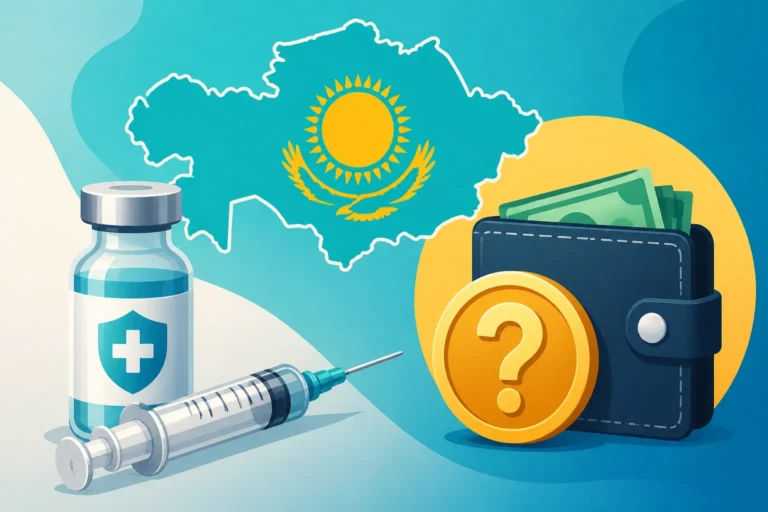
Understanding Medical Tourism and Treatment Costs in Kazakhstan
You're thinking about looking abroad for medical treatment, perhaps for something elective, something specialized, or simply to save a bit of money? Kazakhstan might not be the first country that springs to mind for medical tourism, and it's certainly a path less trodden compared to places like Thailand or Turkey. But for those looking for potentially high-quality care at a more accessible price point, particularly in specific niches, it's an option that's quietly gaining traction. This guide will walk you through what to realistically expect when considering medical tourism and understanding treatment costs in Kazakhstan.
What is Medical Tourism and Why Kazakhstan?
The idea of traveling to another country for medical care can feel daunting, especially when you're already feeling vulnerable. But for many, it’s a necessity, driven by frustrations with their home country’s healthcare system – be it exorbitant costs, painfully long waiting lists, or simply the unavailability of specialized treatments. Medical tourism is essentially the practice of traveling across international borders to obtain medical care. It's not just about a quick trip; it often involves meticulous planning, research, and a degree of bravery to step outside your comfort zone.
The Allure of Cross-Border Healthcare
Let's be honest, nobody wants to be in a hospital, least of all in a foreign country where you might not speak the language. But the reality is that healthcare costs in many Western countries have spiraled out of control. Elective surgeries, dental work, and even some specialized treatments can carry price tags that are simply out of reach for the average person. This financial pressure is a huge driver for people to look for alternatives abroad.
Beyond cost, there's the issue of accessibility. Imagine needing a specific, cutting-edge treatment that simply isn't offered in your home country, or facing a year-long wait for a procedure that's causing you daily pain. These are very real, very frustrating scenarios that push individuals to explore medical tourism. It's about finding hope and a solution when local options fall short.
Kazakhstan, with its rapidly developing infrastructure and a keen eye on economic diversification, has begun to invest significantly in its healthcare sector. While it’s certainly not yet a household name in medical tourism like some Southeast Asian or European destinations, its emergence is noticeable, especially for those in the region or those looking for truly undiscovered value.
Kazakhstan's Niche in Medical Tourism
So, what exactly does Kazakhstan bring to the medical tourism table? It’s certainly not attempting to compete with the vast, all-encompassing medical tourism industries of countries that have decades of experience in this field. Instead, Kazakhstan is carving out a niche, often leveraging its skilled medical professionals and modern private clinics in major cities like Almaty and Astana. The focus tends to be on areas where it can offer competitive pricing without compromising on quality, often in fields that have seen significant investment.
You'll find that many of the clinics aiming to attract international patients are equipped with state-of-the-art technology, often imported from Europe or Korea. The medical staff, especially in these private institutions, are often highly trained, with many having studied or interned abroad. While English proficiency can vary, the more forward-thinking clinics often employ English-speaking coordinators or provide translation services specifically for international patients.
Common areas where Kazakhstan shows potential include dentistry (think complex implants or cosmetic work that would cost a fortune elsewhere), certain types of elective surgeries, and even fertility treatments. For example, clinics like those specializing in IVF in Almaty have been attracting patients from neighboring countries and even further afield due to their competitive pricing and respectable success rates. It’s a pragmatic approach to healthcare, blending evolving modern techniques with a more accessible cost structure.
Navigating the Medical Tourism Landscape in Kazakhstan
Embarking on a medical journey in a foreign land requires careful navigation. It’s not just about finding a doctor; it’s about finding the right doctor and the right facility that inspires confidence and meets international standards. The initial steps can feel overwhelming, but with a structured approach, you can cut through the noise.
Identifying Reputable Clinics and Specialists
One of the biggest anxieties when considering medical treatment abroad is separating the genuinely excellent from the merely adequate, or worse, the outright questionable. In Kazakhstan, as with anywhere, quality can vary wildly. Your first port of call should always be thorough online research. Look for clinics in Almaty or Astana that explicitly cater to international patients. These often have dedicated English-language websites, clear service offerings, and patient testimonials that you can actually understand.
Don't just rely on pretty websites, though. Dig deeper. Are there international accreditations? While not as common as in, say, American or European hospitals, some private clinics might pursue certifications that signal a commitment to global standards. Failing that, look for clinics with a long-standing, strong local reputation. Expat forums and communities can be incredibly valuable resources here; often, someone else has already been through what you’re contemplating and can offer firsthand insights. You might also want to read our guide on How to Find an English-Speaking Doctor in Kazakhstan to give you a head start.
Verifying a doctor's qualifications can be a significant hurdle for foreigners. While many Kazakhstani doctors are highly educated and skilled, their credentials might not be easily verifiable through international databases. This is where relying on the reputation of the clinic itself becomes paramount. Choose institutions that have rigorous internal vetting processes and transparent information about their specialists' backgrounds. Don't be shy about asking for doctor bios, their experience with international patients, and any specific areas of expertise.
The Consultation and Treatment Planning Process
Once you’ve shortlisted a few clinics, the next step is initiating contact and getting a proper consultation. Many modern clinics in Kazakhstan will offer virtual consultations, allowing you to discuss your case with a specialist from the comfort of your home. This is a critical first step. Be prepared to send over all your relevant medical records, imaging (X-rays, MRIs, CT scans), and any other diagnostic reports. Make sure these are translated into English or Russian, as needed, to facilitate the consultation.
Clear and unambiguous communication is key throughout this process. Don't assume anything. Ask specific questions about the proposed treatment plan, alternative options, potential risks, success rates, and the expected recovery timeline. If the clinic doesn't offer an interpreter, consider hiring an independent medical translator yourself for important discussions. It might seem like an extra expense, but it’s invaluable for ensuring you fully understand everything. Always seek a second opinion if you feel unsure, even if it means consulting with another clinic in Kazakhstan or back home.
Before any treatment begins, you’ll likely undergo further diagnostics specific to the clinic’s protocols. This could include blood tests, additional imaging, or specialized examinations to confirm the diagnosis and finalize the treatment plan. It’s a vital step to ensure that the treatment is tailored precisely to your needs and that there are no unforeseen complications. Remember, understanding What Documents Do I Need to See a Doctor in Kazakhstan? can streamline this entire process.
Understanding Treatment Costs and Payment in Kazakhstan
One of the primary motivators for medical tourism is cost savings, and Kazakhstan certainly offers that advantage compared to many Western countries. However, understanding the full financial picture, beyond just the procedure fee, is crucial for effective planning.
A Breakdown of Common Procedures and Their Costs
While it's impossible to give exact figures without a specific diagnosis and treatment plan, we can discuss general ranges to give you an idea. The costs for many procedures in Kazakhstan are often a fraction of what you'd pay in North America or Western Europe. For example:
- Dental Work: A full set of dental veneers might cost upwards of $10,000-$20,000 in the US, but in Kazakhstan, you might find comparable quality for $3,000-$7,000. Dental implants, similarly, can be significantly cheaper, ranging from $500-$1,500 per implant, excluding crowns, compared to several thousand dollars in other regions.
- Fertility Treatments (IVF): A single cycle of IVF can easily cost $15,000-$25,000 (or more) in Western countries. In Kazakhstan, clinics might offer packages for $3,000-$7,000, making it a viable option for many struggling with high costs.
- Elective Surgeries: Procedures like cosmetic surgery (e.g., rhinoplasty, breast augmentation) or certain orthopedic surgeries (e.g., knee arthroscopy) often come with price tags 50-70% lower than in countries like the UK or US, depending on the complexity and facility.
- Diagnostic Imaging: An MRI scan, which could cost $1,000-$5,000 in some countries, might be available for $100-$300 in a private Kazakhstani clinic.
These are just examples, but they illustrate the significant potential for savings. However, always factor in what I like to call the "hidden costs." These aren't sneaky fees, but rather the necessary expenses surrounding your treatment: flights, accommodation for yourself and any accompanying person, local transportation, food, and importantly, any post-operative care or medications you'll need. These can add up, so budget for them carefully. For a more exhaustive financial overview, check out The Cost of Healthcare in Kazakhstan: A Complete Breakdown for Foreigners (2026).
Here’s a general comparison for some common procedures:
| Procedure Category | Estimated Cost in Western Countries (USD) | Estimated Cost in Kazakhstan (USD) | Potential Savings (%) |
|---|---|---|---|
| Dental Implants (per) | $2,000 – $6,000 | $500 – $1,500 | 75% – 80% |
| Full Set Dental Veneers | $10,000 – $25,000 | $3,000 – $7,000 | 70% – 75% |
| IVF Cycle | $15,000 – $30,000 | $3,000 – $7,000 | 80% – 85% |
| Rhinoplasty | $5,000 – $15,000 | $1,500 – $4,000 | 70% – 75% |
| Lasik Eye Surgery (both) | $3,000 – $7,000 | $800 – $1,500 | 70% – 80% |
| MRI Scan | $1,000 – $5,000 | $100 – $300 | 90% – 94% |
Note: These are rough estimates and can vary significantly based on the clinic, specific doctor, complexity of the case, and exchange rates. Always get a personalized quote.
Payment Methods and Financial Considerations
When it comes to paying for your medical treatment, Kazakhstani private clinics are generally quite flexible. Most accept major credit cards (Visa, Mastercard), though it’s always wise to inform your bank beforehand of international transactions to avoid any holds. Bank transfers are also common, particularly for larger sums, but be mindful of international transfer fees and exchange rate fluctuations. While many local transactions still involve cash, it's generally not advisable to carry large amounts for medical bills.
Transparency in billing is something you should demand upfront. Insist on getting a detailed, itemized quote for your entire treatment plan before you commit. This should include consultation fees, diagnostic tests, the procedure itself, anesthesia, hospital stay, and any necessary medications. Don't be afraid to ask questions if something isn't clear. You need to understand exactly what you're paying for. Even for a simple check-up, knowing How Much Does a Doctor Visit Cost in Kazakhstan? beforehand is good practice.
Now, about insurance – this is where it gets tricky. Standard travel insurance, even from reputable providers like SafetyWing, will typically cover emergency medical situations that arise unexpectedly during your trip. However, elective medical procedures undertaken as part of medical tourism are usually excluded from standard travel insurance policies. It is absolutely critical that you read the fine print of your policy or directly contact your insurer to understand if your planned treatment is covered. Some specialized medical tourism insurance policies exist, or you might be able to add a specific rider to your travel health insurance for planned medical procedures. Do not, under any circumstances, assume it's covered.
Quality of Care, Safety, and Post-Treatment Considerations
Choosing Kazakhstan for medical treatment isn't just about saving money; it's about receiving quality care in a safe environment. While modern clinics offer promising standards, it's important to approach this with your eyes wide open.
Assessing the Quality of Medical Facilities and Staff
The Kazakhstani healthcare system is a bit of a mixed bag, to be frank. You have the public hospitals, which are often operating on tighter budgets and sometimes older infrastructure, primarily serving the local population. Then, you have the burgeoning private sector, particularly in Almaty and Astana, which is where medical tourists typically go. These private clinics are usually gleaming, new, and equipped with modern diagnostic and surgical tools. Many private institutions strive to meet international standards, understanding that their clientele, both local and international, demands it. You can explore the differences in our article Public vs Private Healthcare in Kazakhstan: What Expats Need to Know.
The medical staff in these private facilities are generally well-trained. Many have received education or specialized training in Russia, Europe, or even further afield. However, the language barrier can still be a hurdle. While key personnel might speak English, it's not a universal guarantee, especially among ancillary staff like nurses or administrative assistants. This is why having a translator or using a clinic with dedicated international patient services is non-negotiable for seamless communication and understanding your care.
Ultimately, assessing quality often comes down to research and direct engagement. Don't hesitate to ask for virtual tours of the facility, inquire about their sterilization protocols, and look for patient reviews. While reviews can be subjective, a pattern of positive experiences from other foreigners is a strong indicator. You're looking for evidence of professionalism, cleanliness, and a patient-centric approach that aligns with your expectations.
Post-Operative Care and Follow-up
Successful medical tourism isn't just about the procedure itself; it’s critically about the recovery and post-operative care. You need to have a clear plan for your recovery period while you’re still in Kazakhstan. Discuss with your medical team how long you'll need to stay in the country post-procedure, what kind of follow-up appointments are necessary, and any specific instructions for medication or activity restrictions.
Consider your accommodation during recovery. A standard hotel room might not be suitable if you need significant rest or assistance. Some clinics partner with recovery centers or offer specialized post-operative accommodation. Ensure you have easy access to the clinic in case of any concerns. Language support during recovery is also essential – you don't want to be trying to explain symptoms in a medical emergency when communication is already strained.
Speaking of emergencies, what happens if something goes wrong after you’ve left the clinic? Before you undergo any procedure, understand the clinic's policy for complications. Will they cover revision surgery, or will you be on your own? Having robust travel health insurance (that specifically covers medical tourism, not just emergencies) is crucial for peace of mind. Familiarize yourself with local emergency protocols and numbers. Understanding Emergency Medical Care in Kazakhstan: What Every Expat Needs to Know can be a lifesaver in unexpected situations.
Practical Tips for a Smooth Medical Trip
Undertaking a medical trip to Kazakhstan requires careful planning, much like any significant international travel, but with added health considerations. A little extra preparation can make all the difference for a smooth and stress-free experience.
Essential Preparations Before You Travel
First things first, your visa. For many nationalities, Kazakhstan offers visa-free entry for up to 30 days. This might suffice for shorter diagnostic trips or minor dental work. However, for longer stays or more complex treatments, you might need to apply for a specific medical visa, if available, or a business visa, depending on the nature of your visit and how the clinic assists. Always check the latest visa requirements for your nationality well in advance of your travel dates. Our comprehensive guide on The Complete Guide to Kazakhstan Visas and Immigration for Expats (2027) will be a valuable resource.
Next, and I cannot stress this enough, is insurance. As mentioned, most standard travel insurance, even from reliable providers like SafetyWing, will cover unforeseen medical emergencies abroad. But for planned, elective procedures, you need to confirm if your policy has a specific medical tourism rider or if you need to purchase a specialized policy. Imagine paying thousands for a procedure, only to discover a complication isn't covered. It's a risk you absolutely cannot afford to take.
Finally, pack smart. Beyond your passport, visa, and medical records, bring a copy of all your communications with the clinic, including your detailed treatment plan and cost breakdown. Carry any essential medications you regularly take, along with their prescriptions. Comfortable clothing, easy to put on and take off, will be appreciated, especially post-surgery. And don't forget adapters for your electronics, a power bank, and a Kazakhstani SIM card or eSIM data plan for constant connectivity.
Language and Cultural Nuances
Navigating a healthcare system in a country where you don’t speak the language fluently is incredibly challenging. In Kazakhstan, the primary languages are Kazakh and Russian. While English is gaining traction, especially among younger generations and in international business circles, it's not universally spoken in medical settings outside of very specific international departments in major cities.
If your chosen clinic doesn’t guarantee a dedicated, professional medical interpreter who will be with you for all key consultations and during your procedure, consider hiring one independently. A casual understanding of English by a receptionist simply won't cut it when discussing critical medical information. Misunderstandings can have serious consequences. For more practical advice on this, you should check out our article on How to Find an English-Speaking Doctor in Kazakhstan.
Culturally, you might find medical interactions in Kazakhstan to be a bit more direct than you’re used to. Doctors are highly respected, and questioning their advice might not be as common as in some Western cultures. However, remember that you are the patient, and it is your right to understand your treatment fully. Be polite but firm in asking for clarity and explanations. Showing respect for their professionalism, coupled with clear communication of your needs, will go a long way.
Case Studies and Real-World Scenarios
To help bring the idea of medical tourism in Kazakhstan to life, let’s consider a couple of hypothetical, but very realistic, scenarios. These illustrate the planning, challenges, and potential benefits.
The Dental Tourist Experience in Almaty
Meet Sarah, a 45-year-old marketing professional from the UK. She needed extensive dental work – several crowns, a few implants, and some cosmetic bonding – which her dentist in London quoted at a staggering £18,000. Sarah simply couldn't afford it. After some research, she discovered clinics in Almaty, Kazakhstan, offering similar treatments with modern equipment for less than a third of the cost.
Sarah started by contacting three different private dental clinics in Almaty that had English-language websites and positive expat reviews. She sent them her panoramic X-rays and a detailed list of her dental needs. Within a week, she received comprehensive treatment plans and quotes, ranging from £4,500 to £6,000. She chose a clinic known for its highly skilled prosthodontists and its dedicated international patient coordinator.
The clinic arranged a virtual consultation with the lead dentist, where Sarah could discuss her concerns and get a clearer picture of the process. The coordinator helped her navigate the visa process (she opted for a 30-day visa-free entry, planning a two-week stay with follow-ups). She ensured her travel insurance, specifically a policy with a medical treatment rider, was in place. Upon arrival, Sarah was impressed by the clinic's modern facilities and the professionalism of the staff. Over two weeks, she underwent her treatments, with regular check-ups. The clinic even helped arrange a comfortable Airbnb near the clinic for her recovery. The cultural experience was an added bonus; she enjoyed exploring Almaty's vibrant food scene and markets between appointments. She saved a significant amount, and returned home with a healthy, confident smile. For more on this, you might find How Much Does Dental Treatment Cost in Kazakhstan? insightful.
Seeking Specialized Fertility Treatment in Astana
Now, consider Mark and Elena, a couple in their late 30s from Germany, who had been struggling with infertility. After several unsuccessful and incredibly expensive IVF cycles in Germany, they were looking for alternatives. They learned about a highly-regarded fertility clinic in Astana that boasted impressive success rates and offered treatment packages at a much more affordable price.
Their journey began by contacting the clinic and submitting their extensive medical history, including previous treatment protocols and diagnostic results. The clinic responded promptly, offering a detailed IVF package that included consultations, medication, the retrieval and transfer procedures, and embryo freezing, all for around €6,000 – a stark contrast to the €15,000+ they had paid per cycle in Germany. The clinic assigned them an English-speaking case manager who handled all logistics, from initial paperwork to recommending accommodation options near the clinic.
Navigating the emotional highs and lows of fertility treatment in a foreign country was tough, but the clinic's empathetic staff and clear communication helped immensely. They stayed in Astana for about three weeks for the full cycle. The language barrier was mostly managed by the case manager and interpreters provided by the clinic during crucial appointments. They appreciated the advanced equipment and the personalized approach. While the outcome wasn't immediately successful, they felt the quality of care and the financial accessibility made it a worthwhile journey, offering renewed hope. When considering specialized facilities, learning about What Hospitals Have International Departments in Almaty? can also guide your choices in other major cities.
Disclaimer
The information provided in this guide is for general informational purposes only and does not constitute medical, legal, or financial advice. While we strive to provide accurate and up-to-date information, circumstances in Kazakhstan can change rapidly. Always consult with qualified medical professionals, legal experts, and financial advisors before making any decisions related to medical tourism, treatment, or travel to Kazakhstan. We recommend verifying all facts and figures with official sources and your chosen medical providers.