How Do I Register My Newborn for Healthcare in Kazakhstan?
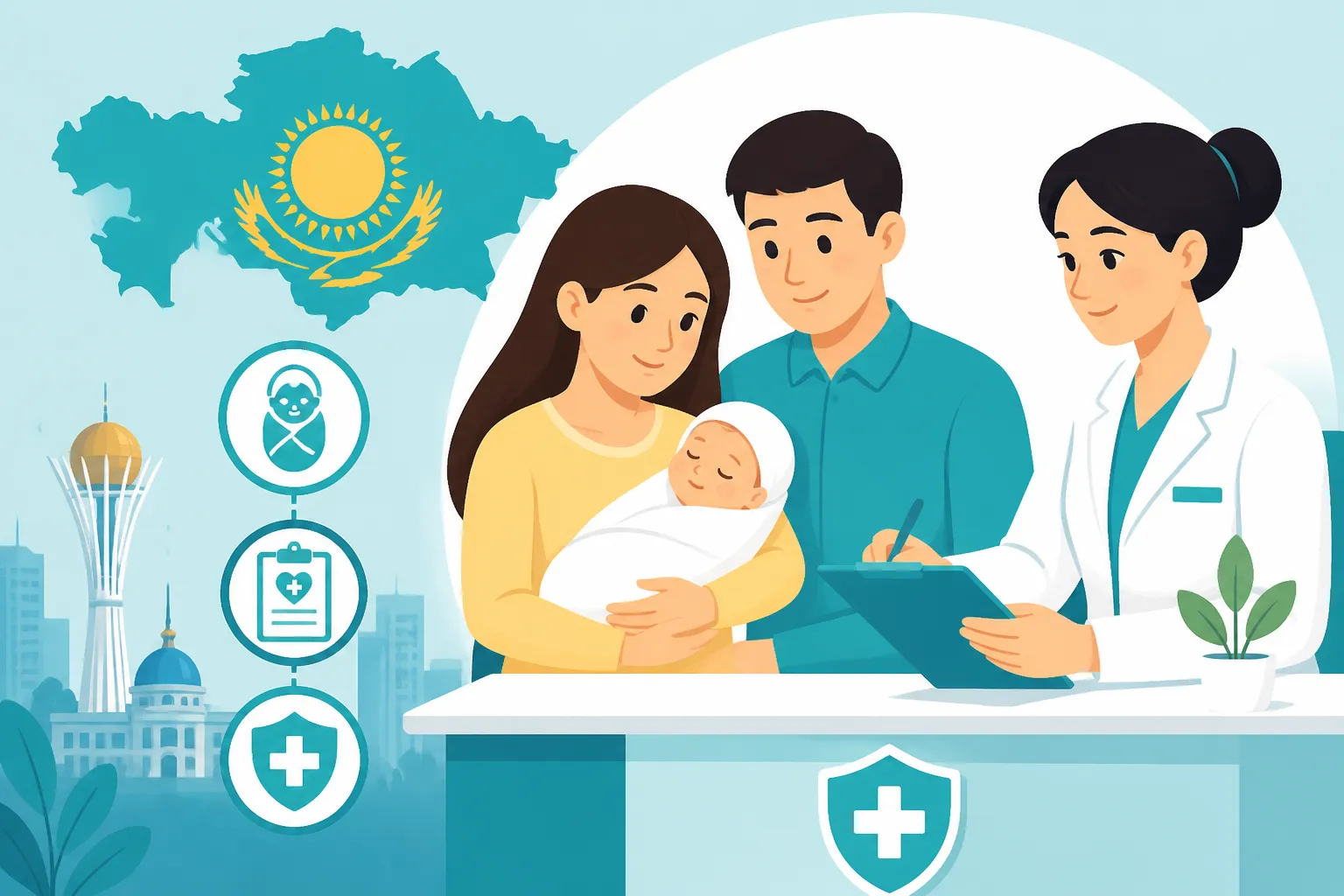
The arrival of a newborn is an incredibly special, albeit sometimes overwhelming, time. For expat parents in Kazakhstan, that joy can often be tinged with an extra layer of anxiety about how to navigate the local healthcare system for their little one. Trying to understand the administrative steps in a new country, often with a language barrier, can feel like trying to solve a Rubik's Cube blindfolded. But don't you worry, my fellow expats; this guide is here to walk you through the essential steps of registering your newborn for healthcare in Kazakhstan, ensuring your newest family member gets the care they deserve.
The Initial Steps After Birth: Getting Your Newborn Documented
Before you can even think about doctor's visits or vaccination schedules, you need to get your little one officially documented. This is the bedrock upon which all future registrations, including healthcare, will be built. Think of it as collecting the first few vital pieces of a very important puzzle.
Birth Registration and the Birth Certificate
Okay, deep breath. The very first thing you need to do after your baby arrives and you’ve left the maternity hospital is to register their birth. This isn't just a formality; it's how your child officially exists in Kazakhstan. You'll need to do this at a ЦОН (TsON), which stands for Tsentr Obsluzhivaniya Naseleniya, or Public Service Center. These centers are your one-stop shop for many administrative tasks here, and frankly, they’re usually where most expat frustrations begin and end – but don't let that deter you!
The hospital will provide you with a medical birth certificate (often a green or yellow piece of paper), which is the primary document proving your baby's birth. When you head to the ЦОН, you’ll typically need:
- Your passports (both parents): Make sure they are valid and that your own IINs (Individual Identification Numbers) are clearly linked to them.
- Your marriage certificate: If you're married, this is crucial. If it's from another country, ensure it's translated into Kazakh or Russian and notarized. Some might also require an apostille from your home country, so it's always best to check beforehand with the ЦОН or a legal consultant.
- The medical birth certificate: The one you received from the hospital.
- Application form: You'll fill this out at the ЦОН.
The timeframe for birth registration is usually within one month of birth. Missing this deadline can lead to complications, so try to get it done promptly, even if you're still in that new-parent haze. Once registered, you'll receive the official Kazakhstani birth certificate for your child. This document, often a beautiful green booklet or a formal printed sheet, is incredibly important. Without it, you cannot proceed with any other registrations for your baby. It's their first taste of official paperwork, and trust me, it won't be their last here!
Obtaining an IIN for Your Newborn
Once you have that glorious Kazakhstani birth certificate, the next vital step is to get an IIN for your newborn. The IIN is Kazakhstan's equivalent of a social security number or national identification number. It's a unique 12-digit code that identifies your child in almost every official system, from healthcare to future schooling. Without an IIN, your newborn is essentially invisible to the Kazakhstani administrative systems, including their health coverage.
The good news is that obtaining an IIN for your newborn can often be done simultaneously with the birth registration at the same ЦОН visit. This saves you an extra trip and some headache. If for some reason it wasn't done together, you can apply separately.
The documents you'll need for your newborn's IIN application typically include:
- Your newborn's Kazakhstani birth certificate: The one you just received.
- Both parents' passports: Again, valid and linked to your own IINs.
- Application form: You'll complete this at the ЦОН.
The process is usually straightforward. You present the documents, fill out the form, and after a short processing period (sometimes a few days, sometimes within the same day), your newborn will have their very own IIN. Hold onto this number like gold, as it's foundational for everything else, especially for getting them registered in the healthcare system.
Enrolling Your Newborn in the Compulsory Social Health Insurance (OSMS) System
Now that your baby is officially documented with a birth certificate and an IIN, you can tackle the healthcare aspect. Kazakhstan operates on a mandatory social health insurance system, known as OSMS (Obitel'noye Sotsial'noye Meditsinskoye Strakhovaniye). As an expat, understanding how it applies to your whole family is key, and enrolling your newborn is a critical part of this. For a broader overview of the system, you might find How Kazakhstan's Health System Works: OSMS and Private Care Explained (2027) very helpful.
Understanding OSMS for Dependents
OSMS is designed to provide comprehensive medical care to all residents, and that includes your little ones. Newborns, like all children, are considered dependents under the OSMS system. This means their coverage is linked to one of their parents (typically the working parent who makes regular OSMS contributions). If you are officially employed in Kazakhstan and contributing to OSMS, your employer will be deducting your contributions, and you, as a parent, are responsible for registering your child under your coverage.
The system is designed so that children up to 18 years old, and certain other vulnerable groups, are covered by the state's contributions to OSMS. However, this coverage is activated only once they are properly registered as a dependent under an insured parent or guardian. This isn't automatic; you have to initiate the process. It's a system that, while aiming for universal coverage, still requires active participation from residents to ensure everyone is properly enrolled. If you're wondering about the specifics of your own enrollment, How to Register for OSMS Health Insurance in Kazakhstan (2027) offers a full walkthrough.
The Registration Process for OSMS
Registering your newborn for OSMS is another critical step to ensure they have access to public healthcare services. This process typically involves either using the convenient eGov portal (if you're comfortable with online procedures in Russian or Kazakh) or, more commonly for expats, visiting a ЦОН in person.
Here’s a general step-by-step guide:
- Gather Your Documents: You'll need:
- Your newborn's IIN.
- Your newborn's Kazakhstani birth certificate.
- Your (the parent's) passport with your IIN.
- Proof of your residence registration (Propiska).
- If applicable, documents proving your employment in Kazakhstan (e.g., employment contract, employer details) as your OSMS contributions usually stem from this.
- Access eGov or Visit a ЦОН:
- eGov Portal: If you choose the online route, you'll need an Electronic Digital Signature (EDS) for authentication. Navigate to the relevant service for "attaching a child" or "adding a dependent" to your OSMS. The forms will guide you through uploading the necessary documents. This can be efficient but requires a certain level of familiarity with the platform.
- ЦОН Visit: Most expats prefer this. Go to your nearest ЦОН. Take a ticket for the relevant service (often related to social services or IIN/birth registration). An operator will help you fill out the electronic application and submit your documents. Be prepared for potential queues and remember to bring all original documents, plus copies, just in case.
- Monitor Status: After submission, it’s crucial to check your newborn’s OSMS status. You can usually do this via the eGov portal or by calling the FMS (Fund for Mandatory Social Health Insurance) hotline. The status should show your child as "insured" (zastrakhovan) within a few days or weeks.
Timely registration is paramount. If your newborn needs medical attention before their OSMS is active, you might face out-of-pocket costs for services that would otherwise be covered. It's one of those things where being proactive saves a lot of potential stress and expense. If you have other children, you'll find How to Add Dependents to Your Health Coverage in Kazakhstan a useful resource.
Registering with a Local Poliklinika and Doctor
With OSMS coverage secured, your next step is to "attach" your newborn to a specific poliklinika (poly-clinic) and, by extension, a pediatrician or family doctor. The poliklinika system is the backbone of primary healthcare in Kazakhstan, and it's where your child will receive most of their routine care.
Choosing and Attaching to a Poliklinika
A poliklinika is essentially a local community clinic that provides general medical services, including pediatric care, vaccinations, and specialist referrals. They are usually assigned based on your registered residential address (your propiska). However, depending on the region and available capacity, you might have some flexibility to choose a poliklinika that is more convenient or has a better reputation, even if it's not strictly in your direct catchment area. It's always worth asking and exploring your options.
To attach your newborn to a poliklinika:
- Select Your Poliklinika: Do a little research. Ask other expat parents in your area for recommendations. Consider proximity to your home, ease of access, and any specific services they might offer.
- Visit the Poliklinika (or ЦОН): You'll need to go to your chosen poliklinika's registration department (often called registratura) or sometimes, this process can also be facilitated through a ЦОН.
- Submit Application and Documents: You will need to fill out an application form to "attach" your child. The required documents typically include:
- Your newborn's Kazakhstani birth certificate.
- Your newborn's IIN.
- Your (the parent's) passport.
- Your residence registration (propiska) for the address where you live.
- Proof of OSMS coverage (which you can often check and print from eGov).
Once attached, your newborn will be assigned a specific pediatrician or family doctor who will be their primary care provider. This doctor will manage routine check-ups, provide referrals to specialists, and oversee their vaccination schedule. Choosing a clinic that feels right for your family is important, and How to Choose and Register with a Clinic (Poliklinika) in Kazakhstan has even more details on this process.
First Doctor's Visits and Vaccination Schedules
After successfully attaching your newborn to a poliklinika, expect to be in regular contact with them, especially during the first year of your child's life. Newborns require frequent check-ups to monitor their growth, development, and overall health. Your assigned pediatrician will guide you through these routine visits, ensuring your baby is thriving.
A significant part of early childhood healthcare in Kazakhstan, as in most countries, is the mandatory childhood vaccination schedule. Kazakhstan follows a comprehensive national immunization program. Your pediatrician will explain the schedule and administer the necessary vaccines at the appropriate ages. It’s a good idea to bring your child's previous vaccination records from your home country, if any, for your doctor to review. While schedules might differ slightly from what you're used to, it's generally best practice to follow the local recommendations unless there are specific medical contraindications. Understanding Childhood Vaccination Schedules in Kazakhstan delves deeper into this topic.
Don't be shy about asking questions during these visits. If there's a language barrier, bring a friend or hire a medical translator. Many expats find that clear communication is the biggest hurdle, so preparing a list of questions beforehand can be very helpful. Remember, your peace of mind is paramount when it comes to your child’s health.
Private Healthcare Options and Supplementary Coverage for Newborns
While the OSMS system provides essential coverage, many expat families choose to supplement it with private healthcare options. This isn't a reflection of the quality of public care necessarily, but rather a desire for certain comforts, language fluency, and broader coverage that private facilities and international insurance can offer. If you're weighing the pros and cons, Public vs Private Healthcare in Kazakhstan: What Expats Need to Know can help you decide.
When to Consider Private Healthcare
There are several compelling reasons why expat parents often lean towards private healthcare for their newborns and themselves:
- English-Speaking Staff: This is often the primary driver. In private clinics, you're much more likely to find doctors, nurses, and administrative staff who speak English, greatly reducing communication stress.
- Shorter Wait Times: Private clinics generally offer quicker appointments and less waiting time for consultations, which can be a huge relief with a fussy baby.
- Perceived Higher Standards and Comfort: While public poliklinikas are competent, private clinics often boast more modern facilities, a wider range of services under one roof, and a more patient-centric experience.
- Specific Specialists: If your child requires a very specific specialist, private clinics might offer a wider network or quicker access.
- Emergency Care: For non-life-threatening but urgent situations, private clinics can often provide a quicker assessment and treatment without the bureaucracy of public emergency rooms.
Cities like Almaty and Astana have a growing number of reputable private clinics that cater to expats. Clinics like SOS International Clinic or Interteach are often mentioned in expat circles for their international standards and English-speaking capabilities. Be mindful that How Much Does a Doctor Visit Cost in Kazakhstan? can vary significantly between public (under OSMS) and private care.
International Health Insurance and Brands like SafetyWing
Even with OSMS in place and access to private clinics, many expats opt for international health insurance. Why? Because while OSMS covers many basics and private clinics offer convenience, international plans provide a broader safety net, especially for unexpected major medical events or if you ever need to seek treatment outside Kazakhstan.
This is where brands like SafetyWing come into the picture. SafetyWing offers travel medical insurance that also caters to digital nomads and long-term expats, providing robust coverage that can act as an excellent supplementary plan or even a primary one during initial relocation periods.
Here’s why many find SafetyWing a valuable choice:
- Global Coverage: Unlike local plans, SafetyWing covers you not just in Kazakhstan, but also when you travel to other countries, which is a huge plus for expat families who frequently visit home or explore the region.
- Emergency & Repatriation: In the worst-case scenario, if your newborn faced a severe medical emergency requiring evacuation or repatriation to your home country for specialized treatment, SafetyWing can cover these often exorbitant costs.
- Flexibility: SafetyWing plans are designed to be flexible, often allowing you to sign up on a monthly basis, which is great for those still figuring out their long-term plans or waiting for local insurance to kick in.
- Peace of Mind: Knowing you have an international backup like SafetyWing means one less thing to worry about, allowing you to focus on your baby. It can cover things that local plans might not, giving you broader access to care.
While OSMS is mandatory for residents, an additional plan like SafetyWing ensures that you have maximum flexibility and choice, regardless of where or when medical needs arise. It's not about replacing OSMS; it's about adding a layer of security, particularly when you're still navigating a new country's medical landscape. If you are considering Understanding Private Health Insurance Plans in Kazakhstan, you'll see why a plan like SafetyWing could be a strong contender. For a detailed breakdown of costs, check out How Much Does Private Health Insurance Cost in Kazakhstan in 2026?.
Navigating Common Challenges and Tips for Expat Parents
Even with all the right information, life as an expat parent in a new country can throw curveballs. Anticipating and preparing for some common challenges can make the journey a lot smoother.
Language Barriers and Communication
This is often the biggest hurdle. Medical situations are stressful enough in your native tongue, let alone trying to explain symptoms or understand diagnoses in Kazakh or Russian.
- Learn Basic Medical Terms: Even a few key phrases can help. "My baby has a fever," "Where is the pharmacy?" etc.
- Translation Apps: Google Translate or similar apps can be lifesavers for quick communication, though they're not perfect for nuanced medical discussions.
- Hire a Medical Translator: For important appointments or if your child is seriously ill, investing in a professional medical translator is highly recommended. Your private insurance provider, like SafetyWing, might even be able to assist in finding one.
- Find English-Speaking Doctors: Seek out clinics, especially private ones, known to have English-speaking staff. Many expat groups online can provide recommendations. This is such a critical topic that we have a dedicated guide: How to Find an English-Speaking Doctor in Kazakhstan.
- Write Down Questions: Before any appointment, jot down your questions and your child's symptoms in clear, simple terms. This helps you stay focused and ensures you don't forget anything important.
Keeping Records and Staying Organized
The amount of paperwork involved in expat life, let alone with a new baby, is astounding. Keeping everything organized is vital.
- Physical Folder: Dedicate a folder specifically for your newborn's documents. This should include their birth certificate, IIN printout, OSMS status confirmation, vaccination records, any prescriptions, and doctor's notes.
- Digital Copies: Scan or take clear photos of all important documents and save them in a secure cloud folder (e.g., Google Drive, Dropbox). This is a lifesaver if originals are lost or needed in a hurry.
- Medical Journal: Maintain a simple journal for your child, noting dates of illnesses, symptoms, medications given, and significant doctor's visits. This can be incredibly useful for tracking health trends and providing history to new doctors.
- Multiple Copies: When you need to submit documents, always have several copies ready. You never know when an extra one might be requested.
What If Things Go Wrong or You Need Emergency Care?
No one wants to think about emergencies, but being prepared is the best defense. Knowing what to do can save precious time and reduce panic.
- Emergency Numbers:
- 103: Ambulance services for medical emergencies.
- 112: General emergency number (can connect you to ambulance, fire, police).
Make sure these are saved in your phone and written down somewhere visible.
- Before OSMS is Active: If your newborn needs urgent medical attention before their OSMS registration is fully processed and active, you will likely be considered a private patient. This means you’ll be responsible for the costs. This is another scenario where having international health insurance like SafetyWing can be incredibly beneficial, covering emergency treatment even during this transitional period.
- Communicate Clearly: In an emergency, try to clearly state the child's age, symptoms, and location. If language is an issue, try to have someone who speaks Russian or Kazakh on hand, or use a translation app.
- Know Your Nearest Hospital: Familiarize yourself with the location of the nearest children's hospital or a private clinic with emergency services.
- Emergency Kit: Keep a basic home medical kit stocked with essentials like a thermometer, children's paracetamol/ibuprofen, saline drops, and any other specific items your pediatrician recommends.
For a more in-depth look at urgent situations, consult Emergency Medical Care in Kazakhstan: What Every Expat Needs to Know. Knowing these details empowers you to act decisively should the unexpected occur.
Here's a quick summary table of the key steps and documents:
| Step | Where to Go (Primary Option) | Key Documents Required | Important Note |
|---|---|---|---|
| 1. Birth Registration | ЦОН (Public Service Center) | Medical birth certificate (from hospital), Parents' passports, Marriage certificate (translated/notarized) | Must be done within 1 month of birth. First step for all other registrations. |
| 2. Obtain Newborn's IIN | ЦОН | Newborn's Kazakhstani birth certificate, Parents' passports (with IINs) | Often done concurrently with birth registration. Essential for OSMS and Poliklinika. |
| 3. Register for OSMS | eGov Portal or ЦОН | Newborn's IIN, Kazakhstani birth certificate, Parent's passport/IIN, Residence registration, Proof of employment | Linkage to parent's OSMS contributions. Check status after registration. |
| 4. Attach to Poliklinika | Chosen Poliklinika (or ЦОН) | Newborn's IIN, Kazakhstani birth certificate, Parent's passport, Residence registration, OSMS status confirmation | Usually based on residence address. Assigns your child a primary pediatrician. |
| 5. Routine Doctor's Visits/Vaccinations | Assigned Poliklinika Doctor | Newborn's medical records, Vaccination booklet | Follow national vaccination schedule. Keep records of all visits. |
Disclaimer
The information provided in this guide is intended for general informational purposes only and does not constitute legal, medical, or professional advice. While we strive to provide accurate and up-to-date information, regulations and procedures in Kazakhstan can change. Always consult with official government sources, legal professionals, medical practitioners, or insurance providers for advice tailored to your specific situation. Reliance on any information in this guide is solely at your own risk.