How Do I Access Emergency Dental Care in Kazakhstan?
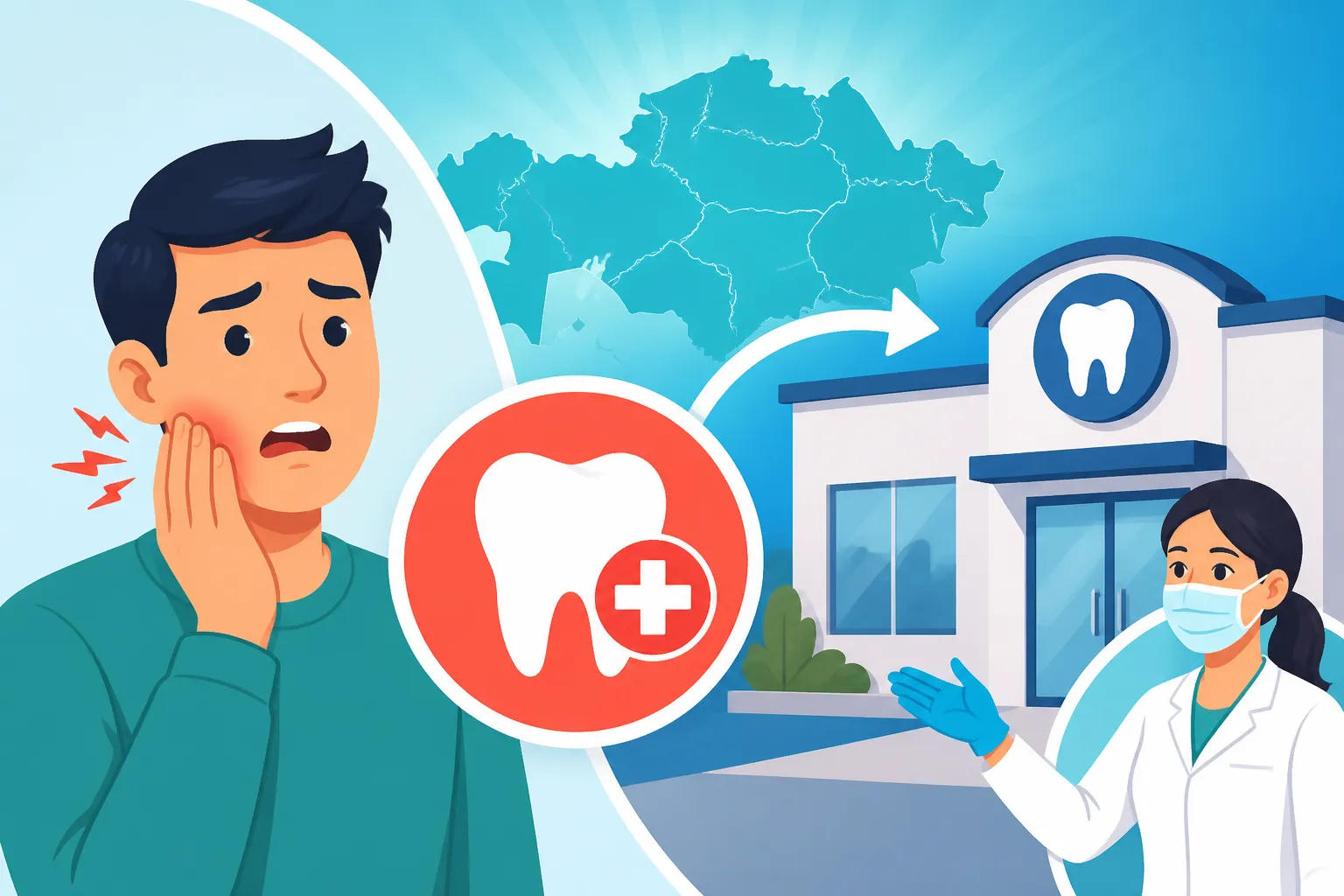
Waking up in the middle of the night with a throbbing toothache in a foreign country is one of those expat nightmares we all hope to avoid. The pain is intense, your usual dentist is thousands of miles away, and the thought of navigating a new healthcare system, especially for something as specific as dental care, can feel utterly overwhelming. This guide is here to walk you through exactly how to access emergency dental care in Kazakhstan, from identifying a true emergency to finding the right clinic and understanding the costs involved.
Understanding Dental Emergencies in Kazakhstan
When you’re far from home, every ache and pain can feel amplified, but it’s crucial to understand what truly constitutes a dental emergency here in Kazakhstan. Not every toothache needs immediate, middle-of-the-night attention, but some absolutely do. Knowing the difference can save you a lot of stress, time, and money.
What Qualifies as a Dental Emergency?
A dental emergency is generally any issue that requires immediate attention to save a tooth, stop bleeding, alleviate severe pain, or address a serious infection. It's about preserving your oral health and preventing further complications. Think beyond just discomfort; think about potential damage or danger.
For example, if you suddenly experience a severe, constant toothache that radiates to your jaw or ear, especially if it’s accompanied by swelling in your face or gums, that’s a red flag. It could indicate an abscess or deep infection, which needs prompt treatment. Leaving an infection untreated can lead to more serious health issues, potentially spreading beyond your mouth. Another common emergency is a knocked-out tooth. If you or your child takes a tumble and a permanent tooth gets dislodged, time is of the essence. There’s a small window, usually within 30-60 minutes, where the tooth might be successfully re-implanted if handled correctly and seen by a dentist immediately. Similarly, a fractured tooth, especially if it's painful or has exposed nerve, can't wait. Losing a filling or crown, while annoying and sometimes painful, is usually less of an emergency unless it’s causing extreme pain or leaving a large, sensitive area exposed that you can’t protect. However, if a broken tooth has sharp edges that are cutting your tongue or cheek, that also warrants urgent attention.
Initial Steps When You Have a Dental Emergency
Alright, so you’ve got a dental disaster on your hands. First, and I know it’s hard, try to stay calm. Panic won't help, but a clear head will. Your very first step is to assess the situation as best you can. Is there bleeding? Is there swelling? Where exactly is the pain?
If there's bleeding, try to control it by biting down firmly on a clean piece of gauze or a tea bag for about 10-15 minutes. For swelling, a cold compress applied to the outside of your cheek can work wonders, reducing both the swelling and some of the pain. Over-the-counter pain relievers like ibuprofen or paracetamol can help manage discomfort until you can see a dentist. Just be mindful of dosages and any existing medical conditions. If you've knocked out a tooth, try to gently pick it up by the crown (not the root!), rinse it lightly with water if it's dirty, and then try to reinsert it into the socket. If that's not possible, keep it moist by placing it in a cup of milk, saline solution, or even holding it in your cheek. Every second counts for a re-implantation. Once you've taken these immediate measures, the next crucial step is to figure out where to go. Don't sit on it for too long, especially with severe pain or signs of infection.
Navigating Public vs. Private Dental Care for Emergencies
When you're dealing with a dental emergency in Kazakhstan, you basically have two main routes: public dental clinics or private ones. Each has its pros and cons, and understanding them will help you make the best decision when you're in pain.
Public Dental Clinics (Poliklinika Stomatologicheskaya): Access and Limitations
Kazakhstan has a network of public dental polyclinics, often referred to as "Poliklinika Stomatologicheskaya," which are part of the broader public healthcare system. If you are registered with the mandatory social health insurance scheme (OSMS) and assigned to a polyclinic, theoretically, you should be able to access emergency dental care there. This is especially true for basic services like pain relief, extractions, or initial treatment of infections.
However, the reality for expats can be a bit more complicated. While the cost might be lower, or even covered by OSMS for basic services, you’re likely to face significant language barriers. Most staff in public polyclinics, including dentists and receptionists, speak Kazakh or Russian, and English speakers are rare. Explaining your specific pain and symptoms through Google Translate or charades when your mouth hurts is not ideal. Moreover, public clinics often operate on a "first-come, first-served" basis for emergencies, which can mean long waiting times. While they might prioritize acute pain, it’s not always guaranteed you’ll be seen immediately. The standard of care can also vary greatly, and while basic procedures are generally fine, for more complex or aesthetically sensitive work, you might find the equipment and techniques a bit outdated compared to what you’re used to. For many expats, the hoops you have to jump through – ensuring your OSMS registration is active, understanding the process for a referral, and battling the language barrier – can be too much when you're in agony. You can learn more about how to Register for Compulsory Social Health Insurance (OSMS) in Kazakhstan and How Kazakhstan's Health System Works: OSMS and Private Care Explained (2027) in our other guides.
Private Dental Clinics: The Expat's Preferred Choice
For most expats, especially in larger cities like Almaty and Astana, private dental clinics are almost always the preferred option for emergency care. Why? Because they cater to a higher standard of service, which often includes English-speaking staff, modern equipment, and a much smoother patient experience. You’re paying for convenience, comfort, and direct access to specialized care without the bureaucratic hurdles.
These clinics are typically well-equipped to handle all types of dental emergencies, from simple fillings and extractions to more complex root canal treatments or even temporary crowns if needed. The dentists often have international training or experience working with foreign patients, meaning they understand your expectations and can communicate effectively about your treatment options. While the costs are significantly higher than in public clinics, the peace of mind and quality of care are usually worth it. Many private clinics also offer evening and weekend appointments, making them far more accessible for emergencies outside of regular business hours. For those with international private health insurance, or even travel insurance like SafetyWing, you might be able to claim back a portion of the costs, making it a more financially viable option than it initially seems. Always check with your insurance provider before treatment if possible, or immediately after, to understand your coverage for emergency dental work.
Finding an Emergency Dentist in Kazakhstan
So, you’ve decided to go the private clinic route (a wise choice, in my humble opinion). Now, how do you actually find one that's open, available, and trustworthy when you're feeling miserable? It’s not as straightforward as calling your regular dentist back home, but there are reliable ways to get the help you need.
Online Resources and Expat Networks
In the digital age, your first port of call should be online. Google Maps is surprisingly effective in Kazakhstan for finding dental clinics. Type "stomatologia Almaty emergency" or "стоматология Астана круглосуточно" (which means "dentistry Astana 24 hours") into the search bar. Many clinics will list their opening hours, contact details, and sometimes even have reviews. Look for clinics with good ratings and comments that mention professionalism or emergency services.
Beyond general search engines, the expat community is your golden ticket. Facebook groups like "Almaty Expats" or "Astana Expats" are incredibly active and full of people who have been exactly where you are. Post a query asking for recommendations for emergency dentists. You’ll often get immediate responses with specific clinic names, phone numbers, and even personal experiences. This not only helps you find a clinic but also gives you a vetted option, which is invaluable. Websites like InterNations can also have local forums where similar questions have been asked and answered. Don’t underestimate the power of collective expat wisdom – it’s saved me more times than I can count!
Asking for Recommendations and Referrals
If online searches aren't yielding immediate results, or if you prefer a more personal recommendation, start asking around. If you’re working, your HR department is a great resource. Many international companies have preferred clinics or doctors they recommend to their expat employees. They might even have a point of contact who can help you make an appointment.
Friends, colleagues, or even your landlord who speak Russian or Kazakh might be able to make calls for you to check clinic availability and whether they handle emergency cases. Sometimes, simply having a local person make the initial inquiry can open doors. If you have a general practitioner or family doctor here in Kazakhstan, even if it's not a dentist, they might be able to give you a referral to a trusted dental clinic. They are often part of a network of healthcare professionals and can point you in the right direction. Remember, a trusted local recommendation often trumps a random online listing when you're in a vulnerable state.
Language Considerations and Translation Apps
The language barrier is a real hurdle in Kazakhstan's healthcare system. While many private clinics in major cities will have at least one English-speaking dentist or assistant, it's not a guarantee, especially for emergency reception staff. Always ask upfront if they have English speakers when you call.
If you find yourself in a situation where English isn't available, come prepared. Download a good translation app on your phone, like Google Translate or Yandex Translate, and ensure it works offline. Practice key phrases related to your pain: "зубная боль" (toothache), "опухоль" (swelling), "сломанный зуб" (broken tooth), "экстренный" (emergency). Visual aids, like pointing to the affected tooth, can also be very helpful. Don’t be shy about writing down your symptoms or drawing a simple diagram. I once had to use my phone to translate "I think my filling fell out" to a very patient receptionist, and it worked! It’s all part of the expat experience, but it’s best to be prepared for it, especially when your head is pounding.
What to Expect During an Emergency Dental Visit
So, you’ve found a clinic, possibly battled the language barrier, and now you’re finally there. What happens next? Knowing the general flow of an emergency dental visit can help alleviate some of that anxiety when you’re already stressed out.
Registration and Initial Consultation
Upon arrival at a private clinic, you’ll typically be asked to register. This will involve providing your passport or ID, contact information, and possibly filling out a short medical history form. Some clinics might have these forms available in English, but again, be prepared to use a translation app or ask for assistance. They'll want to know if you have any allergies, pre-existing conditions, or medications you’re currently taking. This is vital information for any treatment.
After registration, you'll be called in for an initial consultation with the dentist. They will listen to your symptoms, ask questions about when the pain started, its intensity, and what makes it better or worse. This is your chance to clearly explain what's going on, pointing to the specific tooth or area of concern. The dentist will then perform a visual examination of your mouth, gums, and teeth. They will likely tap on teeth, check for swelling, and might take X-rays to get a clearer picture of the issue, especially for deep pain or suspected infections. Be ready for the dentist to wear a mask and potentially minimal small talk – they're focused on getting to the root of your problem quickly!
Common Emergency Treatments
Once the dentist has diagnosed the problem, they’ll explain the treatment options. For a severe toothache, the immediate goal is pain relief and addressing the source of the problem. This could mean a few things:
- Temporary Filling or Repair: If you've lost a filling or have a minor chip, they might clean the area and apply a temporary filling to protect the tooth until you can get a more permanent solution.
- Drainage of an Abscess: If there’s a painful infection and swelling (an abscess), the dentist may need to drain it to relieve pressure and prevent the infection from spreading. This is often followed by a course of antibiotics.
- Pulpectomy (Partial Root Canal): For intense nerve pain, they might perform a pulpectomy, which involves removing the infected or inflamed pulp (nerve tissue) from the tooth to stop the pain. This is often an emergency measure to get you out of pain, and a full root canal treatment would be scheduled for a follow-up appointment.
- Extraction: In unfortunate cases where a tooth is severely damaged, infected beyond repair, or causing acute distress, an emergency extraction might be the only viable option. While nobody wants to lose a tooth, sometimes it's the safest and most effective way to eliminate pain and infection.
- Re-implantation of a Knocked-Out Tooth: If you presented quickly enough with a knocked-out tooth that was preserved properly, the dentist will attempt to re-implant and splint it.
Remember, the priority in an emergency is to stabilize your condition and get you out of pain. A follow-up appointment for definitive treatment is often necessary.
Costs and Payment Options
This is where many expats get nervous, and understandably so. Private dental care in Kazakhstan, while more affordable than in many Western countries, is not cheap, especially for emergency procedures. A basic consultation and X-ray might set you back roughly 5,000-15,000 KZT (approximately $10-35 USD). However, a full emergency treatment, like an extraction or a pulpectomy, could range from 20,000 KZT to 70,000 KZT or more ($45-160+ USD), depending on the complexity and the clinic's pricing. Root canal treatment can be significantly higher, often split over multiple visits.
Most private clinics in Almaty and Astana accept cash (Kazakhstani Tenge) and major credit/debit cards (Visa, Mastercard). Some may also accept bank transfers or online payments through local apps like Kaspi.kz if you have a local bank account. Always confirm payment methods before treatment if you can. For those relying on international health insurance or travel insurance like SafetyWing, you will usually need to pay upfront and then submit a claim for reimbursement. Make sure to get a detailed invoice that clearly states the services rendered and the cost, as this will be crucial for your insurance claim.
Financial Aspects of Emergency Dental Care
Let's talk money, because honestly, that's often a major concern when an unexpected medical bill pops up, particularly when you’re an expat. Knowing what you’re likely to pay and how your insurance might (or might not) help can save you a lot of grief.
Understanding Out-of-Pocket Costs
As mentioned, the costs for emergency dental care in private clinics are entirely out-of-pocket unless you have insurance that covers it. For a routine check-up, you might pay around 5,000-10,000 KZT. For an emergency, the price escalates quickly depending on what needs to be done. A simple extraction could be in the 20,000-40,000 KZT range. If you need a more involved procedure, like opening up a tooth for an emergency root canal to relieve pressure from an abscess, you could be looking at 30,000-70,000 KZT for that initial emergency visit. This might not even cover the full treatment, which often requires subsequent appointments.
For example, if you have an acute pulpitis (inflammation of the tooth nerve) and need initial intervention, the dentist will perform a partial pulpectomy, which involves removing the infected nerve tissue and putting in a temporary filling. That visit alone could easily cost 40,000 KZT. If the tooth needs a full root canal, you're looking at potentially another 80,000-150,000 KZT over one or two more appointments. A crown after a root canal could add another 80,000-200,000 KZT. These are rough estimates for 2026, and prices can vary significantly between clinics, and between Almaty and Astana, which are generally more expensive than smaller cities. It’s always best to ask for an estimated cost breakdown before the treatment begins, or at least before significant work is done. This upfront clarity is a huge benefit of private clinics.
Dental Insurance and Reimbursement
This is where your financial planning comes into play. If you have comprehensive private health insurance, especially one specifically designed for expats, it might include dental coverage, including emergencies. Always check your policy details before you need it. Some policies have specific dental limits, waiting periods, or exclusions for pre-existing conditions.
Travel insurance, like SafetyWing, often includes provisions for emergency medical treatment abroad, and sometimes this extends to emergency dental work to relieve acute pain. Again, the key is "emergency" and "acute pain." They usually won't cover routine fillings or cosmetic work, but if you have a raging infection or a broken tooth causing severe pain, it's worth checking your policy or contacting their support line. You will almost certainly need to pay upfront and then submit a claim with all your documentation (invoices, receipts, dentist's notes explaining the emergency). Keep every single piece of paper they give you! Many insurance providers require medical reports in English, so if your clinic provides documents in Russian or Kazakh, you might need to arrange a certified translation later for your claim, which is another cost and hassle to consider. Understanding how to Claim Reimbursement from Private Insurance in Kazakhstan is crucial for this process.
Here's a quick comparison of public versus private for emergencies:
| Feature | Public Dental Clinic (Poliklinika Stomatologicheskaya) | Private Dental Clinic |
|---|---|---|
| Cost | Lower, potentially covered by OSMS for basic emergencies | Higher, out-of-pocket unless insured |
| Language Barrier | High (mostly Kazakh/Russian) | Lower (often English-speaking staff in major cities) |
| Waiting Times | Can be long, even for emergencies | Shorter, often immediate attention for acute cases |
| Equipment/Modernity | Varies, can be older technology | Modern, up-to-date equipment and techniques |
| Accessibility (Hours) | Primarily daytime, weekday hours; limited emergency-specific provision | Often extended hours, including evenings and weekends, 24/7 in some cases |
| Ease of Access (Expats) | More bureaucratic, requires OSMS registration | Straightforward, direct appointment scheduling |
| Quality of Care | Basic, functional, varies widely | Generally high, more patient-focused |
| Insurance Claim Process | Not applicable for OSMS (direct coverage); private insurance claims are for private clinics | Requires upfront payment, detailed invoices for reimbursement (e.g., SafetyWing) |
After Your Emergency: Follow-up and Prevention
Getting through a dental emergency is a huge relief, but the journey doesn't always end when the pain stops. There's often a need for follow-up care and, more importantly, establishing preventative measures to avoid future crises.
Post-Treatment Care and Medications
After your emergency dental procedure, the dentist will provide instructions for post-treatment care. This might include advice on what to eat, how to clean the area, and what to avoid. It’s crucial to follow these instructions diligently to ensure proper healing and prevent complications. If you received an extraction, they might tell you to avoid rinsing vigorously for the first 24 hours to protect the blood clot. For an infection, you'll likely be prescribed antibiotics.
Getting prescription medications in Kazakhstan is generally straightforward. Your dentist will write a prescription, often in a standard format, which you can take to any pharmacy (aptéka). Pharmacies are widely available, even late at night in major cities. You might find that some medications that require a prescription in your home country are available over-the-counter here, and vice-versa, so always clarify with the pharmacist. Many pharmacists, especially in expat-friendly areas, might understand basic English. If not, showing them the prescription clearly written by the dentist will be sufficient. If you need pain relief beyond what was given in the clinic, ask the dentist what over-the-counter options are best, or if they can write a stronger prescription. Learning about Prescription Medications and Pharmacies in Kazakhstan: The Complete Guide can be very useful for this step.
Long-Term Dental Health for Expats
Once the immediate emergency is resolved, it’s a good idea to think about your long-term dental health. An emergency often indicates underlying issues that need regular attention. This means finding a regular dentist in Kazakhstan whom you trust and feel comfortable with for routine check-ups and cleanings.
Don't wait for another emergency to strike. Schedule a follow-up with the same clinic or dentist who handled your emergency, or if you weren't fully satisfied, use your experience to find a better long-term solution. Regular check-ups, ideally every six months, are the best way to catch small issues before they become big, painful emergencies. During these visits, you can also discuss any ongoing concerns, get professional cleanings, and understand the state of your oral health. Many expats rely on word-of-mouth recommendations within their communities to find a dentist they stick with. Building a relationship with a local dentist who understands your history and speaks your language can make a huge difference in your expat life and prevent those midnight toothache woes. You can also explore options like How to Find an English-Speaking Dentist in Kazakhstan for your routine care.
Ultimately, while a dental emergency in Kazakhstan can be daunting, it's far from insurmountable. With a little preparation and knowledge of the local system, you can navigate it effectively and get back to enjoying your life in this incredible country.
Disclaimer
Please remember that this guide provides general information based on typical expat experiences in Kazakhstan and publicly available knowledge as of 2026. Healthcare regulations, clinic availability, pricing, and insurance policies can change. Always verify information with official sources, your chosen healthcare provider, and your insurance company. This article is not a substitute for professional medical or legal advice.